Starting on 19 October 2023, the Houthi attacks against international shipping and Israel have seen many air power firsts. In their very first attack, the Iranian-backed Houthis employed attack drones against maritime targets, which eventually led to the first instance of the German Navy shooting down enemy aviation since the Second World War. Even more significantly, Houthi ballistic missile attacks against Israel led to the first combat interception in space. However, as much as things have changed, the strategic problem the Houthis present and the air-centric means that the US has chosen to oppose it, has a long history in the Middle East and raises questions about the strategic limitations of air power.
The Houthis sit aside a strategically critical sea line of communication (SLOC). In peacetime, between 10-15% of global trade and around 30% of global container traffic flow through the Suez Canal and into the Houthi crosshairs. Should a great power war occur, the significance of the waters of Yemen will only increase. The SLOC through the Red Sea represents the fastest way to move resources at scale from Europe to a Pacific theatre of operations and an essential alternative to the Panama Canal for transiting from the eastern seaboard of the United States to the Indian Ocean and Southwestern Pacific. These two factors mean that the US can little afford the Houthis and their Iranian backers to maintain their at-will blockade of these critical waterways. This same logic led the British Empire to take and hold Aden and launch military campaigns in the Horn of Africa throughout the 19th and 20th centuries. Since the US is focusing its combat power on the Pacific and the European powers are most concerned with the threat to their borders, neither is looking for another long-term Middle Eastern entanglement, and so this is an unlikely approach. Instead, the Western allies have turned to an approach with a long history in the Middle East whenever an economy of force is desired – air power.
While by virtue of its strategic position and resources, the Middle East as a region is of critical importance to any modern state wishing to project power globally, most of its territory is not. Occupation is expensive and manpower intensive, and so since the 1920s, powers have attempted to ensure the security of their vital interests by following the mirage of strategic air power. In the Middle East, the basic idea has remained remarkably consistent. The strategic concept is that with air power, a country can conduct scalable punitive raids, which will either erode capability so a potential adversary cannot mount a significant threat, create deterrence by demonstrating the cost of threatening a strategically vital area, or finally weaken an adversary to the point a local rival can unseat them. In theory, this use of air power, a cross-domain version of the punitive expedition, allows countries to achieve and sustain their strategic objectives while not having to involve themselves in the costly and manpower-intensive business of occupying the hinterlands of the Middle East. The current US operations in Yemen appear to be the latest in this long history.
For decades, Israel pursued a similar policy known as ‘mowing the grass.’ In this mode of operation, whenever militant groups or adversaries escalated beyond a certain threshold, Israel would respond with an air campaign (supported at times by special operations and even limited ground forces). The purpose of these operations was to buy quiet. They did not attempt to change the fundamental dynamic that led to the escalation; instead, they tried to degrade enemy capabilities until the enemy (at least temporarily) no longer posed a credible threat and deter certain forms of future enemy operations. The air campaigns reduced the capabilities of Israel’s enemies. They forced them to spend resources on reconstitution. However, as is now abundantly clear, this did not stop Israel’s enemies from developing the capability to inflict significant harm, nor did it do anything to remove the motivation.
From their initial conception, these air-centric ‘mowing the grass’ operations acknowledged they could not achieve decisive results or a permanent effect. The strategic conditions meant it would always be worth it for the enemy to rebuild and try again. The damage might have been severe, but if it was in Iran’s interest to rebuild its capabilities, then the targeted groups like Hamas and Hezbollah would always be able to rebuild. Without large-scale ground operations and potentially long-term occupation, air power could only achieve a limited strategic effect within the larger geopolitical pressures shaping the Middle East.
The Houthis potentially find themselves in a similar situation to Hamas and Hezbollah facing the Israeli Air Force, which highlights one of the strategic limitations of air-centric campaigning. Turning maritime traffic away from the Red Sea SLOC requires minimal capability. If the Houthis present a credible threat and continue to target vessels, the maritime insurance market will keep many merchant vessels away. This lowers the level of capabilities to which the Houthis must rebuild to interdict the SLOC, as they only need enough to make maritime insurers nervous. The Houthis have also demonstrated to countries like China and Iran, who have been backing them, that they present a relatively low-cost option to complicating US global sealift – even during a time of war. Should the Houthis attack shipping during wartime, they would force the US either to divert precious naval and air power to tackle the challenge or slow global movement by avoiding the contested waters off Yemen. While devastating to the Houthis, the current air campaign is doing little to change either of these two realities. The Houthis’ strategic position is too important to their backers, the cost of closing the straits too low, and the ideology of the Houthis too absolute to be dissuaded by even the most effective air campaign alone.
There has been one recent exception to this pattern, which may provide a way forward for the US air campaign in Yemen. Since 7 October 2023, Israel launched an air campaign against the Assad government in Syria. The purpose of the campaign was not to remove Assad but to diminish the immediate risk Assad posed to Israel. Eventually, Israel added a covert operations campaign and ground offensive against Hezbollah, on whom Assad relied to keep his government in power. Taken together, this weakened the Syrian regime to the point that local Turkish-backed adversaries could overthrow it. Likewise, the Houthis have several regional enemies waiting in Yemen. The Houthis and their backers have managed to hold these enemies at bay. However, the severity of the US air campaign is such that it may hit a tipping point at which point the UAE and Saudi-backed forces in Yemen may take the opportunity to launch a ground offensive. If so, like Syria, it may be counted as a rare win for the strategic employment of air power in the Middle East, but only inasmuch as other forces on the ground are prepared to fight. If not, Yemen will prove a lesson that the Middle East has taught repeatedly – air power is useful, but by itself cannot change the strategic dynamics of the region.
Dr Jacob Stoil is a military historian who is the Research Professor of Middle East Security at the US Army Strategic Studies Institute, Chair of Applied History at the Modern War Institute, Senior Fellow of the 40th Infantry Urban Warfare Center, and Trustee of the U.S. Commission on Military History. He has worked extensively in the Middle East, including in support of Task Force Spartan. He has published multiple policy and academic articles, which can be found in publications such as the International Journal of Military History, Wavell Room, and Modern War Institute. He can be followed on X as @JacobStoil.
Header image: A US Navy F/A-18 fighter jet taking off at night before the 2024 Yemeni airstrikes, 12 January 2024. (Source: Wikimedia)
Editor’s note: In 2024, From Balloons to Drones will publish a series of articles that seek to provide a new perspective on the air war in 1944. If you are interested in contributing, please see our call for submissions here.
The US Navy was unprepared for electronic warfare when the Second World War started. After the US Marines landed on Guadalcanal in August 1942, they were surprised to discover the presence of a Japanese early warning radar, something the US Navy was unaware of. Although several radar countermeasures (primarily radar receivers designed to detect enemy radars) were quickly devised by the Naval Research Laboratory, little or no provision was made for installing the gear in the US Navy’s aeroplanes. It was done on an ad hoc basis. It took two years of trial and error before the US Navy realised that to conduct radar countermeasures (RCM) effectively, it needed aeroplanes specifically outfitted for this purpose with crews that were trained in the use of the latest equipment. This article explores that experience of learning. Once this was achieved, the US Navy could locate and plot the enemy’s early warning radars. This enabled attacking aeroplanes to avoid them, thus reducing the likelihood of their interception from Japanese fighters. Though the equipment supplied to these aeroplanes was never intended for use in air-to-air encounters (radar-equipped night fighters had their own specialised equipment), the well-equipped, well-trained crews of the RCM Consolidated PB4Y-1 Liberators that began arriving in the Pacific towards the end of 1944 discovered that they could use their RCM receivers to guide them to enemy aeroplanes also equipped with radar allowing it to be intercepted and shot down.[1]
A US Navy Consolidated PB4Y-1 Liberator patrol bomber taking off from Eniwetok Airfield (Stickell Field), 16 April 1944. (Source: Wikimedia)
VP-104 and Learning Lessons
In the spring of 1943, Lieutenant Lawrence Heron, one of several newly trained naval officers in the use and maintenance of the ARC-1 radar receiver (the primary RCM equipment available at that time), was sent to Guadalcanal and assigned to join VP-104 operating PB4Y-1 Liberators out of Carney Field (also known as Bomber 2). When Heron arrived in Guadalcanal, none of the PB4Y-1s were equipped with any RCM equipment. He had to figure out how to install the only radar receiver to transfer it from aeroplane to aeroplane. He solved this problem by mounting the ARC-1 receiver (the US Navy version of the US Army SCR-587) and its power supply on pieces of sawn plywood sized to fit through the aeroplane hatches. These were fastened to a table in the aeroplane interior, and a power cable was connected to the electric power system. He flew twenty missions to such places as Truk, Kapingamarangi in the Caroline Islands, and Rabaul – the latter particularly harrowing as it was so heavily defended.[2]
Forming Field Unit No. 3
By April 1944, it was clear to the leadership in the Southwest Pacific Command that permanently modified aeroplanes, such as the US Army Air Force’s Ferrets (modified aeroplanes such as the Boeing B-17 Flying Fortress and Consolidated B-24 Liberator) flown by crews to intercept radar signals, were far more effective in finding enemy radars than the makeshift radar receiver installations on US Navy bomber and reconnaissance aeroplanes operated by ‘gypsy’ crewman like Heron and his predecessors in Cast Mike 1 (the first US Navy RCM unit deployed to the Pacific Theatre in September 1942). Recognising this shortcoming, the Command’s headquarters was directed to form a dedicated airborne US Navy RCM unit. Lieutenant Heron was sent to the seaplane base at Palm Island near Townsville, Australia, with orders to establish and command Field Unit No. 3, a US Navy RCM unit using two PBYs specifically modified for this purpose.[3]
After arriving in Palm Island, Heron had no difficulty installing the ARC-1 receivers, but no direction-finding antennae were available. He solved the problem by having his men make their own from aluminium tubing. They melted the insulation from spare coaxial for the mount, machining it after it had hardened. The rotating antenna was mounted in the bottom of the flying boat’s fuselage behind the rear tunnel gun hatch and had to be attached after the aeroplane was airborne. As Heron recalled:
I would go back to the tunnel hatch of the aircraft – I wouldn’t ask an enlisted man to do it – and put on a safety belt fastened with a steel cable to the frame of the aircraft, then, with one of the enlisted men holding my feet, I would hang out the bottom of the airplane and fasten the antenna with wing nuts on the bottom of the fuselage. There were lots of occasions when I dropped wing nuts into the water 700 or 1,000 feet below. It wasn’t very pleasant […] Once the antenna was in place, somebody had to sit over the open tunnel hatch and operate the handle which rotated the dipole, using the interphone to coordinate with the RCM operator to get bearing information.[4]
When the modifications to Heron’s PBYs were complete, he took the unit to New Guinea and began flying RCM missions from seaplane bases at Port Moresby and the Samarai Islands. Although the jury-rigged direction-finding antenna gave satisfactory results, installing it was an extremely hazardous operation. During one flight, Heron’s aeroplane came under friendly ground fire. As the pilot maneuvered wildly to avoid being hit, Heron was thrown out of the hatch and back again several times. “If it hadn’t been for the steel safety cable,” he said, “I would probably be somewhere at the bottom of the ocean.”[5]
As the US Navy’s island-hopping campaign advanced toward Japan, RCM operations (today called electronic intelligence or ELINT) were organised from newly established bases on the captured islands. When Enewetak Atoll was secured on 20 February 1944, control of the Marshall Islands, which had been in Japanese hands since 1914, passed to the United States. Within a week, engineers from the US Army’s 110th Battalion were hard at work constructing a bomber airstrip, later named Stickel Field. When completed in March, it had a 400-foot-wide, 6,800-foot-long runway with two taxiways, facilities for major engine overhaul, and Quonset huts for housing personnel.
VPB-116 and Operations in the South Pacific
On 7 July 1944, PB4Y-1 Liberators of VPB-116, under the command of Commander Donald G. Gumz, began arriving on Enewetak. At least three of the planes in the squadron were equipped with specialised radar receivers and search radar. However, they were not equipped with the new APR-5 receiver, which would have greatly simplified the task of locating enemy radars. The squadron commenced operational patrols and sector searches on 12 July and was conducting missions against Truk, Japan’s main naval base in the South Pacific, by the first week in August. By then, the US Navy was aware of the shore-based air-search radars the Imperial Japanese Navy deployed. It had developed techniques for locating them with RCM aeroplanes to minimise their effectiveness. Although Truk had been pounded in February, its airfields continued to be a threat to US forces in the area, so bombings of the atoll continued. To ensure the attacking forces’ safety, the US Navy air force commander in the forward area asked Gumz to attempt to pinpoint the location of the Japanese radar equipment on Truk. Unbeknownst to Gumz or the higher authorities in the US Navy, there were no less than nine enemy air-search radars installed at various locations around the atoll.[6]
Gumz quickly discovered that getting a bearing on the Japanese radar transmissions operating below or just above the 100 MHz minimum range of the ARC-1 receiver was very difficult. To locate the radars, Gumz produced a plan to search for holes in the enemy’s radar screen using three RCM planes simultaneously running concentric circles around Truk lagoon at different altitudes. It took six-night sorties and a low-level morning strike on shipping to locate the radar source on Moen Island and the radar shadows created by certain islands. The information gained during this and other ELINT flights in the area allowed for follow-on raids to be planned so that the Japanese radars would provide minimum warning of the attacking forces’ approach.
An Air-to-Air Engagement
On 1 November 1944, one of the most remarkable air-to-air engagements of the Second World War occurred between an RCM PB4Y-1 under the command of Lieutenant Guy Thompson and a Japanese Kawanishi H8K Emily flying boat. It was also the first time in the history of electronic warfare that ELINT was used to locate and identify an enemy aeroplane so that it could be engaged and shot down by the sensing aeroplane.
Thompson took off that morning from Stickel Field on a mission to escort the submarine USS Salmon (SS-182), which could not submerge after severe damage and was making its way to Saipan. Tompson’s PB4Y-1 was equipped with an APS-15 search radar, which replaced the bottom gun turret, and the newest radar receivers and analysers, including the APR-5 radar receiver that picked up signals in the S-band used by search and early warning radars. On the way to the estimated location of the Salmon, at approximately 1100 hours, Aviation Chief Radio Technician W.T. Kane, monitoring the RCM gear, intercepted an enemy radar transmission that he estimated to be 75 to 90 miles away. The signal received on his instruments indicated that the emissions were not coming from a rotating antenna, as used in ground-based early warning radars, indicating that it was coming from another aeroplane.[7]
As the PB4Y-1 headed towards the emission source, Aviation Chief Radioman E.F. Bryant, operating the APS-15 radar, began searching for the enemy aeroplane. Thirty minutes after the initial contact, the radar screen revealed a contact nine-and-a-half miles distant at 1:30 o’clock low. As Bryant reported the contact, another crew member called out a visual sighting. Thompson let the Japanese plane pass to starboard before initiating a 180-degree turn to come in behind the flying boat, nosed over into a glide to pick up speed, and began closing the gap to the enemy plane below him. To catch the enemy plane, which had picked up speed, “Thompson put on more power and went into a steeper dive, building his sped up to 299 mph and closing to a point 2,000 feet behind and 500 feet above the Emily.” Thompson’s bow turret gunner immediately opened fire, initiating a dogfight that saw both flying boats wildly manoeuvring as Thompson fought to bring all the PB4Y-1’s guns to bear. At the same time, the enemy tried to evade. To gain speed, both aeroplanes dropped their depth bombs. Thompson’s gunners rake the Emily from point plane range, setting both engines on fire. Moments later, its starboard wing float hit the water, tearing off the wing and sending the flying boat cartwheeling into the ocean.[8]
Conclusion
As the US Navy advanced across the Pacific, new radar countermeasures units arrived in the theatre, providing detailed maps showing the location of all the Japanese radars, such as the one below.
Japanese radar coverage of the Philippines (Source: Author’s Collection)
This information allowed attacking raids to follow flight plans that would provide a minimum warning to the Japanese. By the end of the Second World War, 18 land-based US Navy patrol squadrons had been modified to carry improved radar receivers and one of the three airborne jammers the Radar Research Laboratory developed.[9] These units were built upon the experience and lessons learned by Heron and Gumz in 1943 and 1944.
Thomas Wildenberg is an award-winning scholar with special interests in aviators, naval aviation, and technological innovation in the military. He is the author of several books on various naval topics and biographies of Joseph Mason Reeves, Billy Mitchell, and Charles Stark Draper.
Header image: A US Navy Consolidated PB4Y-1 Liberator patrol bomber taking off from Eniwetok Airfield (Stickell Field), 13 April 1944. The photo was taken from the top of the observation tower. (Source: Wikimedia)
[1] For more on this topic see: Thomas Wildenberg, Fighting in the Electromagnetic Spectrum: U.S. Navy and Marine Corps Electronic Warfare Aircraft, Operations, and Equipment (Annapolis, MD: Naval Institute Press, 2023), pp. 9-19.
[2] Alfred W. Price, The History of U.S. Electronic Warfare – Volume I:The Years of Innovation—Beginnings to 1946 (Arlington, VA: Association of Old Crows, 1984), pp. 137-8; Craig A. Bellamy, ‘The Beginnings of the Secret Australian Radar Countermeasures Unit During the Pacific War’ (PhD Thesis, Charles Darwin University, 2020), p. 192.
[3] Price, The History of U.S. Electronic Warfare – Volume I, p. 138.
[4] Lawrence Heron, cited by Price, The History of U.S. Electronic Warfare – Volume I, pp. 145-7.
[5] Price, The History of U.S. Electronic Warfare – Volume I, p. 147.
[6] Michel D. Roberts, Dictionary of American Naval Squadrons – Volume I: The History of VA, VAH, VAK, VAL, VAP and VFA Squadrons (Washington DC: Naval Historical Center, 1995), p. 623; Price, The History of U.S. Electronic Warfare – Volume I, p. 144.
[7] Edward M. Young, H6K “Mavis”/H8K “Emily VS PB4Y-1/2 Liberator/Privateer Pacific Theater 1943-45 (London: Osprey Publishing, 2023).
[9] Thomas Wildenberg, ‘Fighting in the Electromagnetic Spectrum: U.S. Navy and Marine Corps Electronic Warfare Aircraft, Missions, and Equipment,’ lecture given at the Johns Hopkins Applied Physics Laboratory, 14 June 2024.
Editorial Note: Led by Editor Dr Mike Hankins, From Balloons to Drones, produces a monthly podcast that provides an outlet for the presentation and evaluation of air power scholarship, the exploration of historical topics and ideas, and provides a way to reach out to both new scholars and the general public. You can find our Soundcloud channel here. You can also find our podcast on Apple Podcasts and Google Podcasts.
The Pacific Theater of the Second World War was massive and had vast numbers of ships and aeroplanes. Keeping a force like that operational and effective takes tremendous work behind the scenes. In our latest episode, Dr Stan Fisher takes us through his new book, Sustaining the Carrier War: The Deployment of U.S. Naval Air Power to the Pacific, to show the often overlooked people behind the scenes: the mechanics and maintainers who kept the planes working and kept the carriers able to keep air power in the air in the war against Japan.
Dr Stan Fisher, a commander in the U.S. Navy, is an assistant professor of naval and American history at the United States Naval Academy. Before transitioning to the classroom, he accumulated over 2,500 flight hours as a US Navy pilot, mainly in SH-60B & MH-60R Seahawk helicopters. He earned a commission through the Naval Reserve Officer Training Corps in 1997 and has multiple deployments on frigates, cruisers, and aircraft carriers. Fisher has also served as a weapons and tactics instructor, squadron maintenance officer, and operational test director. Additionally, he has completed tours of duty in engineering and acquisitions at the Naval Air Systems Command. He is a past recipient of the Samuel Eliot Morison Naval History Scholarship and earned his PhD from the University of Maryland.
Header image: USS Intrepid (CV-11) operating in the Philippine Sea in November 1944. Note the Grumann F6F Hellcat fighter parked on an outrigger forward of her island. (Source: NH 97468, US Naval History and Heritage Command)
Editorial Note: Led by Editor Dr Mike Hankins, From Balloons to Drones, produces a monthly podcast that provides an outlet for the presentation and evaluation of air power scholarship, the exploration of historical topics and ideas, and provides a way to reach out to both new scholars and the general public. You can find our Soundcloud channel here. You can also find our podcast on Apple Podcasts and Google Podcasts.
2023 marks the 30th anniversary of the announcement of the first female American combat fighter pilots. How did the US go from women not being allowed in military aeroplanes to having women combat pilots? Eileen Bjorkman (Colonel, USAF, ret’d) joins us to discuss these momentous changes. She is a former flight test engineer who has flown in aircraft like the F-4 Phantom and the F-16 Fighting Falcon, and she is the author of Fly Girls Revolt: The Story of the Women who Kicked Open the Door to Fly in Combat (2023), from Knox Press.
Eileen Bjorkman is a retired US Air Force Colonel. She was a flight test engineer during her USAF career, flying more than 700 hours in twenty-five different types of military aircraft, including fighters such as the F-4 and F-16. She is also a civilian pilot and author of The Propeller Under the Bed (2017) and Unforgotten in the Gulf of Tonkin (2020).
Header image: Female fighter pilots assigned to the 36th and 25th Fighter Squadrons join together before flying a historic all-female flight at Osan Air Base, South Korea, on 25 October 2021. The flight is the first time 10 female Airmen have planned, led and flown in a formation together while assigned to Osan AB. Eight pilots are A-10 Thunderbolt II pilots, and two are F-16 Fighting Falcon pilots. (Source: US Air Force)
Editorial Note: Led by Editor Dr Mike Hankins, From Balloons to Drones, produces a monthly podcast that provides an outlet for the presentation and evaluation of air power scholarship, the exploration of historical topics and ideas, and provides a way to reach out to both new scholars and the general public. You can find our Soundcloud channel here. You can also find our podcast on Apple Podcasts and Google Podcasts.
In 1972, the USS Kitty Hawk was conducting bombing raids against North Vietnam when violence broke out on the ship itself. Long-building racial tensions exploded into a series of assaults quickly labelled a race riot. Marv Truhe was one of the JAG lawyers assigned to defend the African American sailors charged in the incident. He tells the story of a series of racial injustices in his shocking new book, Against All Tides: The Untold Story of the USS Kitty Hawk Race Riot (2022). He joins us on the podcast to discuss the incident and its legacy for changes in race relations in the US Navy and the military.
Marv Truhe served as a Navy JAG lawyer and military judge during the Vietnam War. Following his military service, he was an Assistant Attorney General for South Dakota before entering private practice. He defended six of the Black sailors charged with rioting and assaults in the USS Kitty Hawk incident.
Header image: A US Navy McDdonnell F-4B Phantom II of VF-114 traps on board the aircraft carrier USS Kitty Hawk underway in the Western Pacific off the coast of North Vietnam in March 1969. Also visible on the flight deck is another F-4B of VF-114 as well as one from VF-213, a North American RA-5C Vigilante of RVAH-11, and an LTV A-7A Corsair II of VA-105. (Source: Wikimedia)
Since the establishment of the National Advisory Committee for Aeronautics (NACA) in 1915, it had worked closely with the United States Navy. Not only had the US Navy partnered with NACA, but the creation of the latter was also a rider to the former’s funding bill.[1] This history of NACA has been overshadowed by its successor, the National Aeronautics and Space Administration (NASA), into which the former was absorbed in 1958. Thus, much of the critical work by NACA has been overlooked. Indeed, if NACA is remembered at all, it is for using wind tunnels in aeronautical research, but there was much more that it was responsible for. This article redresses this deficit by examining how NACA used water tanks in seaplanes’ aeronautical and hydronautical advancements after the First World War. It also highlights the people and agencies involved in the research and the means of conducting the research.
The United States Navy, Seaplanes, and the First World War
The US Navy, realising that aircraft would play a vital role in any future war, recognised that something had to be done to improve its readiness and improve its fleet of seaplanes The US Navy partnered with NACA to investigate and perform research on its aircraft, including seaplanes and flying boats. These planes would be critical in defence and coastal patrols. As a part of the first line of defence against German U-boats, the seaplanes would be a priority for the US Navy. The seaplane was considered a fixed-wing aircraft with a fuselage designed for floatation and containing a hull.[2] However, because it realised that aviation was still a technology in its infancy, the US Navy requested that NACA help make the naval seaplanes as efficient as possible. NACA, in supporting the tasking of the US Navy through its work on seaplanes, ensured a long and productive close bond with the Navy.
By the end of the First World War, the US Navy had several seaplanes with varying hulls, float types, and missions. These seaplanes operated from bases on shores because the US Navy did not have aircraft carriers or capital ships to launch such craft. The prevailing view then was that if the enemy were to attack, it would be by submarine, so it made sense to send patrols out from the shore to search for submarines. Several kinds of seaplanes were designed and used by the US Navy during the First World War. In 1919, Commander H.C. Richardson, the Superintending Constructor of Naval Aircraft for the US Naval Buffalo district in Buffalo, New York, who had also been Secretary to NACA’s main committee on formation in 1915, explained that:
[t]he principal work was done with two types of seaplanes, namely, the HS-2, the single-motored plane developed from the HS-1, and the H-16, a copy of an English seaplane.[3]
These two seaplanes were used because they were the most readily available. This shows how poorly the US Navy seaplane fleet was in 1919. However, according to Richardson:
The Navy Department fully appreciate[d] the desirability of experimenting to improve existing types and the development of new types of seaplanes and airplanes, directed to the solution of those problems which have arisen in the war and, more particularly, to the development of seaplanes or airplanes for operation with the fleet.[4]
Richardson was an active proponent of seaplanes for the US Navy. Therefore, because of the efforts of those such as Richardson, the US Navy was on track to update its seaplane fleet.
Unfortunately, the seaplanes of this period were unscientifically constructed. Their range was not that far, and their stability in flight left much to be desired. Actual aerodynamic testing was needed to ensure that any aircraft was worthy of combat and that the seaplanes were no exception. Richardson wrote in 1919 that:
[t]he problem confronting the Navy was largely determined at the time the United States entered the war [1917] by the fact that the operations of the German and Austrian fleets had been reduced principally to minor raids […] and the only real sea-going operations comprised the activity of submarines.[5]
This would be the primary mission of the seaplanes for many years: the patrol of waters in search of submarines. The submarines’ effect in the First and Second World Wars should not be taken lightly. The amount of cargo tonnage that could be destroyed by an undetected submarine could be immense.
Richardson’s 1919 article is crucial as he addressed the US Navy’s needs and how the seaplanes could aid it. His outline reads almost like a ‘wish list’ that NACA would eventually find itself working on. First, Richardson felt that performance, first and foremost, relied upon horsepower. He argued that:
[t]he performance in power flight is determined by the horsepower required and the horsepower available, and of course, the latter must always exceed the former or power flight is not attainable.[6]
Considering that Richardson wrote this in 1919, he seems to have firmly grasped the needs of seaplanes. However, the power plants of any aircraft currently were still in an age of infancy. As such, Richardson’s idea that seaplanes were reliant on horsepower was unfortunately ahead of the technology that would make the machines efficient.
Richardson also understood that lift was an essential component of flight. He explained that:
[t]he lift of an airplane surface and its resistance to advance are determined by the lift and drift factors, which vary with the type of section used and also with the angle of attack at which the surface is presented to the relative stream of air.[7]
The US Navy realised, however, as much as Richardson showed advanced thought on the subject, that the research involved was outside the Service’s scope. NACA, set up as an agency that was available to help government and civil agencies in aeronautics research, would be the agency to help the US Navy address the fundamental science of seaplane aeronautical research.
A Curtiss H-16 at the Langley Aeronautical Laboratory at Hampton, Virginia, c. 1929. (Source: Wikimedia)
The Importance of NACA’s Research
While often overshadowed by NASA, the work of NACA deserves examination because of the enormity of its contribution to aeronautics. As NASA historian James Schultz explained:
[t]hroughout its history, with research and applied engineering, the Center [Langley] has been responsible for some of the 20th century’s fundamental aeronautical and aerospace breakthroughs. The Nation’s first streamlined aircraft engine cowling was developed at Langley Laboratory […] the tricycle landing gear; techniques involving low drag-producing flush riveting; [and the] development of the sweptback wing.[8]
Similarly, historian Michael Gorn asserted:
[t]he proliferation of wind tunnels [about thirty had been built at Langley up to the 1950s] reflected the NACA’s true institutional identity: it concentrated on aeronautics.[9]
While Gorn is correct, NACA could not have focused solely on aerodynamics and prospered. Aerodynamics was just one piece of what NACA did. It was established to investigate all flight modes, and hydrodynamics was a crucial part of NACA’s work. While not as aerodynamically sophisticated as land planes, seaplanes and flying boats needed hydrodynamical studies to meet the needs of the US Navy. It is a mistake to overlook this field that so many within NACA worked on.
Once NACA started its research on hydrodynamics, it did so without any presumptions and began its research by looking at the fundamentals of the aircraft. George W. Gray, in his early history of NACA, explained this adeptly. He stated that:
[a] large part of the effort of the hydrodynamic staff at Langley has been expended upon the twin problems: trying to effect a seaplane body that will combine low water resistance with low air drag.[10]
Even before this, however, the question was whether seaplanes could even take flight. Then, again, the problem was that of power plants. As Gray pointed out, the studies:
[h]ad yielded some disappointing surprises: new designs that would not take off at the speeds planned or that would not lift the desired loads at any attainable take-off speed.[11]
With the water tanks of NACA, however, the guesswork was taken out of the equation. However, none of this would have been possible, at least in a reasonable amount of time, without some organisation to make it happen.
Langley and the Water Tanks
Langley, located at Hampton Virginia, was NACA’s research centre, established in 1917. It focused primarily on aeronautical research but would eventually be used to test space equipment such as the Apollo lunar module. However, the first ten years at Langley comprised only the testing of aeroplanes. There was no work at all done on seaplanes. To do this work, NACA had to have something other than a wind tunnel to test the seaplanes.[12]
The drag tank also called a tow tank, drag tunnel, or even the drag basin, was the solution to the research needed. Gray stated that:
[m]any of the studies in wind tunnels were applicable to seaplanes, and they in common with landplanes benefited from improvements in wings, propellers, engine cowlings, and other developments of the 1920s.[13]
The study variables were applicable, but these were still seaplanes, and there was a need to test them in water. Gray elaborated that NACA knew that it needed a better way to test the seaplanes:
[i]t was recognised that the airplane on the water has problems that are not shared by the airplane in the air or on the landing strip, and in 1929 the Committee in Washington decided to enlarge the organisation and equipment at Langley to provide for research in hydrodynamics.[14]
It was then that hydrodynamic research began at Langley.
Langley constructed two tanks: tank number one and tank number two. Tank number one became operational on 27 May 1931 for $649,000.[15] Its purpose was ‘to study the hydrodynamic resistance and other performance features of water-based aircraft.’[16] A vital design team member was Starr Truscott, who published numerous studies based on research from tank one. A few additions were made to the tank, including a new higher-speed (80-MPH) carriage (a rail that the aircraft being tested sits on) installed in 1936-1937 and a tank extension of 900 feet to 2,960 feet in 1936.[17] Eventually, the need for another tank would arise, leading to the construction of tank two.
Tank number two, operational on 18 December 1942, again had Truscott, along with John B. Parkinson and John R. Dawson, on the design team.[18] The basin was 1,800 feet long by 18 feet wide and 6 feet deep. It also had a 60-MPH carriage.[19] The express purpose of tank number two was ‘to test models of floats for seaplanes and hulls for flying boats by dragging them through seawater.’[20] According to Gray, the significance of tank two was that:
[r]esearchers experimented with radical departures from accepted hull design, trying to find the specifications for a seaplane body that would combine freedom from porpoising and skipping, low water resistance, and superior performance in the air. Out of these experiments came a novel design known as the hull with a planing tail.[21]
Every step in the building of the tanks, from the basin to the tires on the towing carriage, had to be carefully thought out to ensure the best product for research use. Truscott, one of the designers of both tanks, realised that using NACA tanks required certain necessary features solely for use with the seaplanes.[22]
Truscott related that the tank located at Langley was:
[o]f the Froude type; that is, the model which is being tested is towed through still water at successive constant speeds from a carriage spanning the tank. At each constant speed, the towing pull is measured, the trim and the rise, or change of draft, are recorded and, if the model is being towed at a fixed trim, the moment required to hold it there is measured and recorded.[23]
The tank itself was covered by an enclosure meant to protect it from the water itself (so that turbulent water after a test could settle more quickly), wind, and the weather, rather than to provide any comfort to the engineers.[24]
Pneumatic tires were installed and were ‘each driven by an independent electric motor through a single-reduction herringbone pinion and gear. The […] tires are high-speed bus or truck tires, with smooth treads.’[25] The carriage had to have the means to propel itself, which was achieved using ‘our electric motors propelling the car […] nominally of 75 horsepower, but for short periods they may be safely called upon to deliver 220 horsepower each.’[26] ‘Finally, the device used electrical braking to break the current for regenerative braking.’[27]
Given the construction of the tanks, much work had to come together to test seaplanes. Of course, the whole purpose was to test the seaplanes for fundamental problems that could inhibit the aircraft’s performance. Resistance, porpoising, skipping, and performance were why the tanks existed. Solutions to these problems were needed for a more efficient aircraft. NACA engineers sought to reduce resistance; the force encountered when a plane is in the air moving forward or a seaplane in water, to help with take-off and landing.
Porpoising, a dangerous event that often occurs in the water, is something that NACA was tasked to find a solution to. According to Kenneth Davidson and F. W. S. Locke, Jr., writing for the Stevens Institute of Technology in 1943:
[p]orpoising is a self-sustaining oscillatory motion in the vertical longitudinal plane [… ] and can originate in an instability of the uniform longitudinal motion in smooth water […] in the words of one test pilot, it is always unpleasant and it may be catastrophic.[28]
Essentially a seaplane will move up and down in the water out of control of the pilot. So it is easy to understand why the US Navy was interested in the dynamics of porpoising and what needed to be done to eliminate it. If left unchecked, not only could the seaplane not fly, but it could also be damaged, or worse yet, the pilot injured or killed.
Performance was made up of several things. Engine performance, aerodynamics, and propellers were factors in all aircraft, but with the seaplane, there was a demanding service life on the water. In addition, s were composed of thousands of rivets, so corrosion was a considerable fear. It could be disastrous if the corrosion worked through a rivet at the wrong time. The hull of the seaplane was another vital factor. The construction, what it was made of, the aerodynamics, and how to prevent porpoising and skipping of the aircraft were things that NACA still needed to work out.
With the tow tanks available, miniature models could be constructed of the hulls or floats of the seaplanes, put upon the carriage, and pulled at the desired speed. If the results did not achieve the desired results, costly mistakes could be prevented. This opened new doors for aeronautical research that paid huge dividends in the coming years. While NACA was still beginning its seaplane research, progress would come more rapidly with the tow tanks at hand.
Fundamental Research
In 1935, NACA found itself in a position to make future research easier. Engineer Antonio Eula performed tank tests on seventeen different hulls and floats.[29] Eula purposely picked a random number of floats that had been tested in the laboratory over the last few years. He did this because:
[i]t affords an opportunity to draw some general conclusions regarding seaplane floats of given weight, given wing structure, any given position of the center of gravity.[30]
Another reason is that not much data existed to make work easier for future engineers. His most important conclusion drawn from the tests was that ‘the best models have a maximum relative resistance not exceeding 20 percent of the total weight.’[31] Just that information itself was enough to help any future engineers working with the drag tanks to give them a starting point from which to work.
Along with porpoising, skipping continued to be a problem with seaplanes. During the Second World War, the problem of skipping was considered a significant enough problem that needed further research. In 1943, John B. Parkinson at NACA addressed the problem. He began by defining just what skipping was. He reported that ‘skipping is a form of instability encountered in water take-offs and landings, so-called because of the resemblance of the motions of the seaplane to those of a skipping stone.’[32] Rising out of the water before the seaplane achieved flight was hazardous. A plane entirely out of the pilot’s control can lead to injuries, if not death.
One of the critical problems with the testing up to this point was that scientific testing had not occurred. Parkinson explains that ‘investigations of skipping have been mainly qualitative and the data have been based on the impressions of pilots or observers.’[33] Using models and even full-size aircraft for testing, Parkinson established that instability caused most problems. Using measurements taken from the fore and aft of the step-in hull helped determine where the problem for each type of seaplane was located. Once that was established, the engineers could make the corrections. Of course, it could never eliminate all problems because any seaplane on the water is prone to unpredictable water. However, it did go far in helping establish methods to solve the skipping problems.
It was realised that the research had to be compiled to make it easier for future engineers to find the information they were looking for. So, in September 1945, engineers James M. Benson and Jerold M. Bidwell released a bibliography containing information about seaplanes.[34] In this bibliography, many details covering everything from conventional hulls and floats to floating and handling were written about in a way that compiled the common information in past reports. Not only would this make it easier for future researchers, but the bibliography also pointed out areas in which more work needed to be done. Examples such as this are one of the reasons that NACA was able to achieve the success that it had.
A US Navy Consolidated PB2Y-3R Coronado transport aircraft loads cargo at the Pan American Airways dock, Treasure Island, California in January 1943. (Source: Wikimedia)
NACA Water Tank Research and its Impact on Second World War Seaplanes
The Consolidated PB2Y Coronado is an example of how this research aided in Seaplane use during the war. In its original design, when fuelled for a long-range mission, this seaplane had a gross weight of 46,000 pounds of which 3,000 pounds was the payload. The US Navy wished to increase the payload.[35] Using models of the Coronado in Tank No. 1, the NACA changed the line of the step of the hull and installed ducts for ventilating the bottom area aft of the step. This increased the gross weight to 68,000 pounds, of which 12,000 pounds was payload. It’s stability was so assured that the plane, during its war service in the Pacific Islands was repeatedly used to make landings on dark nights when the seeing is poor, and the craft must descend on a steady glide path until water is touched, a more hazardous procedure than daylight landing.[36]
Conclusion
The success of NACA was based on hard work and dedication to research. Working alongside government agencies such as the US Navy and even civilian aircraft manufacturers, NACA helped the United States evolve from a country far behind Europe in aeronautical research to the world’s leader in aeronautical research. The research conducted on seaplanes, long overlooked, helped refine the seaplanes, and even today, seaplanes are still in use.
Jay C. Shaw graduated with a bachelor’s in history from Columbia College in Columbia, Missouri, in 2016. He began work on his PhD in History with the University of Missouri – Columbia in 2022. He retired in 2016 from the US Air Force as an Aerospace Ground Equipment Craftsman in support of both the C-130 Hercules and the B-1B Lancer airframes. He volunteered at the Army Engineer School History Office at Fort Leonard Wood for over a year, where he worked more than 350 hours proofing sources for a book on the history of the Army Engineer School.
Header image: Digging the channel for Tank No. 1. In the late 1920s, the NACA decided to investigate the aero/hydro dynamics of floats for seaplanes. A Hydrodynamics Branch was established in 1929 and a special towing basin was authorized in March of that same year. (Source: Wikimedia)
[2] While modern definitions of seaplanes, flying boats and float plane are more clearly defined. At the time NACA was formed, the language used was less clearly defined. As evidence by Richardson’s article cited beloew, it is clear that the types of aeroplanes discussed would, by modern defintion be considered flying boats. However, he refers to them as seaplanes.
[3] H. C. Richardson, ‘Airplane and Seaplane Engineering,’ SAE Transactions 14 (1919), p. 334.
[4] Richardson, ‘Airplane and Seaplane Engineering,’ p. 365.
[5] Richardson, ‘Airplane and Seaplane Engineering,’ pp. 333-4.
[6] Richardson, ‘Airplane and Seaplane Engineering,’ p. 338.
[7] Richardson, ‘Airplane and Seaplane Engineering,’ p. 338.
[8] James Schultz, Crafting Flight: Aircraft Pioneers and the Contributions of the Men and Women of NASA Langley Research Center (Washington, D.C.: National Aeronautics and Space Administration, 2003), p. 25.
[9] Michael H. Gorn, ‘The N.A.C.A. and its Military Patrons during the Golden Age of Aviation, 1915-1939,’ Air Power History 58, no. 2 (2011), p. 25.
[10] George W. Gray. Frontiers of Flight (New York: Knopf, 1948), p. 67.
[15] James, R. Hansen, Engineer in Charge: A History of the Langley Aeronautical Laboratory, 1917-1958 (Washington, D.C.: National Aeronautics and Space Administration, 1987), p. 450.
Editorial Note: Led by Editor Dr Mike Hankins, From Balloons to Drones produces a monthly podcast that provides an outlet for the presentation and evaluation of air power scholarship, the exploration of historical topics and ideas, and provides a way to reach out to both new scholars and the general public. You can find our Soundcloud channel here. You can also find our podcast on Apple Podcasts and Google Podcasts.
In our latest podcast, we interview Dr Laurence Burke II, the Aviation Curator at the National Museum of the Marine Corps. We ask how did the US get from the first flight of an aeroplane in 1903 to full-fledged military-capable aeroplanes in only short few years? Burke takes us through the people that made that journey happen. He explores the different approaches to the airplane made by the US Army, Navy, and Marines Corps, and why each of them went about exploring military aviation in a unique way.
Dr Laurence Burke is the Aviation Curator at the National Museum of the Marine Corps. He earned an undergraduate degree from Rensselaer Polytechnic Institute, a master’s in Museum Studies from George Washington University, and, in 2014, a PhD in History and Public Policy from Carnegie Mellon University. Since then, he has taught history at the United States Naval Academy as a post-doc and then was Curator of U.S. Naval Aviation at the National Air and Space Museum for several years before starting the job at Quantico.
Header image: A Wight Model A arrives at Fort Myer, Virginia aboard a wagon for testing by the US Army, attracting the attention of children and adults, 1 September 1908. (Source: Wikimedia)
Editorial note: In this series, From Balloons to Drones highlights research resources available to researchers. Contributions range from discussions of research at various archival repositories to highlighting new publications. As part of this series, we are bringing you a monthly precis of recent articles and books published in air power history. This precis will not be exhaustive but will highlight new works published in the preceding month. Publication dates may vary around the globe and are based on those provided on the publisher’s websites. If you would like to contribute to the series, please contact our Editor-in-Chief, Dr Ross Mahoney, at airpowerstudies@gmail.com or via our contact page here.
Articles
Kristen Alexander and Kate Ariotti, ‘Mourning the Dead of the Great Escape: POWs, Grief, and the Memorial Vault of Stalag Luft III,’ Journal of War & Culture Studies (2022), DOI: 10.1080/17526272.2022.2097774.
In March 1944 seventy-six Allied prisoners of war escaped from Stalag Luft III. Nearly all were recaptured; fifty were later shot. This article examines what happened in the period between recapture and the interment of the dead prisoners’ cremated remains at Stalag Luft III. It positions what came to be known as ‘the Great Escape’ as an event of deep emotional resonance for those who grieved and reveals the dual narrative they constructed to make sense of their comrades’ deaths. In discussing the iconography of the vault constructed by the camp community to house the dead POWs’ ashes, this article also suggests a dissonance in meaning between that arising from personal, familial grief and the Imperial War Graves Commission’s standardised memorial practice. Focusing on the Great Escape’s immediate aftermath from the perspective of the POWs themselves provides a more nuanced understanding of the emotional impact of this infamous event.
Susan Allen, Sam Bell and Carla Machain, ‘Air Power, International Organizations, and Civilian Casualties in Afghanistan,’ Armed Forces & Society (2022), doi:10.1177/0095327X221100780.
Can the presence of international organizations reduce civilian deaths caused by aerial bombing? This commentary examines this question in the specific context of the U.S.-led war in Afghanistan. We evaluate this based on interviews conducted with members of international organizations that were present in Afghanistan during the conflict, existing intergovernmental organizations, nongovernmental organizations, and government reports, and with quantitative data on civilian casualties between 2008 and 2013. We conclude that there is tentative evidence from Afghanistan that international organizations can in fact reduce the severity of civilian killings that result from the use of air power. However, there is much need for greater data sharing to more fully answer this important question.
Derek Lutterbeck, ‘Airpower and Migration Control,’ Geopolitics (2022), DOI: 10.1080/14650045.2022.2094776.
Migration scholarship has thus far largely neglected the role of aircraft in both (irregular) migration and state policies aimed at controlling migration. Drawing inspiration from the field of strategic studies, where ‘airpower’ has been a key theoretical concept, this article explores the role of aerial assets in states’ migration control efforts. The article discusses three main dimensions of the use of airpower in controlling migration: the increasing resort to aircraft for border enforcement purposes – or what can be referred to as ‘vertical border policing’ –, states’ tight monitoring of the aerial migration infrastructure, and the use of aircraft in migrant return operations. As a core element of state power, it is airpower’s key features of reach, speed and height which have made it a particularly useful migration control instrument.
Priya Mirza “Sovereignty of the air’: The Indian princely states, the British Empire and carving out of air-space (1911–1933),’ History and Technology (2022), DOI: 10.1080/07341512.2022.2079370.
Who owns the skies? Under British colonialism, the ownership of the skies of India was a contested matter. The onset of aviation presented a challenge to the territorial understanding between the British and semi-sovereign Indian princes, Paramountcy (1858–1947). Technology itself was a tricky area: roadways, railways, telegraphs, and the wireless were nibbling away at the sovereign spheres which Paramountcy had put in place. This paper looks at the history of aviation in princely India, from aviation enthusiasts such as the rulers of Kapurthala, Jodhpur and Bikaner to subversive princes like the Maharaja of Patiala who worked towards a military air force. The paper tracks the three stages of the journey of aviation in princely India, from individual consumption, to the historical context of World War One which aided its access and usage, and finally, the collective princely legal assertion over the vertical air above them in the position, ‘sovereignty of air’. The government’s civil aviation policy in India remained ambiguous about the princes’ rights over the air till 1931 when their sovereignty of the sky was finally recognised. The paper focuses on the Indian princes varied engagement with aviation, modernity and their space in the world.
Ayodeji Olukoju ‘Creating ‘an air sense:’ Governor Hugh Clifford and the beginnings of civil aviation in Nigeria, 1919-1920,’ African Identities (2022), DOI: 10.1080/14725843.2022.2096566.
This paper focuses on the neglected subject of the beginnings of civil aviation in Nigeria in the aftermath of World War I. Until now, the literature on civil aviation in British colonial Africa had focused largely on Kenya, Central and South Africa and on post-World War II West Africa. This paper, relying on previously unexploited archival material, examines policy debates and options considered by the Colonial Office, the Air Ministry and the Nigerian colonial government. The unique, pioneering aviation drive of Nigeria’s Governor Hugh Clifford took place in the context of immediate post-World War I dynamics: economic vicissitudes, Anglo-French rivalry in West Africa and the policy interface between London and the colonies. This paper demonstrates that aviation development in Nigeria had roots in the early 1920s, and that the initiative was not a metropolitan monopoly, thereby illustrating the extent of colonial gubernatorial autonomy vis-à-vis London.
S. Seyer, ‘An Industry Worth Protecting? The Manufacturers Aircraft Association’s Struggle against the British Surplus, 1919–1922,’ Journal of Policy History 34, no. 3 (2022), pp. 403-39.
The American aircraft industry’s important role in the economic, military, and cultural expansion of the United States over the past one hundred years has been well documented by historians. But America’s twentieth century aerial dominance was not preordained. After World War I, the nascent American aircraft industry faced a concerted British effort to dump thousands of war surplus machines on the U.S. market. With aircraft outside of the nation’s tariff regime, members of the Manufacturers Aircraft Association turned to Congress for emergency protections in the face of what they considered an existential threat. Despite efforts to equate a strong industrial base for aviation with the national defense, aircraft antidumping legislation became mired in partisan debates over tariff policy and accusations of wartime corruption. In the absence of relief from Congress, the Wright patent served as a barrier against the importation of foreign surplus machines.
Ameya Tripathi, ‘Bombing Cultural Heritage: Nancy Cunard, Art Humanitarianism, and Primitivist Wars in Morocco, Ethiopia, and Spain,’ Modernist Cultures 17, no. 2 (2022), pp. 191-220.
This article examines Nancy Cunard’s later writing on Spain as a direct legacy of her previous projects as a modernist poet, publisher and black rights activist. Cunard was a rare analyst of the links between total war, colonial counter-insurgency, and cultural destruction. Noting the desire of both the air power theorist and art collector to stereotype peoples, from Morocco to Ethiopia to Spain, as ‘primitive’, the article brings original archival materials from Cunard’s notes into dialogue with her journalism, and published and unpublished poetry, to examine how she reclaimed and repurposed primitivism. Her poems devise a metonymic and palimpsestic literary geopolitics, juxtaposing fragments from ancient cultures atop one another to argue, simultaneously, for Spain’s essential dignity as both a primitive and a civilised nation. Cunard reconciles Spain’s liminal status, between Africa and Europe, to argue for Spain’s art, and people, as part of a syncretic, universal human cultural heritage, anticipating the art humanitarianism of organisations such as UNESCO.
Books
Stephen Bourque, D-Day 1944: The Deadly Failure of Allied Heavy Bombing on June 6 (Osprey: Osprey Publishing, 2022).
D-Day is one of the most written-about events in military history. One aspect of the invasion, however, continues to be ignored: the massive pre-assault bombardment by the Allied Expeditionary Air Force (AEAF), reinforced by RAF Bomber Command and the US Eighth Air Force on June 6 which sought to neutralize the German defenses along the Atlantic Wall. Unfortunately, this failed series of attacks resulted in death or injury to hundreds of soldiers, and killed many French civilians.
Despite an initial successful attack performed by the Allied forces, the most crucial phase of the operation, which was the assault from the Eighth Air Force against the defenses along the Calvados coast, was disastrous. The bombers missed almost all of their targets, inflicting little damage to the German defenses, which resulted in a high number of casualties among the Allied infantry. The primary cause of this failure was that planners at Eighth Air Force Headquarters had changed aircraft drop times at the last moment, to prevent casualties amongst the landing forces, without notifying either Eisenhower or Doolittle.
This book examines this generally overlooked event in detail, answering several fundamental questions: What was the AEAF supposed to accomplish along the Atlantic Wall on D-Day and why did it not achieve its bombardment objectives? Offering a new perspective on a little-known air campaign, it is packed with illustrations, maps and diagrams exploring in detail the features and ramifications of this mission.
Laurence Burke II, At the Dawn of Airpower: The U.S. Army, Navy and Marine Corps’ Approach to the Airplane 1907–1917 (Annapolis, MD: Naval Institute Press, 2022).
At the Dawn of Airpower: The U.S. Army, Navy, and Marine Corps’ Approach to the Airplane, 1907-1917 examines the development of aviation in the U.S. Army, Navy, and Marine Corps from their first official steps into aviation up to the United States’ declaration of war against Germany in April, 1917. Burke explains why each of the services wanted airplanes and show how they developed their respective air arms and the doctrine that guided them. His narrative follows aviation developments closely, delving deep into the official and personal papers of those involved and teasing out the ideas and intents of the early pioneers who drove military aviation Burke also closely examines the consequences of both accidental and conscious decisions on the development of the nascent aviation arms.
Certainly, the slow advancement of the technology of the airplane itself in the United States (compared to Europe) in this period affected the creation of doctrine in this period. Likewise, notions that the war that broke out in 1914 was strictly a European concern, reinforced by President Woodrow Wilson’s intentions to keep the United States out of that war, meant that the U.S. military had no incentive to “keep up” with European military aviation. Ultimately, however, he concludes that it was the respective services’ inability to create a strong, durable network connecting those flying the airplanes regularly (technology advocates) with the senior officers exercising control over their budget and organization (technology patrons) that hindered military aviation during this period.
Jim Leeke, Turtle and the Dreamboat: The Cold War Flights That Forever Changed the Course of Global Aviation (Dulles, VA: Potomac Books, 2022).
The Turtle and the Dreamboat is the first detailed account of the race for long-distance flight records between the U.S. Army and U.S. Navy less than fourteen months after World War II. The flights were risky and unprecedented. Each service intended to demonstrate its offensive capabilities during the new nuclear age, a time when America was realigning its military structure and preparing to create a new armed service – the United States Air Force.
The first week of October 1946 saw the conclusion of both record-breaking, nonstop flights by the military fliers. The first aircraft, a two-engine U.S. Navy P2V Neptune patrol plane nicknamed the Truculent Turtle, flew more than eleven thousand miles from Perth, Western Australia, to Columbus, Ohio. The Turtle carried four war-honed pilots and a young kangaroo as a passenger. The second plane, a four-engine U.S. Army B-29 Superfortress bomber dubbed the Pacusan Dreamboat, flew nearly ten thousand miles from Honolulu to Cairo via the Arctic. Although presented as a friendly rivalry, the two flights were anything but collegial. These military missions were meant to capture public opinion and establish aviation leadership within the coming Department of Defense.
Both audacious flights above oceans, deserts, mountains, and icecaps helped to shape the future of worldwide commercial aviation, greatly reducing the length and costs of international routes. Jim Leeke provides an account of the remarkable and record-breaking flights that forever changed aviation.
Micheal Napier, Flashpoints: Air Warfare in the Cold War (Oxford: Osprey Publishing, 2022).
The Cold War years were a period of unprecedented peace in Europe, yet they also saw a number of localised but nonetheless very intense wars throughout the wider world in which air power played a vital role. Flashpoints describes eight of these Cold War conflicts: the Suez Crisis of 1956, the Congo Crisis of 1960-65, the Indo-Pakistan Wars of 1965 and 1971, the Arab-Israeli Wars of 1967 and 1973, the Falklands War of 1982 and the Iran-Iraq War of 1980-88. In all of them both sides had a credible air force equipped with modern types, and air power shaped the final outcome.
Acclaimed aviation historian Michael Napier details the wide range of aircraft types used and the development of tactics over the period. The postwar years saw a revolution in aviation technology and design, particularly in the fields of missile development and electronic warfare, and these conflicts saw some of the most modern technology that the NATO and Warsaw Pact forces deployed, alongside some relatively obscure aircraft types such as the Westland Wyvern and the Folland Gnat.
Highly illustrated, with over 240 images and maps, Flashpoints is an authoritative account of the most important air wars of the Cold War.
David Nicolle and Gabr Ali Gabr, Air Power and the Arab World – Volume 6: World in Crisis, 1936-March 1941 (Warwick: Helion and Company, 2022).
Volume 6 of the Air Power and the Arab World mini-series continues the story of the men and machines of the first half century of military aviation in the Arab world. These years saw the Arab countries and their military forces caught up in the events of the Second World War.
For those Arab nations which had some degree of independence, the resulting political, cultural and economic strains had a profound impact upon their military forces. In Egypt the Army generally remained quiet, continuing with its often unglamorous and little appreciated duties. Within the Royal Egyptian Air Force (REAF), however, there were a significant number of men who wanted to take action in expectation of what they, and many around the world, expected to be the defeat of the British Empire.
The result was division, widespread mistrust, humiliation, and for a while the grounding of the entire REAF. In Iraq the strains of the early war years sowed the seeds of a yet to come direct armed confrontation with the British.
Volume 6 of Air Power and the Arab World then looks at the first efforts to revive both the REAF and the Royal Iraqi Air Force (RIrAF), along with events in the air and on the ground elsewhere in the Arab world from 1939 until March 1941.
This volume is illustrated throughout with photographs of the REAF, RIrAF and RAF and a selection of specially commissioned colour artworks.
Adrian Phillips, Rearming the RAF for the Second World War: Poor Strategy and Miscalculation (Barnsley: Pen and Sword, 2022).
When the RAF rearmed to meet the growing threat from Nazi Germany’s remorseless expansion in the late 1930s, it faced immense challenges. It had to manage a huge increase in size as well as mastering rapid advances in aviation technology. To protect Britain from attack, the RAF’s commanders had to choose the right strategy and the right balance in its forces. The choices had to be made in peacetime with no guidance from combat experience. These visions then had to be translated into practical reality. A shifting cast of government ministers, civil servants and industrialists with their own financial, political and military agendas brought further dynamics into play. The RAF’s readiness for war was crucial to Britain’s ability to respond to Nazi aggression before war broke out and when it did, the RAF’s rearmament was put to the acid test of battle. Adrian Phillips uses the penetrating grasp of how top level decisions are made that he honed in his inside accounts of the abdication crisis and appeasement, to dissect the process which shaped the RAF of 1940. He looks beyond the familiar legends of the Battle of Britain and explores in depth the successes and failures of a vital element in British preparations for war.
John Quaife, Battle of the Atlantic: Royal Australian Air Force in Coastal Command 1939-1945 (Newport, NSW: Big Sky Publishing, 2022).
At the outbreak of World War II, somewhat by accident — and just as the first shots of the war were fired — young Australian airmen from the Royal Australian Air Force were engaged in operations that would become known collectively as the Battle of the Atlantic. Arguably lesser-known than air campaigns in other theatres, large numbers of Australians who volunteered for service with Royal Australian Air Force, found themselves fighting in this battle. Australians were there at the outbreak and many would go on to fly some of the final missions of the war in Europe.
This book captures some of the experiences of the Royal Australian Air Force members who served with Coastal Command and, through the weight of numbers alone, stories of the Sunderland squadrons and the Battle of the Atlantic dominate the narrative. Being critical to Britain’s survival, the battle also dominated Coastal Command throughout the war but Australians served in a surprising variety of other roles. The nature of many of those tasks demanded persistence that could only be achieved by large numbers of young men and women being prepared to ‘do what it took’ to get a tedious and unrewarding job done. Over 400 did not come home.
Steven Zaloga, The Oil Campaign 1944–45: Draining the Wehrmacht’s Lifeblood (Oxford: OIsprey Publishing, 2022).
With retreating German forces losing their oilfields on the Eastern Front, Germany was reliant on its own facilities, particularly for producing synthetic oil from coal. However, these were within range of the increasingly mighty Allied air forces. In 1944 the head of the US Strategic Air Forces, General Carl Spaatz was intent on a new campaign that aimed to cripple the German war machine by depriving it of fuel.
The USAAF’s Oil Campaign built up momentum during the summer of 1944 and targeted these refineries and plants with its daylight heavy bombers. Decrypted German communications made it clear that the Oil Campaign was having an effect against the Wehrmacht. Fuel shortages in the autumn of 1944 forced the Luftwaffe to ground most of its combat units except for fighters involved in the defense of the Reich. Fuel shortages also forced the Kriegsmarine to place most of its warships in harbor except for the U-boats and greatly hampered German army campaigns such as the Battle of the Bulge in December 1944-45.
This fascinating book packed with key photos and illustrations examines the controversies and debates over the focus of the US bombing campaign in the final year of the war, and the impact it had on the war effort overall.
Editorial note: In this series, From Balloons to Drones highlights research resources available to researchers. Contributions range from discussions of research at various archival repositories to highlighting new publications. As part of this series, we are bringing you a monthly precis of recent articles and books published in air power history. This precis will not be exhaustive but will highlight new works published in the preceding month. Publication dates may vary around the globe and are based on those provided on the publisher’s websites. If you would like to contribute to the series, please contact our Editor-in-Chief, Dr Ross Mahoney, at airpowerstudies@gmail.com or via our contact page here.
Articles
Mateusz Piątkowski, ‘War in the Air from Spain to Yemen: The Challenges in Examining the Conduct of Air Bombardment,’ Journal of Conflict and Security Law, 2021; https://doi.org/10.1093/jcsl/krab017
Air power is a dominant factor in both past and modern battlespace. Yet, despite its undisputed importance in warfare, its legal framework did not correspond with the significance of the air military operations, especially before the adoption of the Additional Protocol I to the Geneva Conventions of 1977. Even after this date, not all the particulars of air warfare are regulated by the positive rules, as the law is scattered in norms of customary character. Even more challenging process than reconstruction of the legal architecture of the air warfare is the evaluation of the specific incidents containing the elements of military aviation activity. The aim of the article is to present possible challenges arising from very complex normative and operational background of the air warfare and air bombardments in particular. The pivotal point in considerations is the forgotten inquiry conducted by the military experts operating within the established by the League of Nations commission reviewing the conduct of air bombardment during the Civil War in Spain. The adopted methodology of the commission could be considered as a reasonable and balanced approach of analyzing the cases including the involvement of the air power and a relevant reference in contemporary investigations.
Jasmine Wood (2021) ‘Lashings of Grog and Girls’: Masculinity and Sexuality in the Rehabilitation of Facially Disfigured Servicemen in the Second World War, War & Society, DOI: 10.1080/07292473.2021.1969172
This article explores the importance of masculinity in the rehabilitation experience of members of the Royal Air Force who were facially disfigured during the Second World War. Other historical work has highlighted the significance of masculinity in the rehabilitation of other groups of disabled veterans, but the experience of the facially disfigured is somewhat neglected. This article investigates the methods employed at Rooksdown House and East Grinstead Hospital where men suffering from burns injuries and disfigurements were both physically and psychologically rehabilitated. It explores the key themes of hospital environment, occupational therapy and relationships. In using oral histories and memoirs this article argues that masculinity and sexuality were key aspects of servicemen’s identity that had to be restored through rehabilitation to ensure their successful reintegration into society.
Books
Thomas McKelvey Cleaver, The Tonkin Gulf Yacht Club: Naval Aviation in the Vietnam War (Oxford: Osprey Publishing, 2021).
On August 2, 1964, the USS Maddox became embroiled in the infamous Gulf of Tonkin incident that led directly to America’s increased involvement in the Vietnam War. Supporting the Maddox that day were four F-8E Crusaders from the USS Ticonderoga, and this was the very start of the US Navy’s commitment to the air war over Vietnam.
The Tonkin Gulf Yacht Club is titled after the nickname for the US Navy’s Seventh Fleet which was stationed off the coast of Vietnam, and it tells the full story of the US Navy’s war in the air. It details all the operations from the USS Maddox onwards through to the eventual withdrawal of the fleet following the collapse of South Vietnam in 1975.
The Seventh Fleet’s Task Force 77, which at points during the war had as many as six carriers on station at any one time with 70-100 aircraft on each, provided vital air support for combat troops on the ground, while at the same time taking part in the major operations against North Vietnam itself such as Rolling Thunder, Linebacker I and II. All of these operations took place in a hostile environment of flak, missiles and MiGs.
The story is told through the dramatic first-hand accounts of those that took part in the fighting, with many of the interviews carried out by the author himself. The Vietnamese perspective is also given, with the author having had access to the official Vietnamese account of the war in the air. The author also has a personal interest in the story, as at the age of 20 he served with the US Seventh Fleet off the coast of Vietnam and was personally involved in the dramatic history of The Tonkin Gulf Yacht Club.
Kenneth Jack, Eyes of the Fleet Over Vietnam: RF-8 Crusader Combat Photo-Reconnaissance Missions (Havertown, PA: Casemate Publishers, 2021).
Photo reconnaissance played a significant role during the Cold War, however, it remained unknown to the public for many years because its product and methods remained classified for security purposes. While the U-2 gets most of the credit, low-level photo reconnaissance played an equally important role and was essential to target selection and bomb damage assessment during the Vietnam War. Moreover, the contribution of naval aviation photo-reconnaissance to the bombing effort in Vietnam is largely an untold story. This book highlights the role of the unarmed supersonic RF-8A/G photo-Crusader throughout the war, and also the part played by its F-8 and F-4 escort fighters.
Veteran and historian Kenneth Jack pieces together the chronological history of photo recon in the Vietnam War between 1964 and 1972, describing all types of missions undertaken, including several Crusader vs. MiG dogfights and multiple RF-8 shootdowns with their associated, dramatic rescues. The narrative focuses on Navy Photo Squadron VFP-63, but also dedicates chapters to VFP-62 and Marine VMCJ-1. Clandestine missions conducted over Laos began in 1964, becoming a congressionally authorized war after the Tonkin Gulf incident in August 1964. VFP-63 played a role in that incident and thereafter sent detachments to Navy carriers for the remainder of the war. By the war’s end, they had lost 30 aircraft with 10 pilots killed, six POWs, and 14 rescued. The historical narrative is brought to life through vivid first-hand details of missions over intensely defended targets in Laos and North Vietnam. While most books on the Vietnam air war focus on fighter and bombing action, this book provides fresh insight into the air war through its focus on photo-reconnaissance and coverage of both versions of the Crusader.
Mark Lax, Malayan Emergency and Indonesian Confrontation, 1950-1966 (Newport, NSW: Big Sky Publishing, 2021).
Australia’s involvement in the Malayan Emergency from 1950 to 1960 and later in a Confrontation with Indonesia in the 1960s is little remembered today. Yet the deployment of over a third of the RAAF to support the British and Malayan governments in what became a long war of attrition against communist insurgents in the former case, and against Indonesian regulars and militia in the latter, kept the RAAF engaged for over 15 years. Wars by another name, these two events led to the birth of Malaysia and the establishment of an ongoing RAAF presence in South East Asia. Until recent operations in Afghanistan, the Malaya Emergency was Australia’s longest conflict. Malayan Emergency and Indonesian Confrontation recounts the story of the politics, strategies and operations that brought these two conflicts to a close.
Ian Pearson, Cold War Warriors: Royal Australian Air Force P-3 Orion Operations 1968-1991 (Newport, NSW: Big Sky Publishing, 2021).
Cold War Warriors tells the little-known story of the operations by the Royal Australian Air Force’s P-3 Orions during the latter years of the Cold War. The aircraft’s largely low-profile missions, usually flown far from their base, were often shrouded by confidentiality. Now, access to declassified documents has allowed this story to be told. From the lead-up to their delivery in 1968, to the end of the Cold War in 1991; from the intrigues associated with the procurement of the aircraft and subsequent upgrades, to perilous moments experienced by the aircraft and their crews while conducting operations; and from triumphs to tragedies; Cold War Warriors documents the P-3’s service in the RAAF in the context of the unfolding domestic and international events that shaped the aircraft’s evolving missions. As well as being a story of the RAAF Orions and their growing capabilities, Cold War Warriors is also the story of the crews who flew the aircraft. Using their words, Cold War Warriors faithfully describes a number of incidents, both on the ground, and in the air, to provide a sense of the enormous breadth of service the P-3 Orion has provided to the Royal Australian Air Force, to Australia and to our allies.
John Shields, Air Power in the Falklands Conflict: An Operational Level Insight into Air Warfare in the South Atlantic (Barnsley: Air World, 2021).
From the television footage shown in all its stark reality and the daily coverage and subsequent memoirs, the impression delivered from the air battles in the Falklands Conflict was that of heroic Argentine pilots who relentlessly pressed home their attacks against the British. While, by contrast, there is a counter-narrative that portrayed the Sea Harrier force as being utterly dominant over its Argentine enemies. But what was the reality of the air war over the Falkland Islands?
While books on the air operations have published since that time, they have, in the main, been personal accounts, re-told by those who were there, fighting at a tactical level, or back in their nation’s capital running the strategic implications of the outcome. But a detailed analysis of the operational level of the air war has not been undertaken – until now. At the same time, some analysts have inferred that this Cold War sideshow offers little insight into lessons for the operating environment of future conflicts. As the author demonstrates in this book, there are lessons from 1982 that do have important and continued relevance today.
Using recently released primary source material, the author, a serving RAF officer who spent two-and-a-half years in the Falklands as an air defence navigator, has taken an impartial look at the air campaign at the operational level. This has enabled him to develop a considered view of what should have occurred, comparing it with what actually happened. In so doing, John Shields has produced a comprehensive account of the air campaign that has demolished many of the enduring myths.
This is the story of not why, but how the air war was fought over the skies of the South Atlantic.
Mark Stille, Pacific Carrier War: Carrier Combat from Pearl Harbour to Okinawa (Oxford: Osprey Publishing, 2021).
The defining feature of the Pacific Theatre of World War II was the clash of carriers that ultimately decided the fate of nations. The names of these battles have become legendary as some of the most epic encounters in the history of naval warfare. Pre-war assumptions about the impact and effectiveness of carriers were comprehensively tested in early war battles such as Coral Sea, while US victories at Midway and in the waters around Guadalcanal established the supremacy of its carriers. The US Navy’s ability to adapt and evolve to the changing conditions of war maintained and furthered their advantage, culminating in their comprehensive victory at the battle of the Philippine Sea, history’s largest carrier battle, which destroyed almost the entire Japanese carrier force.
Examining the ships, aircraft and doctrines of both the Japanese and US navies and how they changed during the war, Mark E. Stille shows how the domination of American carriers paved the way towards the Allied victory in the Pacific.
Richard Worrall, The Ruhr 1943: The RAF’s Brutal Fight for Germany’s Industrial Heartland (Oxford: Osprey Publishing, 2021).
Between March and July 1943, RAF Bomber Command undertook its first concentrated bombing campaign, the Battle of the Ruhr, whose aim was nothing less than the complete destruction of the industry that powered the German war machine. Often overshadowed by the famous ‘Dambusters’ single-raid attack on the Ruhr dams, the Battle of the Ruhr proved much larger and much more complex. The mighty, industrial Ruhr region contained not only some of the most famous and important arms makers, such as the gunmakers Krupp of Essen, but also many other industries that the German war economy relied on, from steelmakers to synthetic oil plants. Being such a valuable target, the Ruhr was one of the most heavily defended regions in Europe.
This book examines how the brutal Ruhr campaign was conceived and fought, and how Bomber Command’s relentless pursuit of its objective drew it into raids on targets well beyond the Ruhr, from the nearby city of Cologne to the Skoda works in Czechoslovakia. Drawing on a wide-range of primary and secondary sources, this is the story of the first titanic struggle in the skies over Germany between RAF Bomber Command and the Luftwaffe.
The 12 May 2019 tanker attacks off the United Arab Emirates coast in the Persian Gulf by suspected Iranian or Iran-backed saboteurs reminded us of the high-stakes Tanker War during the Iran-Iraq war (1980-1988).
An AM-39 Exocet on a Dassault Super-Étendard of the French Navy. (Source: Wikimedia)
During the Iran-Iraq War, from around 1984, merchant tankers sailing through the Persian Gulf were regularly targeted by both Iraqi and Iranian forces in the Tanker War. The Iraqis frequently used air power to target Iranian oil tankers and merchant ships in an attempt to wage economic warfare against Iran – a strategic move to strangle Iran’s economic lifeline. One of the primary aircraft used by the Iraqis to conduct anti-shipping operations was the Dassault Mirage F1, which was armed with Exocet missiles.
The Mirage F1 was the Dassault’s answer to several technological challenges faced by the famous delta-winged Mirage III. The Mirage III made its mark during the Six Day War when the Israelis used their Mirage IIIs successfully in their opening pre-emptive strikes against its Arab neighbours. The Mirage III, however, had inherent weaknesses – its delta wing meant that the Mirage III had to land with a high pitch at high speeds, often causing accidents with inexperienced pilots. It also required long airstrips for its take-off run and landing, making these large airfields easy to spot and vulnerable to enemy counter strikes. The Mirage IIIs were also unable to operate from robust forward air bases. The Mirage III, with its delta wings, was less agile at low altitude compared with other non-delta winged aircraft and had a short operational radius.
A Mirage F1BQ of the Iraqi Air Force. (Source: Wikimedia)
All these weaknesses were remedied in the new Mirage F1. The F1 featured a high mounted swept wing and a conventional tail design, dumping the use of delta wings. These changes enabled the F1 to carry 40 per cent more fuel, translating to a longer operational radius, a shorter take-off run and slower landing speed, and all-around better manoeuvrability. The F1 was armed with two DEFA 553 30-mm cannons with 135 rounds per gun with a typical intercept load of two Matra Super 530 and two R.550 Magic anti-aircraft missiles.
The Mirage F1 was a success with the French Air Force, which acquired and used it as their primary interceptor aircraft in the 1970s and 1980s. It was also exported to numerous countries including Spain, South Africa (where it saw combat as a strike aircraft), and Iraq.
The Iraqis acquired the Mirage F1 in the late 1970s, and its first F1s were delivered just in time to participate in the Iran-Iraq War. The Mirage F1s performed remarkably well in obtaining air superiority (shooting down the first Iranian F-14 Tomcat in a dogfight in November 1981), ground attack roles (both close air support and interdiction strikes) and anti-shipping missions. Armed with Exocet missiles, the Mirage F1 made its mark in conducting anti-shipping operations against Iranian-flagged oil tankers and merchant ships during the Tanker War.
The USS Stark listing to port after being struck by two Iraqi Exocet missiles. (Source: Wikimedia)
Mirage F1s attacked and damaged numerous oil tankers and conducted air raids against Iranian oil terminals at Kharg Island. Their use culminated in the attack on USS Stark (an Oliver Hazard Perry guided missile frigate) on 17 May 1987. The Stark was hit by two Exocets launched from an Iraqi Mirage F1. The attack damaged the Stark and killed 37 US sailors but did not sink it. The Iraqis claimed that the pilot had mistaken the frigate as an Iranian oil tanker.[1] Interestingly, recently, there have been questions raised regarding the type of aircraft that launched the attack.[2]
Iraqi Mirage F1s continued to operate during the First Gulf War. In a desperate attempt to hit back at the US-led coalition forces, two Mirage F1s armed with incendiary bombs took part in an air strike attempting to destroy the Saudi oil refinery in Abqaiq, but both were shot down by a Royal Saudi Air Force F-15.
A Mirage F1BQ of the Islamic Republic of Iran Air Force. (Source: Wikimedia)
Although the Mirage F1 has mostly been retired from service, limited numbers still serve in a few air forces today, ironically including Iran, which had confiscated 24 Iraqi Mirage F1s that were flown into Iran during the First Gulf War to prevent their destruction. The non-delta winged Mirage F1, although not as famous as the Mirage III, has given extraordinary service for its users and should be given better recognition than it deserves.
Dr Adam Leong Kok Wey is Associate Professor in Strategic Studies, and the Deputy Director of Research in the Centre for Defence and International Security Studies (CDISS) at the National Defence University of Malaysia. He has a PhD in strategic studies from the University of Reading and is the author of two books on military strategy and history including Killing the Enemy: Assassination operations during World War II (2015) published by IB Tauris.
Header Image: A US sailor scans for mines from the bow of the guided missile frigate USS Nicolas during an Operation Earnest Will convoy mission, in which tankers are led through the waters of the Persian Gulf by US warships, c. 1988. (Source: Wikimedia)
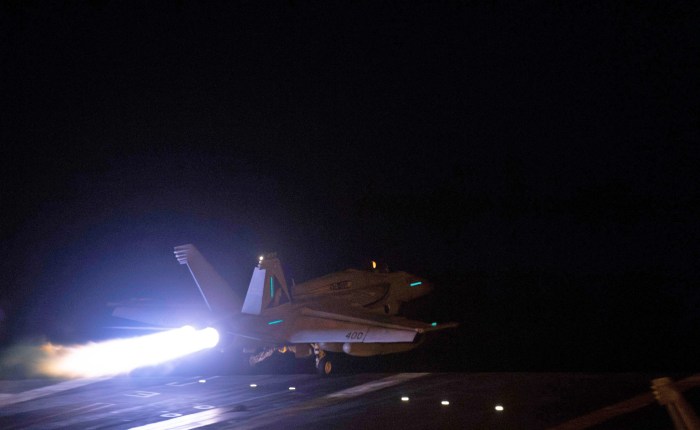
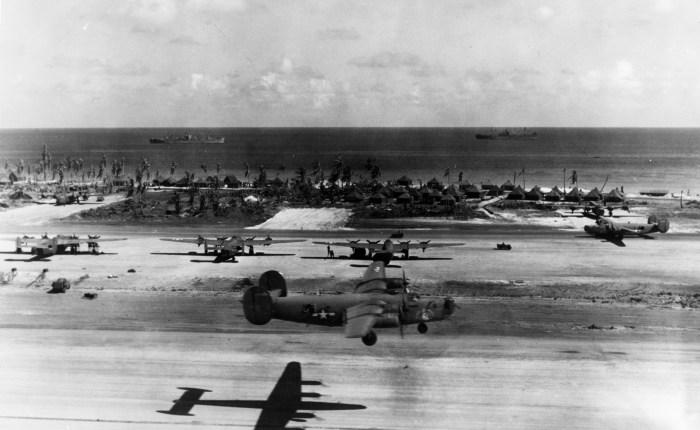
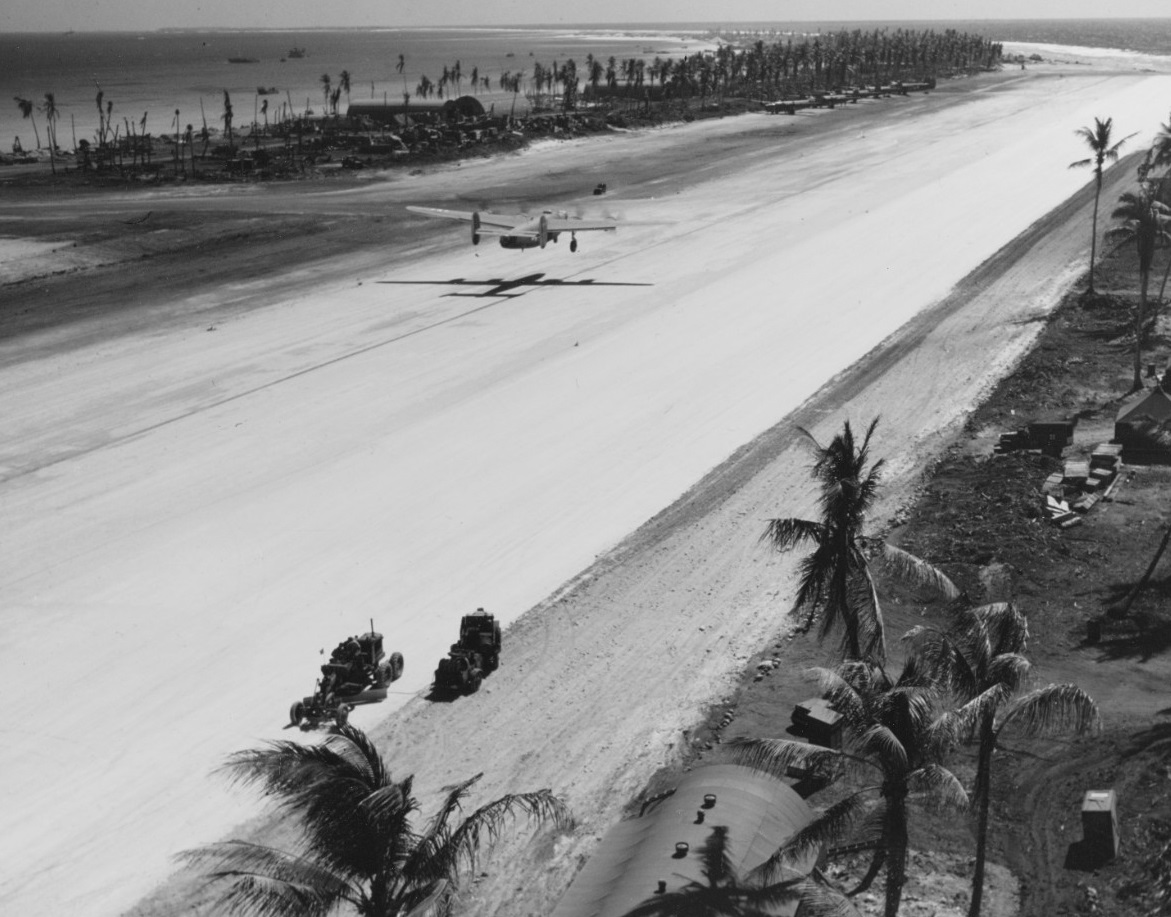
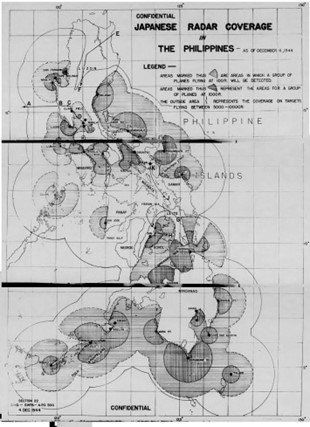
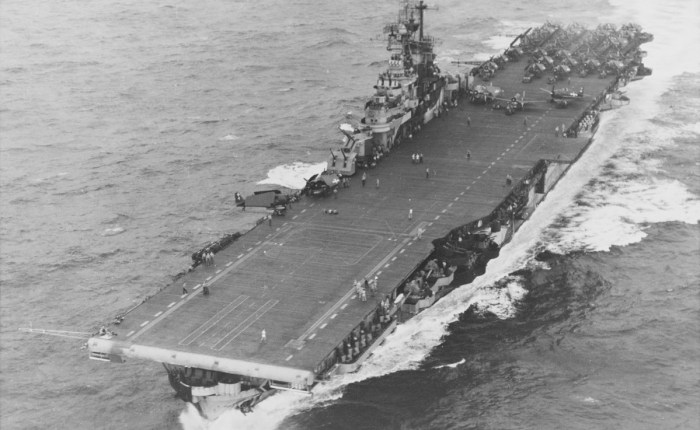
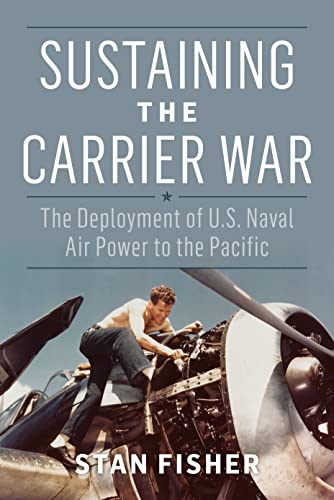
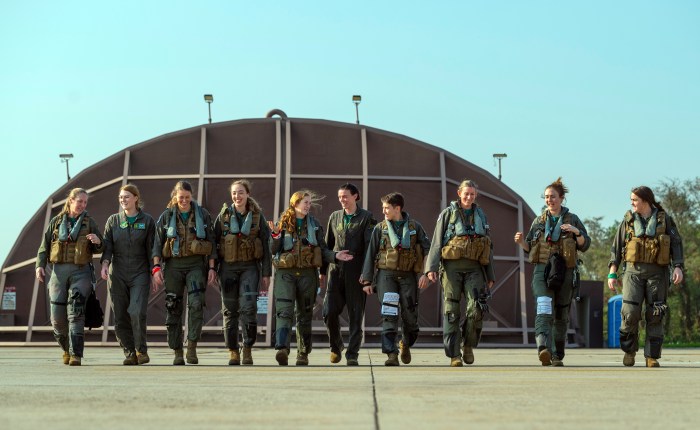
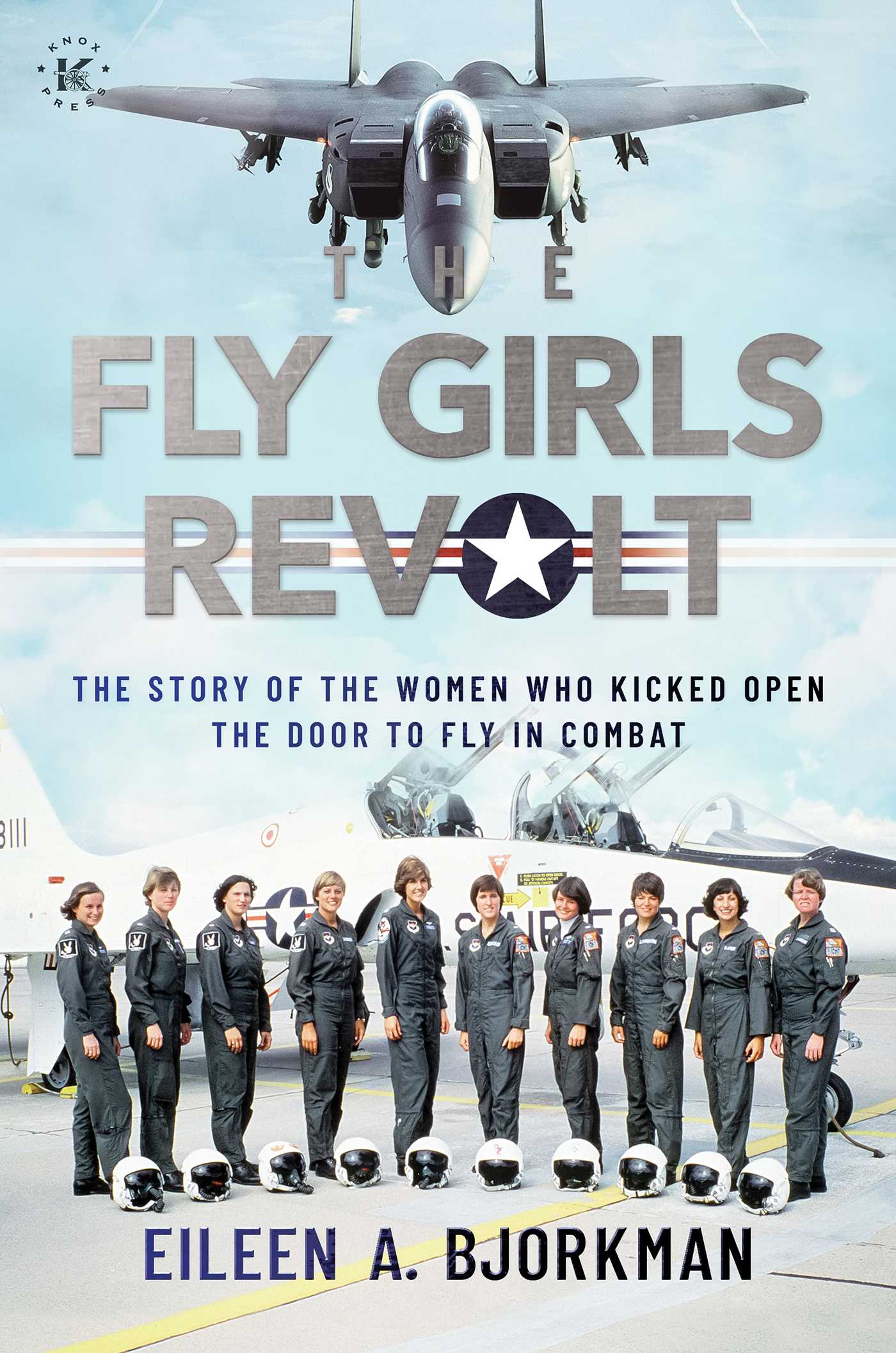


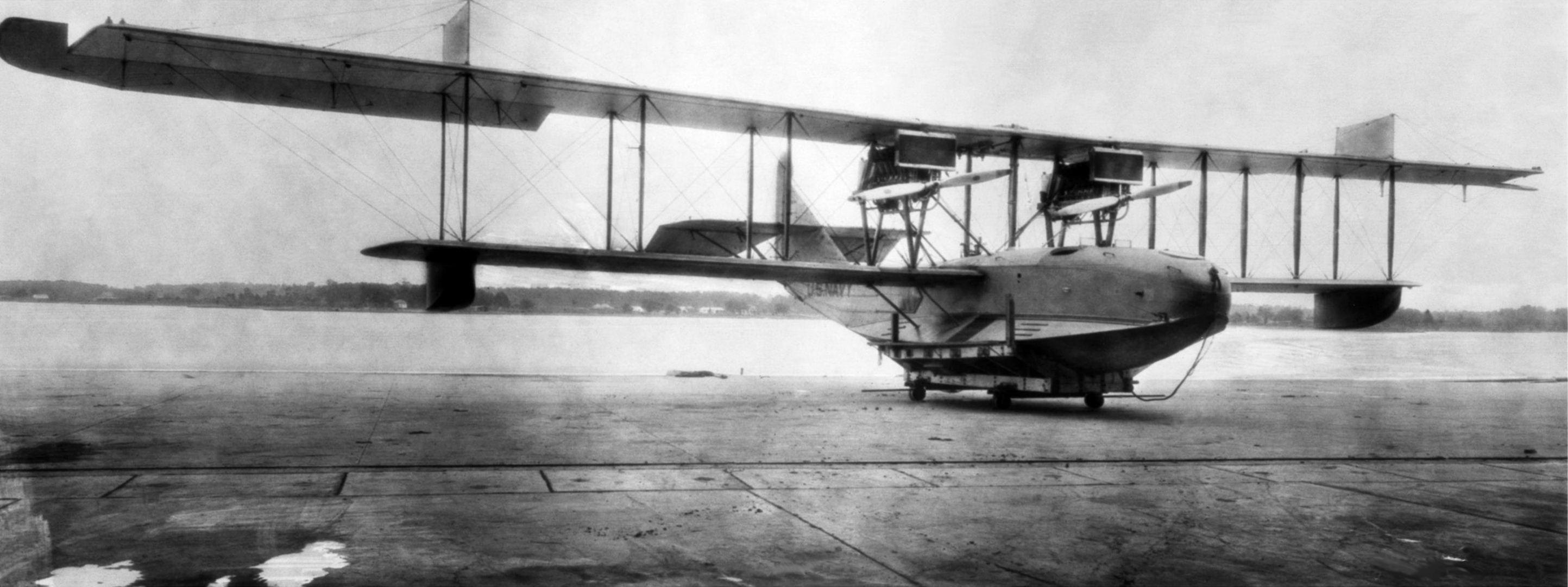
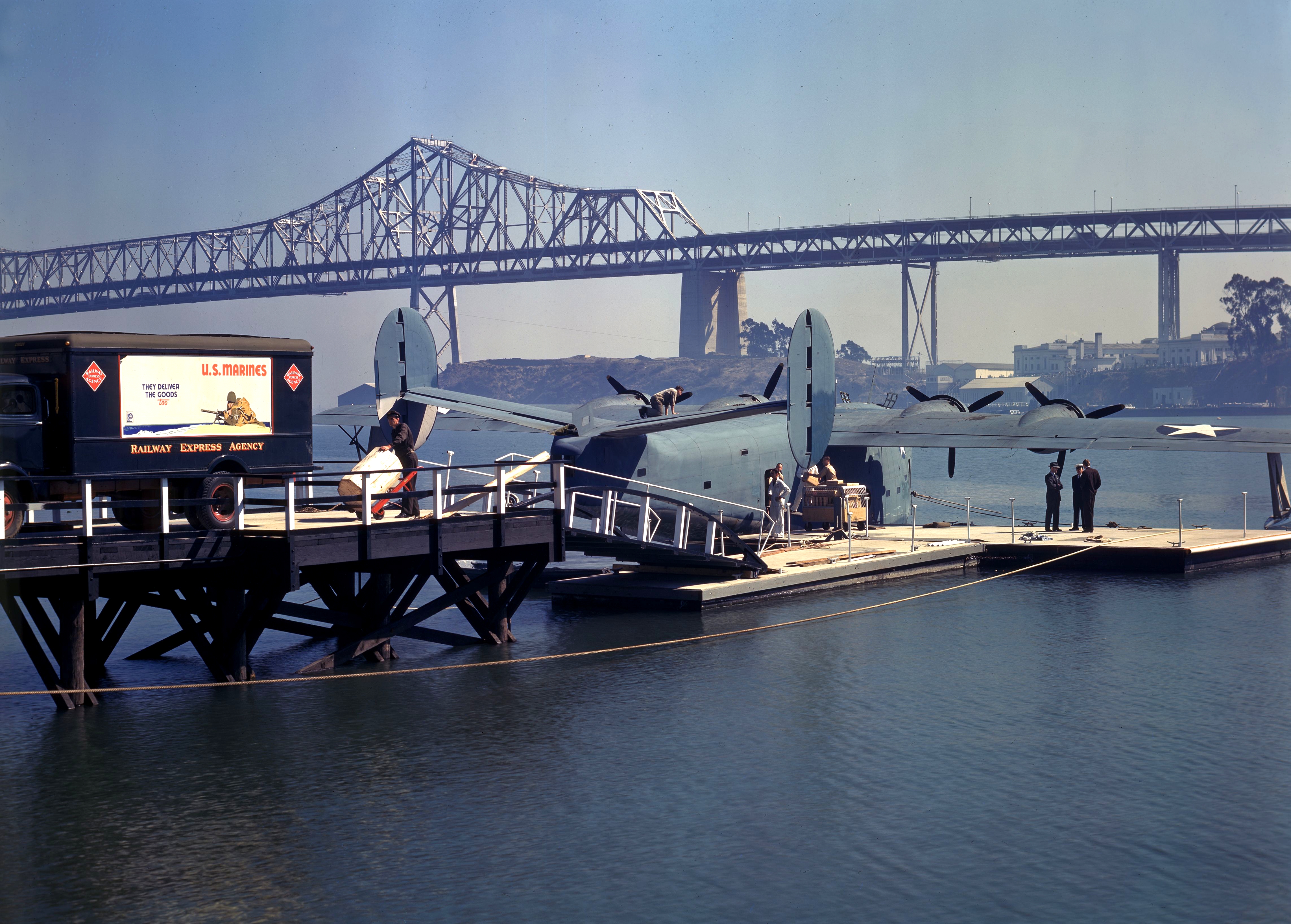

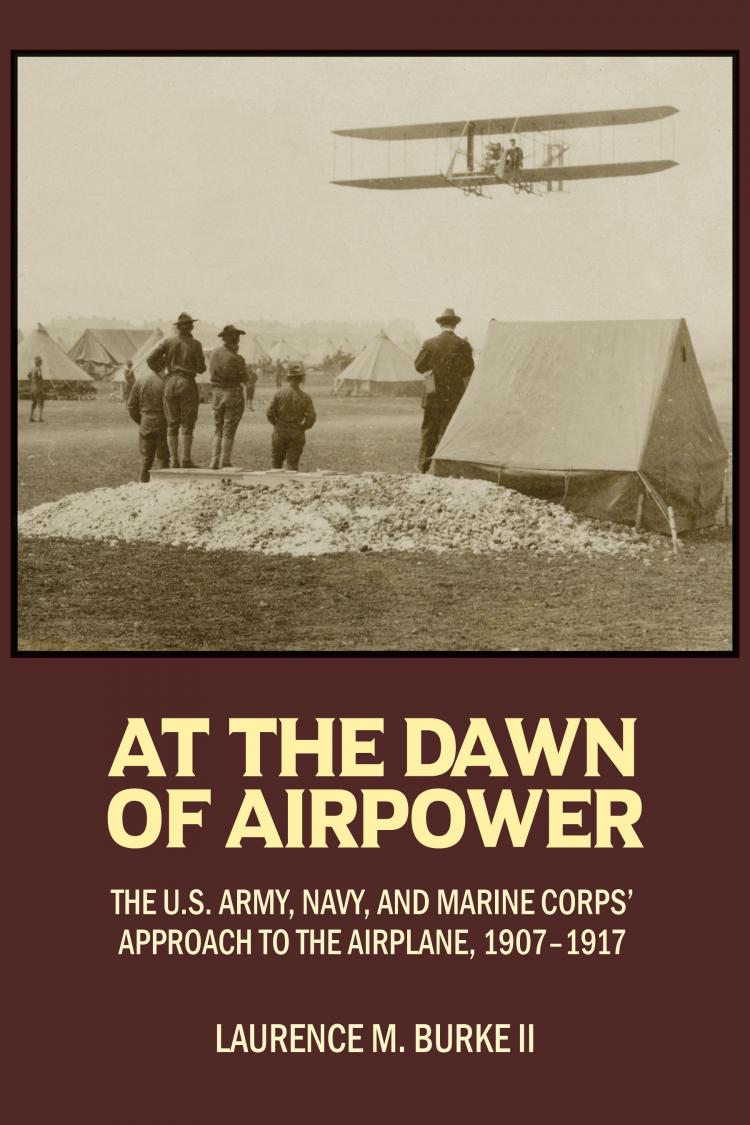



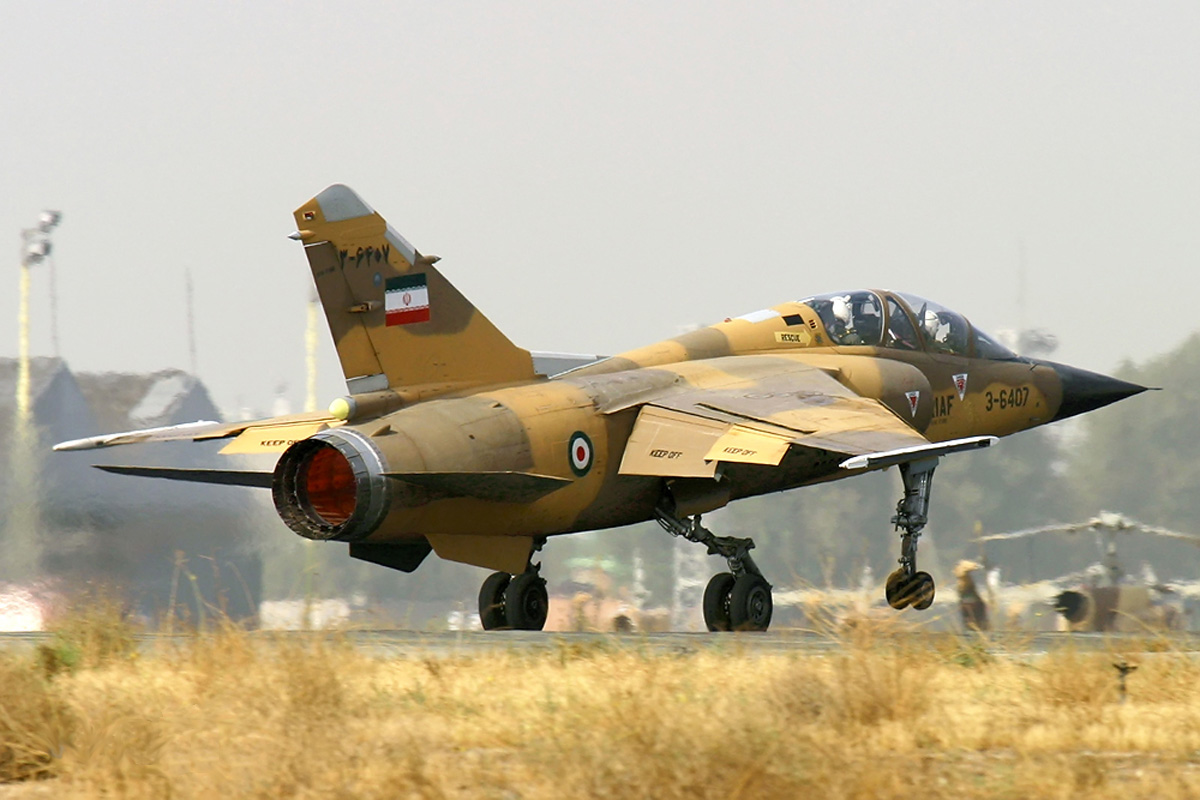
 From Balloons to Drones