Editorial note: This article first appeared on the author’s website. It has been reproduced here with permission.
During its existence from 1922 to 1997, the Royal Air Force (RAF) Staff College was located in several different places. When the Staff College was initially founded in 1922, it was located at Andover and remained there until the course was suspended in 1940. When the RAF reestablished its Staff College in late 1941, it did so at Bulstrode Park, Gerrards Cross. The first course at Bulstrode Park began in January 1942. It remained here until the Staff College transferred to Bracknell in 1945. At the same time as the move to Bracknell, a detachment of the Staff College remained at Gerrards Cross, and this eventually transferred to Andover in 1948. Bracknell was responsible for providing command and staff training to officers of the RAF, the United States Air Force, and members of the air forces of the ‘old’ Dominions. Andover provided command and staff training to members of the RAF and other foreign air forces. In 1965, it was announced that the two Staff Colleges would merge and be located in Bracknell. This eventually happened at the end of 1969. This is where the Staff College remained and eventually merged to become the Joint Services Command and Staff College in 1997.
This, however, is not the whole story. As well as its primary Staff College in the UK, the RAF also provided command and staff training in the Middle East at Haifa, Palestine (modern-day Israel), for four years. In 1940, the British Army established the Middle East Staff School, and in late 1941, they admitted RAF students to the No. 5 War Course. Then, from No. 6 War Course in early 1942, an RAF Wing was added to the Middle East Staff School.[1] During the No. 12 War Course in 1944, the RAF Wing became its own reporting unit, the RAF Staff College (Overseas).[2] It came under the administrative control of Air Headquarters Levant. The first Commandant was Air Commodore S.H.C. Gray, formerly the senior RAF instructor at the Middle East Staff School. The object of Haifa was to ‘train Staff Officers, not necessarily Commanders’ while the syllabus mirrored that undertaken at the Staff College back in the UK.[3] The last course, No. 16 War Course, took place in 1946 and ended in October. After this date, both the RAF Staff College and Army Staff College (the Middle East Staff School had been redesignated the Middle East Staff College in 1943) were disbanded.[4]
It is hard, without further research, to assess the impact of the RAF Staff College (Overseas) at Haifa, but it was clearly an important institution. As the then Wing Commander R.A. Mason (later Air Vice-Marshal Professor Tony Mason) noted in 1972, ‘the constant opportunities for joint service studies [at Haifa] conferred no small advantage on the Middle Eastern College over its Gerrards Cross counterpart.’[5] However, Mason’s conclusion was not his own, and context is important here. As the RAF Staff College prepared to commemorate the 50th Anniversary of its establishment, two publications appear to have been commissioned to detail the history of the institution.[6] The first was a history of the Staff College, written by Mason and widely cited by historians since. However, his was not the only volume commissioned. Another volume of the history of the Staff College at Haifa was also commissioned. Squadron Leader D.J. Read wrote this. This history detailed the Staff College at Haifa, but, unlike Mason’s more widely known counterpart, it is not widely cited. Indeed, I know of several copies in the library at the RAF Museum and a copy at the National Archives at Kew.[7] Importantly, while Mason details Haifa in his history, he is indebted to Read’s history.[8] For example, while Mason noted the importance of ‘jointery’ at Haifa, it was Read who reflected that:
Sometime in the future 2, or all 3, of Britain’s armed forces may well decide to combine their Staff Colleges into one establishment. If and when this occurs there may well be a temptation to acclaim the occurrence as a ‘first’. But perhaps someone will be around to remind the publicists that, for a few years in the mid-1940s, the Army and Royal Air Force had co-located Staff Colleges at The Telsch Hotel on Mount Carmel, Haifa.[9]
Of course, the Staff Colleges of the RAF, British Army and Royal would eventually amalgamate to form the Joint Services Command and Staff College, originally located on the site of the RAF Staff College at Bracknell.
Dr Ross Mahoney is an independent scholar specialising in the history of war, with a particular focus on the use of air power and the history of air warfare. He is the Editor-in-Chief of From Balloons to Drones and currently the Senior Historian within the Heritage Policy team at Brisbane City Council in Australia. He has nearly 20 years of experience in the education, museum and heritage sectors in Australia and the United Kingdom, including serving as the inaugural Historian at the Royal Air Force Museum between 2013 and 2017. His other research interests are military leadership and command, military culture, and the history and development of professional military education. He also maintains an interest in transport history. He has published numerous articles, chapters and encyclopedia entries, edited two books, and delivered papers on three continents. His website is here.
Header image: Flying Officer C.L. Collings, Officer in charge of the Desert Air Force’s Anti-Malaria Control Unit, lectures to pilots and ground crew of No. 152 Squadron RAF on defence tactics against the disease, in front of one of the Squadron’s Supermarine Spitfire Mark VCs at Lentini East, Sicily, c. 1943. (Source: IWM (CNA 1235))
[1] Squadron Leader D.J. Read, The Royal Air Force Staff College at Haifa, 1942-46 (Bracknell: RAF Staff College, 1972), p. 1.
[3] ‘Annex C – Middle East Staff School – Joining Instructions for RAF Officers, 2 April 1943’ in Ibid., p. C-1; ‘Annex D – Middle East Air Order No. 1261 – Formation of RAF Staff College (Overseas), 30 September 1944’ in Ibid., p. D-1.
Randall Wakelam, David Varey and Emanuele Sica (eds.), Educating Air Forces: Global Perspectives on Airpower Learning. Lexington, KY: University Press of Kentucky, 2020. Hbk. Notes. Index. vii + 260 pp.
Air power history is dominated by accounts of operations, especially those of the First World War, the Second World War, and the Vietnam War. There is relatively little written about how air forces prepared for war. However, an inherent part of this preparation is how air forces have educated their aviators throughout history. As such, it is refreshing to read a volume dedicated to the subject of learning in air forces. Moreover, as the editors of the volume correctly write (p. 1), [i[f we accept that militaries are professions and that professions need education […] then we could reasonably want to know how militaries are educated and how well they perform this task.’
This edited volume is the outgrowth of a 2016 conference held at the Royal Military Academy of Canada on air power education. The book consists of 13 chapters organised into three chronological eras (the interwar years, the Cold War, and the post-Cold War). Many of the chapters were presented as keynote lectures at the 2016 conference. Several chapters, such as James Beldon and Peter Gray’s reflection on air power education in the modern Royal Air Force (RAF), were added for the publication of the volume (pp. 232-44). The addition of such chapters helps to round out the book and give shape to the subject.
Before examining some of the chapters, it is essential to recognise that, conceptually, this edited volume focuses on learning rather than solely on education. However, the latter is its main focus. This is an important distinction, as some of the chapters deal with educational establishments whose primary focus was training rather than education. As the editors relate, a tiered system of learning exists in military organisations that moves from training through to education (pp. 3-4). Nonetheless, for example, the chapters by Emanuele Sica (pp. 30-50) and John Farquhar (pp. 111-33) address institutions – the Accademia Aeronautica (Italian Air Force Academy) and the United States Air Force (USAF) Academy, respectively – whose primary focus is training. However, such institutions still have a broader educational role to play, and in this, we have a case of ‘Athens in Sparta,’ or a mix of skills-based training (Sparta) with broader education (Athens).
A review of this kind cannot hope to critique each chapter individually. As such, a couple of examples taken from each period will suffice. In the section on the interwar years, Sica examines the role that Giulio Douhet’s writing played in the education of the Regia Aeronautica (Italian Air Force) through the lens of the Accademia Aeronautica. In doing this, Sica presents a well-trodden subject – the writing of Douhet – in a new light. As Sica highlights, the place of Douhet in the development of his own country’s air force remains ‘open to debate’ (p. 43). Moreover, while the appointment of Italo Balbo in 1926 as undersecretary for air in the Italian government has been interpreted as ‘boon for Douhet’s fortune,’ the former’s policies illustrate the difficulty of assessing Douhet’s impact. This is born out in the teaching at the Accademia Aeronautica. As Sica argued, Douhet’s ‘ideas […] did not appear to gain wide acceptance, especially in the first years of the Italian Air Force Academy’ (p. 44).
In the section on the Cold War, the chapter by Richard Goette is of particular interest to this author, given the parallels between the Canadian and Australian experiences in the early years of the Cold War. Canada’s experience with creating its own Staff College is the subject of Goette’s chapter. However, it is worth noting that during the interwar years, both the Royal Canadian Air Force (RCAF) and the Royal Australian Air Force (RAAF) relied on the RAF to provide mid-level officer education through the RAF Staff College at Andover, the latter examined by Gray in his chapter (pp. 15-29). The experience of the Second World War led the RCAF and RAAF to establish their own staff colleges. Goette, however, points out (p. 103) that ‘[a]ir force education at the RCAF Staff College […] involved much more than studying and time spent in the classroom.’ Goette’s point here is important. Attendance at institutions such as staff colleges is about more than just formal learning; it is about the experience as a whole and the opportunity for socialisation, networking and the sharing of ideas amongst peers.
The establishment of the USAF School of Advanced Airpower Studies (now the School of Advanced Air and Space Studies (SAASS)) by the world’s preeminent air force is the subject of Harold Winton’s chapter. In this chapter, Winton compares SAASS with the interwar Air Corps Tactical School and examines five key areas of comparison: origins and purpose, faculty, curriculum, students, and significance (p. 154). In his conclusion, Winton rightly highlights that, in creating an institution for the ‘elite’ education of select officers in the form of SAASS, the USAF must ensure that its officers show ‘intellectual humility’ to prevent them from degenerating (p. 163) into ‘elites of privilege and entitlement.’ Conversely, Martin James discusses the role of education and the establishment of the Air Power Studies Centre (APSC) (now the Air and Space Power Centre) by the RAAF. In this, James highlights the importance of key stakeholders, notably, the Chief of the Air Staff (CAS), Air Marshal Ray Funnell, in supporting the establishment of APSC. Indeed, the role of such ‘champions’ needs to be more fully understood. For example, Marshal of the RAF Lord Cameron was instrumental in establishing the role of Director of Defence Studies for the RAF in 1977. The RAAF was fortunate in having a CAS, Funnell, who recognised that the study and writing of air power, including its doctrine, had been neglected (p. 170).
It is hard to criticise an edited work such as this, as it does not purport to be a comprehensive examination of air power learning. It could never hope to be, but it does offer a valuable insight into a much-underappreciated subject. However, the volume focuses on the experience of Western air forces. It would have been interesting to compare the experience of Western air forces in learning with that of non-Western countries. For example, discussing air power learning in communist countries such as the Soviet Union and China could highlight the role ideology played in officer education.
In conclusion, despite the author’s criticism above, the editors are to be commended for bringing this volume to fruition. The volume offers a starting point for any scholar researching learning in the military, generally, and in air forces specifically. It should be read by both scholars and practitioners who are interested in military learning.
Dr Ross Mahoney is an independent scholar specialising in the history of war, with a particular focus on the use of air power and the history of air warfare. He is the Editor-in-Chief of From Balloons to Drones and currently the Senior Historian within the Heritage Policy team at Brisbane City Council in Australia. He has 20 years of experience in the education, museum, heritage and government sectors in Australia and the United Kingdom, including serving as the inaugural Historian at the Royal Air Force Museum from 2013 to 2017. His other research interests are military leadership and command, military culture, and the history and development of professional military education. He also maintains an interest in transport history. He has published numerous articles, chapters and encyclopedia entries, edited two books, and delivered papers on three continents.
Header image: Ramslade House, the home of the RAF Staff College in Bracknell after the Second World War. (Source: Wikimedia)
Editorial note: This piece was originally drafted not long after the passing of Air Vice-Marshal Mason. However, several personal reasons led to a delay in its publication.
On 12 November 2023, Air Vice-Marshal Professor R.A. Mason, one of the doyens of air power studies, sadly passed away. Known as Tony by most who knew him personally and professionally, Mason can be considered one of the fathers of air power studies in the UK. As I have argued elsewhere, Mason was arguably the critical British air power thinker of the late 20th Century. From being the Royal Air Force’s (RAF) first Director of Defence Studies (DDefS) to his writing and commentary work, Mason was consistently at the forefront of the field until the 2010s. Indeed, his consistent commitment to the field and the length of his career made him stand out. He was also generous with his time and knowledge and always happy to share material with those who shared his interests.
Mason joined the RAF in 1956 and entered the Education Branch. He gradually rose through the ranks in his branch and undertook various assignments, including attending King’s College London, the United States Air War College and the RAF Staff College. Eventually, in 1976, Mason was informed that he would be the RAF’s first DDefS. Mason took up the role at the start of 1977. The position of DDefS was established due to the perceived state of thinking on air power within the RAF and public awareness of the Service’s role. In a letter to Air Officer Commanding-in-Chief Support Command, Air Marshal Sir Reginald Harland, Chief of the Air Staff, Air Chief Marshal Sir Neil Cameron noted that the position was being established ‘to help provide a new stimulus to air power thinking’ throughout the RAF.[1] This point was also emphasised in the terms of reference for the DDefS post, as there was a need to ‘write on air power and defence issues,’ which was to be encouraged.[2]
The establishment of the post of DDefS at the RAF Staff College at Bracknell and Mason’s perceived suitability for the role caused some debate. While this is not the place to consider that debate, the view of Mason’s successor, Group Captain Timothy Garden, is worth noting. Garden, a pilot and later Air Marshal Baron Garden, noted in 1982 in Air Clues that a colleague had questioned why he would want to take over what was perceived by 1982 as an ‘admin branch’ role. Garden reflected that the most appropriately qualified person should essentially hold the post to achieve its aims and that it ‘should not be the prerogative of any branch.’[3] That Garden, as a pilot, viewed the post in such a way was as much down to Mason’s hard work in the role as it was to the importance of the RAF’s intellectual development.
Mason nonetheless quickly sought to encourage discussion and debate and discussion about the role of air power within the service on taking up the role of DDefS. Despite the demise of the RAF Quarterly in 1977, Mason regularly contributed to Air Clues, which, up to the 1970s, had primarily been a technical publication for the RAF. In 1980, he established the Air Power Supplement to Air Clues, the spiritual ancestor to the RAF’s current professional flagship journal, Air and Space Power Review.[4] He also regularly contributed to other publications, such as The RUSI Journal. Perhaps his critical success in this period was organising an academic symposium in his first year in post. This symposium was entitled ‘Air Power in the Next Generation.’ It was well attended and laid the basis for similar endeavours by his successors. It was also published as Air Power in the Next Generation, co-edited with Edgar Feuchtwanger and published by The Macmillan Press in 1979. The book included contributions from the senior USAF, Luftwaffe, and Israeli officers, as well as civilian academics such as John Erickson. Much of Mason’s work started a process whereby his successors have continued to contribute to the collegiate intellectual development of the RAF through various schemes such as publications, conferences, and the management of defence fellowships.[5] Many former post-holders, such as Air Commodore (ret’d) Professor Peter Gray, are also notable for their contribution to developing British air power thinking through their engagement with academia after leaving the post of DDefS and the RAF.
Mason’s contributions to air power studies continued after moving on from the DDefS role. In 1983, Mason published Air Power in the Nuclear Age in conjunction with Air Marshal Michael Armitage. This publication helped cement Mason’s position as a leading air power thinker. As Marshal of the Royal Air Force Lord Cameron noted in the foreword to the book, ‘[t]he joint authors of this book are advanced and enlightened thinkers about the doctrine of air power as a vital and perhaps the most important element of modern and future warfare.’[6] This view was not hyperbole. For example, in his 1984 overview of air power literature, historian Richard Hallion described the book as an ‘excellent survey’ of the development of air power during the Cold War.[7] The book was updated as a second edition in 1985. Mason’s other notable works in this period were the edited book War in the Third Dimension and the establishment of the Brassey’s Air Power: Aircraft, Weapons Systems and Technology Series. This latter series was interesting because it was explicitly directed at developing an awareness of air power amongst junior military personnel.
After retiring from the RAF in 1989, Mason moved into academia. He became the Leverhulme Air Power Research Director for the Foundation for International Security and took up a post as a Senior Research Fellow at the Centre for Studies in Security and Diplomacy at the University of Birmingham, where he was director. In 1996, he was made an Honorary Professor of Aerospace Policy at the University of Birmingham.
In 1994, Mason published what might be considered his magnum opus, Air Power: A Centennial Appraisal. This book confirmed Mason’s place as one of Britain’s leading air power thinkers. In this book, Mason examined the development of air power between 1989 and 1994. In doing so, he took a historical approach to examine how air power developed in the years up to this period. Mason then conceptualised the period 1989 to 1994, focusing on several key themes, such as the place of air power in arms control. Notably, he sought to contextualise much of the then-contemporary debate about the role of air power in the First Gulf War. Perhaps the most significant aspect of the book lay in Mason’s conceptualisation of what he called ‘differential air power.’[8] In short, Mason argued that while many nations shared ideas around the implementation of air power, only one in 1994 might be able to fully apply the advantages afforded by air power – the US. Using the idea of differential air power, Mason explored why the US stood out as a unique user of air power capabilities. These were important views for the time; however, while the book remains a significant contribution to air power studies, given factors such as the rise of China in the 21st Century and the distributed use of off-the-shelf technology such as drones, it remains to be seen whether his view remains applicable. Nevertheless, Mason concluded that:
One enduring concept underlay all air power thinking and all operations from the first day of the century to the last, and will continue to do so. Any nation intent on going to war to pursue an interest or defend a principle must first secure the air above it.[9]
Mason’s book was well received at publication and has become a commonly cited work. In his 1995 review in The RUSI Journal, Garden described the book as ‘excellent [and] thought-provoking.’[10] Thomas Keaney, who had worked on the Gulf War Air Power Survey, noted that the book made an ‘important contribution to any discussion on the future of airpower in the United States or elsewhere’ in a 1996 review for the US Joint Forces Quarterly.[11] However, historian Philip Sabin, reviewing the book in the Journal of Strategic Studies in 1995, offered a more tempered view. While recognising that the book had certain strengths, particularly Mason’s ‘balanced insights into many of the controversial issues regarding air power,’ Sabin also highlighted the challenge of reading a book that was ‘dense and difficult to follow without careful reading.’[12]
After the publication of Air Power, Mason continued to contribute to both the public’s and the RAF’s understanding of air power through his continued contribution to publications.[13] He also served as an expert member of the House of Commons Defence Committee in the early 2000s and helped inform British defence policy. He was also an inveterate media commentator and was often called to provide expert opinion. Mason’s contribution to air power studies was wide-ranging. While he had retired several years before his passing, his expertise will undoubtedly be sorely missed by many air power scholars for decades to come.
Dr Ross Mahoney is an independent scholar specialising in the history of war with particular reference to the use of air power and the history of air warfare. He is currently the Senior Historian within the Heritage Policy team at Brisbane City Council in Australia. He has nearly 20 years of experience in the education, museum and heritage sectors in Australia and the United Kingdom. Between 2013 and 2017, he was the inaugural Historian at the Royal Air Force Museum in the UK. In Australia, he has worked as a Historian for the Department of Veterans’ Affairs and taught at the Strategic and Defence Studies Centre at The Australian National University based at the Australian War College. His research interests are focused on the history of war, specifically on the history of air power and air warfare, military leadership and command, military culture, and the history and development of professional military education. He also maintains an interest in transport history. He has published numerous articles, chapters and encyclopedia entries, edited two books, and delivered papers on three continents. His website is here, and he can be found on Twitter at @airpowerhistory.
Header image: Ramslade House, the home of the RAF Staff College in Bracknell when Mason took up the role of Director of Defence Studies. (Source: Wikimedia)
[1] Author’s Personal Collection, Letter from the Chief of the Air Staff to AOC-in-C Support Command, 2 November 1976. I am grateful to the late Air Vice-Marshal Professor R.A. Mason for a copy of this and other documents linked to the establishment of the DDefS post.
[2] Author’s Personal Collection, Terms of Reference for Director of Defence Studies appended to a Letter from the Chief of the Air Staff to AOC-in-C Support Command, 2 November 1976, p. 1.
[3] Group Captain Timothy Garden, ‘Why don’t we forget Defence Studies and get on with the job?’ Air Clues 36, no 10 (1982), p. 364.
[4] Air Vice-Marshal Tony Mason, ‘Air Power Review’s Place in RAF History,’ Air Power Review 21, no. 1 (2018), p. 10.
[5] For a variety of publications produced under the guidance of DDefS, see: Andrew Lambert and Arthur C. Williamson (eds.), The Dynamics of Air Power (London: HMSO, 1996); Stuart Peach (ed.), Perspectives on Air Power: Air Power in its Wider Context (London: The Stationary Office: 1998); Peter W. Gray (ed.), Air Power 21: Challenges for the New Century (London: The Stationary Office, 2000); Peter W. Gray and Sebastian Cox (eds.), Air Power Leadership: Theory and Practice (London: The Stationary Office, 2002).
[6] Marshal of the Royal Air Force Lord Cameron, ‘Foreword’ in M’J’ Armitage and R.A. Mason, Air Power in the Nuclear Age: Theory and Practice, Second Edition (Basingstoke: The Macmillan Press, 1985), p. vii.
[7] Richard Hallion, The Literature of Aeronautics, Astronautics, and Air Power (Washington DC: Office of Air Force History, 1984), p. 36.
[8] Tony Mason, Air Power: A Centennial Appraisal (London: Brassey’s, 1994), pp. 235-278.
[10] Timothy Garden, ‘Book Reviews – Air Power: A Centennial Appraisal,’ The RUSI Journal 140, no. 3 (1995), p. 60.
[11] Thomas Keaney, ‘A Jubilee for Airmen: A Book Review,’ Joint Forces Quarterly 11 (1996), p. 134
[12] Philip Sabin, ‘Book Review – Air Power: A Centennial Appraisal,’ Journal of Strategic Studies 18, no. 4 (1995), pp. 141-2.
[13] For example, see: Tony Mason, ‘British Air Power’ in John Andreas Olsen (ed.), Global Air Power (Dulles, VA: Potomac Books, 2011), 7-62; R.A. Mason, ‘The Response to Uncertainty’ in John Andreas Olsen (ed.), European Air Power: Challenges and Opportunities (Dulles, VA: Potomac Books, 2014), pp. 215-30; Mason, ‘Air Power Review’s Place in RAF History,’ pp. 10-1.
Editorial note: In this series, From Balloons to Drones highlights research resources available to researchers. Contributions range from discussions of research at various archival repositories to highlighting new publications. As part of this series, we are bringing you a monthly precis of recent articles and books published in air power history. This precis will not be exhaustive but will highlight new works published in the preceding month. Publication dates may vary around the globe and are based on those provided on the publisher’s websites. If you would like to contribute to the series, please contact our Editor-in-Chief, Dr Ross Mahoney, at airpowerstudies@gmail.com or via our contact page here.
Articles
Donald Bishop and Erik R. Limpaecher, ‘Looking Bakc from the Age of ISR: US Observation Balloons in the First World War,’ Air Power History 68, no. 3 (2021).
No abstract provided.
Patrick Luiz Sullivan De Oliveira, ‘Transforming a Brazilian aeronaut into a French hero: Celebrity, spectacle, and technological cosmopolitanism in the turn-of-the-century Atlantic,’ Past & Present (2021). https://doi.org/10.1093/pastj/gtab011
This article explains how the Brazilian Alberto Santos-Dumont, who at the turn of the twentieth century became the first global celebrity aeronaut, operated as a symbol of ‘technological cosmopolitanism’ — a world view that ostensibly promoted a vision of global unity through technology-enabled exchanges while simultaneously reproducing a core-periphery imagined geography that threatened to erase marginalized populations. Technological cosmopolitanism fitted snugly within the rubric of the Third Republic’s aspiring universalism, which assumed that France offered a model to be emulated around the world, but it was not hegemonic. If for the French appropriating Santos-Dumont meant safeguarding France’s leadership in aeronautics and assuaging their claims of universality, for Brazilians the elision was marked by ambiguity. Brazil’s First Republic hungered for heroes, and authorities saw Santos-Dumont as a symbol of modernity that showed that its place in world history was more than peripheral, even though that very vision was shaped by a Paris-centric world view. But marginalized Afro-Brazilians also found ways to appropriate a white ‘Frenchified’ Brazilian and reimagine their place in a cosmopolitan order. Technological cosmopolitanism evoked a world united by transportation, communication and exchange, but imagining who got to construct and partake in that community was a process continuously marked by erasures and reinsertions.
A. Garcia, ‘The South African Air Force in Korea: an evaluation of 2 Squadron’s first combat engagement, 19 November until 2 December 1950,’ Historia 66, no. 2 (2021).
South African participation in the Korean War (1950–1953) in direct support of an international military offensive led by the United States of America demonstrated the National Party administration’s commitment to opposing Communism. This article details how the deployment of South African Air Force 2 Squadron achieved the strategic objectives of the South African government in supporting the anti-communist United States-led United Nations coalition in the Korean War. It evaluates the performance of South Africa’s Air Force in their first operational test since the Second World War. The combat operations discussed under the scope of this article include the first tactical engagement of 2 Squadron in support of the initial advance (19 November to 21 December) 1950 and then later, the retreat of the United Nations force.
William Head, ‘The Berlin Airlift: First Test of the U.S. Air Force,’ Air Power History 68, no. 3 (2021).
This article examines the development of precision guided munitions (PGMs) from the earliest proto-PGMs of the late 18th century to the miniaturised, semi-autonomous forms in present service. N R Jenzen-Jones and Jack Shanley trace the history of these revolutionary weapons and examine how their battlefield roles and real-world use cases have evolved over time.
T.B. Kwan, ‘“The effects of our bombing efforts”: Allied Strategic Bombing of the Japanese Occupied Territories during World War II,’ Air Power History 68, no. 3 (2021).
No abstract provided.
Wyatt Lake, ‘Origins of American Close Air Support,’ Air Power History 68, no. 3 (2021).
No abstract provided.
John G. Terino Jr., ‘Cultivating Future Airpower Strategists: On “Developing Twenty-First-Century Airpower Strategists”,’ Strategic Studies Quarterly 15, no. 4 (2021).
In 2008, Major General R. Michael Worden forecast specific challenges for airpower strategists including emerging technology, transnational terrorist organizations, an explosion of information power, budgets, and resourcing. His predictions have borne out in what the Air Force faces today, and Air University is responding, providing the next generation of airpower strategists.
Joseph B. Piroch and Daniel A. Connelly, ‘Six Steps to the Effective Use of Airpower: On “The Drawdown Asymmetry: Why Ground Forces Will Depart Iraq but Air Forces Will Stay”,’ Strategic Studies Quarterly 15, no. 4 (2021).
Then-Lieutenant Colonel Clinton S. Hinote’s 2008 analysis of the Iraq drawdown and the continued role of airpower in that conflict serves as a foundation for six steps to the effective use of airpower today.
Thomas Wildenberg, ‘Col. Thomas L Thurlow and the Development of the A-10 Sextant,’ Air Power History 68, no. 3 (2021).
No abstract provided.
Books
Phil Haun, Colin Jackson, and Tim Schultz (eds.), Air Power in the Age of Primacy: Air Warfare since the Cold War (Cambridge: Cambridge University Press, 2021).
Since the end of the Cold War the United States and other major powers have wielded their air forces against much weaker state and non-state actors. In this age of primacy, air wars have been contests between unequals and characterized by asymmetries of power, interest, and technology. This volume examines ten contemporary wars where air power played a major and at times decisive role. Its chapters explore the evolving use of unmanned aircraft against global terrorist organizations as well as more conventional air conflicts in Bosnia, Kosovo, Afghanistan, Iraq, Lebanon, Libya, Yemen, Syria, and against ISIS. Air superiority could be assumed in this unique and brief period where the international system was largely absent great power competition. However, the reliable and unchallenged employment of a spectrum of manned and unmanned technologies permitted in the age of primacy may not prove effective in future conflicts.
Mark Lardas, Truk 1944–45: The Destruction of Japan’s Central Pacific Bastion (Oxford: Osprey Publishing, 2021).
A fully illustrated history of how the US Navy destroyed Truk, the greatest Japanese naval and air base in the Pacific, with Operation Hailstone, and how B-29 units and the carriers of the British Pacific Fleet kept the base suppressed until VJ-Day.
In early 1944, the island base of Truk was a Japanese Pearl Harbor; a powerful naval and air base that needed to be neutralized before the Allies could fight their way any further towards Tokyo. But Truk was also the most heavily defended naval base outside the Japanese Home Islands and an Allied invasion would be costly. Long-range bombing against Truk intact would be a massacre so a plan was conceived to neutralize it through a series of massive naval raids led by the growing US carrier fleet. Operation Hailstone was one of the most famous operations ever undertaken by American carriers in the Pacific.
This book examines the rise and fall of Truk as a Japanese bastion and explains how in two huge raids, American carrier-based aircraft reduced it to irrelevance. Also covered is the little-known story of how the USAAF used the ravaged base as a live-fire training ground for its new B-29s — whose bombing raids ensured Truk could not be reactivated by the Japanese. The pressure on Truk was kept up right through 1945 when it was also used as a target for the 509th Composite Squadron to practise dropping atomic bombs and by the British Pacific Fleet to hone its pilots’ combat skills prior to the invasion of Japan.
David Nicolle and Gabr Ali Gabr, Air Power and the Arab World – Volume 5: The Arab Air Forces and the Road to War 1936-1939 (Warwick: Helion and Company, 2021).
The years immediately prior to the outbreak of the Second World War saw the earliest and the more recently established Arab Air Forces attempting to play a role on the regional if not yet on the world stage for the first time. It was a period when those Arab states which had real or merely theoretical independence were more or less allied with European countries that were gearing up to face the growing Fascist and Nazi threats. Unfortunately, these anti-Fascist and anti-Nazi countries were themselves the imperial powers, France and the United Kingdom, which were still seeking to maintain their domination of the greater part of the Arab World. To say that this complicated the situation, and strained the loyalties of the men of the newly emergent Arab air forces would be an understatement.
Volume 5 of the Air Power and the Arab World series, therefore, seeks to shed light on a difficult and widely misunderstood time. It draws upon decades of research, including previously unpublished interviews with men now dead, archive sources than have never before been translated into a European language, and material which, though available in obscure Arabic publications, has been almost entirely neglected by aviation historians.
This volume is richly illustrated with specially commissioned colour artworks illustrating the aircraft flown by the air forces in the Arab world during this dynamic period of time.
Editorial note: In this series, From Balloons to Drones highlights research resources available to researchers. Contributions range from discussions of research at various archival repositories to highlighting new publications. As part of this series, we are bringing you a monthly precis of recent articles and books published in air power history. This precis will not be exhaustive but will highlight new works published in the preceding month. Publication dates may vary around the globe and are based on those provided on the publisher’s websites. If you would like to contribute to the series, please contact our Editor-in-Chief, Dr Ross Mahoney, at airpowerstudies@gmail.com or via our contact page here.
Articles
John Alexander, ‘The Worsted Manufacturer, Roderick Hill and ‘the most courageous decision of the War’: The Decision to Reorganise Britain’s Air Defence to Counter the V-1 Flying Bomb,’ RAF Air and Space Power Review 23, no. 1 (2021).
The first four V-1 flying bombs crossed the Channel in the early hours of 13 June 1944, exactly one week after D-Day; none were engaged and one reached Bethnal Green killing four people. When overnight 15/16 June the German Air Force launched 244 V-1s against London, the long-planned British counter V-1 defences, consisting of fighter, gun and balloon belts, brought down only thirty-three V-1s, including eleven shot-down by anti-aircraft (AA) guns, and seventy landed on London. This paper explores the decision to reorganise Britain’s Air Defence during this crucial stage of the War.
Orazio Coco, ‘The Italian Military Aviation in Nationalist China: General Roberto Lordi and the Italian Mission in Nanchang (1933–1937),’ The International History Review (2021). DOI: 10.1080/07075332.2021.1984277
On 7 September 1933, military officers of the Italian Air Force led by Colonel Roberto Lordi departed from Naples to reach China with the task, agreed upon by Italian fascist and Chinese nationalist governments, of building a factory assembling Italian-made aircraft and training pilots for the Republic of China. The mission was stationed at Nanchang, in today’s Jiangxi province. The initiative was developed in competition with a similar American mission, which had operated since 1932 in Hankou, in the Hubei province, at the time led by Colonel John H. Jouett. The Italian government won Chiang’s attention with the agreement to use the military airfield and Italian aircraft against the Communist resistance, which pleased the expectations of the Generalissimo. In April 1934, the headquarters of the Chinese military aviation finally moved to Nanchang. The mission’s commander, Roberto Lordi, was promoted Brigadier General of the Italian Royal Air Force and appointed Chief of Staff of the Chinese Air Force. This article presents, through extensive use of unpublished private and public archive documents, the controversial history of the Italian military mission and unveils the circumstances that changed the fortune of that successful story, as well as the career and personal life of its commander.
Steven Paget, ‘The ‘Eeles Memorandum’: A Timeless Study of Professional Military Education,’ RAF Air and Space Power Review 23, no. 1 (2021).
Examinations of historical examples are an important element of the professional military education debate and demonstrate the enduring nature of some of the necessary considerations. Air Commodore Henry Eeles, the Commandant of Royal Air Force (RAF) College Cranwell between August 1952 and April 1956 wrote a prescient report in 1955. The military, political and social changes that were occurring have some parallels to the contemporary context, including expectations about access to higher education and the introduction of new technology, which was viewed as leading to an era of so-called ‘push button warfare’. Eeles was also cognisant of issues such as balance, time and life-long learning that are just as pertinent today as in 1955. The context and content of the report has ensured that it has enduring relevance for the RAF.
Matthew Powell, ‘Royalties, Patents and Sub-Contracting: The Curious Case of the Hawker Hart,’ RAF Air and Space Power Review 23, no. 1 (2021).
Aircraft procurement by the Air Ministry in the inter-war period was beset by various problems, with numerous solutions proposed in an attempt to resolve them. One such potential solution was the proposal to sub-contract the production to other aircraft manufacturers within the Air Ministry’s ring of firms who were allocated firm orders. This action by the Air Ministry, it was believed, would spread the technical knowledge of aircraft production to a wider base that could be built upon in a time of national emergency or war. This approach was also a way of ‘artificially’ keeping firms alive where they had been unsuccessful in being awarded contracts. Such a scheme would, from the industry’s perspective, however, lead to less orders for firms successful in aircraft design and allow the potential sharing of industry secrets amongst direct competitors.
Richard Worrall, “Bumps along “The Berlin Road”’: Bomber Command’s forgotten Battle of Hanover, September-October 1943,’ RAF Air and Space Power Review 23, no. 1 (2021).
The many accounts on RAF Bomber Command follow the usual chronology of the ‘Main Offensive’ against Germany throughout 1943/4, with a linear progression from the Battle of the Ruhr, to the Battle of Hamburg, to the Battle of Berlin. Yet adopting this approach is problematic. The Battle of Berlin was halted by Harris in mid-September only to be recommenced in mid-November, but it, therefore, begs the simple question: what was Bomber Command doing during the interim ten weeks? Harris’ force was far from inactive during this time, in which the centrepiece was the ‘Battle of Hanover’ that comprised four heavy-attacks in twenty-six days. This article identifies what happened during this period of the ‘Main Offensive’, to suggest why this ‘bomber battle’ has remained forgotten, highlighting how Bomber Command’s experiences over Hanover revealed its limitations at this critical stage of the bombing war.
Books
Tony Fairbairn, The Mosquito in the USAAF: De Havilland’s Wooden Wonder in American Service (Barnsley: Pen and Sword, 2021).
On 20 April 1941, a group of distinguished Americans headed by the US Ambassador to the United Kingdom, John Winant, and which included Major General Henry ‘Hap’ Arnold, Chief of the US Army Air Corps, visited the de Havilland Aircraft Company’s airfield at Hatfield, England.
The party was there ostensibly to gain an insight into how various US aircraft supplied to Britain were performing, as well as to observe some of the latest British products being put through their paces. The eighteen types on display included both US and British bombers and fighters. But the star of the day was undoubtedly the de Havilland Mosquito.
Having first flown only a few months earlier, on 25 November 1940, the aircraft that was put through its paces was flown by none other than Geoffrey de Havilland. Striving to impress the trans-Atlantic visitors, de Havilland provided an outstanding display of speed and manoeuvrability. It was a routine that impressed the Americans and left them in no doubt as to the Mosquito’s abilities.
Though the visitors harboured doubts about an aircraft made of wood, they returned to the United States with full details of the design. The Mosquito had also caught the eye of Elliott Roosevelt, son of the US President and a serving officer in the USAAC. An early specialist in military aerial mapping and reconnaissance, ‘ER’ swiftly realized the value of the Mosquito in the reconnaissance role and began lobbying vigorously for its acquisition. The Air Ministry duly noted ‘ER’s’ interest and influence.
Following America’s entry into the war, formal requests for Mosquitoes began in earnest in 1942. Initial deliveries for evaluation purposes in the United States soon followed in June 1943, the aircraft initially being supplied by de Havilland Canada. From February 1944 a steady flow of the photographic reconnaissance version, from Hatfield, were provided to what would become the USAAF’s 25th Bomb Group at Watton, England. There they served with distinction in a variety of specialist roles, including day and night photography, weather reconnaissance, ‘chaff’ (Window) dropping, scouting for the bomber force, raid assessment, and filming of special weapons projects.
A number of these Mosquitoes, serving with the 492nd Bomb Group at Harrington, were involved in the so-called ‘Joan-Eleanor’ project, working with OSS secret agents on the Continent. Finally, in 1945, the USAAF received much-anticipated night fighter Mosquitoes which enjoyed combat success with the 416th Night Fighter Squadron in Italy.
In this highly illustrated work, the author explores the full story of why the Americans wanted Mosquitoes, how they went about obtaining them, and their noted success and popularity with USAAF units.
Michael Hankins, Flying Camelot: The F-15, the F-16, and the Weaponization of Fighter Pilot Nostalgia (Ithaca, NY: Cornell University Press, 2021).
Flying Camelot brings us back to the post-Vietnam era, when the US Air Force launched two new, state-of-the art fighter aircraft: the F-15 Eagle and the F-16 Fighting Falcon. It was an era when debates about aircraft superiority went public—and these were not uncontested discussions. Michael W. Hankins delves deep into the fighter pilot culture that gave rise to both designs, showing how a small but vocal group of pilots, engineers, and analysts in the Department of Defense weaponized their own culture to affect technological development and larger political change.
The design and advancement of the F-15 and F-16 reflected this group’s nostalgic desire to recapture the best of World War I air combat. Known as the “Fighter Mafia,” and later growing into the media savvy political powerhouse “Reform Movement,” it believed that American weapons systems were too complicated and expensive, and thus vulnerable. The group’s leader was Colonel John Boyd, a contentious former fighter pilot heralded as a messianic figure by many in its ranks. He and his group advocated for a shift in focus from the multi-role interceptors the Air Force had designed in the early Cold War towards specialized air-to-air combat dogfighters. Their influence stretched beyond design and into larger politicized debates about US national security, debates that still resonate today.
A biography of fighter pilot culture and the nostalgia that drove decision-making, Flying Camelot deftly engages both popular culture and archives to animate the movement that shook the foundations of the Pentagon and Congress.
Norman Ridley, The Role of Intelligence in the Battle of Britain (Barnsley: Pen and Sword, 2021).
The Battle of Britain was fought between two airborne military elites and was a classic example of pure attack against pure defence. Though it was essentially a ‘war of attrition’, it was an engagement in which the gathering, assessment and reaction to intelligence played a significant role on both sides.
In some respects, both the RAF and the Luftwaffe were hamstrung in their endeavours during the Battle of Britain by poor intelligence. The most egregious Luftwaffe blunder was its failure to appreciate the true nature of Fighter Command’s operational systems and consequently it made fundamental strategic errors when evaluating its plans to degrade them. This was compounded by the Luftwaffe’s Intelligence chief, Major Josef ‘Beppo’ Schmid, whose consistent underestimation of Fighter Command’s capabilities had a huge negative impact upon Reichsmarschall Göring’s decision-making at all stages of the conflict.
Both the Luftwaffe and the RAF lacked detailed information about each other’s war production capacity. While the Luftwaffe did have the benefit of pre-war aerial surveillance data it had been unable to update it significantly since the declaration of war in September 1939. Fighter Command did have an distinct advantage through its radar surveillance systems, but this was, in the early stages of the conflict at least, less than totally reliable and it was often difficult to interpret the data coming through due to the inexperience of many of its operators. Another promising source of intelligence was the interception of Luftwaffe communications.
It is clear that the Luftwaffe was unable to use intelligence as a ‘force multiplier’, by concentrating resources effectively, and actually fell into a negative spiral where poor intelligence acted as a ‘force diluter’, thus wasting resources in strategically questionable areas. The British, despite being essentially unable to predict enemy intentions, did have the means, however imperfect, to respond quickly and effectively to each new strategic initiative rolled out by the Luftwaffe.
The result of three years intensive research, in this book the author analyses the way in which both the British and German Intelligence services played a part in the Battle of Britain, thereby attempting to throw light on an aspect of the battle that has been hitherto underexposed to scrutiny.
Stephen Wynn, Hitler’s Air Defences (Barnsley: Pen and Sword, 2021).
The first Allied bombing raid on Berlin during the course of the Second World War, took place on 7 June 1940, when a French naval aircraft dropped 8 bombs on the German capital, but the first British raid on German soil took place on the night of 10/11 May 1940, when RAF aircraft attacked Dortmund.
Initially, Nazi Germany hadn’t given much thought about its aerial defences. being attacked in its ‘own back yard’ wasn’t something that was anticipated to be an issue. Germany had been on the offensive from the beginning of the war and Hitler believed that the Luftwaffe was the much stronger air force.
In addition, from 1939-1942, the Allied policy of aerial attacks on German soil was to hit targets with a distinct military purpose, such as munitions factories, airfields etc. This meant that the Germany military could focus where they placed their anti-aircraft batteries and had a very good idea of how many they would need.
However, Germany’s defensive capabilities were forced to improve as Allied raids on towns and cities increased in size and frequency. Fighter aircraft were included as part of anti-aircraft defences and flak units mastered the art of keeping attacking Allied aircraft at a specific height. This made it more difficult for them to identify their specific targets, and easier for German fighter aircraft to shoot them down before they could jettison their bomb loads.
With the Allied tactic of ‘area bombing’, Germany’s anti-aircraft capabilities became harder to maintain as demand increased. The longer the war went on, along with the increased Allied bombing raids, sometimes involving more than 1,000 bomber aircraft, so the worth and effectiveness of German air-defences dwindled.
Let us not be zealots. Let us not plunge thoughtlessly from the old and known to the new and untried. Let us not claim that the airplane has outmoded all other machines of war. Rather, let us be content with an evident truth: The air force has introduced a new and different means of waging war. (p. 85)
Haywood Hansell
As Hansell highlighted, air power revolutionised war by allowing the focusing of force on the enemy’s vulnerable areas without having to meet its forces ‘in the field’. There are now a few essential books on strategic bombardment that provide historical depth to its development primarily during the Second World War. Works such as Bombers and the Bombed – Allied Air War Over Europe by Richard Overy, Among the Dead Cities by A.C. Grayling, and Air Power and Warfare – A Century of Theory and History by Tami Davis Biddle provide a rich contextual background within which Phil Haun’s compilation sits.
Phil Haun has compiled the lectures of the Air Corps Tactical School (ACTS) as a means of capturing some of the primary sources that led to the development of the American approach to strategic bombardment. The theories focused specifically on high altitude daylight precision bombing (HADPB). The lectures in Haun’s work were developed during the formative period of air power, following on from the landmark work, Command of the Air, by Giulio Douhet, which advocated for the use of air power for strategic bombardment of civilian populations and cities on the assumption that it would destroy morale and force populations to capitulate. Douhet’s work focused on the importance of gaining command of the air and the direction of air power to particular targets.
What makes Haun’s compilation compelling, and its most significant contribution to the study of air power is that it preserves nascent thinking about how to put novel theories into practice. The work also highlights the perennial struggle between the development of strategic air power – to ostensibly use air power as a means to victory on its own – or the development of air power capabilities that primarily support naval and land forces. Although the technology has developed beyond what the authors of these lectures could have imagined, their ideas and arguments have a direct link and relevance to conceptions of strategic strike, and bombardment in depth. For example, Major – later General – Muir Fairchild’s discussion of the ‘National Economic Structure’ (pp. 140-64) in his 5 April 1939 lecture to the ACTS finds resonance in the targeting of Daesh oil and cash stores during Operation INHERENT RESOLVE as a means to removing the economic support to its military operations in Iraq and Syria. This compilation of lectures is recommended for military professionals, and students of military history and air power, who want access to primary sources that demonstrate the fundamental ideas on strategic bombardment and how air power could be used independently as a means of forcing the rapid capitulation of the enemy.
The book is comprised of several lectures delivered at ACTS at Maxwell Field, Alabama, between 1936 and 1940, and demonstrates the development of American logic and assumptions regarding the best use of a new capability – aerial bombardment – to achieve strategic outcomes. In his ‘Notes on the Text’ (pp. xv-xvi), Haun explained the criteria he used to select the ten lectures published in the book. First, the lectures were the most quoted in subsequent publications on U.S. strategic bombardment and were therefore considered by Haun to be the most important. Second, the lectures demonstrated the most mature thinking on the theory of American strategic bombing before the entry of the United States into the Second World War in December 1941. Third, these lectures were delivered to the largest number of students at ACTS between 1938 and 1941. Fourth, the students mentioned above became the officers who planned and conducted bombardment in Germany and Japan. Fifth, there were the best-preserved lectures. Finally, and pragmatically, not all ACTS lectures could be physically included in a single volume work.
The Air Corps Tactical School (created as the Air Service Field Officers School in 1920) went beyond its mandate of training officers to also become an engine for air power theory development in the interwar period. (Source: US Air Force Air University)
The lectures were delivered by officers who were experienced aviators, and some had tertiary qualifications, though only a few had combat experience. Only a few, such as Major – later Lieutenant-General – Harold George and Fairchild, had completed some professional military education. This does not distract from the utility of the lectures presented here, as they demonstrate a practitioner’s approach to wrestling with the dilemma of how to maximise the utility of a new weapon of war, and to avoid the protracted stalemate on the Western Front only 20 years before the time these lectures were written.
Haun’s introductory sections to the book provide an overview of the development of air power theory during the inter-war period. Aside from Douhet, the most important ideas that influenced the development of air power theory in the United Kingdom and the United States can be traced to a few individuals. Major-General Hugh Trenchard became the first Chief of the Air Staff of the newly established Royal Air Force in 1918. He influenced the development of British strategic bombardment theory, principally reference to attacking the enemy’s morale, which was not as blunt as Douhet’s advocacy for the bombing of the civilian population. Brigadier General William ‘Billy’ Mitchell proposed the creation of an independent air service alongside his ideas on strategic bombardment that focused on the selection of targets that would most quickly degrade the enemy’s capacity to fight and therefore shorten the war. The inter-war theorists minimised discussion about the effect of bombardment on the civilian population, with the practice of bombardment of cities by both sides in the Second World War. This culminated in dropping of the atomic bomb on Nagasaki and Hiroshima in 1945. The effectiveness of strategic bombardment of cities remains a subject of enduring controversy.[1]
The first two chapters provide an elucidation of the understanding of strategy, air power, and warfare as held by the lecturers. The enduring nature of war is discussed or mentioned in these chapters, such as Captain – later Major General – Haywood Hansell’s statement that:
War is a furtherance of national policy by violence. Since nations find the real fulfilment of their policies in peace, the real object of war is not the continuance of violence, but the establishment of a satisfactory peace.’ (p. 75)
The authors of these lectures also grappled with the industrialised nature of warfare that was so grimly demonstrated on the Western Front from 1914 to 1918. George, in ‘An Inquiry into the Subject of “War”,’ noted what he perceived to be the increased vulnerability of industrialised societies, due to their:
[s]usceptibility to defeat by the interruption of this economic web […] connected therewith is the industrial fabric which is absolutely essential for modern war. (p. 43)
This theme is continued and further examined by Fairchild’s lectures in chapters five and six.
Perhaps the least relevant lectures are those in chapter three, which are very technical and limited to the capabilities available at the time the lectures were written. Lieutenant – later Brigadier General – Kenneth Walker’s ‘Driving Home the Bombardment Attack’ discussed the tactics and formations that he considered the most effective for the bomber force to penetrate enemy air defence. They represent rudimentary ideas that were yet to be tested. Haun commented that Walker’s ideas proved to be right in that bomber formations successfully penetrated air defences, yet only focused on single raids rather than the cumulative effect of aerial attacks over time (p. 98). Major Frederick Hopkins’ lecture, ‘Tactical Offense and Tactical Defense’ considered the attrition rate of the bomber force and consequent ability to conduct offensive bomber operations. These lectures discuss the tactical viability of the bomber force and its impact on successful offensive bombing operations. However, they did not account for the development of radar, which had a dramatic impact on the effectiveness of bombardment, and was being developed at the time of their writing.
Captain – later General – Laurence Kuter’s lecture on the ‘Practical Bombing Probabilities’ considered several factors that determined the accuracy of delivery and effectiveness of bombardment. Kuter’s lecture was delivered in 1939 while the Norden bombsight continued in its development. Although the bombsight would not be used until the war, the concepts and ideas discussed by Kuter represented necessary rudimentary steps in thinking about bombardment accuracy. From the ‘Practical Bombing Probabilities Problem,’ we can draw a direct link to the development of elaborate weapons effects information, and other considerations that affect bombing accuracy. The factors that determine ‘how many bombs it takes to hit and sink a battleship’ or any other target are now answered by software such as the Joint Air-to-Surface Weaponeering System, and databases such as the Joint Munitions Effectiveness Manual. These targeting tools are essential for the planning of strike missions and are directed towards maximising accuracy while ensuring a high ‘probability of kill’ (Pk).
A Boeing Y1B-17 in flight. This aircraft would eventually be developed B-17 Flying Fortress. (Source: Wikimedia)
Chapters five, six and seven covers the theories of Fairchild are perhaps the most useful lectures as they are still relevant today. Fairchild’s work provided insight into the dilemma of how to effectively use air power for strategic effect versus using air forces to support land and naval forces. As Haun highlighted, with the development of the Norden bombsight and the B-17 Flying Fortress, the next issue was to determine what targets could be struck to most effectively and rapidly result in victory (p. 139). Fairchild’s work is based on studies by Donald Wilson, who provided an analysis of America’s infrastructure and its vulnerability to attack because U.S. isolationism at the time prevented the collection of intelligence about the Germans and Japanese.
One of the more interesting aspects of Fairchild’s lecture ‘National Economic Structure’ (pp. 140-64) is his discussion of the effectiveness of attacking an enemy population’s morale versus the enemy’s war-making capacity. He concluded that because of the adaptability of ‘man’ the fear initially caused by strategic bombardment to becomes ineffective over time. This was certainly borne out by the evident ‘Blitz Spirit’ and resolve within British society as the result of bombardment by the Luftwaffe in 1941. Fairchild went on to state that a more humane – and certainly consistent with the laws of war – approach was to understand the target as a system. He said:
Complete information concerning the targets that comprise this objective is available and should be gathered during peace. Only by careful analysis – by painstaking investigation, will it be possible to select the line of action that will most efficiently and effectively accomplish our purpose, and provide the correct employment of the air force during war. It is a study for the economist – the statistician – the technical expert – rather than for the soldier. (p. 146)
This is precisely the function of ‘target systems analysis’ today, which is essential for understanding the vulnerabilities of a system in order to identify the components that can be affected to destroy or degrade the operation of the system. The United States Strategic Bombing Survey (USSBS) acknowledged that the factors of production identified by Fairchild – transportation, petroleum refineries, and electrical power stations – were indeed critical vulnerabilities in the German economy (p. 178).
The maturity of such a system was perhaps most evident in the command and control established to plan and execute the air war against Iraq in the 1991 Gulf War. Using the small planning cell established during the Cold War called ‘Checkmate’, Colonel John Warden III developed a plan to use air power to defeat Iraq by targeting it’s ‘centres of gravity’.[2] This included obtaining control of the air by destroying Iraq’s air defences to maximise freedom of manoeuvre by the U.S. and allied air forces to strike at command and control nodes, transportation, power and communications.[3]
Haun’s compilation of lectures certainly has contemporary utility by providing a good background to some of the ideas and theories that form the foundation of the practice of contemporary strategic strike. However, the book is limited by its focus on a very particular part of the development of U.S. strategic bombardment theory. Consequently, Haun’s work is a point in time reference that must be read alongside other works mentioned previously, and also with the reports of the United States Strategic Bombing Survey to provide a rich context and anchor for this work.
As Eliot Cohen once argued:
Air power is an unusually seductive form of military strength, in part because, like modern courtship, it appears to offer gratification without commitment.[4]
Air power has provided nations with the ability to coerce and deter others from acting in particular ways. Haun’s work ends with a summary of the perpetual struggle between the apportionment of air power resources towards strategic strike or to support other forces. The development of exquisite multi-role capabilities has alleviated the need to choose between these broad air power roles. Air power has also allowed nations to take swift and decisive action against others in a manner that does not commit it to long term ‘boots on the ground’, as Cohen’s words highlighted. The 1991 Gulf War demonstrated the effectiveness of strategic bombardment when planned and synchronised with the wider joint and combined campaign. So successful was the use of air power in the 1991 Gulf War, that it prompted the authors of Military Lessons of the Gulf War to proclaim:
[t]he inescapable conclusion […] that air power virtually brought Iraq to its knees, and the air war showed that air power may be enough to win some conflicts.[5]
The use of air power, however, must be much more discerning. In the information age, the simple targeting of physical infrastructure and systems are no longer solely effective. The prolonged and ongoing wars in Afghanistan and Iraq have perhaps demonstrated the limitations of the kinetic solutions offered by strategic bombardment. Ideologies that fuelled these conflicts cannot be simply ‘bombed’ into submission. The main effort is no longer necessarily fought with the bomber or fighter force, but rather in the memes and interactions on social media.[6] Perhaps the next evolution is to incorporate some ‘axiological targeting’ considerations – which requires understanding the human population as a system, including understanding what is of value to them.[7]
Relative to the conduct of war by land or sea, the use of the air for warfare is a little over one hundred years old. The utility of strategic strike continues to evolve and will present more opportunities and challenges. Many of the ideas developed and taught at ACTS lie at the foundation of the theories and practices in place today and form a humble yet essential contribution to the evolution of air power theory.
Group Captain Jo Brick is a Legal Officer in the Royal Australian Air Force. She is currently the Chief of Staff, Australian Defence College. She has served on a number of operational and staff appointments from the tactical to the strategic levels of the Australian Defence Force. Group Captain Brick is a graduate of the Australian Command and Staff Course. She holds a Master of International Security Studies (Deakin University), a Master of Laws (Australian National University) and a Master (Advanced) of Military and Defence Studies (Honours) (Australian National University). She is a Member of the Military Writers Guild, an Associate Editor for The Strategy Bridge, and an Editor for The Central Blue. She can be found on Twitter at @clausewitzrocks.
Header Image: Austin Hall at Maxwell AFB. Austin Hall was the home of the Air Corps Tactical School before the Second World War. (Source: Wikimedia)
[2] Tom Clancy, with General Chuck Horner (ret’d), Every Man a Tiger – The Gulf War Air Campaign (New York: Berkley Book, 2000), pp. 256-7. See also Thomas A. Kearney and Eliot A. Cohen. Gulf War Air Power Survey – Summary Report, 1993.
[4] Eliot Cohen, ‘The Mystique of US Air Power’, Foreign Affairs, (1994).
[5] Rod Alonso, ‘The Air War’ in Bruce W Watson, Bruce George MP, Peter Tsouras, and BL Cyr. Military Lessons of the Gulf War (London: Greenhill Books, 1991), p. 77.
[6] See P.W. Singer and Emerson T. Brooking, Like War – The Weaponization of Social Media (New York: Houghton Mifflin Harcourt Publishing Company, 2018).
It is evil to approach war with fixed ideas; that is, without an open and flexible mind, but it is certain to lead to disaster to approach it with the inapplicable formulas of the past.[1]
To the U.S. Army’s Air Corps Tactical School’s (ACTS) Class of 1936, Major Harold George proclaimed, ‘[W]e are not concerned in fighting the past war;–that was done 18 years ago.’[2] Having dismissed much of the value of studying the First World War for insights into air power, George emphatically returned to this theme a few minutes later, reminding his students that they sought to ‘peer down the path of future warfare. We are not discussing the past.’[3] Similarly, Major Muir Fairchild emphasised the problems caused by the ‘lack of well established principles, developed from past experience, to guide the air force commander.’[4] Suggesting that little of value could be derived from a study of the First World War, it is no wonder that one monograph focusing on the impetus for the Royal Air Force and the U.S. Army Air Forces’ strategic bombardment campaign of the Second World War highlighted the inter-war period as a source of problematic thinking. Tami Davis Biddle’s Rhetoric and Reality in Air Warfare has stressed the ACTS motto as fittingly emblematic of its institutional culture: ‘we progress unhindered by tradition.’[5]
Austin Hall at Maxwell AFB. Austin Hall was the home of the Air Corps Tactical School before the Second World War. (Source: Wikimedia)
Paradoxically, however, ACTS instructors struggled not to mine the First World War for historical lessons. Fairchild spent almost one-tenth of his lecture reading from the British official history of the First World War in the air, The War in the Air.[6] Similarly, George identified one historical lesson as central to future warfare: Germany had been defeated in the First World War not because its army had surrendered but because its people had crumbled.[7] As Lieutenant Colonel Donald Wilson explained, it was the ‘collapse of the German nation as a unit’ – largely because the people constituted the ‘weak link’ – that explained the war’s end (emphasis in original). As a result, ACTS ought to focus primarily on targeting civilian morale, albeit indirectly.[8]
Their vision can be modelled in order to depict how ACTS conceived of strategic bombardment and how these ideas changed as they began contemplating how to apply these ideas against Germany in the Second World War. Air War Plans Division (AWPD)-1 and AWPD-42, drafted in July of 1941 and August 1942, respectively, demonstrated important shifts in thinking about air power’s application. Moreover, they presaged a far more tactically minded employment of American air power in the Combined Bomber Offensive than has been recognised generally.[9]
This model draws on a modern interpretation of Carl von Clausewitz’s famous triangle, which is often thought of today as consisting of the following three legs: the government, the people’s passions, and the military.[10] The ACTS model could be depicted as follows: air power is best used at the strategic level to bend the enemy’s will; thus it should focus on affecting an opponent’s government and people because this approach provides the most direct path to achieving one’s desired political ends. A tactical focus on fielded forces, by contrast, is far less desirable because it is fundamentally inefficient. On occasion, however, a focus on the military might have a significant strategic effect. In other cases, an effect on electricity, for example, might have a strategic effect on the government and people as well as a more tactical effect on the military.
This thinking went beyond ideas of an ‘industrial web,’ which continue to dominate many scholars’ discussions of ACTS thinking.[11] By zeroing in on the concept of a national structure, ACTS worked to link kinetic effects on industrial targets to the military as well as to the population, thus helping to refresh some aspects of strategic thinking in the wake of the Industrial Revolution – albeit with critical flaws. This thinking can be seen in ten recently published lectures of ACTS edited by and commented upon by Phil Haun. Of the more than 60 lectures presented at ACTS, Haun has identified these ten as representing the school’s ‘most mature thinking’ while reaching the greatest number of officers.[12]
A kind of national structure potentially could make room for a wider array of effects than an industrial web theory could, even if it struggled to make causal links between effects and political ends. By 1936, for example, ACTS envisioned a strategy that targeted the ‘vulnerabilities’ of ‘modern industrial nations’ aimed primarily at one point of the triangle: the people, as reflected in two lectures by George and Captain Haywood Hansell.[13] These lecturers advocated the destruction of carefully selected points in societies to cause ‘moral collapse’ – or effects on the population – as the immediate effect of strategic bombardment. The nation’s ‘will to resist’ was ‘centered in the mass of the people,’ as Hansell explained. Attacks on ‘vital elements upon which modern social life is dependent’ allowed for a focus on an opponent’s will rather than the more circuitous and inefficient focus on its means.[14] Hansell struggled to connect the effect on the people to any ‘express[ion] through political government.’[15] In effect, he wished away the government leg of the triangle. George further reasoned that even if strategic bombardment failed to have the desired effect on the population, it could have a positive effect on the military leg of the triangle due to the abundant material requirements of industrialised warfare.[16]
As such, George’s lecture anticipated a more mature 1939 lecture by Fairchild, which better integrated the effects of selected industrial attacks on two legs: people and the military, with the hope of simultaneously:
[r]educing the capacity for war of the hostile nation, and of applying pressure to the population both at the same time and with equal efficiency and effectiveness.[17]
Fairchild’s carefully parsed assumption about equal effect is dubious; after all, airpower thinkers have been infamous for their promises to be able to quantify the effect. Moreover, again, the government leg of the triangle remains absent. His point that the enablers of industry such as electricity and oil are ‘joined at many vital points’ places these critical aspects within the triangle, thereby potentially affecting each point, at least in theory.[18] Fairchild reasoned regarding the importance of preventing one’s opponent from acquiring key materials, such as petroleum, as well as the transportation system and electricity.[19] Today it is common to describe ACTS as efficiently identifying key industrial bottlenecks, but such a characterisation falls short of Fairchild’s greater vision. He did not seek to attack industry so much as ‘national structure,’ as he described it.[20]
For Fairchild, this vision appealingly provided a convenient shortcut to waging war so common to advocates of strategic attack. The ‘resulting shock effect’ and the ‘degree of facility with which these installations may be destroyed’ lured airmen with the perennial promise of being home by Christmas.[21] In doing so, Fairchild made assumptions emblematic of ACTS thinking by envisioning a kind of paralysis complemented by efficient destruction.[22] These effects allowed the ‘maximum contribution toward the Allied aim in the war at that time,’ unlike what he regarded as a more ineffective and tactical focus on the fielded forces, which airmen viewed as synonymous with slow attrition.[23]
This theory came to life in AWPD-1, hurriedly envisioned over nine days in July of 1941 by former ACTS instructors such as Lieutenant Colonel Harold George, Lieutenant Colonel Kenneth Walker, Lieutenant Colonel Orvil Anderson, Major Haywood Hansell, Major Laurence Kuter, Major Hoyt Vandenberg, and Major Samuel Anderson. All but one of these officers had attended and/or taught at ACTS. The plan posited 154 targets of strategic attack to be destroyed in six months in the following priority:
Electricity;
Transportation;
Oil;
Aircraft factories;
Aluminium sources;
Magnesium
Air support in joint operations.
In compiling this list, air planners claimed to adhere to the strategic vision of the U.S. Army and U.S. Navy’s War Plans ABC-1 and Rainbow 5, which in Europe required an air offensive designed to reduce German air and naval assets and material while preparing for a ground offensive. However, the planners did not set out a traditional air superiority campaign with an array of targets, including airdromes, aeroplanes, and factories. Rather, they adhered to Fairchild’s emphasis on national structure, relegating aeroplane assembly plants – the first hint of an air superiority campaign – to the fourth priority.[24]
The emphasis of ACTS continuing into AWPD-1 is modelled below, showing the split emphasis on the military and the people as two legs of the triangle, with the people receiving the primacy of focus. A plan focused on enablers such as electricity and oil doctrinally targeting national structure represented the most matured form of ACTS thinking, albeit with a problematic hope in the efficacy of strategic attack.
By September of 1942, however, this vision underwent a substantial change in focus, as the emphasis shifted down the spectrum toward more tactical means. AWPD-42 prioritised the destruction of the Luftwaffe, albeit still attained primarily through industrial means in the form of attacks against aeroplane and engine factories. Regardless, such a change represented a significant change in thinking away from more general enablers such as electricity to war material itself that had a less immediate effect on society as a whole. Second, the US Army Air Forces needed to concentrate on submarine building yards, before finally turning its attention to transportation in order to sever the ‘vital link in the Germany military and industrial structure.’[25] Electricity, the epitome of a structural target, had dropped from first to fourth place.[26] In effect, AWPD-42 represented a more traditional and tactical focus, designed as it was to interdict material, though admittedly at its source, before seeking to paralyse the economy.[27] The model below reflects this distribution with more emphasis placed on the military rather than the people, as the general trend in thinking shifted toward destroying a military’s ability to meet its material requirements. Production to strike at the enemy’s fielded forces – rather than the dual enablers of the people’s will and military means – received the greatest focus in AWPD-42.
The notion of a quick and easy path to victory through strategic attack proved a chimaera, as it has so often in history. Germany responded to attacks against its aircraft factories, for example, by dispersing them.[28] It also fully mobilised its economy in 1944, although it could do only so much to make up for poor strategic choices. Germany had a price to pay in reduced efficiency; but so too did the Allies in terms of the very kind of attrition that they sought to avoid in the first place. It was not enough to wage an air superiority campaign against factories. German fighters and American fighters and bombers battled each other well into 1945, especially during the Battle of the Bulge.[29]
Modelling and parsing out how ACTS envisioned strategic bombardment provides a historical case study in conceptualising strategic attack and changes in thinking over time. Doctrinally, the US Air Force continues to insist that air power used in strategic attack has the ‘potential to achieve decisive effects more directly without the need to engage enemy fielded forces.’ It cited several operations over the last 50 years in which the Air Force denied its opponents
[a]ccess to critical resources and infrastructure, defeat[ed] enemy strategies, and decisively influence[d] the enemy to end hostilities on terms favorable to US interests.[30]
Amidst the U.S. military’s reemphasis on great power conflict, it is useful to return to the fundamentals to consider how, exactly, a strategic attack might help to achieve its desired ends through a focus on the military, the people, and the government.
Header Image: A Boeing Y1B-17A in flight near Mount Rainier in Washington state, c. 1938. (Wikimedia)
[1] Quoted in Lieutenant Colonel Donald Wilson, ‘Principles of War’ in Phil Haun (ed. and commentator), Lectures of the Air Corps Tactical School and American Strategic Bombing in World War II (Lexington, KT: University Press of Kentucky, 2019), p. 71.
[2] Major Harold George, ‘An Inquiry into the Subject ‘War” in Haun, Lectures, p. 35.
[4] Fairchild, ‘Air Power and Air Warfare’ in Haun, Lectures, p. 48. For another similar lecture opening, see Captain Haywood Hansell, ‘The Aim in War’ in Haun, Lectures, p. 73. This same tension between rejecting history yet almost immediately jumping to a discussion of historical examples can be seen in Major Frederick Hopkins, ‘Tactical Offense and Tactical Defense’ in Haun, Lectures, pp. 100-8. Hopkins also sought relevant lessons from the Spanish Civil War, for which Biddle has argued some airmen were too dogmatic to do. See Tami Davis Biddle, Rhetoric and Reality in Air Warfare: The Evolution of British and American Ideas about Strategic Bombing, 1914-1945 (Princeton, NJ: Princeton University Press, 2002), p. 171.
[5] Biddle, Rhetoric and Reality in Air Warfare, p. 138.
[6] Fairchild, ‘Air Power and Air Warfare’ in Haun, Lectures, pp. 52-4.
[7] George, ‘Inquiry’ in Haun, Lectures, pp. 40-1. George even concluded his lecture by returning to this theme. Ibid., p. 44. Also see Lieutenant Colonel Donald Wilson, ‘Principles of War’ in Haun, Lectures, p. 62 and Fairchild, ‘National Economic Structure’ in Haun, Lectures, p. 144. Also see Haun, ‘Introduction’ in Haun, Lectures, p. 8.
[8] Major Muir Fairchild, ‘National Economic Structure’ in Haun, Lectures, p. 140. Of course, one’s intent can differ from one’s effects, as occurred in the Second World War due to bad weather and the challenges of precision bombing. For this ethical discussion, see Douglas P. Lackey, ‘The Bombing Campaign: The USAAF’ in Igor Primoratz (ed.), The Bombing of German Cities in World War II (New York: Berghan Books, 2010), pp. 39-59. Even with precision, indirect effects on civilians can be highly problematic. See Daniel T. Kuehl, ‘Airpower vs. Electricity: Electric Power as a Target for Strategic Air Operations,’ Journal of Strategic Studies, 18:1 (1995), pp. 237-266.
[11] For this characterisation of an ‘industrial web theory,’ for example, see Scott D. West, ‘Warden and the Air Corps Tactical School: Déjà Vu’ (Thesis, School of Advanced Airpower Studies, 1999), p. v and 1.
[13] George, ‘An Inquiry’ in Haun, Lectures, p. 43.
[14] Hansell, ‘Aim in War’ in Haun, Lectures, p. 78, 81 and 84. Even as Hansell insisted this was the ‘primary strategic objective’ of Air Forces, he did not make this link for navies’ ability to blockade, instead taking the more Mahanian view that the primary role of the Navy was to destroy other navies. In this way, he highlighted his bias for air power as offering unique shortcuts. Ibid., p. 84.
[15] Hansell, ‘Aim in War’ in Haun, Lectures, p. 77.
[16] George, ‘An Inquiry’ in Haun, Lectures, p. 43. Fairchild similarly highlighted the importance of this military capacity. See Fairchild, ‘Primary Strategic Objectives of Air Forces’ in Haun, Lectures, pp. 188-9.
[17] Fairchild, ‘National Economic Structure’ in Haun, Lectures, p. 143.
[18] Fairchild, ‘Primary Strategic Objectives of Air Forces’ in Haun, Lectures, p. 189.
[19] Fairchild, ‘National Economic Structure’ in Haun, Lectures, pp. 152-7.
[20] Fairchild, ‘Primary Strategic Objectives of Air Forces’ in Haun, Lectures, p. 182.
[22] Fairchild, ‘National Economic Structure’ in Haun, Lectures, p. 166.
[23] Fairchild, ‘National Economic Structure’ in Haun, Lectures, p. 166. For the very rare recognition that ground operations occasionally could be decisive, see Fairchild, ‘Primary Strategic Objectives of Air Forces,’ p. 186.
[24] ‘Appendix 2: AWPD-1’ in Haun, Lectures, pp. 232-3.
[25] ‘Appendix 3: AWPD-42’ in Haun, Lectures, p. 258.
[26] ‘Appendix 1 – Trenchard Memo,’ p. 232 and ‘Appendix 3: AWPD-42,’ p. 258 in Haun, Lectures.
[27] While highlighting the more overt focus on supporting an invasion, Robert Futrell argued that the ‘strategic philosophy of the two studies was virtually the same.’ See Robert Futrell, Ideas, Concepts, Doctrine: Basic Thinking in the United States Air Force (Maxwell Air Force Base, AL: Air University Press, 1989), p. 131. For a discussion of strategic interdiction as compared to operational interdiction, see Robert Pape, Bombing to Win: Air Power and Coercion in War (Ithaca, NY: Cornell University Press, 1996), p. 75.
Editorial note: Defence-in-Depth, the blog of King’s College London’s Defence Studies Department based at the Joint Services Command and Staff College and The Wavell Room have been running a series of interesting articles about military education. The author has read these articles with some interest given his interest in the education of air forces. This research note covers an interesting episode in the process of the establishment of the Royal Air Force (RAF) Staff College in the early 1920s.
The opening of the RAF Staff College at Andover in 1922 marked a crucial step in the early development of the RAF. Andover gave the RAF its own institution that provided higher education tailored towards the needs of the Service. However, many historians have been critical of Andover. For example, Tony Mason, the RAF’s first Director of Defence Studies, suggested that Andover ‘lamentably failed’ in providing a developed air power theory for the RAF while Vincent Orange argued that the Staff College served, ‘as a disseminating station for approved doctrine, seasoned by essays on riding, hunting and how to cope with the bazaars of Baghdad.’[1]
However, one aspect not often considered is how the RAF went about preparing for the Staff College’s formation. Key to this is the role played by its first Commandant, Air Commodore Robert Brooke-Popham who was adamant that the RAF should learn from the teaching methods used by both the British Army and Royal Navy at their Staff Colleges at Camberley and Greenwich.[2] Brooke-Popham was a pre-First World War graduate of Camberley, and it is clear that this educational experience played a role in how he approached his position as Commandant. More broadly, before the opening of Andover, it was to the Army and Royal Navy that the RAF looked to provide a staff college education for nurtured officers. Indeed, it is significant that, apart from Group Captain Robert Clark-Hall, the initial Directing Staff – Wing Commanders Philip Joubert de la Ferte, Wilfrid Freeman and C.H.K. Edmonds and Squadron Leader Bertine Sutton – were all graduates of Camberley or Greenwich. However, while the British experience of higher military education was a significant influence, it was not the only source of information.
More interesting is that Brooke-Popham also considered whether anything could be learnt from the methods utilised by the French Army at the Écoles Supérieures de Guerre in Paris, which in the early 1920s was commanded by General Marie Debeney.[3] Before the opening of Andover, Brooke-Popham and Joubert visited Paris to examine French pedagogical methods, and the critical source concerning this visit comes in the latter’s 1952 autobiography The Fated Sky.[4] Joubert’s recollections provide an insight into the teaching methods at the Écoles Supérieures de Guerre. However, it is clear that he was not impressed with the quality of education present although, as he recalled, the Écoles Supérieures de Guerre was considered, ‘the centre of all military knowledge.’[5]
Joubert’s criticisms fell broadly into three categories. First, Joubert was critical of the lack of cooperation with the French Navy and their equivalent school for higher education. Second, instructors lacked familiarity with the students they were teaching. Finally, Joubert was not impressed with the formality of the lectures and lack of what in modern teaching is often referred to as ‘white space’ in the timetable to allow for reflections and questions.[6]
Joubert’s criticisms raise several interesting observations about the differences between the British and French militaries in this period. Notably, the lack of co-operation between the French Army and Navy at the staff college level maps to many of the problems that plagued the French military in the interwar period. Joubert recalled Debeney’s ‘look of blank amazement’ when asked about co-operation with his naval counterpart.[7] Conversely, while there were definite problems at the strategic level, the British military regularly co-operated via combined operations exercises at the staff colleges that Joubert himself described as ‘one of the most pleasant periods’ of his time at Camberley, which he attended in 1920.[8] This perhaps suggests something about Britain’s pragmatic military culture in this period. Individual service cultures certainly existed, but when co-operation was required, the British military appeared to be able to do this.
Furthermore, Joubert recalled of his time at Camberley that while heated discussions between students occurred, ‘it was always possible to come to an agreement over a round of pink gins in the Mess’ thus highlighting the importance of socialisation between the services as means of breeding understanding between them.[9] It also seems clear that Joubert’s perception of the lack of formality in British Staff Colleges bred a willingness to question accepted views while the French military maintained a ‘Maginot’ mentality for much of this period. However, even this must be understood within the context of differing service cultures. Joubert himself reflected on these differences when he wrote that:
Naval officers would discuss Naval affairs freely amongst themselves and before members of another service and would unhesitatingly attack any ideas which they thought themselves were wrong. But let an outsider in the audience offer a criticism and Naval ranks closed up solidly. The Army seldom, if ever, discussed their problems in the open. If they were asked for a statement of policy Field Service Regulations and Army Council Instructions were solemnly quoted. As for the Air Force, they would fight amongst themselves in private and in the open, and would quite ruthlessly disagree with their instructors before a mixed audience. Nothing was sacrosanct.[10]
The final criticism of the lack of ‘white space’ in the timetable is significant as this is considered a crucial element of the pedagogical process and differentiates higher education from training. The lack of this ‘white space’ in the French Staff College system suggested an unwillingness to allow French officers to think more broadly about their place within the profession of arms and the conduct of war more generally. This raises fundamental questions concerning leadership development within the French Army such as whether the French system was developing senior leaders or staff officers. Moreover, it is clear that the French system differed from the British with the existence of the Centre des Hautes Études; a war college, which existed to educate senior Colonels and Brigadiers.[11] A ‘war college’ was something the RAF lacked, and as such an exact comparison between the two systems is fraught with challenges.
While Joubert’s recollection should, as with any autobiography, be treated with some care, from the perspective of the provision and development of military education in the RAF they are useful. This is primarily because of Joubert’s affiliation with education in the RAF. As noted, he attended Camberley and was Directing Staff at Andover. However, he would also go on to be the first RAF member of the Directing Staff at the Imperial Defence College as well as going on to being Commandant at Andover in the early 1930s. As such, he was well placed to comment on such issues.
In conclusion, this episode shows that the RAF was willing to move outside of national confines to learn lessons for what was the world’s first air force Staff College. However, that the methods examined in France were not adopted also highlights issues related to how militaries perceive themselves. As Joubert himself noted, ‘[i]n the event we did not adopt […] the French Staff College methods [and] [w]e went our own perfectly normal and unspectacular British Way.’[12] This reflection says as much about the RAF and its culture as it does the perceived failings of the French system of higher military education. The final important point is that in looking to other Staff Colleges, whether in Britain or France, the RAF were looking to similar institutions with similar objectives – the education and nurturing of future senior leaders – but axiomatically these educational establishments were not similar. Putting aside national proclivities, the critical difference was the military service these institutions served. The Écoles Supérieures de Guerre served the French Army, not an air force, though of course at this time, the French air service formed part of the army. Similarly, Camberley and Greenwich served the British Army and Royal Navy respectively. As such, while the RAF could, and did learn from their counterparts, it still had specific service challenges that it would have to solve on its terms. Indeed, the focus of Brooke-Popham and Joubert’s visit to Paris was more on ‘how’ to teach rather than ‘what.’
Dr Ross Mahoney is a contract Historian at the Departments of Veterans’ Affairs in Australia as well as the owner and Editor of From Balloons to Drones. He is a graduate of the University of Birmingham (MPhil and PhD) and the University of Wolverhampton (PGCE and BA). His research interests include the history of war in the twentieth and twenty-first centuries, air power and the history of air warfare, and the social and cultural history of armed forces. To date, he has published several chapters and articles, edited two books, and delivered papers on three continents. He is a member of the Royal Historical Society and a Vice-President of the Second World War Research Group. He can be found on Twitter at @airpowerhistory.
Header image: The modern day Ecole Militaire, which previously housed the Écoles Supérieures de Guerre (Source: Wikimedia)
[1] Tony Mason, ‘British Air Power’ in John Andreas Olsen, Global Air Power (Washington D C: Potomac Books, 2011), pp. 26-27; Vincent Orange, Churchill and his Airmen: Relationships, Intrigue and Policy Making, 1914-1945 (London: Grub Street, 2013), p. 87.
[2] Air Chief Marshal Sir Robert Brooke-Popham, ‘The Formation of The Royal Air Force Staff College,’ The Hawk, 12 (1950), p. 19.
[3] For a British overview of the Écoles Supérieures de Guerre, see: ‘The “Ecole Superieure De Guerre,” Paris,’ Journal of the Royal United Services Institution, 70:477 (1925), pp. 1-7.
[4] Sir Philip Joubert de la Ferte, The Fated Sky: An Autobiography (London: Hutchinson, 1952), pp. 87-88. Joubert also recollected that Brooke-Popham also considered ‘Madam Montessori’s ideas.
Editorial Note: In this Research Note, Assistant Editor, Dr Brian Laslie reflects on his contribution to a new volume about military professionalism entitled Redefining the Modern Military: The Intersection of Profession and Ethics that has been edited by Ty Mayfield and Nathan Finney and published by Naval Institute Press.
In the Summer of 2015, I packed up some clothes and (a lot of) books and moved down to Montgomery, Alabama to attend the United States Air Force’s (USAF) Air Command and Staff College (ACSC). I had been selected along with about a dozen other civilians to attend the 10-month course. I looked upon those ten months in front of me as something of a sabbatical and a chance to research and write.
On the back end of my time at ACSC, I received a call from Ty Mayfield, of The Strategy Bridge, about a book project he and a team of authors were working on. This forthcoming project, Redefining the Modern Military: The Intersection of Profession and Ethics, published by the phenomenal people at Naval Institute Press, was an effort by the team at The Strategy Bridge to push the ball forward on the discussion of professionalism, ethics, civil-military relations, and professional education in the modern U.S. military. Following in the footstep of Samuel Huntington, Ty and co-editor Nate Finney collected chapters from a group including international and American officers as well as six academics holding both college and professional military education (PME) positions. It was a robust group, especially considering that most of the chapter authors only knew each other through Twitter. It turns out, Ty and Nate had covered all of their bases except one. In the end, they had no one writing about the USAF, the air domain, or the Airmen’s perspective. Thus, the phone call to me.
It turns out Ty and Nate decided to reach out to me at a somewhat fortuitous time. Ty asked me if I had any thoughts about professionalism and the USAF. As a current student at a PME institution who had spent the better part of seven months pouring over USAF history, I had plenty to say. I titled my chapter, ‘Born of Insubordination: Culture, Professionalism, and Identity in the Air Arm,’ and I am somewhat taciturn that my chapter contribution turned into something of “Oh and ANOTHER THING!” ranting about problems of USAF PME and the Air Force writ large. Ty and Nate did not see it that way.
What I produced, at least the way Ty and Nate ended up describing it was a chapter about the:
particularities inherent in the air arm of the U.S. military. Born from a culture of insubordination, Laslie describes three case studies that display how the positive aspects of this trait, one he titles “pragmatic professionalism”, has shaped – and will continue to shape – the Air Force. Using a historical lens to show the USAF’s unique history, identity, and culture Laslie uses these contemporary case studies to demonstrate that while the Air Force has long suffered with an internal identity crisis amongst its officer corps, the “stovepipes” that developed over the course of the past 70 years are actually conduits for professional advancement in different career fields and not something that needs to torn down.
My chapter on the USAF is but one of twelve. Other chapters include: ‘Questioning Military Professionalism,’ by Pauline Shanks-Kaurin, ‘Professionals Know When to Break the Rules,’ by H.M. ‘Mike’ Denny, ‘Ethical Requirements of the Profession: Obligations of the Profession, the Professional, and the Client,’ by Rebecca Johnson, plus eight others as well as an introduction and conclusion from the editors.
The book proper opens with:
[t]he challenging task of self-assessment for the military profession going into the twenty-first century. Crafted by military officers with recent experience in modern wars, academics who have trained and educated this generation of combatants, and lawyers and civilians who serve side by side with the defense enterprise at all levels, this volume seeks to begin the process of reevaluation for the 21st century.’
While discussing professionalism is not our usual milieu here at From Balloons to Drones, we have been known to stray into the realm from time to time; for example, see our recent post on John Boyd. Indeed, we believe that self-examination in any organisation is an essential part of development and Mayfield, and Finney should be commended for seeing this project through to publication. (We would encourage anyone interested in writing about issues related to professionalism within the context of air arms – air force, naval or army – to get in contact. Ed.)
In the age of social media, we have an entire generation of company and field grade officers who are taking their professional military education into their own hands. Through mediums like The Strategy Bridge, the Military Writer’s Guild and From Balloons to Drones, younger officers are studying and communicating about their profession in new ways. Ty and Nate seized on this moment to produce, what I hope, is a book that will generate discussion across the services and the military establishment at large. My contribution is modest, but this book surely has something for everyone. From company grade officers to flag and general officers, I hope it will do what it sets out to do, which is nothing less than ‘Redefine’ the modern military.
Dr Brian Laslie is a US Air Force Historian and currently the Deputy Command Historian at North American Aerospace Defense Command (NORAD) and United States Northern Command (USNORTHCOM). He is an Assistant Editor at From Balloons to Drones and a 2001 graduate of The Citadel and a historian of air power studies. He received his Masters’ from Auburn University Montgomery in 2006 and his PhD from Kansas State University in 2013. He is the author of Architect of Air Power: General Laurence S. Kuter and the Birth of the US Air Force (2017) and The Air Force Way of War (2015). The latter book was selected for the Chief of Staff of the Air Force’s 2016 professional reading list and the 2017 RAF Chief of the Air Staff’s reading list. He can be found on Twitter at @BrianLaslie.
Header Image: A flight of Aggressor F-15 Eagles and F-16 Fighting Falcons fly in formation, 5 June 2008, over the Nevada Test and Training Ranges. The jets are assigned to the 64th and 65th Aggressor Squadrons at Nellis Air Force Base. (Source: US Department of Defense)
Editorial Note: On 19 September 2018, our editor, Dr Ross Mahoney delivered a paper on the subject of ‘The Role of History in Educating Air Power Strategists’ at a seminar organised by the Royal Australian Air Force’s (RAAF) Air Power Development Centre in Canberra. A precis of this paper was published in the Pathfinder bulletin issued by APDC, which can be found here. The Pathfinder series covers a range of issue from strategy, historical analyses, operations, administration, logistics, education and training, people, command and control, technology to name a few. Irrespective of the subject though, Pathfinders will always be focused on the relevance to air power; they are not intended to be just a narrative but deliver a measure of analysis. Apart from the addition of some minor changes to make this precis applicable to From Balloons to Drones as well as the inclusion of footnotes and further reading suggestions, this article appears as published in Pathfinder. We are grateful to APDC for permission to re-publish the piece, and the views in this article and the associated Pathfinder are not necessarily those of the RAAF.
‘[t]he study of military history lies at the foundation of all sound military conclusions and practice.’
Rear-Admiral A.T. Mahan, ‘The Naval War College,’ The North American Review, (1912)[1]
‘The word history carries two meanings […] It refers both to what actually happened in the past and to the representation of that past in the work of historians.’
John Tosh, The Pursuit of History, Third Edition, (1999)[2]
What is history? What is its relevance to an air power strategist? These are important questions; however, as Richard Muller, a senior member of the faculty at the US Air Force’s School of Advanced Air and Space Studies, reflected in 2016, ‘as a rule air forces have not embraced historical study to the same extent as have their army or navy counterparts.’[3] Nevertheless, in 1912, a year after an Italian aeroplane dropped the first ‘bomb’ over Libya, noted US naval historian and strategist Alfred Thayer Mahan reflected on the link between military history and ‘sound military conclusions.’ However, history does not provide clear lessons. Nevertheless, the study of the past does offer a lens through which to analyse, understand and reflect on the challenges currently faced by modern air forces.
The Air Corps Tactical School (created as the Air Service Field Officers School in 1920) went beyond its mandate of training officers to also become an engine for air power theory development in the interwar period. (Source: US Air Force Air University)
This article considers some of the issues related to applied military history beginning with an outline of the purpose of history and the challenges of applying the past to the present. It also considers how air forces have used the study of the past as a tool for education while concluding with some tentative thoughts on how history can be used to educate strategists in the continuing challenge to achieve professional mastery.[4]
To start with, the term ‘education’ is used in this narrative in a broad context and incorporates both formal and informal learning. Similarly, the term ‘strategist’ is used in a collegiate manner and assumes that modern air forces seek personnel who are professional masters, well-versed in the core knowledge that underpins the application of air power.
As the British historian John Tosh reflected, the term history is ambiguous at best. Is history a collection of facts related to what has happened or is it the scholarly discussion and representation of the past? If the latter statement is accepted as being correct, then it can also be assumed that the interpretation of the past is an argument without an end. While a hackneyed observation, history is a dynamic field of study, one where historians continually re-examine evidence and reinterpret the past. Linked to this is the extent of historical information available to historians and, by default, strategists who seek to apply lessons from the past to the present. The archival records and evidence that underpin the interpretation of the past are normally incomplete. For example, the National Archives of Australia only preserves a small amount of the material generated by the Australian Government.
Moving beyond the above understanding of history, the field of military history can be split into three subfields: popular, academic, and applied history.[5] There is a degree of overlap between the latter two. The main criticism of applied military history is that it is a form of weaponising the past to cater for the present.[6] Underpinning this criticism is a view that those writing such history do so without sufficient understanding of the context in seeking to deduce lessons learnt. Unfortunately, this criticism is currently directed at academics working at institutions delivering professional military education. These institutions use history to illuminate and provide context to the ambiguous challenges that officers attending them are likely to confront in the future.
Historically, the criticism of weaponising the past does carry some weight, and therefore air power strategists could be criticised for the poor use of history to support their arguments. Indeed, as Sir Michael Howard, a distinguished military historian, noted in his 1961 lecture on ‘The Use and Abuse of Military History’:
[W]hen great [interwar] pioneers of air war…advocated striking at the homeland and at the morale of the enemy people…they were basing their conclusions on their interpretation of past wars’. (emphasis added)[7]
More recently, Colonel (retired) John Warden III’s book, The Air Campaign, has been criticised for his use of a selective reading of history to fit the theory being propounded in it.[8] Admittedly, Warden is not a historian. However, such selective use of history becomes problematic to the broader task of delivering professional education when such texts appear in, for example, Staff College reading lists where they can reinforce a narrow, and at times wrong, understanding of some of the officers they are meant to educate. Despite this criticism, it is clear that many air power thinkers have recognised the value of a broad reading of history. For example, in a 1921 article on ‘Strategy and Air Strategy,’ Group Captain John Chamier of the Royal Air Force reflected on the challenge of deducing appropriate principles for the use of air power given the brief history of air warfare till then. Nevertheless, Chamier recognised that ‘strategic principles are derived from the study of history’, and he recognised that examples from ‘naval and military strategy’ could provide the necessary framework for a discussion of ‘air strategy.’[9]
While history and the application of its lessons by air forces is fraught with challenges, its importance as a didactic tool for the military cannot be underestimated. Indeed, the study of history has been, and remains, an element of the curricula at educational establishments of most air forces. However, considered in a broad manner, the study of history has been unbalanced. For example, in the late-1940s and 1950s, history and related subjects featured little on the curriculum at the RAAF College. As Alan Stephens has noted, the RAAF of this period identified itself as a ‘narrow technocracy’ with knowledge of the Air Force’s core business to be deduced from its ‘technical components’ rather than a ‘study of its history and ideas.’[10]
To conclude, there are several areas where the contemporary study of history plays a key role in the education of air power theorists and strategists. Perhaps most important is that a deep and contextual study of history provides an important understanding for military personnel seeking to gain professional mastery of the profession of arms. Indeed, if it is accepted that the aim of learning is to develop the cognitive ability to understand and deal with ambiguity, rather than to provide clear-cut answers to current problems, then the study of history has a role to play.
The skills associated with historical analysis refines human cognitive areas such as the ability to make considered judgements. An important contributor to the effectiveness of this learning process has been the increasing civilianisation of the academic delivery at institutions catering to professional military education. At a practical level, the use of Staff Rides as a learning tool could also ensure that history could be used as a means to explore ideas outside of the confines of the traditional education environment. However, this process also has its own challenges.[11] In the final analysis, Lieutenant General Sir John Kiszely’s remark that the study of history needs to form an essential part of a ‘balanced diet’ of education for the military professional in order for them to develop the knowledge to be effective, rings completely true.[12]
Key Points
Even though history may not provide clear lessons, the study of the past offers a lens through which to analyse, understand and reflect on the challenges currently faced by modern air forces;
History could be considered a rather dynamic field of study, one where historians continually re-examine evidence and re-interpret the past;
It is recognised that ‘strategic principles are derived from the study of history.’
Further Reading
Gray, Peter, ‘Why Study Military History?,’ Defence Studies, 5:1 (2005), pp. 151-64.
Muller, Richard R., ‘The Airpower Historian and the Education of Strategists’ in Bailey Jr., Richard J., Forsyth Jr., James W., and Yeisley, Mark O., (eds.), Strategy: Context and Adaptation from Archidamus to Airpower(Annapolis, MD: Naval Institute Press, 2016).
Murray, Williamson, and Sinnreich, Richard Hart (eds.), The Past as Prologue: The Importance of History to the Military Profession (Cambridge: Cambridge University Press, 2006).
Dr Ross Mahoney is the editor and owner of From Balloons to Drones as well as being an independent historian and defence specialist based in Australia. He is a graduate of the University of Birmingham (MPhil and PhD) and the University of Wolverhampton (PGCE and BA). His research interests include the history of war in the twentieth and twenty-first centuries, air power and the history of air warfare, and the social and cultural history of armed forces. To date, he has published several chapters and articles, edited two books, and delivered papers on three continents. He is an Assistant Director of the Second World War Research Group. He can be found on Twitter at @airpowerhistory.
[1] Rear-Admiral A.T. Mahan, ‘The Naval War College,’ The North American Review, 196:680 (1912), p. 78.
[2] John Tosh, The Pursuit of History: Aims, Methods and New Directions in the Study of Modern History, Third Edition (Harlow: Pearson Education, 1999), p. viii.
[3] Richard R. Muller, ‘The Airpower Historian and the Education of Strategists’ in Richard J. Bailey Jr., James W. Forsyth Jr., and Mark O. Yeisley (eds.), Strategy: Context and Adaptation from Archidamus to Airpower (Annapolis, MD: Naval Institute Press, 2016), p. 113.
[4] On professional mastery in air forces, see: Sanu Kainikara, ‘Professional Mastery and Air Power Education,’ Working Paper, 33 (Canberra: RAAF Air Power Development Centre, 2011).
[5] John A. Lynn III, ‘Breaching the Walls of Academe: The Purposes, Problems, and Prospects of Military History,’ Academic Questions, 21:1 (2008), p. 20.
[6] Kim Wagner, ‘Seeing Like a Soldier: The Amritsar Massacre and the Politics of Military History,’ in Martin Thomas and Gareth Curless (eds), Decolonization and Conflict: Colonial Comparisons and Conflicts (Bloomsbury Academic, 2017), pp. 25-7.
[7] Michael Howard, ‘The Use and Abuse of Military History (lecture),’ Journal of the Royal United Service Institution, 107:625 (1962), p. 10.
[8] John Andreas Olsen, John Warden and the Renaissance of American Air Power (Washington DC: Potomac Books, 2007), pp. 78-9. Like Warden, Colonel John Boyd’s work ‘cherry-picked’ history ‘to provide illustrations and empirical validation for patterns he observed in combat.’ However, it should be recognised that Boyd was an airman who was a general strategist rather than an air power thinker per se, though his ideas do have applicability to the air domain. See: Frans Osinga, ‘The Enemy as a Complex Adaptive System: John Boyd and Airpower in the Postmodern Era’ in John Andreas Olsen (ed.), Airpower Reborn: The Strategic Concepts of John Warden and John Boyd (Annapolis, MD: Naval Institute Press, 2015), pp. 53-4.
[9] Group Captain J.A. Chamier, ‘Strategy and Air Strategy,’ Journal of the Royal United Service Institution, 66 (1921), p. 641.
[10] Alan Stephens, The Australian Centenary History of Defence: Volume II – The Royal Australian Air Force (Melbourne: Cambridge University Press, 2001), p. 188.
[11] On the challenges associated with staff rides, see: Brigadier R.A.M.S. Melvin British Army, ‘Contemporary Battlefield Tours and Staff Rides: A Military Practitioner’s View,’ Defence Studies, 5:1 (2005), pp. 59-80; Nick Lloyd, ‘Battlefield Tours and Staff Rides: A Useful Learning Experience?,’ Teaching in Higher Education, 14:2 (2009), pp. 175-84.
[12] John P. Kiszely, ‘The Relevance of History to the Military Profession: A British View’ in Williamson Murray and Richard Hart Sinnreich (eds.), The Past as Prologue: The Importance of History to the Military Profession (Cambridge: Cambridge University Press, 2006), p. 32.
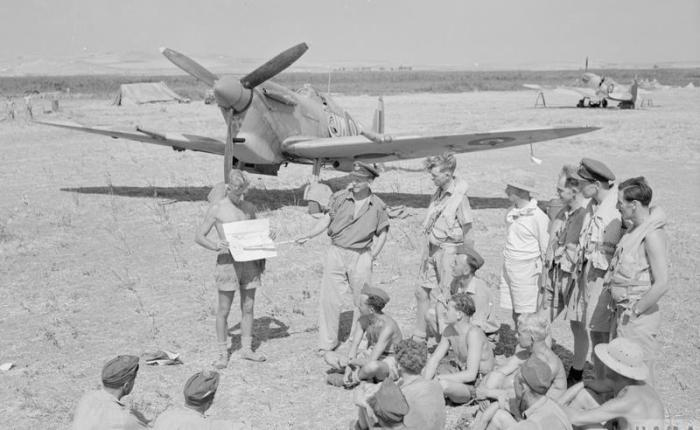

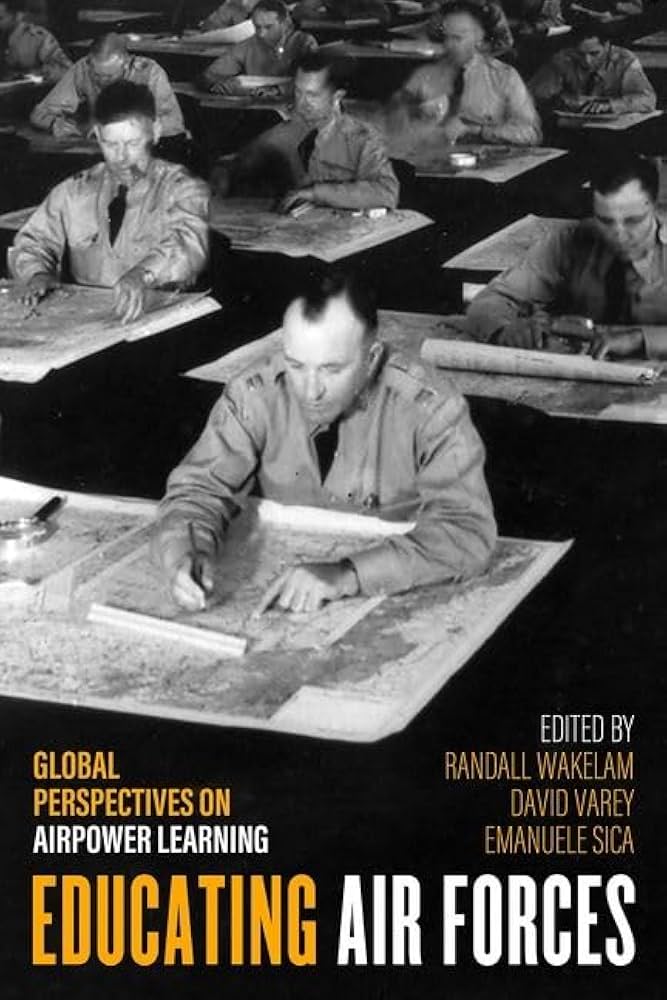
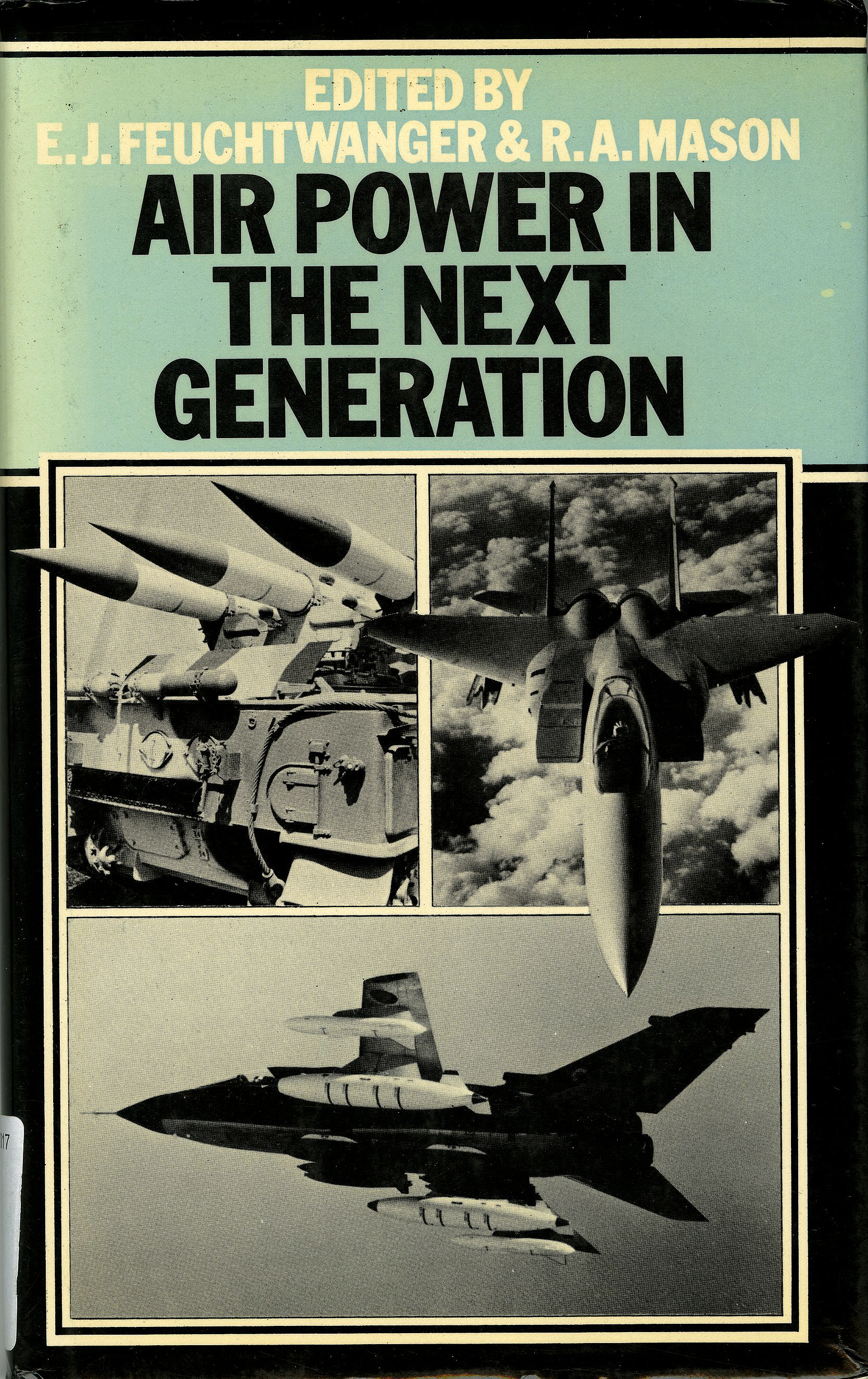
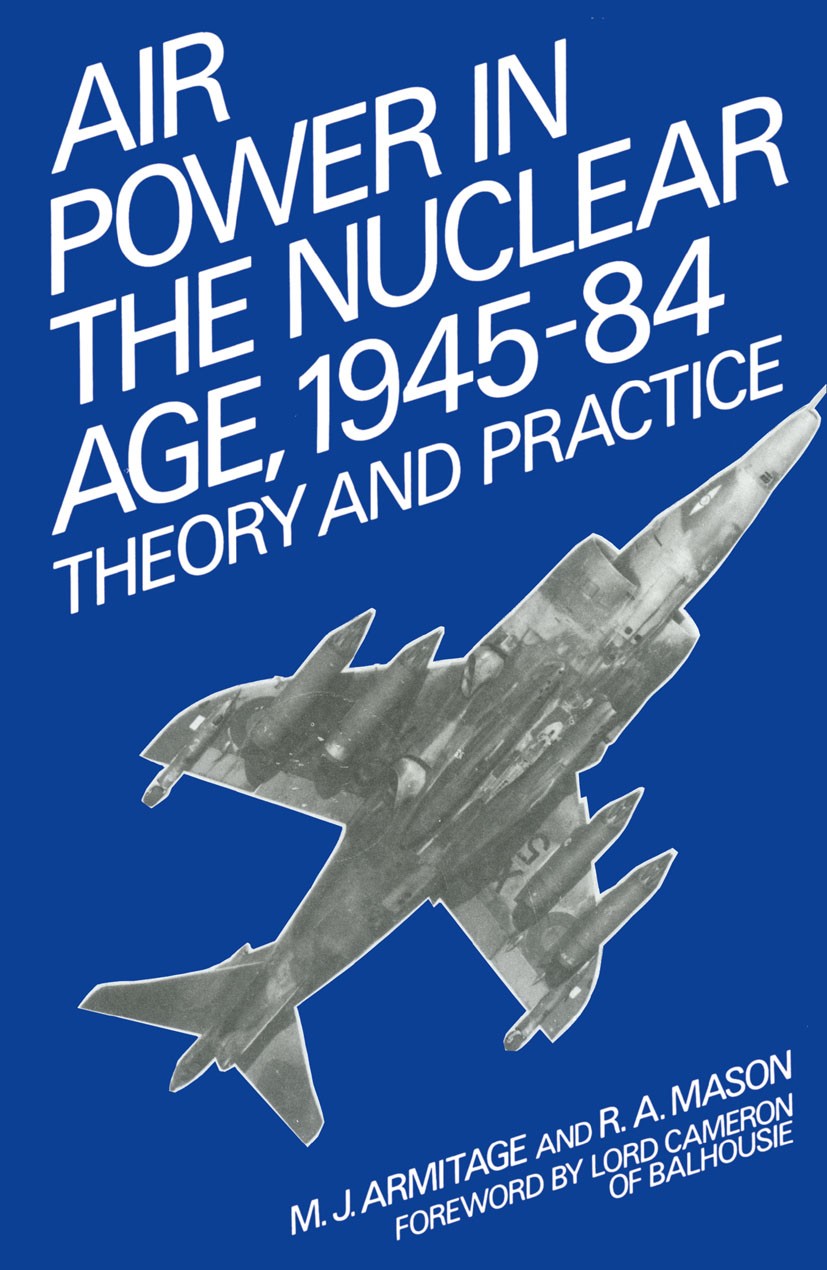
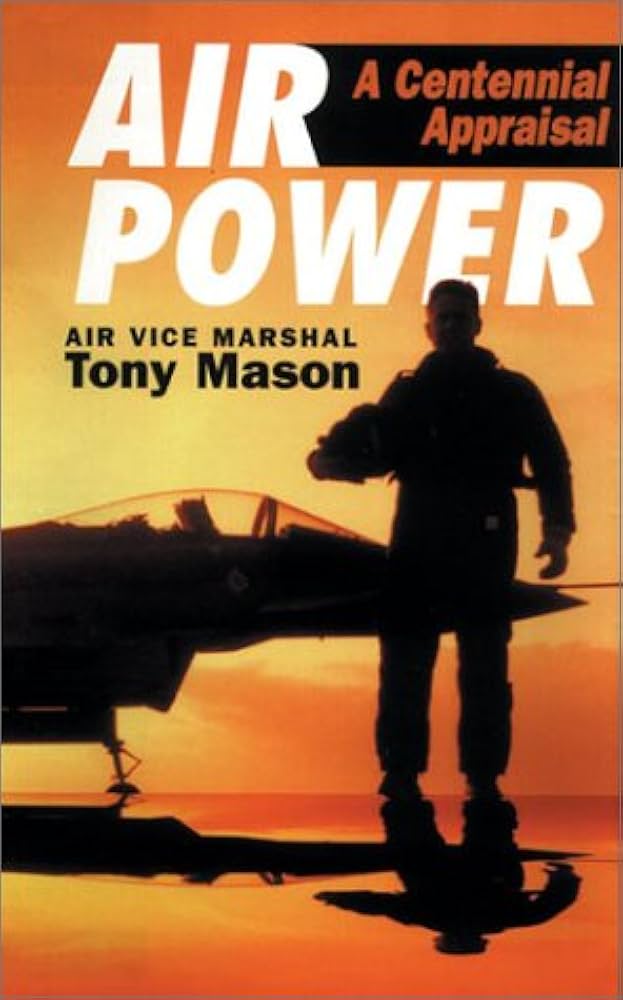

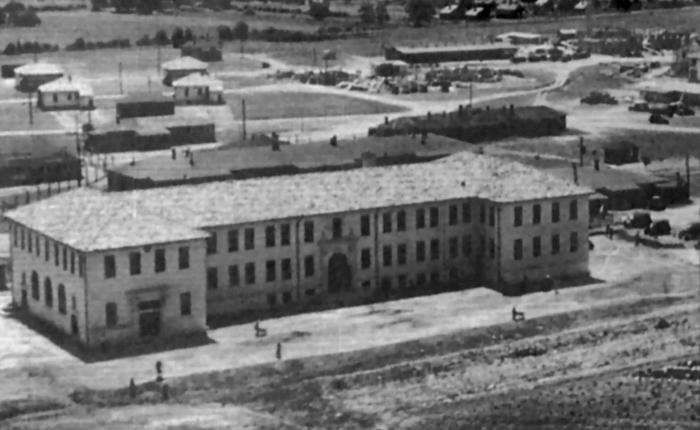
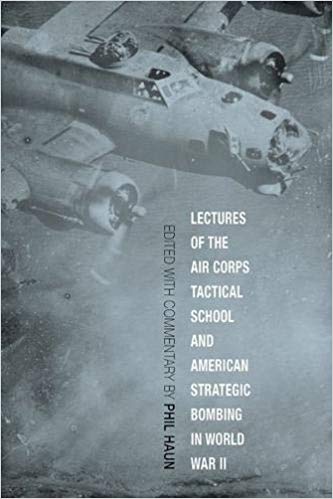 As Hansell highlighted, air power revolutionised war by allowing the focusing of force on the enemy’s vulnerable areas without having to meet its forces ‘in the field’. There are now a few essential books on strategic bombardment that provide historical depth to its development primarily during the Second World War. Works such as Bombers and the Bombed – Allied Air War Over Europe by Richard Overy, Among the Dead Cities by A.C. Grayling, and Air Power and Warfare – A Century of Theory and History by Tami Davis Biddle provide a rich contextual background within which Phil Haun’s compilation sits.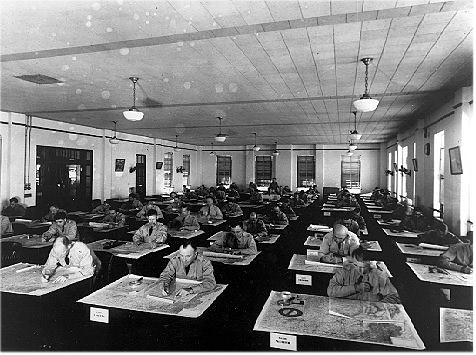
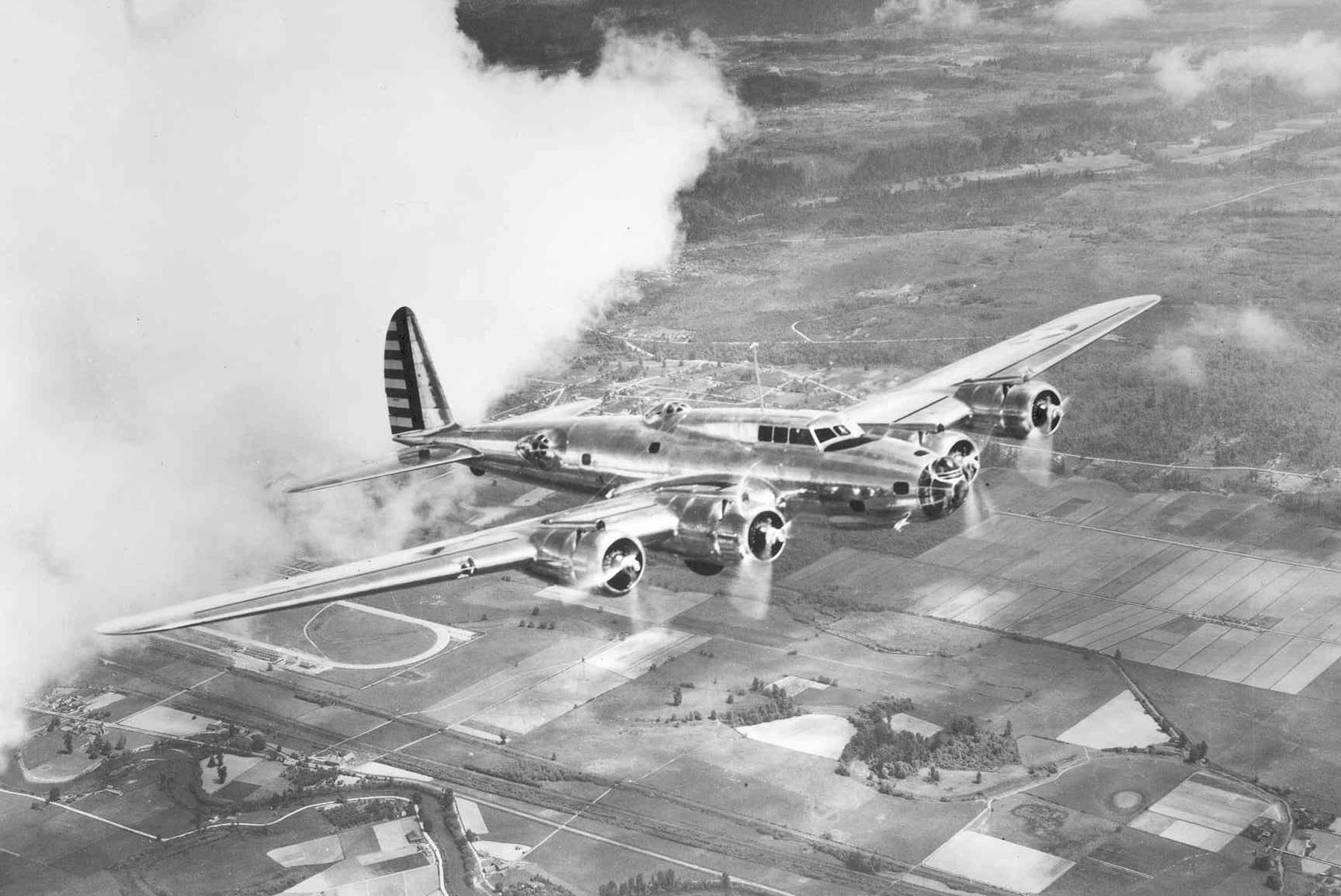
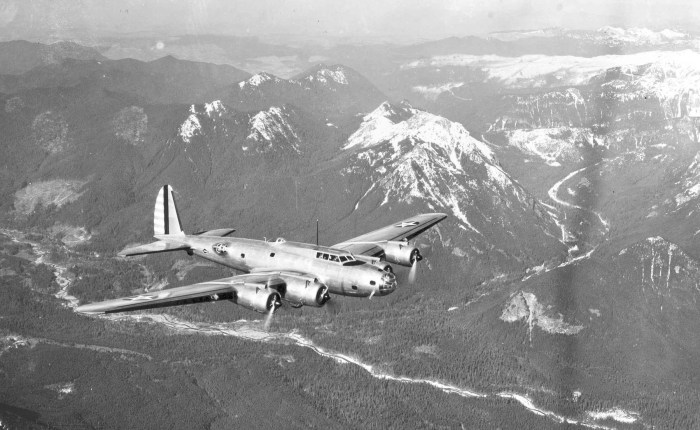


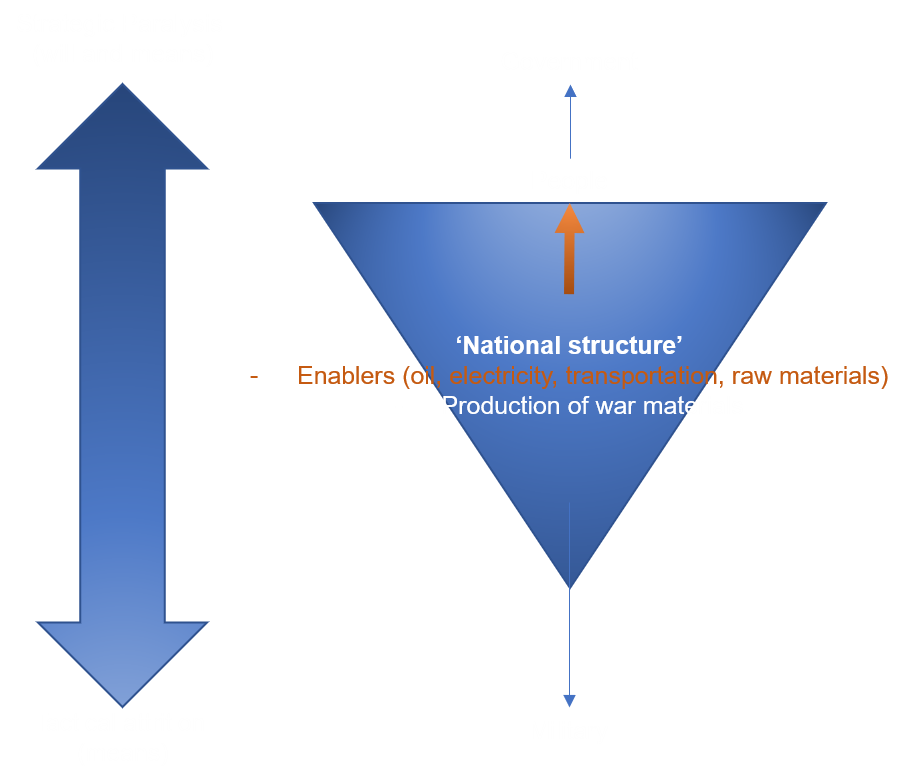 By September of 1942, however, this vision underwent a substantial change in focus, as the emphasis shifted down the spectrum toward more tactical means. AWPD-42 prioritised the destruction of the Luftwaffe, albeit still attained primarily through industrial means in the form of attacks against aeroplane and engine factories. Regardless, such a change represented a significant change in thinking away from more general enablers such as electricity to war material itself that had a less immediate effect on society as a whole. Second, the US Army Air Forces needed to concentrate on submarine building yards, before finally turning its attention to transportation in order to sever the ‘vital link in the Germany military and industrial structure.’

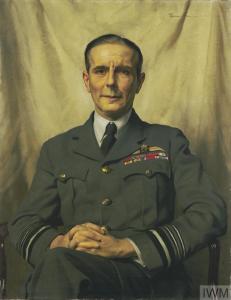


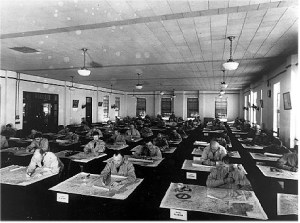
 From Balloons to Drones
