Editorial Note: In this Research Note, Assistant Editor, Dr Brian Laslie reflects on his contribution to a new volume about military professionalism entitled Redefining the Modern Military: The Intersection of Profession and Ethics that has been edited by Ty Mayfield and Nathan Finney and published by Naval Institute Press.
In the Summer of 2015, I packed up some clothes and (a lot of) books and moved down to Montgomery, Alabama to attend the United States Air Force’s (USAF) Air Command and Staff College (ACSC). I had been selected along with about a dozen other civilians to attend the 10-month course. I looked upon those ten months in front of me as something of a sabbatical and a chance to research and write.
On the back end of my time at ACSC, I received a call from Ty Mayfield, of The Strategy Bridge, about a book project he and a team of authors were working on. This forthcoming project, Redefining the Modern Military: The Intersection of Profession and Ethics, published by the phenomenal people at Naval Institute Press, was an effort by the team at The Strategy Bridge to push the ball forward on the discussion of professionalism, ethics, civil-military relations, and professional education in the modern U.S. military. Following in the footstep of Samuel Huntington, Ty and co-editor Nate Finney collected chapters from a group including international and American officers as well as six academics holding both college and professional military education (PME) positions. It was a robust group, especially considering that most of the chapter authors only knew each other through Twitter. It turns out, Ty and Nate had covered all of their bases except one. In the end, they had no one writing about the USAF, the air domain, or the Airmen’s perspective. Thus, the phone call to me.
It turns out Ty and Nate decided to reach out to me at a somewhat fortuitous time. Ty asked me if I had any thoughts about professionalism and the USAF. As a current student at a PME institution who had spent the better part of seven months pouring over USAF history, I had plenty to say. I titled my chapter, ‘Born of Insubordination: Culture, Professionalism, and Identity in the Air Arm,’ and I am somewhat taciturn that my chapter contribution turned into something of “Oh and ANOTHER THING!” ranting about problems of USAF PME and the Air Force writ large. Ty and Nate did not see it that way.
What I produced, at least the way Ty and Nate ended up describing it was a chapter about the:
particularities inherent in the air arm of the U.S. military. Born from a culture of insubordination, Laslie describes three case studies that display how the positive aspects of this trait, one he titles “pragmatic professionalism”, has shaped – and will continue to shape – the Air Force. Using a historical lens to show the USAF’s unique history, identity, and culture Laslie uses these contemporary case studies to demonstrate that while the Air Force has long suffered with an internal identity crisis amongst its officer corps, the “stovepipes” that developed over the course of the past 70 years are actually conduits for professional advancement in different career fields and not something that needs to torn down.
My chapter on the USAF is but one of twelve. Other chapters include: ‘Questioning Military Professionalism,’ by Pauline Shanks-Kaurin, ‘Professionals Know When to Break the Rules,’ by H.M. ‘Mike’ Denny, ‘Ethical Requirements of the Profession: Obligations of the Profession, the Professional, and the Client,’ by Rebecca Johnson, plus eight others as well as an introduction and conclusion from the editors.
The book proper opens with:
[t]he challenging task of self-assessment for the military profession going into the twenty-first century. Crafted by military officers with recent experience in modern wars, academics who have trained and educated this generation of combatants, and lawyers and civilians who serve side by side with the defense enterprise at all levels, this volume seeks to begin the process of reevaluation for the 21st century.’
While discussing professionalism is not our usual milieu here at From Balloons to Drones, we have been known to stray into the realm from time to time; for example, see our recent post on John Boyd. Indeed, we believe that self-examination in any organisation is an essential part of development and Mayfield, and Finney should be commended for seeing this project through to publication. (We would encourage anyone interested in writing about issues related to professionalism within the context of air arms – air force, naval or army – to get in contact. Ed.)
In the age of social media, we have an entire generation of company and field grade officers who are taking their professional military education into their own hands. Through mediums like The Strategy Bridge, the Military Writer’s Guild and From Balloons to Drones, younger officers are studying and communicating about their profession in new ways. Ty and Nate seized on this moment to produce, what I hope, is a book that will generate discussion across the services and the military establishment at large. My contribution is modest, but this book surely has something for everyone. From company grade officers to flag and general officers, I hope it will do what it sets out to do, which is nothing less than ‘Redefine’ the modern military.
Dr Brian Laslie is a US Air Force Historian and currently the Deputy Command Historian at North American Aerospace Defense Command (NORAD) and United States Northern Command (USNORTHCOM). He is an Assistant Editor at From Balloons to Drones and a 2001 graduate of The Citadel and a historian of air power studies. He received his Masters’ from Auburn University Montgomery in 2006 and his PhD from Kansas State University in 2013. He is the author of Architect of Air Power: General Laurence S. Kuter and the Birth of the US Air Force (2017) and The Air Force Way of War (2015). The latter book was selected for the Chief of Staff of the Air Force’s 2016 professional reading list and the 2017 RAF Chief of the Air Staff’s reading list. He can be found on Twitter at @BrianLaslie.
Header Image: A flight of Aggressor F-15 Eagles and F-16 Fighting Falcons fly in formation, 5 June 2008, over the Nevada Test and Training Ranges. The jets are assigned to the 64th and 65th Aggressor Squadrons at Nellis Air Force Base. (Source: US Department of Defense)
Editorial Note: Between February and April 2018, The Central Blue and From Balloons to Drones, will be publishing a series of articles that examine the requirements of high-intensity warfare in the 21st Century. These articles provide the intellectual underpinnings to a seminar on high-intensity warfare held on 22 March by the Williams Foundation in Canberra, Australia. In this last article in the series, Dr Ross Mahoney, editor of From Balloons to Drones, considers the need to understand the culture of air forces as a starting point for analysing the challenges they face in preparing for future warfare.
To say that ‘culture eats strategy for breakfast’ is a hackneyed quote is an understatement. Indeed, the critical problem here is that the phrase is used so often that it has increasingly lost any meaning to be useful as a lens through which to analyse organisational behaviour. What do we mean by culture? Why does it eat strategy for breakfast? What is the relevance of culture to air forces and how can we conceptualise its meaning for a force structure seeking to grapple with the challenge of high-intensity warfare.
Broadly speaking culture is the values, beliefs and assumptions that shape the behaviour of a group. Culture exists at several levels and finds its outgrowth in both ideational and materialist areas. Regarding levels of culture, authors often discuss strategic, organisational, sub- and countercultures as critical areas of analysis, though not often together. However, while understanding the culture of an organisation is useful for conceptualising the ideas that underpin the behaviour of a group, the term is not without its challenges. Primarily, the issue of definition remains contested, and the term culture has become malleable and nebulous. Added to this is the unwillingness of some to engage deeply with the anthropological origins of culture. Nonetheless, several of the articles in this joint high-intensity war series run by From Balloons to Drones and The Central Blue have alluded to the importance of establishing the ‘right’ culture in an organisation. As such, this article, which forms part of a larger project by the author on the culture of small air forces, seeks to offer some thoughts on the meaning of culture and unpack its ‘black box’ of tricks.[1]
Sources of Culture
Broadly, military culture is derived from two sources. ‘First, culture is derived from what individuals bring to the military from broader society and second, it is a consequence of military experience and training.’[2] Concerning the former; social, educational, and economic backgrounds are essential frames of reference. For example, due to the social background of its officer class, many of the ideas underpinning early Royal Air Force (RAF) culture, such as honour, strength of character, sympathy, resolution, energy, and self-confidence found parallels with those present in public schools of the period. This was because it was from this source that the RAF sought its preferred recruits. The latter issue of operational experience is especially critical for small air forces, such as the Royal Australian Air Force (RAAF), as they typically operate in a coalition context. As such, it is axiomatic that large air forces with whom small air forces operate will have influenced their cultural evolution. Indeed, in the RAAF, and other Commonwealth air forces, we see a degree of mimetic isomorphism in their evolution at both the ideational and materialist levels with regards to the influence of the RAF. However, in more recent years, the US military has become a more pervasive influence, and this is especially noticeable in areas such as the such as operating American military hardware.
F-111s from No. 6 Squadron, RAAF Base Amberley, arrive over Melbourne on the eve of the Australian International Airshow at Avalon, c. 2005. (Source: Australian Department of Defence)
As well as societal factors and experience, broader environmental considerations also influence culture. Specifically, the environment in which air forces operate has helped shaped their culture. As Ian Shields reflected, the conception of time and space by air force personnel is different from those of the other services, in part, because of the nature of the air domain. Characteristics such as speed, reach and height are seen as defining the use of the air domain, and factors such as the large area of operations, flexibility, tempo, and the number of personnel directly involved in the delivery of air power continue to shape the culture of many air forces.[3] While it is possible to suggest that this is a parochial single service observation, it is worth considering that this is not limited to air force personnel. For example, Roger Barnett, a retired US Navy Captain, has suggested that the US Navy thinks different to its sister services, in part, because of its maritime context.[4] However, while differences do exist, there are often shared aspects of culture between the services, which have been underexamined.
A Transnational Air Force Culture?
National air forces have, like any other organisation, their own inherent culture and ethos. The ideas underpinning air force culture frames the way in which air forces view their role in a countries national security structures. It is the values and ethics of these organisations that make them distinct. These values are often derived from a countries national character and influenced by sources such as social background. For example, in 1919, Air Marshal Sir Hugh Trenchard espoused the RAF’s values as that of the ‘Air Force spirit.’[5] Underpinning this value was a recognition that for the RAF to develop and survive, there was a need to generate a culture commiserate with the organisation’s defence mission. For Trenchard, central to this process was the development of the RAF’s social capital through the ‘Extreme Importance of Training.’
While national character and environmental factors have influenced the values of air forces, it is possible to suggest that there are several broad ideas that can be seen to transcend national barriers when it comes to discussing the culture of air forces. Specifically, the belief in command of the air and assumption of independence pervades the structure of air forces to a greater or lesser degree depending on national proclivities. Command of the air stems from the belief that to enable the effective use of the battlespace requires control of the air. This view is as much cultural as it is conceptual as it resonates with the idea that to command air power efficiently requires a force well versed in the employment of aviation at the strategic level. However, this is an idea that increasingly became associated with strategic bombing rather than a broader conception of the strategic use of the air domain to achieve effect. This is unfortunate as while bombing may have for a time been seen as the means through which to employ air power it ignores broader thinking on its application often evident in doctrine. Indeed, if doctrine is not only a guide on how to apply military force but also an illustration of how military organisations think, then a careful analysis of these critical ‘stories’ illustrates a more nuanced way of thinking than often suggested. For example, AP1300, the RAF’s capstone doctrine of the interwar years, dealt with more than just bombing. Moreover, while written in the context of a period when the RAF provided Britain’s strategic nuclear deterrent, the fourth edition of AP1300, published in 1957, recognised the need for a balanced air force to deal with different contingencies.[6]
The assumption of independence has become the cornerstone of most air forces and has been a contentious area for debate amongst the services and external parties. Indeed, some have viewed the emergence of independent air forces as an impediment to national security. For example, as Robert Farley has written, ‘The United States needs air power, but not an air force.’[7] While it is true that the emergence of a third service in many countries has generated tension between the services, it is overstating the argument to lay much of this blame at the door of air forces. For example, many of the interwar debates between the RAF and its sister services can be seen as an issue of control and the desire of the British Army and Royal Navy to see returned what they perceived as their air arms. However, if military aviation is to be efficiently utilised in any future conflict, then there is a need to have personnel well versed and educated in the strategic application of air power who can sell its relevance and use in the joint sphere to both the other services and policymakers. Indeed, in many respects, it is this idea that underpins recent developments in the Royal Canadian Air Force (RCAF). It can be argued that since unification in 1968, while Canada had military aviation, it did not do air power thinking at the strategic level.[8] This has begun to change.
While the ideas underpinning the culture of an air force has many sources, senior leaders are central to driving the development of the organisation. A crucial role of the senior leader is that of the strategic builder, in that they set the vision and pace for an organisation’s development. Senior leaders provide the necessary architecture that ensures an organisation moves in a consistent direction and is fit for purpose.[9] The clearest example of a strategic builder in the development of an air force’s culture comes from the experience of Marshal of the Royal Air Force Viscount Trenchard. When Trenchard returned as the RAF’s Chief of the Air Staff (CAS) in 1919, he had to deal with several crucial strategic challenges as the Service transitioned from wartime to peace. First, Trenchard had to deal with demobilisation, which linked to the second challenge of establishing the permanency of the RAF. This, of course, was also linked to the final issue of finding a peacetime role for the RAF. Trenchard quickly recognised the utility of aerial policing in the British Empire as a means of ensuring the final challenge. However, to ensure the longevity of the RAF, Trenchard espoused the value of the ‘Air Force spirit,’ which focused and the development of the Service’s personnel. Central to this was the establishment of three key institutions that helped transfer the RAF’s culture and ethos. These were the RAF (Cadet) College at Cranwell, the RAF Staff College and the apprentice scheme at RAF Halton. Through these institutions and other schemes such as Short Service Commissions, Trenchard ensured the RAF’s independence. As the RAF noted in 1926 a ‘spirit of pride in [the RAF] and its efficiency permeates all ranks.’[10] However, this was not without its problems.
Modern air forces also face numerous challenges in a disruptive world ranging from issues of retention to dealing with the changing geostrategic environment while still operating in persistent counterinsurgency operations. To deal with these challenges, air forces such as the RAF, RCAF, and the RAAF have launched several initiatives to reinvigorate themselves and promote cultural change in their organisations. For example, the RAAF’s Plan Jericho, launched in 2015, seeks to:
[t]ransform [the RAAF] into a fifth-generation enabled force that is capable of fighting and winning in 2025; a modern, fully integrated combat force that can deliver air and space power effects in the information age.[11]
Such a forward-looking aim will not only need to see a change in the way the RAAF works and operates but also supportive strategic builders who will provide the support and architecture that will lead the project to fruition and success. Indeed, Trenchard’s advantage over his modern-day counterparts is that he served as CAS for just over a decade and was able to leave the RAF when he felt it was safe to do so. In the modern era, no air force chief serves for such a tenure. As such, it will be necessary for the successive chiefs to buy into the vision created by their predecessors to ensure cultural change is not only generated but becomes established in the way air forces think and operate. For example, the ideas promulgated this series on the need for Australian expeditionary air wings and exploitation of the electromagnetic spectrum will require the support of senior leaders who not only support such ideas but can communicate their effectiveness to the other service and government departments. This, as Randall Wakelam suggested, will need air force officers who emerge into senior leadership positions to be well educated in the profession of arms and air power.
Power and Consent
The maintenance of a culture that allows air forces to fulfil their stated defence mission requires not only strategic builders but also the development of a power and consent relationship between the many ‘tribes’ that make up these organisations. Air forces consist of several different subcultures, or tribes, such as pilots, aircrew, and ground crew. The emergence of such cultures can potentially affect the performance of air forces. As such, it is a crucial role of strategic builders to ensure that the challenges created by the existence of these different ‘tribes’ in air forces are managed to ensure the organisation is fit for purpose. All personnel need to feel as if they are members of the same organisation seeking to achieve shared goals. It is arguably for this reason why we have seen the emergence of management phrases such as the ‘Whole Force’ in modern air forces such as the RAF. However, such constructs are made challenging by the dominance of pilots who only make up a small proportion of air force personnel but dominate senior leadership positions. As Air Marshal Sir John Curtiss reflected, ‘It’s a pilots air force,’ and ‘pilots have always been more equal than others.’[12] Curtiss was the Air Commander during the Falklands War and a navigator in RAF Bomber Command during the Second World War. Curtiss’ reflection neatly sums up the ethos of the RAF and many other air forces with their focus on pilots and flying. For the RAF, this ethos was codified by the emergence of the General Duties Branch in the interwar years and that, apart from professional branches, officers had to be pilots and then specialise.[13] While this model became increasingly untenable and a bifurcation of the RAF branch system emerged, pilots remain the Service’s preferred senior leaders. This remains true of many air forces. For example, while the RAAF have had an engineer as their CAS, Air Marshal Sir James Rowland was required to transfer to the General Duties (aircrew) Branch to take up his position thus illustrating the power of this construct.[14] Rowland had also served as a pilot during the Second World War. The United States Air Force has taken this model even further with senior leaders being broadly split between the so-called ‘Bomber Barons’ during the Service’s early years and then the emergence of the ‘Fighter Generals’ after the Vietnam War.
There are undeniable examples, such as in the early years of the RAF, where the development of an ethos framed around pilots and flying was essential both for the maintenance of independence and for maintaining the focus of air forces on the delivery of air power. However, a critical question that needs to be asked by modern air forces is whether this ethos needs to change so that they remain effective in the twenty-first century. While having an aviator as the professional head of an air force makes a degree of sense, that person need not necessarily be a pilot. They need to have experience in the delivery of air power and have professional mastery of the subject but does the number of hours flown make them well suited for senior positions? Also, are aviators, in general, the right people to run, for example, the personnel department of an air force? Indeed, there is a need to change the organisational models used by air forces to broaden the base of power and consent and diversify the opportunities for all tribes by efficiently managing talent. This will require a change in culture to ensure air forces remain effective.
Summary – Why does this Matter?
Culture remains a complex and contested area of study, and some might argue whether it matters in the modern world. However, in a disruptive world where military forces are called on to operate in increasingly complex environments, having the right culture is paramount. Moreover, while this series of articles have focused on the requirements of so-called high-intensity warfare, the reality is that while future warfare is likely to be a case of Another Bloody Century, conflicts will be conducted in and across all domains utilising both conventional and unconventional means. Additionally, as the UK Ministry of Defence’s Future Air and Space Operating Concept noted in 2012, the ‘future operating environment is likely to be congested, cluttered, contested, connected and constrained.’[15] As such, air forces will need to adapt to the changing character of warfare and ask some complicated questions about both their culture and organisation to be effective and fit for purpose. For example, should air forces be the controlling agencies for the overall management of the space and cyber domains? Alternatively, does the management of these domains by air forces move them away from their primary task of generating air power? To answer these questions, it is imperative that air forces understand their culture and from whence it comes as it shapes how they confront and adapt to emerging challenges. This is not something that air forces, and the military more broadly, has been good at and that needs to change.
Dr Ross Mahoney is an independent historian specialising air power and the history of air warfare. He is the editor of From Balloons to Drones, an online platform that seeks to provide analysis and debate about air power history, theory, and contemporary operations. Between 2013 and 2017, he was the resident Historian at the Royal Air Force Museum in the United Kingdom, and he is a graduate of the University of Birmingham (MPhil and PhD) and the University of Wolverhampton (BA (Hons) and PGCE). To date, he has published several chapters and articles, edited two books, and delivered papers on three continents. In 2016, he was elected as a member of the Royal Historical Society, and in 2011 he was a West Point Fellow in Military History at the United States Military Academy as part of their Summer Seminar in Military History programme. He is an Assistant Director of the Second World War Research Group
Header Image: RAF Remotely Piloted Air System ‘Wings’, which differ from the current RAF pilot badge by having blue laurel leaves to identify the specialisation. (Source: UK MoD Defence Imagery)
[1] For this author’s discussion of early RAF culture, see: Ross Mahoney, ‘Trenchard’s Doctrine: Organisational Culture, the ‘Air Force spirit’ and the Foundation of the Royal Air Force in the Interwar Years,’ British Journal for Military History, 4:2 (2018), pp. 143-77.
[3] Ole Jørgen Maaø, ‘Leadership in Air Operations – In Search of Air Power Leadership,’ RAF Air Power Review, 11:3 (2008), pp.39-50.
[4] Roger Barnett, Navy Strategic Culture: Why the Navy Thinks Differently (Annapolis, MD: Naval Institute Press, 2009).
[5] The National Archives, UK (TNA), AIR 8/12, [Cmd. 467], Permanent Organization of the Royal Air Force, A Note by the Secretary of State for Air on a Scheme Outlined by the Chief of the Air Staff, 11 December 1919, p. 4.
[6] AP1300 – Royal Air Force Manual: Operations, Fourth Edition (London: Air Ministry, 1957), p. 24.
[7] Robert Farley, Grounded: The Case for Abolishing the United States Air Force (Lexington, KT: University Press of Kentucky, 2014), p. 1.
[8] Brad Gladman et al, ‘Professional Airpower Mastery and the Royal Canadian Air Force: Rethinking Airpower Education and Professional Development,’ Royal Canadian Air Force Journal, 5:1 (2016), p. 10.
[9] David Connery, ‘Introduction’ in David Connery (ed.), The Battles Before: Case Studies of Australian Army Leadership after the Vietnam War (Newport, NSW: Big Sky Publishing, 2016), pp. x-xi.
[10] TNA, AIR 8/97, The Organisation of the Royal Air Force, 1919-1926, p. 5.
[11] Anon, Jericho: Connected, Integrated (Canberra, ACT: Royal Australian Air Force, 2015), p. 3.
[12] Air Marshal Sir John Curtiss, ‘Foreword to the First Edition’ in Wing Commander (ret’d) C.G. Jefford, Observers and Navigators: And Other Non-Pilot Aircrew in the RFC, RNAS and RFC, Updated and Expanded Edition (London: Grub Street, 2014), p. vii.
[13] The RAF did at one point have airman pilots in the interwar years and during the Second World War.
[14] Alan Stephens, The Australian Centenary History of Defence: Volume II – The Royal Australian Air Force (Melbourne, VIC: Oxford University Press, 2001), p. 296.
[15] Development, Concept and Doctrine Centre, Joint Concept Note 3/12 – Future Air and Space Operating Concept (London: Ministry of Defence, 2012), para. 202.
Editorial Note: Between February and April 2018, The Central Blue and From Balloons to Drones, will be publishing a series of articles that examine the requirements of high-intensity warfare in the 21st Century. These articles provide the intellectual underpinnings to a seminar on high-intensity warfare being held on 22 March by the Williams Foundation in Canberra, Australia. In this article, Ian Shields explores the implications of the concepts of time and space for airmen. Using these concepts, Ian explores the differences between the services concerning culture, technology, and decision-making. Understanding these differences is essential if we are to leverage the advantages of each of the domains in high-intensity warfare.
Introduction:
Time and Space bound all military operations. We are used to the idea of trading time for space, although that is primarily applicable to the land campaign. If we think about the time/space relationship in two campaigns separated by a significant amount of history associated concepts show a great deal of change:
The Peloponnesian wars – campaign duration, the speed of manoeuvre, communication, size of battlefield/weapon ranges.
The First Gulf War – campaign duration, the speed of manoeuvre, communication, size of battlefield/weapon ranges.
It can be argued that time and space constrains airmen; however, we have a different perception and are better able to exploit both time and space.
Nevertheless, before going any further, what do airmen do? In 2010, Colonel Tim Schultz, the then Commandant of the USAF School of Advanced Air and Space Power Studies suggested that airmen ‘project innovative forms of power across traditional boundaries.’ Again, with emphasis, airmen ‘project innovative forms of power beyond traditional barriers.’ The key words here are, ‘project,’ ‘innovative’ and ‘power’ and these are the key to why airmen are different. Given this, this article focusses on four areas: the impact of air power; our cultural differences as airmen compared with soldiers and sailors; the impact of technology; and decision-making before concluding.
The Impact of Air Power
Looking at the world at the beginning of the Twentieth Century, it was well-ordered, firmly based on the idea of the nation-state that was built on Treaty of Westphalia and the Congress of Vienna. Europe was, by historical standards, relatively peaceful with well-defined and respected boundaries.
To alter the balance of power required armies crossing these boundaries which, as we saw in 1914, could have disastrous results. Navies could control trade, impose blockades, and prevent armies moving over stretches of open water but they are themselves constrained by the availability of water; water covers only 70% of the surface of the earth.
The events of 17 December 1903 changed all that, although it was not appreciated in those terms at the time (or, arguably, ever since): with 100% of the earth covered by air, boundaries drawn on maps and the constraints of the ocean became far less relevant. Again, airmen project beyond traditional boundaries.
While technology did not allow air power to be fully exploited in the First World War, the omens were there. Yes, there was an over-reaction in the 1920s and 1930s with, for example, Stanley Baldwin’s pronouncement that ‘the bomber will always get through,’ but the seeds for air power to exploit time and space in innovative ways began to be appreciated.
Cultural Differences
When exploring the question of what time and space mean for airmen, it is worth also reflecting what they mean for the soldier and the sailor. Time and space considerations bound both far more than airmen.
Take the soldier. Their horizon is limited in both spatial and temporal terms: soldiers may be interested in what is going on over the next hill, but rarely will he or she have to think much further. The modern-day artilleryman may point out the range of his or her weapon systems but compared with the airman they are limited. All too often the soldier’s view is limited to the range of their vision, which is perhaps why he or she may not understand that air power can protect him or her without necessarily being always in sight – or under command.
The sailor, by contrast, is far more used to the open horizons of the blue ocean. His or her vision is bounded not by the trench system but by the curvature of the earth. Away from the shore the sailor enjoys a sense of freedom more familiar to the airman and is used to thinking in large distances. Culturally, airmen have more in common with the sailor than the soldier, and it is perhaps not surprising that we have adapted the nautical methods of navigation – speed in knots, distances in nautical miles, latitude and longitude as our geographic reference system rather than units more familiar to a soldier. The sailor, though, is also more bounded than the airman. Not only does the sailor’s domain stop at the shoreline or the river’s edge, but his or her speed across the oceans is, by our standards, slow while, with obvious acknowledgements to submariners, like the soldier he or she is largely constrained to operating in just two dimensions.
There is a further cultural divide, which is the way the pace of technology has shaped airmen. For the sailor, he or she has progressed from the sail, through steam to nuclear propulsion over many centuries. For the soldier, the path from bows and arrows, via the musket to today’s weapon systems has been a journey of some half a millennium. In contrast, airmen have moved from the Wright brothers through the jet engine to Sputnik and then on to the Space Shuttle in a short space of time. So, our perception of time, driven by the technology that permits us to operate in the third dimension, is fundamentally different.
Airmen even refer to it in our poetry – the definitive High Flight talking of slipping the surly bonds of earth, of wheeling, soaring and swinging high in the sunlit silence and, finally, of reaching out and touching the face of God – sentiments that speak loudly to we who exploit the third dimension and are less constrained by the fourth – time – than our earth- and water-bound brothers.
Less I am accused of too many flights of fancy, let me continue with something altogether more concrete, the impact of technology.
Impact of Technology
Technology allows us to fly and we are inexorably wedded to it as a result. We are at home not just with the advances, but the speed of change: we are adaptable. Technology allows us to challenge the constraints of time and space constantly. We go ever faster, ever further, ever higher to the extent that now it is the human in the cockpit, or in the loop, that becomes the limiting factor with the demands on the human body regarding g-force and life support becoming critical in aircraft such as the Eurofighter Typhoon. The very speed at which our platforms can operate bring new pressures on command, control, and communications, and on the decision-making cycle. So, we can shrink time and exploit it to an ever-greater extent but are we reaching a new plateau with the human body the limiting factor? If so, we turn again to technology and remove the human from the cockpit – the Remotely Piloted Aerial System (RPAS) – or help with decision-making by more automation.
RAF Remotely Piloted Air System ‘Wings’, which differ from the current RAF pilot badge by having blue laurel leaves to identify the specialisation. (Source: UK MoD Defence Imagery)
However, is this shrinking or expanding of time? It is both, depending on your viewpoint: it is shrinking because we need less time to undertake actions, or it is expanding because we can achieve more in the same period.
Regarding space, we see a similar dichotomy, the shrinking and expanding of the concept of space. As we move further up – and even out of – the atmosphere, we seemingly shrink space – we have access everywhere from our lofty vantage point in orbit, and it is less and less possible to hide from our gaze. At the same time, we are shrinking space as our targeting becomes ever more precise and our discrimination better.
Decision Making
Perhaps nowhere is our different approach to time and space more starkly illustrated than in the realm of decision-making. It was, after all, John Boyd, an airman – and a fighter pilot to boot – who came up with the OODA loop – a means of getting inside the enemy’s decision-making cycle – that is of exploiting time.
While air power offers the politician some advantages – being able to posture from afar, being able to deploy rapidly a potent force but one with only a small footprint – the speed and reach of air power (or, to put it another way, our use and exploitation of time and space) offers him or her specific challenges too; the perils of the hasty decision or the too-long delayed choice. For example, if there is verified intelligence of a hijacked Boeing 747 heading for Canary Wharf but presently over central France, when do you intercept it?
These challenges extend ever further down the decision-making process to the commander and, increasingly, to the man or woman in the cockpit: that split-second decision facing the Harrier pilot, Tornado crew or RPAS operator – to drop or not to drop ordnance?
However, perhaps the ultimate tyranny (so far in human history at least) of decision-making regarding time and space has been the advent of nuclear weapons. The initial employment of these weapons of mass destruction in 1945 came about because of long and careful decision-making, but with the range of ICBMs and the proliferation of weapons, both time and space have been shrunk as the decision-making cycle becomes ever more compressed with no chance of correcting mistakes. Moreover, remember that for the first 40 years of the nuclear weapon age, it was airmen alone who were responsible for their delivery.
Conclusion
In this brief article, I have sought to illustrate that we can use time and space – and the relationship between the two – as tools with which to explore air power in a unique way. We can use it to identify differences and similarities with the other domains, and it offers a different means of analysing what it means to be an airman.
Time itself has constrained this article to no more than a cornucopia of ideas, and I have explored neither space (as in outer space) nor cyberspace, both domains of increasing importance.
A Royal Air Force Typhoon of No. 1(F) Squadron during Exercise Capable Eagle, c. 2013. (Source: UK MoD Defence Imagery)
Let me offer you three conclusions. First, as airmen, we are more constrained by time and space as we lack permanence and rely on technology to fly at all. Second, as airmen, we are less constrained by time and space because we operate at high-speed, have great reach, are inherently responsive, and have a cultural appreciation of time and space that is unique. Third, new and emerging technologies, as exemplified by fifth-generation air power, will continue to challenge our present perceptions of time, space, and its relationship; the exploitation of both outer space and cyberspace are excellent illustrations of both. To conclude, Francis Fukuyama famously talked about the ‘End of History,’ but perhaps what we are seeing is more an end of TIME and, if not an end then certainly a new appreciation of space.
Ian Shields is a retired, senior Royal Air Force officer who has a wealth of experience as an operator, commander, and analyst. After a 32-year career that saw him command a front-line squadron and reach the rank of group captain, he has more recently established himself as a highly respected commentator on defence and security issues, specialising on aerospace matters. Ian holds post-graduate degrees from King’s College, London, and the University of Cambridge. He currently an Associate Lecturer at the University of Cambridge and writes for several academic and journalistic publications on current issues within defence and international relations.
Header Image: A Reaper Remotely Piloted Air System comes into land at Kandahar Airbase in Helmand, Afghanistan, c. 2011. (Source: UK MoD Defence Imagery)
As I have mentioned here, my current research is focused on the culture of the Royal Australian Air Force (RAAF) and how this has affected the Service’s effectiveness, ability to adapt to changing geostrategic challenges and its place within Australia’s broader strategic culture and national security framework. As such, this research has implications for discussions bridging several disciplines, including history, military sociology, and strategic studies. One of the critical research questions I am examining is what have been the key influences on the developing culture of the RAAF. While one source of RAAF culture is the values and beliefs that service members bring to the organisation, another is the Air Force’s relationship with other air forces. This importance of such relationships is especially significant for small air forces, such as the RAAF, who maintain close relationships with larger air forces, such as the RAF. Indeed, if we think about the organisations that have influenced the culture of the RAAF, key within Australia is, of course, the Australian Army and Royal Australian Navy. The former is especially important because of the experience of the Australian Flying Corps (AFC) during the First World War. However, further afield significant influences have been the RAF, the United States Air Force, and the US Navy. The latter two are important because they represent the shift in Australia’s geostrategic relationships after 1942. Their significance is best represented in the platform choices the RAAF has made since the 1960s. Broadly speaking, the RAAF shifted from British designs to US ones, though there was also the Dassault Mirage IIIO. The relationship between technology and culture is a post for another time.
In terms of air forces, it is the RAF that has influenced the RAAF the most. Even to this day, the materialist influence of the RAF can be seen in cultural artefacts such as ranks. As such, the emergence of a distinct culture for the RAF in the inter-war period had implications for that service and those that emerged in the Dominions. Indeed, at the 1923 Imperial Conference, it was expected that ‘the development of Air Forces in several countries of the Empire’ would be along the lines of uniform training and doctrine, which essentially meant those of the RAF.[1] This illustrates both an imperial and transnational dimension to the impact of the RAF’s cultural practises that require greater exploration. Indeed, the RAF itself remained imperial in composition in the inter-war period with officers from the Dominions, such as the future Air Marshal Sir Arthur Longmore, serving in the Air Force. Moreover, while the RAAF had the example of the AFC on which to build an identity, it still looked to the RAF for guidance both for ideas about the employment of air power and character. AP1300, the RAF’s War Manual, would eventually be adopted as the RAAF’s formal doctrine in the 1950s despite the unsuitability of certain sections of this publication for the Australian context, especially the fourth edition’s discussion of nuclear weapons.[2] Indeed, Alan Stephens’ work on RAAF doctrine, Power Plus Attitude, is perhaps the closest we have come to a history of RAAF culture. This is because doctrine points to key values and beliefs of an organisation and its views about the employment of force. Regarding cultural artefacts, the diffusion of RAF culture along imperial lines is evident in areas such as ranks and mottos. Moreover, King George V acquiesced to the title ‘Royal’ being conferred on the Australian Air Force when it was formed.[3] Furthermore, several officers who would go on to senior roles in the RAAF during the Second World War were educated at the RAF Staff College at Andover, where they were immersed in the ideas and culture of the RAF, including British doctrine, AP1300. Finally, RAF officers were regularly sent to Australia to advise on air matters, though, as in the case of the visit of Marshal of the RAF Sir Edward Ellington in 1938, this could create friction.[4]
This latter issue raises questions that help us open up the black box of culture. Principally, was the culture and ethos of the RAF a pervasive influence on the RAAF? Did it help or hinder the development of the RAAF? Were there better options? As the power of RAF culture has reduced, what has taken its place and has this affected how the RAAF views itself and behaves?
Dr Ross Mahoney is an independent historian and defence specialist based in Australia. He is the Editor of From Balloons to Drones. Between 2013 and 2017, he was the resident Historian at the Royal Air Force Museum, and he is a graduate of the University of Birmingham (MPhil and PhD) and the University of Wolverhampton (PGCE and BA). His research interests include the history of war in the twentieth and twenty-first centuries, air power and the history of air warfare, and the social and cultural history of armed forces. He has published several chapters and articles, edited two books, and delivered papers on three continents. He is a member of the Royal Historical Society and is an Assistant Director of the Second World War Research Group. He is a member of the Royal Historical Society and an Assistant Director of the Second World War Research Group. He blogs at Thoughts on Military History, and can be found on Twitter at @airpowerhistory.
Header Image: From left – a RAAF C-130J Hercules lands at Nellis Air Force Base during Exercise Red Flag 17-1. Visible in the background are a pair of USAF B-1B Lancer bombers; an RAF Sentinel R.1 surveillance aircraft; and an RAF C-130J Hercules transport aircraft. (Source: Australian Department of Defence)
[1] TNA, AIR 8/69, Cmd 1987, Imperial Conference, 1923: Summary of Proceedings (1923), pp. 16-7.
[2] Alan Stephens, Power Plus Attitude: Ideas, Strategy and Doctrine in the Royal Australian Air Force, 1921-1991 (Canberra: Australian Government Publishing Service, 1992), pp. 136-8.
[3] NAA, A705, 4/10/30, Australian Air Force – establishment and development and the title “Royal” for AAF, 1921-22.
[4] C.D. Coulthard-Clark, ‘“A Damnable Thing”: The 1938 Ellington Report and the Sacking of Australia’s Chief of the Air Staff,’ The Journal of Military History, 54:3 (1990), pp. 307-23.
Works dealing with the history of military technology tend to fall into a few camps. Some will praise a single ‘genius inventor,’ some will chronicle a teleological, linear path of ‘advancement,’ some are content to merely unpack the ‘black boxes’ and describe a piece of technology in detail for its own sake. Rare is the work that discusses the social and cultural interchange between people and machines, digs deep in technical details, while at the same time being a well-written, gripping narrative history sure to excite any enthusiast. Steven Fino’s Tiger Check is all those things at their finest.
Fino examines the American fighter pilot experience in three specific aircraft: The F-86 Sabre, the F-4 Phantom II, and the F-15 Eagle. Each plane featured new technology that seemed to threaten the existing ‘knights of the air’ culture of fighter pilots. Fino argues that despite this series of cultural threats, that culture adapted. The image of pilots as ‘flying knights’ never changed, although they did have to modify themselves into ‘flying scientists.’ This did not replace the previous culture of fighter pilots but merely broadened and democratised it.
Fino begins the book by briefly exploring the ‘knights of the air’ mythology that dates to air-to-air combat in the First World War. As he defines it, the fighter pilot myth has three elements. First, air-to-air engagements as a form of honourable combat among gentleman warriors. Second, that success in air combat is due to the unique skill of the individual pilot. Finally, that the measure of greatness is the kill count—the number of enemy aircraft downed by a single pilot. It could be argued that there are more elements to this myth, and in his attempt to define these cultural factors as steady between the two World Wars, Fino glosses over the emphasis on bombing doctrine in the Second World War, and the battles between fighter culture and bomber culture during those years. That is a minor nitpick, however, as he does a wonderful job of defining the terms of his argument and how he intends to explore the evolution of the fighter pilot myth in the Cold War era.
The rest of the book is organised into three long chapters, each devoted to a particular aircraft. These chapters all follow a similar formula. First, Fino looks at how the pilots of a specific era still maintained and celebrated the three main elements of the ‘flying knights’ mythology. Fino then gives a detailed look at the new cockpit technologies of that era and how they seemed to threaten that myth. Finally, Fino chronicles how pilots adapted, slightly modifying their culture and practices in a way that allowed them to both masters the new technology while keeping the ‘knights of the air’ myth intact.
Captain Joseph McConnell Jr. in the cockpit of his F-86, which shows his 16 kills as red stars. ‘Beauteous Butch’ referred to his nickname for his wife, Pearl. (Source: National Museum of the United States Air Force)
This pattern starts with the F-86 Sabre and the massive air-to-air battles over ‘MiG Alley’ during the Korean War. The main new piece of technology in the fighter cockpit was the A-1C(M) gunsight, relying on radar to help pilots aim their guns against the new generation of fast, agile jet fighters. The new gunsights, which required more technical knowledge and at least some understanding of radar theory, threatened the image of the lone fighter pilot using his skills, rather than relying on machines. Many pilots resisted the new gunsights and lobbied for their removal. Indeed, the first generation of sights was notoriously unreliable. However, after mid-1952, newer versions of the gunsight increased its reliability, and a younger generation of pilots adapted their culture to emphasise the combination of man and machine, rather than the earlier conception of man or machine. As Fino concludes:
Pilots had to move beyond the decades-old stereotype that had defined their profession. Detailed knowledge of their aircraft and its weapons systems wouldn’t necessarily dilute their tiger spirit […] It might actually render their tiger-like instincts that much more lethal for their opponent. (p. 109)
Early F-4s in Southeast Asia were painted gray, but by 1966, they were camouflaged like the Phantom at the bottom of the photograph. (Source: National Museum of the United States Air Force)
The next section jumps to the Vietnam War and examines the next biggest ‘threat’ to the fighter pilot mythology: The F-4 Phantom. The threat came not only from a reliance on guided missiles rather than guns (as the Phantom did not carry a gun at all until the later ‘E’ model) but more so from the fact that the F-4 was a two-seater. No longer was the fighter pilot a lone wolf, but he had to work in tandem with a radar cooperator in the back seat (colloquially called the ‘GIB’ for ‘guy in back’) to help identify and track enemy aircraft as well as obtain weapons locks. It was no longer enough to use one’s skill to maneuver a fighter into position and pull the trigger aggressively—now a pilot needed to understand the intricacies of how their large radar worked, and how to operate a large array of knobs, buttons, and switches to find and track targets. These tasks, split between two people, seemed to destroy social conventions among fighter pilots. Most importantly, who got credit for a kill? Most pilots bristled at these changes, as Fino notes:
Many of those sitting in either seat in the Phantom would have preferred instead to be flying a single-seat fighter, even if it was an older, less sophisticated, more vulnerable aircraft. (p. 196)
Even this radical of a shift did not destroy the image of pilots as ‘flying knights.’ The definition of what a pilot was shifted, emphasising coordination between men and machines. As Fino surmises, the Phantom’s advanced technology:
[m]ight have been designed to simplify and democratize fighter aviation so that the nation would no longer have to rely solely on the skills of carefully screened and combat-seasoned ‘birdmen,’ but it quickly became apparent in the skies over Vietnam that skilled pilots were still needed, and that those necessary skills could often be developed only in combat. (p. 197)
The final shift in this narrative came with the arrival of the F-15 Eagle—which promised to be a return to ‘traditional’ fighter pilot conceptions, optimised for air-to-air combat as a true ‘fighter pilot’s fighter plane.’ Although the Eagle had a single-seat, it was also larger and much more complicated than the Phantom. Its radar and long-range missiles still required extensive knowledge and skill to operate, although a computer now performed most of the tasks formerly handled by the GIB. Still, Eagle pilots had to be, to some degree, ‘flying scientists,’ who could perform delicate, precise movements on their joysticks to manipulate their radars and make the most of their weapons systems.
An F-15C Eagle breaks away from a KC-135R Stratotanker after in-flight refueling during Operation ALLIED FORCE on 4 April 1999. (Source: Wikimedia)
Fino does not examine the Eagle’s performance in actual warfare as much as simulated combat, specifically the AIMVAL/ACEVAL tests of 1976-1977. During and after these tests, F-15 pilots developed new tactics, including changing their formations, but more importantly developing the practice of ‘sorting’ targets. Fino examines this shift from a cultural perspective—lone fighter pilots duelling in the skies indeed became a thing of the past. Skilled individuals were still key, but now, pilots had to work together and pick targets, maximising the advantages of their weapons, ideally to end air-to-air engagements before they became dogfights. This seemed to threaten the ‘knights of the air’ image at first, but ultimately upheld it. Although the necessary skill set to be an effective Eagle pilot had drastically changed since the Korean War, pilot skill, aggression, and individual prowess were still crucial factors.
When describing the technical aspects of these systems, Fino goes into incredible detail. A close reading of this book would give the reader a thorough knowledge of the science behind radar technology and comes close to approaching an instruction manual for all three aircraft. These technical descriptions are never boring and never devolve to a case of opening ‘black boxes’ for their own sake. Fino continually ties the technical issues back to larger questions of cultural identity with an engaging style of writing. His sources are deep, and his notes thorough, proving ample opportunity for further research. If there is any flaw in the work, it tends to assume pilots are inherently antagonistic to engineers and aircraft designers. Many pilots likely shared this view. However, it might have been interesting to examine the culture and perspective of those designing and building this technology and how they viewed themselves as aiding pilots rather than threatening their culture. However, that would require another book’s worth of research and is not the type of work Fino set out to create here.
Ultimately, this work is one of the best works of air power (and technology) history that this reviewer has read in quite some time, and will likely become a standard of the field. It certainly sets a very high bar for other historians. For those interested in pilot culture and/or aircraft technology, this is required reading, while still pointing towards directions for future scholarship.
Mike Hankins is a doctoral candidate at Kansas State University, where he teaches World History, the History of Airpower, and the History of Comic Books, and he is currently working on his dissertation, ‘Sources of Innovation: The Cultural and Technological Origins of Fourth Generation Fighter Aircraft, 1964-1991.’ He completed his master’s thesis at the University of North Texas in 2013, titled ‘The Phantom Menace: The F-4 in Air-to-Air Combat in the Vietnam War. He has a web page and can be found on Twitter at @hankinstien.
Header Image: An F-22 Raptor, P-51 Mustang and F-15E Strike Eagle perform the historic heritage flight during an air show at Nellis Air Force Base, Nevada, 8 November 2008. (Source: Wikimedia)
Oral history is challenging. It is challenging to conduct and to use as a source. It takes a skilled oral historian, such as Peter Hart, to conduct an interview that brings the best out of an interviewee. Much of this has to do with the ability of the interviewer to put the interviewee at ease to allow them to discuss their experiences as openly as possible as well as having an understanding and empathy for the subject matter. As a source, arguably, the principal criticism of oral history remains the charge of viewing the past through ‘rose-tinted glasses.’ In short, the passage of time can distort the remembrance of the past; however, as someone with an interest in military culture, this is also a strength. Culture has as much to do with perception as it does with the archival record of the time so how people remember and reflect on their service is just as important as what happened at the time.
As such, it is great to see that the RAF Centre for Air Power Studies is currently making available a number of interviews that were conducted from the 1970s onwards. The first two were conducted at the RAF Staff College at Bracknell in the early 1990s. It was not unusual to have after-dinner speakers at Bracknell, and it formed part of the pedagogical process at the Staff College. In these cases, the interviewees were Group Captain Sir Hugh Dundas and Wing Commander Roland Beamont. The final interview was conducted in 1978 by the RAF’s first Director of Defence Studies Group Captain Tony Mason. The interviewee was Group Captain Leonard Cheshire, and this talk formed part of a series conducted by Mason, which included an interview with Marshal of the Royal Air Force Sir Arthur Harris. The unifying theme of the videos is leadership through the participants experience of their service in the RAF.
Here are the videos with their respective descriptions:
In this interview, Wing Commander Roland Prosper “Bee” Beamont, CBE, DSO*, DFC* talks about his experiences during the Second World War with Group Captain (Retd) J P (Phil) Dacre MBE DL RAF at the RAF Staff College, Bracknell (April 1991). Wing Commander Beamont served as a fighter pilot with Fighter Command from the start of the War until he was shot down and captured in October 1944 on his 492nd operational mission. After the War, Wing Commander Beamont went on to become a leading test pilot on aircraft such as the Meteor, Vampire, Canberra and Lightning as well as writing several books.
In the second of the RAF Centre for Air Power Studies rarely-seen before historic ‘leadership’ themed videos, Battle of Britain legend Group Captain Sir Hugh ‘Cocky’ Dundas CBE DSO* DFC presents his thoughts on ‘Leadership in War’ followed by an informal question and answer session at an after-dinner speech given circa 1991 at the RAF Staff College, Bracknell. Group Captain Sir Hugh Dundas joined the Auxiliary Air Force as an acting pilot officer in 1938 before being called up to active service early in the war. Initially, he served on 616 Squadron flying Spitfires during the Battle of Britain fighting ‘hard and fiercely’ throughout. He went on to serve as a squadron commander and then subsequently as wing leader and had, by 1944, become one of the youngest Group Captains the RAF at the age of just 24. He left the RAF in 1947 to pursue a successful career in the media. His autobiography, Flying Start: A Fighter Pilot’s War Years, describes his wartime experiences in more detail.
In the third of the RAF Centre for Air Power Studies rarely-seen before historic ‘leadership’ themed videos, inspirational wartime leader and world-renowned humanitarian, Group Captain Leonard Cheshire, Baron Cheshire VC OM DSO** DFC is interviewed by Group Captain (later Air Vice-Marshal) Tony Mason CB CBE DL at the RAF Staff College, Bracknell, February 1978. During the interview Group Captain Cheshire discusses his now legendary record of achievements throughout his service during WWII.
Group Captain Cheshire received a commission as a pilot officer in the Royal Air Force Volunteer Reserve on 16 November 1937. Although he demonstrated considerable prowess in training as a single seat pilot, by a vagary of the system he was destined to be posted to Bomber Command. During the War, his command appointments included 76 Squadron, 617 Squadron, and RAF Marston Moor and he was, at one time, the youngest group captain in the RAF. By July 1944 he had completed a total of 102 missions, for which he was awarded the Victoria Cross. His citation simply states: ‘Cheshire displayed the courage and determination of an exceptional leader’. After the war, Cheshire founded the charity Leonard Cheshire Disability and devoted the remainder of his life to pursuing humanitarian ideals. His obituary in the Independent (1992) declares that ‘LEONARD CHESHIRE was one of the most remarkable men of his generation, perhaps the most remarkable’.
Dr Ross Mahoney is an independent historian and defence specialist based in Australia. Between 2013 and 2017, he was the resident Historian at the Royal Air Force Museum, and he is a graduate of the University of Birmingham (MPhil and PhD) and the University of Wolverhampton (PGCE and BA). His research interests include the history of war in the twentieth and twenty-first centuries, air power and the history of air warfare, and the social and cultural history of armed forces. To date, he has published several chapters and articles, edited two books, and delivered papers on three continents. He is a member of the Royal Historical Society and is an Assistant Director of the Second World War Research Group. He is a member of the Royal Historical Society and an Assistant Director of the Second World War Research Group. He blogs at Thoughts on Military History, and can be found on Twitter at @airpowerhistory.
Editorial Note: In the second instalment of ‘Air War Books,’ the editor of From Balloons to Drones, Dr Ross Mahoney discusses the ten books that have influenced and shaped his writing as an air power historian.
As editor of From Balloons to Drones, I thought I should reflect on what are probably the ten key books that have influenced me in my study of air power. However, I make three provisos. First, I attacked this from the perspective of key authors rather than the books themselves per se. As such, I have selected titles that I have enjoyed to illustrate the importance of these writers. Second, I have left out official histories and narratives though these have been just as influential on my writing as other works. Finally, I have included some non-air power texts in here. At the end of the day, I am a historian and an interdisciplinary one at that, and it is only natural that non-air power specific books have influenced how I approach what and how I write.
John Buckley, Air Power in the Age of Total War(London: UCL Press, 1999). Ok, this entry and Peter Gray’s book below have as much to do with these individuals’ real influence on me and the importance of their books. John was my undergraduate tutor many years ago, and his influence was to start me on the track to where I am today. However, added to that, Air Power in the Age of Total War is an excellent examination of the rise of air power in the first half of the twentieth century and vital reading for anyone wanting an introduction to the subject.
Peter Gray, The Leadership, Direction and Legitimacy of the RAF Bomber Offensive from Inception to 1945(London: Continuum, 2012). Peter’s influence on me was that he was my PhD supervisor, and I will forever be grateful for his guidance. In my opinion, Peter is currently the leading air power specialist in the UK and one of the foremost experts in the world. That expertise is clearly evident in this book. The strategic air offensive against Germany is well-trodden ground, but Peter found a fresh way to assess its conduct. As a result, in my opinion, it is required reading not just for people wanting to understand the bombing offensive during the Second World War but also issues such as the challenge of senior leadership and matters such as legitimacy and international law.
Tony Mason, History of the Royal Air Force Staff College, 1922-1972 (Bracknell, RAF Staff College, 1972). I could have chosen any of Mason’s work, but this one has specific resonance for my research. This was written before Mason became the RAF’s first Director of Defence Studies (DDefS) in 1977 and is not widely available as the RAF Staff College published it. Nevertheless, Mason was not wide of the mark with many of his comments about the Staff College, though it does need to be brought up to date.
Allan English, Understanding Military Culture: A Canadian Perspective(Kingston: McGill-Queen’s University Press, 2004). English, a retired Royal Canadian Air Force officer, is a noted historian of air power and has written an influential article on the RAF Staff College in the inter-war years. However, for me, his most important work is his study of Canadian military culture. As someone who specialises in the culture of air forces, this work is an essential primer on the subject of culture and its influence on the Canadian military.
John Slessor, Air Power and Armies(Oxford: Oxford University Press, 1936). Everyone needs to have a contemporary air power thinker on their list, and Slessor certainly fits that bill. Slessor is, perhaps, the closest the RAF came to having their own Clausewitz, though I remain to be convinced that the Service wanted a singular air power thinker. Instead I think the RAF collegiately developed officers with a broad view of air power, but that is another discussion. The importance of Air Power and Armies is that it really should put to rest the argument that the RAF was solely focused on strategic bombing. Yes, Slessor used a strategic conception of air power to inform his work, but he sought to understand how military aviation could influence the land battle. An essential piece of work and the recent 2009 edition by the University of Alabama Press contains an introduction by Philip Meilinger.
Arthur Gould Lee,No Parachute(London: Jarrolds, 1968). Everyone needs a memoir in their top ten, and there are a number of good works by air force personnel. Most are written by pilots, which says as much about the culture of air forces as anything else. Lee wrote several books dealing with various aspects of his service life, and each could find their way into this list. No Parachute is particularly useful for its appendices though the one on parachutes does need to be revised.
John Andreas Olsen, John Warden and the Renaissance of American Air Power(Dulles, VA: Potomac Books, 2007). As Brian Laslie mentioned in the first instalment of ‘Air War Books,’ I think we do need to include a work by Olsen. He is currently one of the key writers on air power, particularly about modern conflicts. His biography of Warden is fascinating and gives an excellent insight into this complex character. Perhaps what is more impressive, is that this was written while Warden is alive, which is never an easy task.
David French, Military Identities: The Regimental System, the British Army, and the British People c.1870-2000 (Oxford: Oxford University Press, 2005). French is one Britain’s leading military historians, and I wonder how he would do if he turned his interests towards the RAF. However, for me, his analysis of the British Army’s regimental system is fascinating and one of those works that all should read to develop an understanding of how military organisations operate. There is much to take away from this study, and for me, it has raised significant questions about issues such as identity with regards to squadrons in air forces.
Richard Overy, The Air War, 1939-1945(London: Europa Publications, 1980). Overy remains not only one of the leading air power historians in the UK but also globally. The Air War continues to be one of the most influential titles concerning the role of air power during the Second World War. I could have quite easily has listed The Bombing War here, which is Overy’s most recent air power work. However, The Air War continues to be important, and while Overy’s views have developed over the years – like those of all historians – this work was written when air power history was a ‘Cinderella’ discipline. Thankfully, this is no longer the case, and the new edition of The Air War is useful for Overy’s overview of the field of air power history up to 2003.
John James, The Paladins: The Story of the RAF up to the Outbreak of World War II(London: Macdonald and Company, 1990). Given my focus on the culture and ethos of air forces, this was again, one of those works that I could not ignore reading as it is one of the few social histories of the RAF before the Second World War. James worked in operational research sections in various RAF Commands and brought that experience to the writing of the book. It is good but does need bringing up to date, and I dispute some of his views on how the RAF branch system evolved. Nevertheless, a work to read.
Well, that is my top ten; however, it would be easy to add more to the list. As noted, when Overy wrote The Air War, and Mason served as DDefS, the academic study of air power, certainly in the UK, was a Cinderella subject. Thankfully, that is no longer the case and the last ten years have seen a number of significant studies published, which point the way forward for the subject but that will be a post for another time.
Dr Ross Mahoney is an independent historian and defence specialist based in Australia. Between 2013 and 2017, he was the resident Historian at the Royal Air Force Museum, and he is a graduate of the University of Birmingham (MPhil and PhD) and the University of Wolverhampton (PGCE and BA). His research interests include the history of war in the twentieth and twenty-first centuries, air power and the history of air warfare, and the social and cultural history of armed forces. To date, he has published several chapters and articles, edited two books, and delivered papers on three continents. He is a member of the Royal Historical Society and is an Assistant Director of the Second World War Research Group. He is a member of the Royal Historical Society and an Assistant Director of the Second World War Research Group. He blogs at Thoughts on Military History, and can be found on Twitter at @airpowerhistory.
On 8 June 2017, a United States Air Force (USAF) F-15E Strike Eagle shot down an Iranian-produced Shahed 129 unmanned aerial vehicle (UAV) over Syria, followed just twelve days later by a second identical event. Earlier this year an Israeli fighter aircraft shot down a Hamas drone, just the most recent of at least half a dozen Israeli UAV kills occurring since October 2012. The face of aerial combat has changed in this era of UAVs, or ‘drones’ as they are commonly called. Aircrew are now more likely to engage UAVs than manned fighters in current and future aerial combat.
A Shahad-129 UAV.
The question of whether UAV kills should be counted as official aerial victories is unresolved and has recently been hotly debated on social media. In a small sampling of air power enthusiasts conducted by the author on Twitter, just 58% of respondents were in favour of counting UAVs as official kills that count towards ‘ace’ status (five aerial victories). Current USAF policy does not recognise UAV shoot downs as ‘kills,’ but it should. Aircrew should receive proper recognition for the destruction of an adversary’s air assets.
Based on the author’s discussion with current USAF pilots, operators, and air power historians and theorists, there are at least four clear arguments against counting UAV kills as official aerial victories that count towards ace status. First, shooting down a UAV does not require the skill associated with shooting down a manned aircraft. Second, UAVs cannot shoot back. Thus there is a limited risk in this type of engagement, a critical component of aerial combat. Third, and perhaps most importantly, there is not another pilot in the UAV, meaning the UAV cannot respond to adversary actions. Thus there is no ‘sport’ in the shoot down. Finally, there is a risk that allowing unmanned aircraft to count as official kills will open the floodgates to allow the destruction of all airborne objects to count as official aerial victories. I will provide counter-arguments to each of these points as part of my advocacy for modifying current USAF aerial victory criteria to include some classes of UAVs.
While UAVs may be relatively low and slow targets, shooting them down still requires skill and precise aerial employment. Detecting and engaging a UAV is not easy, its low altitude and speed can potentially cause problems for fighter pulsed-Doppler radars. The reduced radar cross section (RCS) of some UAVs also increases the difficulty of engagement. Shooting down a UAV requires detecting a small size and small RCS aircraft, positively identifying that aircraft (often difficult with small systems that do not emit many of the detectable signatures US aircraft typically use to identify adversary aircraft electronically), and guiding a weapon to kill the UAV. These functions; detecting, tracking, identifying, and guiding a weapon to the target are the same functions a fighter pilot would need to shoot down a MiG-29 FULCRUM or a Su-27 FLANKER. Based on my experience, most fighter pilots who have tried to engage a UAV in training or the real-world would agree that a significant amount of skill and tactical acumen is required to complete such a kill.
A USAF F-15E Strike Eagle receives fuel from a KC-135 Stratotanker over northern Iraq after conducting airstrikes in Syria, 23 September 2014. These aircraft were part of a large coalition strike package that was the first to strike ISIL targets in Syria. (Source: Wikimedia)
The second argument is based on the fact that most currently fielded UAVs are incapable of firing back at an adversary. Multiple arguments counter this point. First, an aircraft need not be able to return fire to be officially counted as an air-to-air kill. In Operation DESERT STORM, USAF F-15C pilot Greg ‘Dutch’ Masters was given credit for a kill on an Iraqi Air Force (IAF) IL-76 CANDID cargo aircraft. Second, most UAVs do have propelled munitions that could provide a limited ability to respond to an aerial attack. In 2002, a USAF MQ-1 PREDATOR fired an AGM-114 HELLFIRE air-to-ground missile (AGM) against an IAF MiG-25 FOXBAT, though the FOXBAT successfully shot down the PREDATOR. The Shahed 129s that were recently shot down were reportedly equipped with similar AGMs that could conceivably be used to fire on an adversary fighter aircraft. Lightly armed air-to-ground aircraft have always been counted towards official kill counts. In DESERT STORM, US aircraft shot down six helicopters and one aircraft armed with only limited air-to-ground munitions, and no dedicated air-to-air capability (three Mi-8 HIPs, one Mi-24 HIND, one Bo-105, and one Hughes 500 helicopters, and a PC-9 light attack aircraft).
The third argument is that UAVs do not have a pilot in the cockpit, and thus should not be counted as an aerial victory. Virtually all UAVs, even micro UAVs and drones, have an operator who is controlling the system; few UAVs simply fly a pre-programmed route without operator input. Most UAVs, especially the larger and more capable systems, also include a crew on the ground, typically a pilot and a sensor operator, who can build situational awareness of the operational environment, react to, avoid, and attempt to counter adversary attempts to shoot it down. Additionally, this argument ignores the changing face of aerial combat. The preponderance of air assets in future conflicts are likely to be unmanned in the future.
The final argument is that inclusion of UAVs into official kill criteria will risk widening the aperture of official aerial victories to include any airborne objects. Taken to its extreme, one could imagine the destruction of a mini drone or quadcopter being counted as an official kill. The simple solution to this problem is to specifically delineate the types of UAVs that will be considered official kills.
Not all UAV or drone kills should count as official air-to-air kills; the USAF should modify its existing kill criteria to include some classes of UAVs based on size and function of the system. The Department of Defense (DOD) has defined Unmanned Aircraft System (UAS) groups in their 2011 UAS Airspace Integration Plan. These groups are used to distinguish US classes of UAS’, but they also provide a useful method to make a distinction between adversary systems that should officially count as an air-to-air kill.
UAS Groups 1-3 are small airframes, have no or very limited ordnance, and are hand or catapult launched. These ‘micro UAVs’ and ‘drones’ should not officially count as a kill because of their limited ability to react or counter adversary actions, and to avoid the precedence of allowing all airborne assets to count for a kill (think about the ridiculousness of a silhouette of a remote-controlled quadcopter on the side of an F-15). UAS Groups 4 and 5, however, are UAVs that are typically operated by a pilot, are capable of medium-to-high altitude flight, longer range and endurance, beyond line-of-sight operations, and frequently carry propelled munitions that can conceivably be used for self-protection (as a frame of reference, the Shahed 129 would be classified as a Group 4 UAS). These capabilities mirror previous non-fighter aircraft which have been counted as official kills, such as heavily-armed but non-maneuverable balloons in World War I (5 of American ‘Ace of Aces’, Eddie Rickenbacker’s 26 WWI kills were balloons), cargo aircraft (IL-76 in DESERT STORM), and lightly armed helicopters (Bo-105 and Hughes 500 helicopters in DESERT STORM).
The US went 18 years between manned aircraft shoot downs, from the last MiG-29 kill of Operation ALLIED FORCE in 1999 to last week’s Su-22 FITTER kill. However, during this period UAVs have expanded exponentially in number and type, and recently have been targets for US aircrew flying over Syria defending coalition forces. It is time for the USAF, and DOD writ large, to recognise the changing character of aerial combat and designate kills on particular types of UAVs as official aerial victories. Such a decision would legitimately recognise tactical excellence in air combat and bring official aerial victory criteria up to date with changing character of 21st Century warfare.
Tyson Wetzel is a Major in the United States Air Force intelligence officer, a graduate of the United States Air Force Weapons School where he was also an instructor, and the US Marine Corps Command and Staff College. Tyson has deployed multiple times in support of Operations IRAQI FREEDOM, ENDURING FREEDOM, NEW DAWN, and NOBLE EAGLE. He is currently assigned to the Joint Staff at the Pentagon. He tweets @GetterWetzel.
Header Image: A pair of USAF F-15E Strike Eagles fly over northern Iraq early in the morning of 23 September 2014, after conducting airstrikes in Syria. These aircraft were part of a large coalition strike package that was the first to strike ISIL targets in Syria. (Source: Wikimedia)
If there is one description of the multi-national and cosmopolitan composition of Allied forces in the Mediterranean theatre during the Second World War, it is ‘complex.’ This comment may seem obvious at first; however, were there not only British and American troops in the theatre but also forces from the Commonwealth and Empire and ‘free’ forces such as those from France and Poland. Also, in the aftermath of the Italian surrender in September 1943, there were also those of the former regime.
By the terms of the instrument of surrender, units of the Italian navy and air force were to be transferred to the control of Allied forces. Once the Italian government under Marshal Badoglio moved to Brindisi, and the long terms of surrender were signed, the Allies set up a Control Commission to enforce the surrender terms. However, even before the Control Commission was established, General Eisenhower had dispatched a Military Mission to Brindisi to transmit military instructions to Badoglio, collect intelligence, and most importantly, coordinate the use of Italian armed forces in the war against German.[1]
It is clear that the use of Italian forces was designed, where possible, to complement Allied combat power in the Mediterranean theatre; however, this came up against some challenges that highlight the problem of integrating former enemies into the Allied force structure. Furthermore, as Marshal of the Royal Air Force Lord Tedder, who at the time was in charge of the Mediterranean Air Command, reflected in his wartime memoirs that, while he was keen to support the use of the Italian air force, that Services needs came secondary to the Allied war effort.[2] Challenges for re-building the Italian air force included administrative, logistical, resource and personnel issue as well as cultural and language difficulties.
The head of the air section of the Military Mission was one Air Commodore Foster, later Air Chief Marshal Sir Robert Foster who later commanded the Desert Air Force and the 2nd Tactical Air Force in Germany in the early 1950s. In Foster’s personal papers, held by the Royal Air Force Museum in London, is a fascinating record of his service with the Military Mission between September 1943 and March 1944.[3] In this recollection, which is what it is as it is clearly entitled the ‘Personal Record of ACM Sir Robert Foster’ and as such probably written after his retirement in the 1950s, Foster details the work he undertook.
The first challenge recalled by Foster was that of morale and linked to that the issue of attitude. Italian forces had by the time of surrender been fighting on multiple fronts and, for a variety of reasons, suffered significant defeats. Added to this, as Foster recollected, was the fact that the Italian’s were being asked to fight with their former enemies against their former allies. Furthermore, motivation was considered to be challenging because of conditions in Italy for the civilian population and the separation of personnel from their families. This was an outcome of the character of the Italian campaign and German failure to withdraw from the peninsula. That Foster identified this as his first requirement was hardly out of character. It was recognised by British forces that the generation of combat power was related to good leadership, command and morale. As such, managing issues such as attitude, culture, identity and loyalties were essential to ensure the provision of an effective force. As Foster wrote:
It was perfectly clear […] that the first step must be to establish a sense of purpose and to find officers with sound qualities of leadership, with good operational experience, and with the basic enthusiasm which would make their Air Force and efficient and useful addition to the allied war effort.[4]
Foster was aided in attempting to implement his first step by recognising the need to gain support from Badoglio’s government and to help with that he appointed Squadron Leader Roger Francis whom both spoke Italian and was a ‘firm Italophile.’
Importantly, it was agreed that Italian units would be grouped to maintain identity, though the Allies would provide stores and logistical support and eventually re-equipment of units. Linked to this were administrative challenges concerning issues such as an operational headquarters to control units that not only served the purpose of Italians but also fitted with existing Allied arrangements. Added to this was the need to communicate to Allied air commanders that the addition of Italian units would be of benefit to the war effort. Foster recollected the ‘excellent service’ of his Italian staff officers fondly, and that ‘at heart, the Italian Air Force air crew were not dissimilar to ours.’[5]
An Italian Macchi C.205 Veltro aircraft found on Catania airfield, Sicily by personnel of No. 450 Squadron RAAF and subsequently serviced by the squadron’s fitters. (Source: Wikimedia)
Ultimately, without further research, it is difficult to assess the effectiveness of Foster’s effort to rebuild the Italian air force on the Allied war effort. At a simple level, were the outcomes achieved greater than the effort expended? One thing is sure, while an attempt was made to utilise the Italian air force it was hampered by the fact that the Allies secured only some 300 aircraft and that many continued to be used by forces that remained loyal to the regime in Northern Italy. This led to Italian units being used by the Balkan Air Force and re-equipped with Allied types. Nevertheless, perhaps the critical outcome of this effort was that it laid the foundation for the post-Second World War Italian air force, as such, while the Service might not have been militarily effective in reinforcing Allied combat power, it served a political purpose in the longer term.
This is by no means an exhaustive discussion of the effort to rebuild and utilise Italian forces after the 1943 surrender; however, while it is dangerous to draw historical parallels, the experience of Italian forces after 1943 begs the question of the purpose of rebuilding forces of defeated enemies and the challenges inherent in that process. It is evident from Foster’s recollection that while there were technical and logistical challenges, the key to his ‘success’ was the need to recognise the problem of working with the Italians to ensure that they felt part of the Allied team. A need to maintain some form of identity was paramount to Foster’s work and the subsequent integration of Italian forces who subsequently felt valued as they were able to ‘prove [their] worth under the new circumstances.’[6]
Dr Ross Mahoney is an independent historian and defence specialist based in Australia. Between 2013 and 2017, he was the resident Historian at the Royal Air Force Museum, and he is a graduate of the University of Birmingham (MPhil and PhD) and the University of Wolverhampton (PGCE and BA). His research interests include the history of war in the twentieth and twenty-first centuries, air power and the history of air warfare, and the social and cultural history of armed forces. To date, he has published several chapters and articles, edited two books, and delivered papers on three continents. He is a member of the Royal Historical Society and is an Assistant Director of the Second World War Research Group. He is a member of the Royal Historical Society and an Assistant Director of the Second World War Research Group. He blogs at Thoughts on Military History and can be found on Twitter at @airpowerhistory.
Header Image: A formation of Macchi C.200 of the Regia Aeronautica, c. 1941 (Source: Wikimedia)
[1] On the development of the Allied Control Commission, see: C.R.S. Harris, Allied Military Administration of Italy, 1943-1945 (London: HMSO, 1957), pp.105-28.
[2] Marshal of the Royal Air Force Lord Tedder, With Prejudice (London: Cassell, 1966), p. 469.
[3] Royal Air Force Museum, Personal Papers of Air Chief Marshal Sir Robert Foster, AC75/34/8/23, Personal Record of A.C.M. Sir Robert Foster of Service with the Italian Air Force, September 1943-March 1944, N.D.
This book is something of a curate’s egg. Overlooked in favour of the experience of the British Army, Philpott suggested that the contributions of the Royal Navy and Royal Flying Corps (RFC) ‘have never been explored.’ (p. 1) However, while containing a grain of truth, this hyperbolic overstatement illustrates the first of several issues extent in this work. Primarily, these problems are its methodology and historiographical underpinnings. Furthermore, split into chapters examining training, motivation, technology, the home front, and representations of war, this book attempts too much in the space provided.
First, the comparative approach utilised has led to a light touch on both organisations considered and this choice is questionable itself. Philpott compared one service, the Royal Navy, to a branch of another, the RFC of the British Army. Technology is utilised to justify their selection; however, this alone does not provide an adequate framework for understanding experience within these organisations. While technology certainly provided an important context for their operations, they were not the sole basis of their respective cultures and any acceptance of this represents a deterministic understanding of history. Further exacerbated by the fact that Philpott attempted to compare two different organisations, the key problem here is one of cultural understanding. Philpott never really understood the cultures underpinning the organisations she is examined. The Royal Navy had a distinct culture with norms quite separate from that of the British Army. Conversely, though Philpott dismissed the importance of this (p. 2), the RFC was, to borrow a phrase from cultural analysis, a sub-culture of its larger parent organisation, the British Army. A reading of David French’s excellent study, Military Identities (2005) would have enlightened Philpott as to the British Army’s cultural idiosyncrasies. While there certainly was an attempt by RFC officers to create an organisational identity, it still owed much to its parent organisation, as does the Royal Air Force, which was a complex cultural amalgam of both the British Army and Royal Navy.
Second, at a historiographical level, Philpott did not adequately recognise the differences generated by the above distortion and made mistakes that illustrate a lack of understanding of the literature surrounding the Royal Navy and RFC. For example, Philpott described Arthur Marder as the Royal Navy’s official historian (p. 48). While the later Royal Navy may have liked to have Marder as their official historian – though he is not active until at least a decade after the production of the official history – the authors of the Service’s official history of the First World War were Sir Julian Corbett and Sir Henry Newbolt. Similarly, Philpott described the RAF’s official history as written by ‘veteran pilots’ (p. 14). While H.A. Jones served during the war and received the Military Cross, this oversimplification ignored the complicated selection process involved in choosing an official historian. Never a pilot, Sir Walter Raleigh, the RAF’s first official historian, was selected based on his literary ability and after his death, there was a long drawn out selection process to find his replacement, Jones. Philpott also ignored much of the literature concerning the Royal Navy and RFC. For example, the chapter on training as it pertains to the RFC (pp. 27-40) would have benefitted from a reading of David Jordan’s 1997 University of Birmingham PhD thesis that contained a useful section on this very subject. This spills over into the archival evidence deployed to support Philpott’s analysis. While drawing on some useful contemporary material, Philpott ignored an often overlooked source, reflective essay’s written by former RFC officers who attended the RAF Staff College at Andover during the inter-war period. These are an underused source written by the professional officers who stayed in the post-war RAF, served during the First World War, and were an attempt to by the service to develop a body of reflective knowledge concerning relevant personal experiences in numerous areas. Utilising this source would have enriched this work.
These are just some of the challenges that distort what should have been a useful addition to the growing historiography of both the Royal Navy and RFC in the First World War. Grounded in a socio-cultural framework inspired by Joanna Bourke’s An Intimate History of Killing (1999), who supervised the thesis that this book is based on, Philpott did at times offers some interesting insights. For example, the chapter on the home front (pp. 134-162) illustrated the shared experience of service personnel and civilians. However, again, in this chapter, Philpott introduced the Royal Naval Air Service (RNAS) to the story that adds a further complication regarding the comparative approach utilised. Perhaps, the comparison utilised should have been one between the RFC and the RNAS. Alternatively, while elements of the discussion provided may be useful to readers, this work might have benefitted from focussing on just one of the services considered. Moreover, if Philpott’s assertion quoted at the start of this review is correct, then it begs the question of why this was not undertaken. A gap remains for a study of either the Royal Navy or RFC from the perspective of experience and motivation that would add much to our understanding of the First World War. Once these are undertaken, a more thorough comparative approach can then be considered. This gap remains to be filled.
Dr Ross Mahoney is an independent historian and defence specialist based in Australia. Between 2013 and 2017, he was the resident Historian at the Royal Air Force Museum, and he is a graduate of the University of Birmingham (MPhil and PhD) and the University of Wolverhampton (PGCE and BA). His research interests include the history of war in the twentieth and twenty-first centuries, air power and the history of air warfare, and the social and cultural history of armed forces. To date, he has published several chapters and articles, edited two books, and delivered papers on three continents. He is a member of the Royal Historical Society and is an Assistant Director of the Second World War Research Group. He is a member of the Royal Historical Society and an Assistant Director of the Second World War Research Group. He blogs at Thoughts on Military History, and can be found on Twitter at @airpowerhistory.


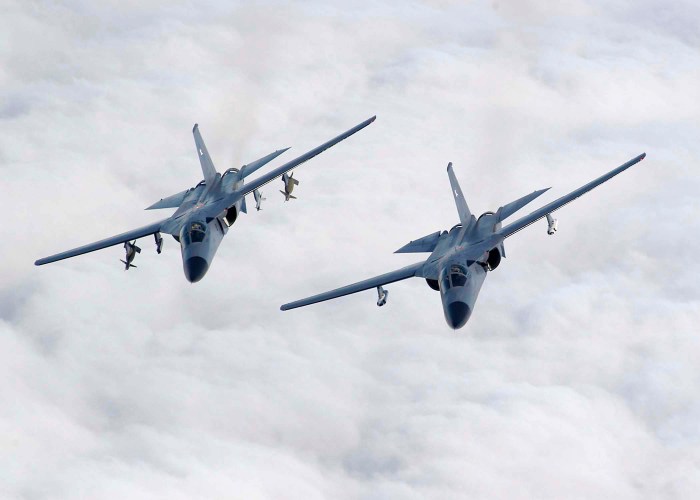

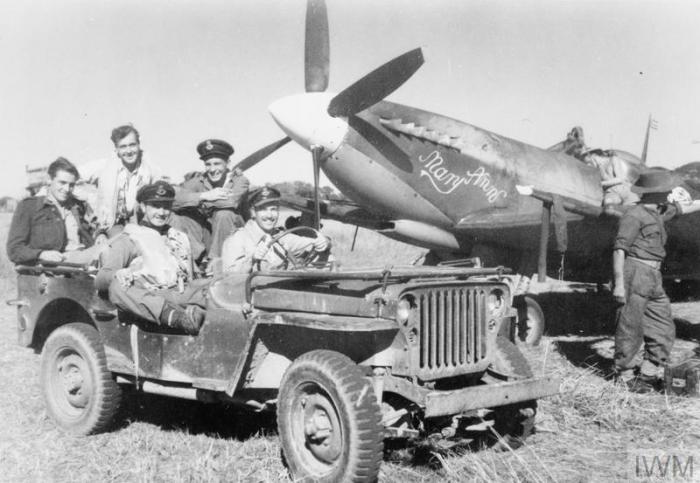
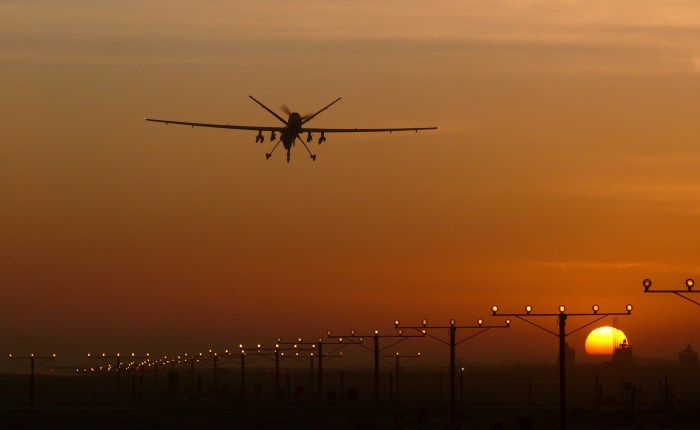
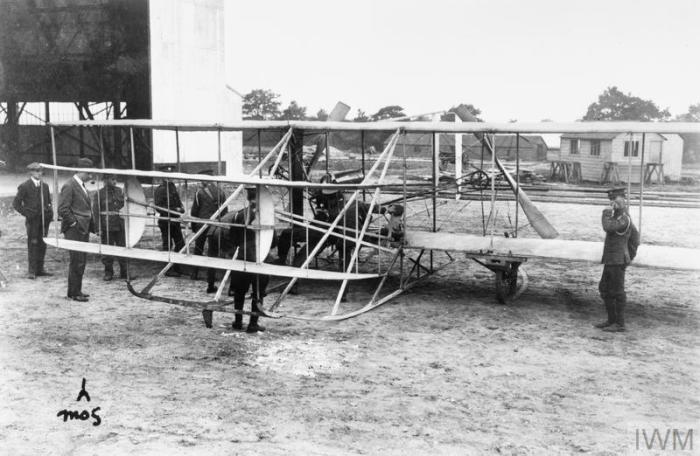

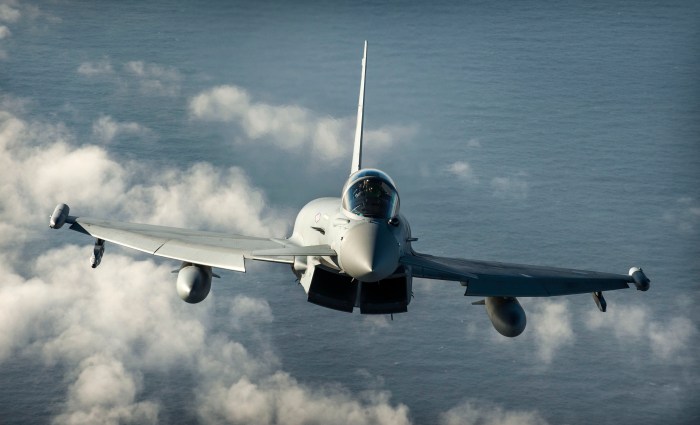

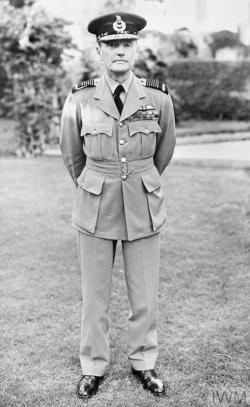
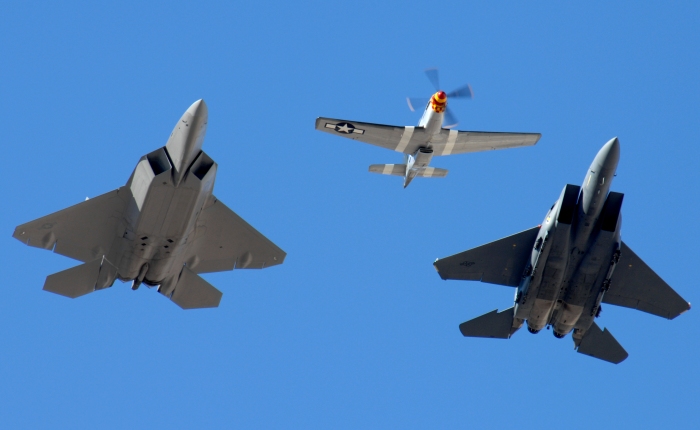


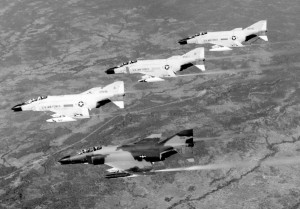
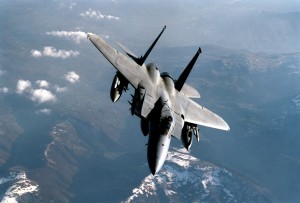
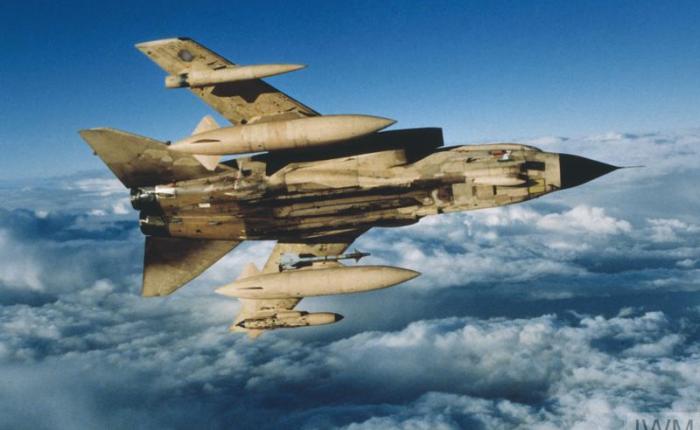

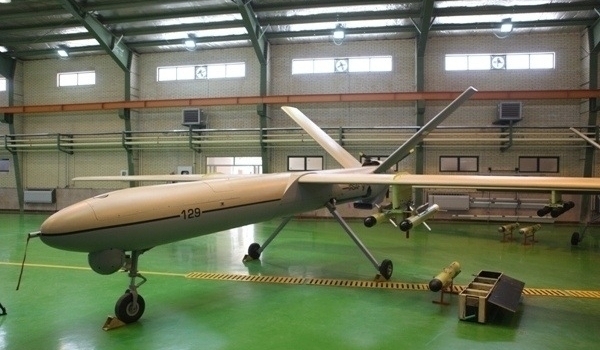

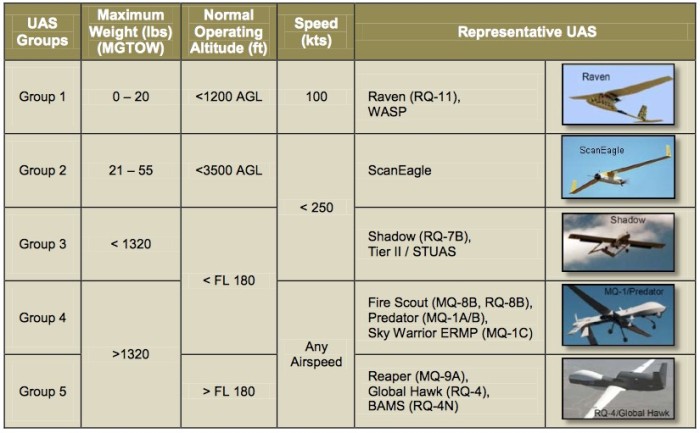





 From Balloons to Drones


