Kathy Wilson, Marshall’s Great Captain: Lieutenant General Frank M. Andrews and Air Power in the World Wars. Lexington, KY: University Press of Kentucky, 2024. Illustrations. Appendix. Notes. Bibliography. Index. Pbk. 273 pp.
Kathy Wilson highlights the career of a key player in US air power history in Marshall’s Great Captain: Lieutenant General Frank M. Andrews and Air Power in the World Wars. This is a much-needed and valuable contribution about a senior leader of the US Army Air Corps (USAAC) and the Army Air Forces (USAAF) – a leader who was a driving force behind American air power, yet not a well-known figure to our reading public. Who was the namesake of Andrews Air Force Base (now styled as Joint Base Andrews), located in Prince George’s County, Maryland, and currently the primary military airbase serving America’s capital city?
Wilson, an independent scholar and Writing Fellow for Norwich University, published Marshall’s Great Captain as part of the University Press of Kentucky’s Aviation and Airpower Series, edited by US Air Force Academy command historian Brian Laslie. Wilson’s narrative begins with Andrews’s time at West Point (Class of 1906) and ends with his untimely death due to an aircraft accident on 3 May 1943. The author correctly argues that the extant works on Second World War air power leadership gloss over Andrews’s career and fail to fully explain his significant contributions. Wilson rectifies this oversight with this thoroughly researched volume.
After a brief introduction and prologue, the latter teasing the reader with the circumstances of Andrews’s final flight and Consolidated B-24 crash, Chapter 1 succinctly covers the subject’s time at West Point and first 11 years in the US Army as a cavalry officer. A descendant of Confederate cavalry officers and related to two Tennessee governors, Andrews thrived as a young leader. In 1914, he married Jeanette ‘Johnnie’ Allen, daughter of a senior Army cavalry commander.
As Wilson explains in Chapter 2, Andrews transferred to the US Army Signal Corps’ Aviation Division, forerunner of the US Army Air Service and USAAC, in 1917 but did not see action overseas. His contributions during the First World War included staff duty in Washington, D.C., and command of Rockwell Field in southern California. By 1918, he was a 38-year-old temporary Lieutenant Colonel. In the early 1920s, he served in Germany in the Army of Occupation. A series of typical assignments followed, to include attendance at all three of the US Army’s professional schools: Air Corps Tactical School, Command and General Staff School, and Army War College. This chapter provides extensive context about US air power in the 1920s and early 1930s, including coverage of the Billy Mitchell trial, air-coastal defence experiments, and the Air Mail fiasco of 1934.
The next two chapters examine Andrews’s appointment to and service as Commanding General, General Headquarters (GHQ) Air Force, and the development of the Boeing B-17 bomber. Once again, Wilson provides extensive background, this time explaining the various boards and commissions investigating US air power, to include the Drum Board (1933) and the Baker Board (1934). In early 1935, US Army Chief of Staff General Douglas MacArthur appointed Andrews to serve as the first commander of GHQ Air Force. Comprising three under-resourced wings, the new GHQ Air Force was to serve as the Army’s air strike force, and here Andrews took charge of operations and training for the Air Corps. Wilson recounts his challenges stemming from a fragmented command structure in which the Chief of the Air Corps was responsible for supply, procurement, funding, assignments, and other supporting functions. At the same time, Army regional commanders exercised control over bases, maintenance, and court-martial authority. During his four years commanding GHQ Air Force, Andrews increased combat efficiency for USAAC, advocated for the long-range B-17 bomber, and, through air demonstrations and humanitarian flights, raised public awareness of the capabilities of US air power. He also established a solid relationship with a future mentor, then Brigadier General George Marshall, during the summer of 1938 by hosting the latter at GHQ and providing him with a personal tour of USAAC bases across the country. This visit paid dividends in two ways: it established a sense of trust between the two leaders, and it provided Marshall—then serving as the new Chief of Plans for the Army – with a solid understanding of air power’s roles, missions, and capabilities.
Boeing XB-17 (Model 299). (Source: Wikimedia)
Marshall became US Army Chief of Staff in September 1939 and appointed Andrews as the Assistant Chief of Staff, G-3, or chief of operations and training for the Army. Andrews was the first aviator to serve in this critical role for the Army, and, according to Wilson’s Chapter 5, it ‘was the most important and impactful assignment of Andrews’s career.’ (p. 105) Here, Andrews played an essential role in preparing the US Army for future combat in the Second World War, including establishing the Armored Force, improving training for the National Guard, setting up the Army’s emerging airborne infantry capability, and generally better integrating air units with Army operations. Chapter 6 then covers Andrews’ increased responsibilities first as commander of USAAC units in the Panama Canal Zone and then as overall US Army commander of the Caribbean Defense Command. These were important roles given American fears of potential Axis interference with the Panama Canal. Andrews demonstrated his expertise in reorganising forces, building and improving facilities, nurturing relationships with regional Allies, and most importantly, improving combat readiness.
Chapter 7 continues the Andrews story by describing the subject’s role as Commander, US Forces Middle East, starting in November 1942, and then as Commander, US Forces European Theater of Operations (ETO) beginning in February 1943. In these responsibilities, Andrews once again excelled at organising, training, and employing forces against the Axis. As ETO Commander, headquartered in London, he oversaw the rapid buildup of US Army ground units for Operation OVERLORD and the US 8th Air Force for the Combined Bomber Offensive; throughout, he maintained an excellent working relationship with his British counterparts.
In the final chapter, Wilson details the planned trip from London back to the United States via Iceland on 3 May 1943, which ended in a tragic crash due to poor weather. Her epilogue speculates – using the best available evidence – what next role Andrews may have taken on had he lived. Unfortunately, Andrews’ story ends too early.
Some key themes emerge throughout Wilson’s narrative. In mentioning the leadership style and personality of the gregarious and hard-charging USAAF Commanding General Henry ‘Hap’ Arnold, admiration of Andrews’s soft-spoken, gentlemanly demeanour is obvious. In all his roles, Andrews sought to educate superiors, peers, and subordinates about air power, not to antagonise them as other airmen sometimes did. Andrews’s relationship with George Marshall was important not only for the former’s rise through leadership positions but also for Marshall’s clear understanding of air power’s role in its various capacities. Finally, Wilson skilfully describes the technical development and acquisition processes of US aircraft, topics seldom mentioned in similar histories of this formative period for American air power.
This reviewer submits only one minor complaint about this study. Several verbatim quotes appearing throughout the volume are unattributed in the text, requiring the reader to flip to the note pages at the end of the book to determine the source. Many of these are lengthy. For example, page 115 presents an extensive excerpt on Marshall’s approach to selecting Army leaders, with no clues about the source. The endnote at the back of the book reveals that this was a quotation from a 1943 New York Tribune article by a staff writer.
Nevertheless, Wilson’s well-researched biography of Frank Andrews is a welcome addition to our understanding of air power leadership during the interwar years and the Second World War. Andrews was a key player, skilled in diplomacy yet laser-focused on organisation, training, and readiness. Airmen today have much to learn from Frank Andrews’ story.
Dr John J. Abbatiello earned his PhD from King’s College London’s War Studies program in 2004. After 18 years of faculty service at the US Air Force Academy’s Department of History and Center for Character and Leadership Development, he then served as the Training and Education Branch Chief for North American Aerospace Defense Command and US Northern Command. He is the author of Anti-Submarine Warfare in World War I: British Naval Aviation and the Defeat of the U-Boats (Routledge, 2006) and a chapter on Lewis Brereton in The Worst Military Leaders in History (Reaktion Books, 2022).
Header image: General Frank M. Andrews, theatre commander of US forces in the ETO, was responsible for directing the American strategic bombing campaign against Germany and for planning the land invasion of occupied western Europe, 1943. (Source: Wikimedia)
Editorial note: This post originally appeared on the author’s website and is cross-posted here with permission.
In 1922, an interesting episode in the history of the Royal Australian Air Force (RAAF) began. In October 1922, the Secretary to the Department of Defence, Thomas Trumble, wrote to the Secretary of the Prime Minister’s Department, noting that as the RAAF constituted an independent service, Air Board and Air Force members should be afforded representation at official functions.[1] Its precedence was to come after the Australian Army. The Prime Minister’s Department’s reply was straightforward, noting that:
[a]rrangements will be made for the inclusion of representatives of the Air Force in connection with any general function to be held by the Commonwealth Government.[2]
Such a straightforward administrative request should have ended, but it did not. In 1924, the Governor-General sent a memorandum to the Prime Minister, Stanley Bruce, that ‘no precedence was accorded’ to the First Air Member at the inaugural dinner of the Lord Mayor of Melbourne that he recently attended.[3] It was suggested that to solve this issue, changes should be made to the Commonwealth Table of Precedence, namely paragraph 10.
While the changes suggested were eventually made, this episode highlights several issues related to the status of the RAAF and its emerging place in Australia’s defence establishment. First, the RAAF appeared to have a clear ally in the form of the Governor-General, Lord Forster. While Forster had not served in the military, he saw air power as important to Australia’s defence. In his memorandum to the Prime Minister, he wrote:
In view of the great and growing importance of the Air Service […] it would be desirable that the head of the Air Force should in future receive definite recognition on such occasions.[4]
Given the status of the Air Board in Australian defence planning, this is an interesting comment.[5]
Second, the issue that happened and had to be raised by Lord Forster illustrates the place of the RAAF in Australian thinking more broadly. Despite this issue being raised more than two years previously, nothing appears to have been enacted. Thus, it can be suggested that despite gaining its independence in 1921, Australian thinking had yet to adjust to the idea of an independent air force.[6] Thus, while orders of precedence may seem a curious relic to the modern audience, such things matter to the military cultures, especially to new organisations such as air forces. They are a status issue and illustrate to the broader public where an organisation might fit within the government’s thinking. By not giving the proper order of precedence to the RAAF, it could be argued that a clear message was being presented to the Australian body politic – independent air power did not matter. But was that so?
Dr Ross Mahoney is the Editor-in-Chief of From Balloons to Drones and an independent scholar specialising in the history of war with particular reference to the use of air power and the history of air warfare. He is currently the Senior Historian within the Heritage Policy team at Brisbane City Council in Australia. He has nearly 20 years of experience in the education, museum and heritage sectors in Australia and the United Kingdom. Between 2013 and 2017, he was the inaugural Historian at the Royal Air Force Museum in the UK. In Australia, he has worked as a Historian for the Department of Veterans’ Affairs and taught at the Strategic and Defence Studies Centre at The Australian National University based at the Australian War College. His research interests are focused on the history of war, specifically on the history of air power and air warfare, military leadership and command, military culture, and the history and development of professional military education. He also maintains an interest in transport history. He has published numerous articles, chapters and encyclopedia entries, edited two books, and delivered papers on three continents.
Header image: Port view of a RAAF De Havilland DH-9. This aeroplane was one of 128 gift aeroplanes presented by the British government to the newly formed RAAF, including thirty DH.9a (Source: Australian War Memorial)
[1] National Archives of Australia (NAA), A705, 4/1/35, Secretary, Department of Defence to the Secretary, Prime Minister’s Department, 14 October 1922.
[2] NAA, A705, 4/1/35, Secretary, Prime Minister’s Department to the Secretary, Department of Defence, 17 October 1922.
[3] NAA, A705, 4/1/35, Memorandum by the Governor-General to the Prime Minister, 11 November 1924.
[4] NAA, A705, 4/1/35, Memorandum by the Governor-General to the Prime Minister, 11 November 1924.
[5] John MacCarthy, Australia and Imperial Defence, 1918-39: A Study in Air and Sea Power (St Lucia, QLD: University of Queensland Press, 1976), p. 27.
[6] MacCarthy, Australia and Imperial Defence, pp. 34-43.
Since the establishment of the National Advisory Committee for Aeronautics (NACA) in 1915, it had worked closely with the United States Navy. Not only had the US Navy partnered with NACA, but the creation of the latter was also a rider to the former’s funding bill.[1] This history of NACA has been overshadowed by its successor, the National Aeronautics and Space Administration (NASA), into which the former was absorbed in 1958. Thus, much of the critical work by NACA has been overlooked. Indeed, if NACA is remembered at all, it is for using wind tunnels in aeronautical research, but there was much more that it was responsible for. This article redresses this deficit by examining how NACA used water tanks in seaplanes’ aeronautical and hydronautical advancements after the First World War. It also highlights the people and agencies involved in the research and the means of conducting the research.
The United States Navy, Seaplanes, and the First World War
The US Navy, realising that aircraft would play a vital role in any future war, recognised that something had to be done to improve its readiness and improve its fleet of seaplanes The US Navy partnered with NACA to investigate and perform research on its aircraft, including seaplanes and flying boats. These planes would be critical in defence and coastal patrols. As a part of the first line of defence against German U-boats, the seaplanes would be a priority for the US Navy. The seaplane was considered a fixed-wing aircraft with a fuselage designed for floatation and containing a hull.[2] However, because it realised that aviation was still a technology in its infancy, the US Navy requested that NACA help make the naval seaplanes as efficient as possible. NACA, in supporting the tasking of the US Navy through its work on seaplanes, ensured a long and productive close bond with the Navy.
By the end of the First World War, the US Navy had several seaplanes with varying hulls, float types, and missions. These seaplanes operated from bases on shores because the US Navy did not have aircraft carriers or capital ships to launch such craft. The prevailing view then was that if the enemy were to attack, it would be by submarine, so it made sense to send patrols out from the shore to search for submarines. Several kinds of seaplanes were designed and used by the US Navy during the First World War. In 1919, Commander H.C. Richardson, the Superintending Constructor of Naval Aircraft for the US Naval Buffalo district in Buffalo, New York, who had also been Secretary to NACA’s main committee on formation in 1915, explained that:
[t]he principal work was done with two types of seaplanes, namely, the HS-2, the single-motored plane developed from the HS-1, and the H-16, a copy of an English seaplane.[3]
These two seaplanes were used because they were the most readily available. This shows how poorly the US Navy seaplane fleet was in 1919. However, according to Richardson:
The Navy Department fully appreciate[d] the desirability of experimenting to improve existing types and the development of new types of seaplanes and airplanes, directed to the solution of those problems which have arisen in the war and, more particularly, to the development of seaplanes or airplanes for operation with the fleet.[4]
Richardson was an active proponent of seaplanes for the US Navy. Therefore, because of the efforts of those such as Richardson, the US Navy was on track to update its seaplane fleet.
Unfortunately, the seaplanes of this period were unscientifically constructed. Their range was not that far, and their stability in flight left much to be desired. Actual aerodynamic testing was needed to ensure that any aircraft was worthy of combat and that the seaplanes were no exception. Richardson wrote in 1919 that:
[t]he problem confronting the Navy was largely determined at the time the United States entered the war [1917] by the fact that the operations of the German and Austrian fleets had been reduced principally to minor raids […] and the only real sea-going operations comprised the activity of submarines.[5]
This would be the primary mission of the seaplanes for many years: the patrol of waters in search of submarines. The submarines’ effect in the First and Second World Wars should not be taken lightly. The amount of cargo tonnage that could be destroyed by an undetected submarine could be immense.
Richardson’s 1919 article is crucial as he addressed the US Navy’s needs and how the seaplanes could aid it. His outline reads almost like a ‘wish list’ that NACA would eventually find itself working on. First, Richardson felt that performance, first and foremost, relied upon horsepower. He argued that:
[t]he performance in power flight is determined by the horsepower required and the horsepower available, and of course, the latter must always exceed the former or power flight is not attainable.[6]
Considering that Richardson wrote this in 1919, he seems to have firmly grasped the needs of seaplanes. However, the power plants of any aircraft currently were still in an age of infancy. As such, Richardson’s idea that seaplanes were reliant on horsepower was unfortunately ahead of the technology that would make the machines efficient.
Richardson also understood that lift was an essential component of flight. He explained that:
[t]he lift of an airplane surface and its resistance to advance are determined by the lift and drift factors, which vary with the type of section used and also with the angle of attack at which the surface is presented to the relative stream of air.[7]
The US Navy realised, however, as much as Richardson showed advanced thought on the subject, that the research involved was outside the Service’s scope. NACA, set up as an agency that was available to help government and civil agencies in aeronautics research, would be the agency to help the US Navy address the fundamental science of seaplane aeronautical research.
A Curtiss H-16 at the Langley Aeronautical Laboratory at Hampton, Virginia, c. 1929. (Source: Wikimedia)
The Importance of NACA’s Research
While often overshadowed by NASA, the work of NACA deserves examination because of the enormity of its contribution to aeronautics. As NASA historian James Schultz explained:
[t]hroughout its history, with research and applied engineering, the Center [Langley] has been responsible for some of the 20th century’s fundamental aeronautical and aerospace breakthroughs. The Nation’s first streamlined aircraft engine cowling was developed at Langley Laboratory […] the tricycle landing gear; techniques involving low drag-producing flush riveting; [and the] development of the sweptback wing.[8]
Similarly, historian Michael Gorn asserted:
[t]he proliferation of wind tunnels [about thirty had been built at Langley up to the 1950s] reflected the NACA’s true institutional identity: it concentrated on aeronautics.[9]
While Gorn is correct, NACA could not have focused solely on aerodynamics and prospered. Aerodynamics was just one piece of what NACA did. It was established to investigate all flight modes, and hydrodynamics was a crucial part of NACA’s work. While not as aerodynamically sophisticated as land planes, seaplanes and flying boats needed hydrodynamical studies to meet the needs of the US Navy. It is a mistake to overlook this field that so many within NACA worked on.
Once NACA started its research on hydrodynamics, it did so without any presumptions and began its research by looking at the fundamentals of the aircraft. George W. Gray, in his early history of NACA, explained this adeptly. He stated that:
[a] large part of the effort of the hydrodynamic staff at Langley has been expended upon the twin problems: trying to effect a seaplane body that will combine low water resistance with low air drag.[10]
Even before this, however, the question was whether seaplanes could even take flight. Then, again, the problem was that of power plants. As Gray pointed out, the studies:
[h]ad yielded some disappointing surprises: new designs that would not take off at the speeds planned or that would not lift the desired loads at any attainable take-off speed.[11]
With the water tanks of NACA, however, the guesswork was taken out of the equation. However, none of this would have been possible, at least in a reasonable amount of time, without some organisation to make it happen.
Langley and the Water Tanks
Langley, located at Hampton Virginia, was NACA’s research centre, established in 1917. It focused primarily on aeronautical research but would eventually be used to test space equipment such as the Apollo lunar module. However, the first ten years at Langley comprised only the testing of aeroplanes. There was no work at all done on seaplanes. To do this work, NACA had to have something other than a wind tunnel to test the seaplanes.[12]
The drag tank also called a tow tank, drag tunnel, or even the drag basin, was the solution to the research needed. Gray stated that:
[m]any of the studies in wind tunnels were applicable to seaplanes, and they in common with landplanes benefited from improvements in wings, propellers, engine cowlings, and other developments of the 1920s.[13]
The study variables were applicable, but these were still seaplanes, and there was a need to test them in water. Gray elaborated that NACA knew that it needed a better way to test the seaplanes:
[i]t was recognised that the airplane on the water has problems that are not shared by the airplane in the air or on the landing strip, and in 1929 the Committee in Washington decided to enlarge the organisation and equipment at Langley to provide for research in hydrodynamics.[14]
It was then that hydrodynamic research began at Langley.
Langley constructed two tanks: tank number one and tank number two. Tank number one became operational on 27 May 1931 for $649,000.[15] Its purpose was ‘to study the hydrodynamic resistance and other performance features of water-based aircraft.’[16] A vital design team member was Starr Truscott, who published numerous studies based on research from tank one. A few additions were made to the tank, including a new higher-speed (80-MPH) carriage (a rail that the aircraft being tested sits on) installed in 1936-1937 and a tank extension of 900 feet to 2,960 feet in 1936.[17] Eventually, the need for another tank would arise, leading to the construction of tank two.
Tank number two, operational on 18 December 1942, again had Truscott, along with John B. Parkinson and John R. Dawson, on the design team.[18] The basin was 1,800 feet long by 18 feet wide and 6 feet deep. It also had a 60-MPH carriage.[19] The express purpose of tank number two was ‘to test models of floats for seaplanes and hulls for flying boats by dragging them through seawater.’[20] According to Gray, the significance of tank two was that:
[r]esearchers experimented with radical departures from accepted hull design, trying to find the specifications for a seaplane body that would combine freedom from porpoising and skipping, low water resistance, and superior performance in the air. Out of these experiments came a novel design known as the hull with a planing tail.[21]
Every step in the building of the tanks, from the basin to the tires on the towing carriage, had to be carefully thought out to ensure the best product for research use. Truscott, one of the designers of both tanks, realised that using NACA tanks required certain necessary features solely for use with the seaplanes.[22]
Truscott related that the tank located at Langley was:
[o]f the Froude type; that is, the model which is being tested is towed through still water at successive constant speeds from a carriage spanning the tank. At each constant speed, the towing pull is measured, the trim and the rise, or change of draft, are recorded and, if the model is being towed at a fixed trim, the moment required to hold it there is measured and recorded.[23]
The tank itself was covered by an enclosure meant to protect it from the water itself (so that turbulent water after a test could settle more quickly), wind, and the weather, rather than to provide any comfort to the engineers.[24]
Pneumatic tires were installed and were ‘each driven by an independent electric motor through a single-reduction herringbone pinion and gear. The […] tires are high-speed bus or truck tires, with smooth treads.’[25] The carriage had to have the means to propel itself, which was achieved using ‘our electric motors propelling the car […] nominally of 75 horsepower, but for short periods they may be safely called upon to deliver 220 horsepower each.’[26] ‘Finally, the device used electrical braking to break the current for regenerative braking.’[27]
Given the construction of the tanks, much work had to come together to test seaplanes. Of course, the whole purpose was to test the seaplanes for fundamental problems that could inhibit the aircraft’s performance. Resistance, porpoising, skipping, and performance were why the tanks existed. Solutions to these problems were needed for a more efficient aircraft. NACA engineers sought to reduce resistance; the force encountered when a plane is in the air moving forward or a seaplane in water, to help with take-off and landing.
Porpoising, a dangerous event that often occurs in the water, is something that NACA was tasked to find a solution to. According to Kenneth Davidson and F. W. S. Locke, Jr., writing for the Stevens Institute of Technology in 1943:
[p]orpoising is a self-sustaining oscillatory motion in the vertical longitudinal plane [… ] and can originate in an instability of the uniform longitudinal motion in smooth water […] in the words of one test pilot, it is always unpleasant and it may be catastrophic.[28]
Essentially a seaplane will move up and down in the water out of control of the pilot. So it is easy to understand why the US Navy was interested in the dynamics of porpoising and what needed to be done to eliminate it. If left unchecked, not only could the seaplane not fly, but it could also be damaged, or worse yet, the pilot injured or killed.
Performance was made up of several things. Engine performance, aerodynamics, and propellers were factors in all aircraft, but with the seaplane, there was a demanding service life on the water. In addition, s were composed of thousands of rivets, so corrosion was a considerable fear. It could be disastrous if the corrosion worked through a rivet at the wrong time. The hull of the seaplane was another vital factor. The construction, what it was made of, the aerodynamics, and how to prevent porpoising and skipping of the aircraft were things that NACA still needed to work out.
With the tow tanks available, miniature models could be constructed of the hulls or floats of the seaplanes, put upon the carriage, and pulled at the desired speed. If the results did not achieve the desired results, costly mistakes could be prevented. This opened new doors for aeronautical research that paid huge dividends in the coming years. While NACA was still beginning its seaplane research, progress would come more rapidly with the tow tanks at hand.
Fundamental Research
In 1935, NACA found itself in a position to make future research easier. Engineer Antonio Eula performed tank tests on seventeen different hulls and floats.[29] Eula purposely picked a random number of floats that had been tested in the laboratory over the last few years. He did this because:
[i]t affords an opportunity to draw some general conclusions regarding seaplane floats of given weight, given wing structure, any given position of the center of gravity.[30]
Another reason is that not much data existed to make work easier for future engineers. His most important conclusion drawn from the tests was that ‘the best models have a maximum relative resistance not exceeding 20 percent of the total weight.’[31] Just that information itself was enough to help any future engineers working with the drag tanks to give them a starting point from which to work.
Along with porpoising, skipping continued to be a problem with seaplanes. During the Second World War, the problem of skipping was considered a significant enough problem that needed further research. In 1943, John B. Parkinson at NACA addressed the problem. He began by defining just what skipping was. He reported that ‘skipping is a form of instability encountered in water take-offs and landings, so-called because of the resemblance of the motions of the seaplane to those of a skipping stone.’[32] Rising out of the water before the seaplane achieved flight was hazardous. A plane entirely out of the pilot’s control can lead to injuries, if not death.
One of the critical problems with the testing up to this point was that scientific testing had not occurred. Parkinson explains that ‘investigations of skipping have been mainly qualitative and the data have been based on the impressions of pilots or observers.’[33] Using models and even full-size aircraft for testing, Parkinson established that instability caused most problems. Using measurements taken from the fore and aft of the step-in hull helped determine where the problem for each type of seaplane was located. Once that was established, the engineers could make the corrections. Of course, it could never eliminate all problems because any seaplane on the water is prone to unpredictable water. However, it did go far in helping establish methods to solve the skipping problems.
It was realised that the research had to be compiled to make it easier for future engineers to find the information they were looking for. So, in September 1945, engineers James M. Benson and Jerold M. Bidwell released a bibliography containing information about seaplanes.[34] In this bibliography, many details covering everything from conventional hulls and floats to floating and handling were written about in a way that compiled the common information in past reports. Not only would this make it easier for future researchers, but the bibliography also pointed out areas in which more work needed to be done. Examples such as this are one of the reasons that NACA was able to achieve the success that it had.
A US Navy Consolidated PB2Y-3R Coronado transport aircraft loads cargo at the Pan American Airways dock, Treasure Island, California in January 1943. (Source: Wikimedia)
NACA Water Tank Research and its Impact on Second World War Seaplanes
The Consolidated PB2Y Coronado is an example of how this research aided in Seaplane use during the war. In its original design, when fuelled for a long-range mission, this seaplane had a gross weight of 46,000 pounds of which 3,000 pounds was the payload. The US Navy wished to increase the payload.[35] Using models of the Coronado in Tank No. 1, the NACA changed the line of the step of the hull and installed ducts for ventilating the bottom area aft of the step. This increased the gross weight to 68,000 pounds, of which 12,000 pounds was payload. It’s stability was so assured that the plane, during its war service in the Pacific Islands was repeatedly used to make landings on dark nights when the seeing is poor, and the craft must descend on a steady glide path until water is touched, a more hazardous procedure than daylight landing.[36]
Conclusion
The success of NACA was based on hard work and dedication to research. Working alongside government agencies such as the US Navy and even civilian aircraft manufacturers, NACA helped the United States evolve from a country far behind Europe in aeronautical research to the world’s leader in aeronautical research. The research conducted on seaplanes, long overlooked, helped refine the seaplanes, and even today, seaplanes are still in use.
Jay C. Shaw graduated with a bachelor’s in history from Columbia College in Columbia, Missouri, in 2016. He began work on his PhD in History with the University of Missouri – Columbia in 2022. He retired in 2016 from the US Air Force as an Aerospace Ground Equipment Craftsman in support of both the C-130 Hercules and the B-1B Lancer airframes. He volunteered at the Army Engineer School History Office at Fort Leonard Wood for over a year, where he worked more than 350 hours proofing sources for a book on the history of the Army Engineer School.
Header image: Digging the channel for Tank No. 1. In the late 1920s, the NACA decided to investigate the aero/hydro dynamics of floats for seaplanes. A Hydrodynamics Branch was established in 1929 and a special towing basin was authorized in March of that same year. (Source: Wikimedia)
[2] While modern definitions of seaplanes, flying boats and float plane are more clearly defined. At the time NACA was formed, the language used was less clearly defined. As evidence by Richardson’s article cited beloew, it is clear that the types of aeroplanes discussed would, by modern defintion be considered flying boats. However, he refers to them as seaplanes.
[3] H. C. Richardson, ‘Airplane and Seaplane Engineering,’ SAE Transactions 14 (1919), p. 334.
[4] Richardson, ‘Airplane and Seaplane Engineering,’ p. 365.
[5] Richardson, ‘Airplane and Seaplane Engineering,’ pp. 333-4.
[6] Richardson, ‘Airplane and Seaplane Engineering,’ p. 338.
[7] Richardson, ‘Airplane and Seaplane Engineering,’ p. 338.
[8] James Schultz, Crafting Flight: Aircraft Pioneers and the Contributions of the Men and Women of NASA Langley Research Center (Washington, D.C.: National Aeronautics and Space Administration, 2003), p. 25.
[9] Michael H. Gorn, ‘The N.A.C.A. and its Military Patrons during the Golden Age of Aviation, 1915-1939,’ Air Power History 58, no. 2 (2011), p. 25.
[10] George W. Gray. Frontiers of Flight (New York: Knopf, 1948), p. 67.
[15] James, R. Hansen, Engineer in Charge: A History of the Langley Aeronautical Laboratory, 1917-1958 (Washington, D.C.: National Aeronautics and Space Administration, 1987), p. 450.
Established in 2016, From Balloons to Drones is an online scholarly platform that analyses and debates air power history (including aviation history), theory, and contemporary operations in their broadest sense, including space and cyber power. To date, we have published over 250 articles on various air power-related subjects.
Since its emergence at the start of the 20th Century, air power has increasingly become the preferred form of military power for many governments. However, the application and development of air power are controversial and often misunderstood. To remedy this, From Balloons to Drones seeks to provide analysis and debate about air power through the publication of articles, research notes, commentaries, book reviews, and historic book reviews – see below for a description of the range of articles published.
The study of air power is to be understood broadly, encompassing not only the history of air warfare, including social and cultural aspects, but also incorporating contributions from related fields, such as archaeology, international relations, strategic studies, law and ethics. Possible subjects to be explored might include, but are not limited to:
Strategy, Theory and Doctrine | Organisation and Policy | Roles
Operations – Kinetic and Non-Kinetic | Tactics, Training and Procedures
Strategic and Operational Effect | Technological Developments
Ethical and Moral Issues | National, International and Transnational Experiences
Personal Experiences | Culture | Memory and Memorialisation
From Balloons to Drones welcomes and encourages potential submissions from postgraduates, academics, and practitioners involved in researching the subject of air power.
A US Air Force Fairchild C-119B Flying Boxcar air-dropping supplies near Chungju, Korea, in 1951. (Source: Wikimedia)
We publish:
Scholarly Articles
From Balloons to Drones publishes informative, peer-reviewed articles on air power that range from historical pieces to the analysis of contemporary challenges. These well-researched articles aim to bridge the gap between specialist and non-specialist readers. They should be around c. 3,000 words, though From Balloons to Drones will accept longer pieces. We reserve the right to publish them in parts.
Air War Books
From Balloons to Drones publishes a series of review articles that examine the top ten books that have influenced writers on air power. See more here.
Commentaries
From Balloons to Drones publishes opinion pieces on recent news on either contemporary or historical subjects. These should be no longer than c.1,000 words.
Research Notes
From Balloons to Drones publishes research notes on contributors’ current research projects. These take the form of more informal pieces and can be discussions of a source or notes on a recent research theme. These should be c.500 to 1,000 words.
Book Reviews
From Balloons to Drones publishes regular book reviews that aim to be an accessible collection of appraisals of recent publications about air power. If you are a publisher interested in having your publication reviewed, please contact us at the email address below. See more here.
Historic Book Reviews
From Balloons to Drones publishes occasional historic book reviews that aim to be an accessible collection of appraisals of critical historic publications about air power history, theory, and practice. See more here.
Submissions should be submitted in Word format and emailed to the address below with ‘SUBMISSION’ in the subject line. Also, please include a 50-100-word biography with your submission. References can be used, and please be careful to explain any jargon. However, if you are unsure if your idea fits our requirements, please email us with ‘POTENTIAL SUBMISSION’ in the subject line to discuss.
If you are interested in contributing, please email our Editor-in-Chief, Dr Ross Mahoney, at airpowerstudies@gmail.com or via our contact page here.
Header image: A Panavia Tornado GR4 of No. IX(B) Squadron on a training sortie in preparation for deployment to Afghanistan, c. 2012. (Source: Wikimedia)
Adrian Phillips, Rearming the RAF for the Second World War: Poor Strategy and Miscalculation. Barnsley: Pen & Sword, 2022. Notes. Bibliography. Index. Hbk. xxvi + 350 pp.
Reviewed by Dr Matthew Powell
The history of the rearmament of the Royal Air Force (RAF), and the British aircraft industry in the inter-war period, more generally, has undergone a degree of revision over recent decades, mainly through the works of Sebastian Ritchie and David Edgerton. In this work, Adrian Phillips looks to challenge this new orthodoxy. Phillips seeks to show that the RAF adopted an incorrect way of conceptualising air warfare in the mid-to late-1930s. Phillips claims that the Air Ministry and the wider RAF incorrectly prioritised bombers over fighters when rearmament began in the 1930s. Phillips further contends that this prioritisation can be traced back to the theorising of Marshal of the Royal Air Force Lord Trenchard, the RAF’s Chief of the Air Staff in the 1920s. Despite dispelling several myths about RAF expansion in the inter-war period, Phillips does not provide an overly convincing case for several reasons.
The critical issue with Phillips’ book is that it suffers from a general lack of understanding of the wider historical context of the RAF’s development in this period. Despite a relatively extensive bibliography, it appears that many more recent works in this area have not been consulted. This illustrates a broader bias inherent in Phillips’ work, namely that the RAF was wrong in its thinking.
Several examples sufficiently highlight the problem of understanding present in this work. For instance, in seeking to rehabilitate the argument that the RAF took no interest in supporting the British army or developing its capabilities in this area, this has long been questioned by more recent studies showing the case to be far more complex and nuanced than Phillips is willing to give them credit for. Indeed, Phillips’ would have benefitted from a reading of the work of David Ian Hall or this author’s own research. The lack of engagement with such works suggests a wider lack of contextual knowledge of the inter-war period and the pressures the RAF faced regarding their survival as an independent Service.
Concerning issues related to aircraft development, an examination of the various works of Edgerton, would have aided in providing the wider context of the development of the British aircraft industry. This would allow for a greater understanding of the relationship between the Air Ministry and the aircraft industry to be explored within the book. This lack of understanding is a concern in a work of this length. For instance, the Air Ministry is criticised for its decision to continue authorising the production of obsolescent aircraft such as the Fairey Battle (p. 42). Phillips’ argument, however, does not consider the industrial problems of the British aircraft industry in enough depth to demonstrate the difficulties faced by the Air Ministry. For example, officials at the Air Ministry faced the difficult decision of whether to order aircraft from firms to retain labour and gain large-scale production experience or reduce the potential for losing skilled labour. If the latter option were chosen, the teething problems of ramping up production that had been experienced at the start of the rearmament drive would be experienced again.
Moreover, there also appears to be a further lack of specific understanding of the wider aircraft industry and the challenges the Air Ministry faced in getting aircraft through the design and development programme. This is used, again, as a stick with which to hit the Air Ministry, without taking the time to develop a more nuanced argument by considering the lead times from specifications being issued to the first production batch being delivered (p. 107). Aircraft that emerged from aircraft firms and went on to be household names during the Second World War were going through the design and development process at the time decisions were being made to expand the RAF and fall into the quantity versus quality argument that was had by those in the Air Ministry responsible for this area. Phillips is, however, correct in highlighting that this left Bomber Command with a significant capability gap from the start of the war in 1939 until the introduction of the four-engined Lancaster heavy bomber in 1941.
Combined with the issue of contextual understanding, Phillips’ work suffers from a degree of hindsight bias. Again, this bias is used to illustrate that the RAF were wrong. For example, the RAF and the wider Air Ministry are criticised for not realising the importance of the experiments being conducted by Robert Watson-Watt in developing a basic air defence system (pp. 30, 130-1). This feels like an overly harsh criticism given that the technology was being developed as decisions on arming the RAF were being made. Furthermore, a potential failure in this technology meant facing a similar problem to that of the First World War regarding advanced warning of incoming enemy aircraft.
Despite these criticisms, the chapters analysing the relationship between the wider government and the Air Ministry are the most engaging. They provide a real depth of understanding of the dynamics at play between the two. However, even here, there is a degree of reading history backwards and criticising the RAF on decisions where those looking after the event know what happened, but the protagonists do not.
A Vickers Vildebeest I on display at King George V’s Jubilee Review at Mildenhall, July 1935. (Source: IWM)
As well as the areas identified above, several stylistic issues exist with the book’s structure and form. This makes gaining any momentum in the argument and analysis challenging to sustain. The book comprises 38 chapters, which, given the size of the work, means most are relatively short and jump around the topic area, thus making the overall argument and analysis challenging to follow. There is also a lack of analytical consistency tying each chapter together and a tendency to move around chronologically without setting the ideas being discussed in context, especially if they had been mentioned in previous chapters. This truncated style leaves an impression that a tighter structure would have helped with the flow of the argument and would have aided in making the links between developments clearer. In addition, a clearer statement of intent at the beginning of each chapter would have aided readers in understanding what the author wanted them to take away in terms of argument and viewpoint.
Critically, one of the significant issues with this work’s presentation is the lack of references within each chapter. Many statements lack supporting evidence (either primary or secondary), and quotes are also left unsupported. For example, chapter 2, which looks at the period when Sir Hugh Trenchard becomes Chief of the Air Staff for the second time, has only one reference, despite plentiful sources. Additionally, the primary evidence cited has been chosen to suit a particular pre-formed argument rather than the argument formed by the available evidence (of which the files in The National Archives alone are plentiful).
Overall, this attempt at post-revisionism largely fails in presenting a depth of analysis through the poor use of references and available evidence. It feels as if the author had their argument in mind before the research. The traditional bashing of the RAF of the inter-war period has yet to disappear from the annals of history.
Dr Matthew Powell is a Teaching Fellow at Portsmouth Business School at the Royal Air Force College, Cranwell. He holds a PhD in Modern History from the University of Birmingham. His first book The Development of British Tactical Air Power, 1940 1943: A History of Army Co-operation Command, was published by Palgrave Macmillan in 2016. He has published in War in History, The Journal of the Royal United Services Institute, Air and Space Power Review and the British Journal of Military History. His current research investigates the relationship between the Air Ministry and the British aircraft industry in the inter-war period.
Header image: The prototype Supermarine Spitfire, K5054, c. 1936. (Source: Wikimedia)
Editorial note: In this series, From Balloons to Drones highlights research resources available to researchers. Contributions range from discussions of research at various archival repositories to highlighting new publications. As part of this series, we are bringing you a monthly precis of recent articles and books published in air power history. This precis will not be exhaustive but will highlight new works published in the preceding month. Publication dates may vary around the globe and are based on those provided on the publisher’s websites. If you would like to contribute to the series, please contact our Editor-in-Chief, Dr Ross Mahoney, at airpowerstudies@gmail.com or via our contact page here.
Articles
Kristen Alexander and Kate Ariotti, ‘Mourning the Dead of the Great Escape: POWs, Grief, and the Memorial Vault of Stalag Luft III,’ Journal of War & Culture Studies (2022), DOI: 10.1080/17526272.2022.2097774.
In March 1944 seventy-six Allied prisoners of war escaped from Stalag Luft III. Nearly all were recaptured; fifty were later shot. This article examines what happened in the period between recapture and the interment of the dead prisoners’ cremated remains at Stalag Luft III. It positions what came to be known as ‘the Great Escape’ as an event of deep emotional resonance for those who grieved and reveals the dual narrative they constructed to make sense of their comrades’ deaths. In discussing the iconography of the vault constructed by the camp community to house the dead POWs’ ashes, this article also suggests a dissonance in meaning between that arising from personal, familial grief and the Imperial War Graves Commission’s standardised memorial practice. Focusing on the Great Escape’s immediate aftermath from the perspective of the POWs themselves provides a more nuanced understanding of the emotional impact of this infamous event.
Susan Allen, Sam Bell and Carla Machain, ‘Air Power, International Organizations, and Civilian Casualties in Afghanistan,’ Armed Forces & Society (2022), doi:10.1177/0095327X221100780.
Can the presence of international organizations reduce civilian deaths caused by aerial bombing? This commentary examines this question in the specific context of the U.S.-led war in Afghanistan. We evaluate this based on interviews conducted with members of international organizations that were present in Afghanistan during the conflict, existing intergovernmental organizations, nongovernmental organizations, and government reports, and with quantitative data on civilian casualties between 2008 and 2013. We conclude that there is tentative evidence from Afghanistan that international organizations can in fact reduce the severity of civilian killings that result from the use of air power. However, there is much need for greater data sharing to more fully answer this important question.
Derek Lutterbeck, ‘Airpower and Migration Control,’ Geopolitics (2022), DOI: 10.1080/14650045.2022.2094776.
Migration scholarship has thus far largely neglected the role of aircraft in both (irregular) migration and state policies aimed at controlling migration. Drawing inspiration from the field of strategic studies, where ‘airpower’ has been a key theoretical concept, this article explores the role of aerial assets in states’ migration control efforts. The article discusses three main dimensions of the use of airpower in controlling migration: the increasing resort to aircraft for border enforcement purposes – or what can be referred to as ‘vertical border policing’ –, states’ tight monitoring of the aerial migration infrastructure, and the use of aircraft in migrant return operations. As a core element of state power, it is airpower’s key features of reach, speed and height which have made it a particularly useful migration control instrument.
Priya Mirza “Sovereignty of the air’: The Indian princely states, the British Empire and carving out of air-space (1911–1933),’ History and Technology (2022), DOI: 10.1080/07341512.2022.2079370.
Who owns the skies? Under British colonialism, the ownership of the skies of India was a contested matter. The onset of aviation presented a challenge to the territorial understanding between the British and semi-sovereign Indian princes, Paramountcy (1858–1947). Technology itself was a tricky area: roadways, railways, telegraphs, and the wireless were nibbling away at the sovereign spheres which Paramountcy had put in place. This paper looks at the history of aviation in princely India, from aviation enthusiasts such as the rulers of Kapurthala, Jodhpur and Bikaner to subversive princes like the Maharaja of Patiala who worked towards a military air force. The paper tracks the three stages of the journey of aviation in princely India, from individual consumption, to the historical context of World War One which aided its access and usage, and finally, the collective princely legal assertion over the vertical air above them in the position, ‘sovereignty of air’. The government’s civil aviation policy in India remained ambiguous about the princes’ rights over the air till 1931 when their sovereignty of the sky was finally recognised. The paper focuses on the Indian princes varied engagement with aviation, modernity and their space in the world.
Ayodeji Olukoju ‘Creating ‘an air sense:’ Governor Hugh Clifford and the beginnings of civil aviation in Nigeria, 1919-1920,’ African Identities (2022), DOI: 10.1080/14725843.2022.2096566.
This paper focuses on the neglected subject of the beginnings of civil aviation in Nigeria in the aftermath of World War I. Until now, the literature on civil aviation in British colonial Africa had focused largely on Kenya, Central and South Africa and on post-World War II West Africa. This paper, relying on previously unexploited archival material, examines policy debates and options considered by the Colonial Office, the Air Ministry and the Nigerian colonial government. The unique, pioneering aviation drive of Nigeria’s Governor Hugh Clifford took place in the context of immediate post-World War I dynamics: economic vicissitudes, Anglo-French rivalry in West Africa and the policy interface between London and the colonies. This paper demonstrates that aviation development in Nigeria had roots in the early 1920s, and that the initiative was not a metropolitan monopoly, thereby illustrating the extent of colonial gubernatorial autonomy vis-à-vis London.
S. Seyer, ‘An Industry Worth Protecting? The Manufacturers Aircraft Association’s Struggle against the British Surplus, 1919–1922,’ Journal of Policy History 34, no. 3 (2022), pp. 403-39.
The American aircraft industry’s important role in the economic, military, and cultural expansion of the United States over the past one hundred years has been well documented by historians. But America’s twentieth century aerial dominance was not preordained. After World War I, the nascent American aircraft industry faced a concerted British effort to dump thousands of war surplus machines on the U.S. market. With aircraft outside of the nation’s tariff regime, members of the Manufacturers Aircraft Association turned to Congress for emergency protections in the face of what they considered an existential threat. Despite efforts to equate a strong industrial base for aviation with the national defense, aircraft antidumping legislation became mired in partisan debates over tariff policy and accusations of wartime corruption. In the absence of relief from Congress, the Wright patent served as a barrier against the importation of foreign surplus machines.
Ameya Tripathi, ‘Bombing Cultural Heritage: Nancy Cunard, Art Humanitarianism, and Primitivist Wars in Morocco, Ethiopia, and Spain,’ Modernist Cultures 17, no. 2 (2022), pp. 191-220.
This article examines Nancy Cunard’s later writing on Spain as a direct legacy of her previous projects as a modernist poet, publisher and black rights activist. Cunard was a rare analyst of the links between total war, colonial counter-insurgency, and cultural destruction. Noting the desire of both the air power theorist and art collector to stereotype peoples, from Morocco to Ethiopia to Spain, as ‘primitive’, the article brings original archival materials from Cunard’s notes into dialogue with her journalism, and published and unpublished poetry, to examine how she reclaimed and repurposed primitivism. Her poems devise a metonymic and palimpsestic literary geopolitics, juxtaposing fragments from ancient cultures atop one another to argue, simultaneously, for Spain’s essential dignity as both a primitive and a civilised nation. Cunard reconciles Spain’s liminal status, between Africa and Europe, to argue for Spain’s art, and people, as part of a syncretic, universal human cultural heritage, anticipating the art humanitarianism of organisations such as UNESCO.
Books
Stephen Bourque, D-Day 1944: The Deadly Failure of Allied Heavy Bombing on June 6 (Osprey: Osprey Publishing, 2022).
D-Day is one of the most written-about events in military history. One aspect of the invasion, however, continues to be ignored: the massive pre-assault bombardment by the Allied Expeditionary Air Force (AEAF), reinforced by RAF Bomber Command and the US Eighth Air Force on June 6 which sought to neutralize the German defenses along the Atlantic Wall. Unfortunately, this failed series of attacks resulted in death or injury to hundreds of soldiers, and killed many French civilians.
Despite an initial successful attack performed by the Allied forces, the most crucial phase of the operation, which was the assault from the Eighth Air Force against the defenses along the Calvados coast, was disastrous. The bombers missed almost all of their targets, inflicting little damage to the German defenses, which resulted in a high number of casualties among the Allied infantry. The primary cause of this failure was that planners at Eighth Air Force Headquarters had changed aircraft drop times at the last moment, to prevent casualties amongst the landing forces, without notifying either Eisenhower or Doolittle.
This book examines this generally overlooked event in detail, answering several fundamental questions: What was the AEAF supposed to accomplish along the Atlantic Wall on D-Day and why did it not achieve its bombardment objectives? Offering a new perspective on a little-known air campaign, it is packed with illustrations, maps and diagrams exploring in detail the features and ramifications of this mission.
Laurence Burke II, At the Dawn of Airpower: The U.S. Army, Navy and Marine Corps’ Approach to the Airplane 1907–1917 (Annapolis, MD: Naval Institute Press, 2022).
At the Dawn of Airpower: The U.S. Army, Navy, and Marine Corps’ Approach to the Airplane, 1907-1917 examines the development of aviation in the U.S. Army, Navy, and Marine Corps from their first official steps into aviation up to the United States’ declaration of war against Germany in April, 1917. Burke explains why each of the services wanted airplanes and show how they developed their respective air arms and the doctrine that guided them. His narrative follows aviation developments closely, delving deep into the official and personal papers of those involved and teasing out the ideas and intents of the early pioneers who drove military aviation Burke also closely examines the consequences of both accidental and conscious decisions on the development of the nascent aviation arms.
Certainly, the slow advancement of the technology of the airplane itself in the United States (compared to Europe) in this period affected the creation of doctrine in this period. Likewise, notions that the war that broke out in 1914 was strictly a European concern, reinforced by President Woodrow Wilson’s intentions to keep the United States out of that war, meant that the U.S. military had no incentive to “keep up” with European military aviation. Ultimately, however, he concludes that it was the respective services’ inability to create a strong, durable network connecting those flying the airplanes regularly (technology advocates) with the senior officers exercising control over their budget and organization (technology patrons) that hindered military aviation during this period.
Jim Leeke, Turtle and the Dreamboat: The Cold War Flights That Forever Changed the Course of Global Aviation (Dulles, VA: Potomac Books, 2022).
The Turtle and the Dreamboat is the first detailed account of the race for long-distance flight records between the U.S. Army and U.S. Navy less than fourteen months after World War II. The flights were risky and unprecedented. Each service intended to demonstrate its offensive capabilities during the new nuclear age, a time when America was realigning its military structure and preparing to create a new armed service – the United States Air Force.
The first week of October 1946 saw the conclusion of both record-breaking, nonstop flights by the military fliers. The first aircraft, a two-engine U.S. Navy P2V Neptune patrol plane nicknamed the Truculent Turtle, flew more than eleven thousand miles from Perth, Western Australia, to Columbus, Ohio. The Turtle carried four war-honed pilots and a young kangaroo as a passenger. The second plane, a four-engine U.S. Army B-29 Superfortress bomber dubbed the Pacusan Dreamboat, flew nearly ten thousand miles from Honolulu to Cairo via the Arctic. Although presented as a friendly rivalry, the two flights were anything but collegial. These military missions were meant to capture public opinion and establish aviation leadership within the coming Department of Defense.
Both audacious flights above oceans, deserts, mountains, and icecaps helped to shape the future of worldwide commercial aviation, greatly reducing the length and costs of international routes. Jim Leeke provides an account of the remarkable and record-breaking flights that forever changed aviation.
Micheal Napier, Flashpoints: Air Warfare in the Cold War (Oxford: Osprey Publishing, 2022).
The Cold War years were a period of unprecedented peace in Europe, yet they also saw a number of localised but nonetheless very intense wars throughout the wider world in which air power played a vital role. Flashpoints describes eight of these Cold War conflicts: the Suez Crisis of 1956, the Congo Crisis of 1960-65, the Indo-Pakistan Wars of 1965 and 1971, the Arab-Israeli Wars of 1967 and 1973, the Falklands War of 1982 and the Iran-Iraq War of 1980-88. In all of them both sides had a credible air force equipped with modern types, and air power shaped the final outcome.
Acclaimed aviation historian Michael Napier details the wide range of aircraft types used and the development of tactics over the period. The postwar years saw a revolution in aviation technology and design, particularly in the fields of missile development and electronic warfare, and these conflicts saw some of the most modern technology that the NATO and Warsaw Pact forces deployed, alongside some relatively obscure aircraft types such as the Westland Wyvern and the Folland Gnat.
Highly illustrated, with over 240 images and maps, Flashpoints is an authoritative account of the most important air wars of the Cold War.
David Nicolle and Gabr Ali Gabr, Air Power and the Arab World – Volume 6: World in Crisis, 1936-March 1941 (Warwick: Helion and Company, 2022).
Volume 6 of the Air Power and the Arab World mini-series continues the story of the men and machines of the first half century of military aviation in the Arab world. These years saw the Arab countries and their military forces caught up in the events of the Second World War.
For those Arab nations which had some degree of independence, the resulting political, cultural and economic strains had a profound impact upon their military forces. In Egypt the Army generally remained quiet, continuing with its often unglamorous and little appreciated duties. Within the Royal Egyptian Air Force (REAF), however, there were a significant number of men who wanted to take action in expectation of what they, and many around the world, expected to be the defeat of the British Empire.
The result was division, widespread mistrust, humiliation, and for a while the grounding of the entire REAF. In Iraq the strains of the early war years sowed the seeds of a yet to come direct armed confrontation with the British.
Volume 6 of Air Power and the Arab World then looks at the first efforts to revive both the REAF and the Royal Iraqi Air Force (RIrAF), along with events in the air and on the ground elsewhere in the Arab world from 1939 until March 1941.
This volume is illustrated throughout with photographs of the REAF, RIrAF and RAF and a selection of specially commissioned colour artworks.
Adrian Phillips, Rearming the RAF for the Second World War: Poor Strategy and Miscalculation (Barnsley: Pen and Sword, 2022).
When the RAF rearmed to meet the growing threat from Nazi Germany’s remorseless expansion in the late 1930s, it faced immense challenges. It had to manage a huge increase in size as well as mastering rapid advances in aviation technology. To protect Britain from attack, the RAF’s commanders had to choose the right strategy and the right balance in its forces. The choices had to be made in peacetime with no guidance from combat experience. These visions then had to be translated into practical reality. A shifting cast of government ministers, civil servants and industrialists with their own financial, political and military agendas brought further dynamics into play. The RAF’s readiness for war was crucial to Britain’s ability to respond to Nazi aggression before war broke out and when it did, the RAF’s rearmament was put to the acid test of battle. Adrian Phillips uses the penetrating grasp of how top level decisions are made that he honed in his inside accounts of the abdication crisis and appeasement, to dissect the process which shaped the RAF of 1940. He looks beyond the familiar legends of the Battle of Britain and explores in depth the successes and failures of a vital element in British preparations for war.
John Quaife, Battle of the Atlantic: Royal Australian Air Force in Coastal Command 1939-1945 (Newport, NSW: Big Sky Publishing, 2022).
At the outbreak of World War II, somewhat by accident — and just as the first shots of the war were fired — young Australian airmen from the Royal Australian Air Force were engaged in operations that would become known collectively as the Battle of the Atlantic. Arguably lesser-known than air campaigns in other theatres, large numbers of Australians who volunteered for service with Royal Australian Air Force, found themselves fighting in this battle. Australians were there at the outbreak and many would go on to fly some of the final missions of the war in Europe.
This book captures some of the experiences of the Royal Australian Air Force members who served with Coastal Command and, through the weight of numbers alone, stories of the Sunderland squadrons and the Battle of the Atlantic dominate the narrative. Being critical to Britain’s survival, the battle also dominated Coastal Command throughout the war but Australians served in a surprising variety of other roles. The nature of many of those tasks demanded persistence that could only be achieved by large numbers of young men and women being prepared to ‘do what it took’ to get a tedious and unrewarding job done. Over 400 did not come home.
Steven Zaloga, The Oil Campaign 1944–45: Draining the Wehrmacht’s Lifeblood (Oxford: OIsprey Publishing, 2022).
With retreating German forces losing their oilfields on the Eastern Front, Germany was reliant on its own facilities, particularly for producing synthetic oil from coal. However, these were within range of the increasingly mighty Allied air forces. In 1944 the head of the US Strategic Air Forces, General Carl Spaatz was intent on a new campaign that aimed to cripple the German war machine by depriving it of fuel.
The USAAF’s Oil Campaign built up momentum during the summer of 1944 and targeted these refineries and plants with its daylight heavy bombers. Decrypted German communications made it clear that the Oil Campaign was having an effect against the Wehrmacht. Fuel shortages in the autumn of 1944 forced the Luftwaffe to ground most of its combat units except for fighters involved in the defense of the Reich. Fuel shortages also forced the Kriegsmarine to place most of its warships in harbor except for the U-boats and greatly hampered German army campaigns such as the Battle of the Bulge in December 1944-45.
This fascinating book packed with key photos and illustrations examines the controversies and debates over the focus of the US bombing campaign in the final year of the war, and the impact it had on the war effort overall.
Alex M. Spencer, British Imperial Air Power: The Royal Air Forces and the Defense of Australia and New Zealand Between the World Wars. West Lafayette: Purdue University Press, 2020. Illustrations. Notes. Bibliography. Pbk. 307 pp.
Reviewed by Ashleigh Brown
The First World War was a catalyst for the development of aviation. At the outbreak of war in 1914, the British Army and Royal Navy air arms, the Royal Flying Corps (RFC) and Royal Naval Air Service (RNAS), acted purely as auxiliaries to the British Army and Royal Navy. By 1918, although still predominantly considered a support function for the other services, aviation had taken on an increased level of importance, as illustrated by establishing the independent Royal Air Force (RAF) on 1 April 1918. The importance of aviation and air power was not lost on the self-governing Dominions of the British Empire. Inspired by the experience of the Australian Flying Corps and the creation of the RAF, Australia began looking toward an independent air force during the closing stages of the First World War. This vision was soon realised with the creation of the Australian Air Force (RAAF) on 31 March 1921 (the ‘Royal’ prefix was added in May). New Zealand, the smaller dominion, was understandably slower during the interwar period. The New Zealand Permanent Air Force came into being on 14 June 1923 and grew slowly, much to the frustration of the United Kingdom (pp. 70-1). It is the experience of these two forces that Alex Spencer, a Curator at the Smithsonian National Air and Space Museum in the United States, discusses in his new book, British Imperial Air Power.
Focussing on the Australian and New Zealand experience, British Imperial Air Power, derived from Spencer’s 2009 PhD thesis from Auburn University, offers one of the few contributions about military aviation developments in the Pacific dominions during the interwar period. Although the Australian and New Zealand experience of air power during has been examined, the interwar period is decidedly less studied. This is unfortunate; a far more comprehensive understanding of the air war during the Second World War can be gained by understanding the many steps taken between the wars. The immense technological, tactical, and organisational developments made during this period, as a direct result of First World War experiences, undeniably affected how air power was used in the next war. As such, as well as being an essential contribution to the discussion over the development of air power in Australia and New Zealand specifically, Spencer’s work is more generally a vital contribution to air power history of the interwar period. Spencer takes a thematic approach to the topic, beginning with the imperial air defence schemes of 1918 and 1919, which leveraged the progress made in military aviation during the war (pp. 11-36). Other themes investigated include the Empire’s air defence, post-war air transport, airships, disarmament and eventual rearmament, and the final preparations for war.
Looking at the development of the air forces of Australia and New Zealand through the imperial lens, Spencer places the dominions within the context of the British Empire. This includes a discussion of the RAF’s own struggles, namely, its fight to remain an independent service and its battle for resources throughout the interwar period. Wider economic and political issues are also discussed, including the Great Depression and the Geneva disarmament discussions, which had the potential to make building and modernising air forces more difficult (pp. 173-94). Spencer’s analysis of the broader economic, political, and imperial context is valuable. The dominions’ air forces were not created and developed in a vacuum; external factors inevitably influenced them. Additionally, Australia and New Zealand faced problems in developing their air forces – including interservice rivalry, difficulty obtaining resources, and economic restrictions – which were not unique to these dominions. Rather, they were problems faced worldwide, not least in Britain itself. Therefore, the RAF’s imperial context and experience are valuable inclusions in Spencer’s work.
Two unidentified Royal Australian Air Force (RAAF) aircrew wearing flying clothing and standing in front of an Airco (de Havilland) DH9 two-seat light bomber. This is one of 29 DH9 models that the British government gave to the fledgling RAAF as an Imperial Gift to Australia in 1920. (Source: Asutalian War Memorial)
In addition to these broader considerations, Spencer discusses the emergence of a more immediate threat to Australia and New Zealand: Japan (p. 38). Given the dislocation of the Pacific dominions from Britain, it is not surprising that fears of attacks by Japan influenced their plans for local air defence (p. 149). Spencer also discusses the renewal of Britain’s alliance with Japan (the Anglo-Japanese Alliance), which occurred to the consternation of Australia and New Zealand (p. 52). This demonstrated some cracks that were beginning to form between Britain and the Pacific dominions. Britain appeared less interested in the Japanese threat, in some instances appearing to completely disregard it as a threat despite the concerns of the dominions. Spencer adds to this issue by discussing the movement away from complete dependence on Britain and forging a closer relationship with the United States as an ally. Under the assumption that the United States had a greater interest in the Pacific area than Britain, Australia increasingly aligned itself with America. Additionally, with supply issues in Britain inhibiting the RAAF’s ability to acquire aircraft, Australia turned to the United States for new aircraft (p. 207). Spencer’s discussion of this provides essential context for the close relationship between the United States and Australia, which was apparent from the Second World War.
Spencer takes his work a step further by incorporating civil aviation’s development in Britain and the dominions, albeit on a much smaller scale. Importantly, he links this to the concurrent development of military aviation (p. 86). This is rare; military and civil aviation are usually treated quite separately. As Spencer points out, however, they were not entirely separate efforts. In addition to proving the value of aircraft in a military capacity, the First World War also opened the door for the possibility of civil aviation. For Australia, both veterans of the air war propelled spheres of aviation. While some Australians – such as Richard Williams and Stanley Goble – continued in the military and were instrumental in the RAAF’s early years, others – including Hudson Fysh, Paul McGinness, and Charles Kingsford Smith – pursued careers in civil aviation upon returning home. Fysh and McGinness, along with Fergus McMaster, founded the Queensland and Northern Territory Aerial Services (QANTAS), while Smith completed a series of daring long-distance flights. With developments in military and civil aviation taking place parallel to one another during the interwar period, it is entirely appropriate to discuss the latter in Spencer’s work. Spencer explains that civil aviation of the era included mapping routes to connect Britain and the dominions, which was undoubtedly an important effort in terms of aerial defence (p. 249-50).
Spencer’s work is not without its problems. On a surface level, an unfortunate typographical error (Jan Smuts is incorrectly referred to as ‘Ian Smuts’) within the first 15 pages leaps out at the reader (p. 15). Additionally, large block quotes are frequently used, often becoming a distraction from the main text. In many cases, the author could have effectively summarised these and added little to no value by being quoted in full. More significantly, there is an uneven focus throughout the book: the bulk of Spencer’s analysis is dedicated to Australia, with New Zealand’s experience receiving less attention. This is understandable given the disparity in the size of the air forces and the advancements each made. However, Spencer should have explained this in the introduction to avoid the reader expecting to see an even comparative study of the two.
With these minor issues aside, Spencer presents a thoroughly researched and well-reasoned account of the formation of Australia and New Zealand’s air forces and the developments and challenges they faced during the lead-up to the Second World War. This includes archival research in Australia, New Zealand, the United Kingdom, and the United States, focusing on air ministry and air department records and political decisions. Importantly, this is placed within the context of the Empire and international events, providing a broader view of the various difficulties faced during the interwar period. As such, Spencer’s work is an important contribution to this underserved period in military history.
N.B. You can listen to an interview with Dr Alex Spencer about his book here.
Ashleigh Brown is a PhD candidate at the University of New South Wales, Canberra. Her thesis focuses on the creation and interwar development of the Royal Australian Air Force. Ashleigh is a researcher for the Official History of Australian Operations in Iraq & Afghanistan and Australian Peacekeeping Operations in East Timor, where her focus is Australia’s commitment to Afghanistan between 2005 and 2010. She is also an editor at From Balloons to Drones. Her research interests include the First World War, the interwar period, recent conflicts, air power, and military command. Ashleigh can be found on Twitter at @ash__brown.
Header Image: A Line up of two Vickers Vildebeests of the Royal New Zealand Air Force at RNZAF Station Wigram in the late-1930s. Vildebeest NZ108 is in the foreground. The flashes on the fuselage and wheel spats are blue. (Source: Air Force Museum of New Zealand)
Editorial Note: Led by our Editor Dr Mike Hankins, From Balloons to Drones produces a monthly podcast that provides an outlet for the presentation and evaluation of air power scholarship, the exploration of historical topics and ideas, and provides a way to reach out to both new scholars and the general public. You can find our Soundcloud channel here. You can also find our podcast on Apple Podcasts and Google Podcasts.
The years between the First and Second World War was a very important time for the development of air power, and this was especially true in Australia and New Zealand. Dr Alex Spencer, curator at the Smithsonian National Air and Space Museum, joins us to talk about these developments, which he discusses in his new book: British Imperial Air Power: The Royal Air Forces and the Defense of Australia and New Zealand Between the World Wars.
Dr Alex Spencer is a Curator at the Smithsonian National Air and Space Museum where he curates two collections. Together these collections include the Supermarine Spitfire, Hawker Hurricane, de Havilland Mosquito, Messerschmitt Bf 109 and Me 262, Heinkel He 219, Arado Ar 234, and over sixteen thousand artifacts of personal items, including uniforms, flight clothing, memorabilia, ribbons, and medals. He received his PhD in Modern European History from Auburn University. His research focuses on British and Commonwealth military aviation during the 20th Century. He was the coeditor of Smithsonian National Air and Space Museum: An Autobiography.
Header Image: A Line up of two Vickers Vildebeests of the Royal New Zealand Air Force at RNZAF Station Wigram in the late-1930s. Vildebeest NZ108 is in the foreground. The flashes on the fuselage and wheel spats are blue. (Source: Air Force Museum of New Zealand)
Editorial note: In this series, From Balloons to Drones highlights research resources available to researchers. Contributions range from discussions of research at various archival repositories to highlighting new publications. As part of this series, we are bringing you a monthly precis of recent articles and books published in air power history. This precis will not be exhaustive but will highlight new works published in the preceding month. Publication dates may vary around the globe and are based on those provided on the publisher’s websites. If you would like to contribute to the series, please contact our Editor-in-Chief, Dr Ross Mahoney, at airpowerstudies@gmail.com or via our contact page here.
Articles
John Alexander, ‘The Worsted Manufacturer, Roderick Hill and ‘the most courageous decision of the War’: The Decision to Reorganise Britain’s Air Defence to Counter the V-1 Flying Bomb,’ RAF Air and Space Power Review 23, no. 1 (2021).
The first four V-1 flying bombs crossed the Channel in the early hours of 13 June 1944, exactly one week after D-Day; none were engaged and one reached Bethnal Green killing four people. When overnight 15/16 June the German Air Force launched 244 V-1s against London, the long-planned British counter V-1 defences, consisting of fighter, gun and balloon belts, brought down only thirty-three V-1s, including eleven shot-down by anti-aircraft (AA) guns, and seventy landed on London. This paper explores the decision to reorganise Britain’s Air Defence during this crucial stage of the War.
Orazio Coco, ‘The Italian Military Aviation in Nationalist China: General Roberto Lordi and the Italian Mission in Nanchang (1933–1937),’ The International History Review (2021). DOI: 10.1080/07075332.2021.1984277
On 7 September 1933, military officers of the Italian Air Force led by Colonel Roberto Lordi departed from Naples to reach China with the task, agreed upon by Italian fascist and Chinese nationalist governments, of building a factory assembling Italian-made aircraft and training pilots for the Republic of China. The mission was stationed at Nanchang, in today’s Jiangxi province. The initiative was developed in competition with a similar American mission, which had operated since 1932 in Hankou, in the Hubei province, at the time led by Colonel John H. Jouett. The Italian government won Chiang’s attention with the agreement to use the military airfield and Italian aircraft against the Communist resistance, which pleased the expectations of the Generalissimo. In April 1934, the headquarters of the Chinese military aviation finally moved to Nanchang. The mission’s commander, Roberto Lordi, was promoted Brigadier General of the Italian Royal Air Force and appointed Chief of Staff of the Chinese Air Force. This article presents, through extensive use of unpublished private and public archive documents, the controversial history of the Italian military mission and unveils the circumstances that changed the fortune of that successful story, as well as the career and personal life of its commander.
Steven Paget, ‘The ‘Eeles Memorandum’: A Timeless Study of Professional Military Education,’ RAF Air and Space Power Review 23, no. 1 (2021).
Examinations of historical examples are an important element of the professional military education debate and demonstrate the enduring nature of some of the necessary considerations. Air Commodore Henry Eeles, the Commandant of Royal Air Force (RAF) College Cranwell between August 1952 and April 1956 wrote a prescient report in 1955. The military, political and social changes that were occurring have some parallels to the contemporary context, including expectations about access to higher education and the introduction of new technology, which was viewed as leading to an era of so-called ‘push button warfare’. Eeles was also cognisant of issues such as balance, time and life-long learning that are just as pertinent today as in 1955. The context and content of the report has ensured that it has enduring relevance for the RAF.
Matthew Powell, ‘Royalties, Patents and Sub-Contracting: The Curious Case of the Hawker Hart,’ RAF Air and Space Power Review 23, no. 1 (2021).
Aircraft procurement by the Air Ministry in the inter-war period was beset by various problems, with numerous solutions proposed in an attempt to resolve them. One such potential solution was the proposal to sub-contract the production to other aircraft manufacturers within the Air Ministry’s ring of firms who were allocated firm orders. This action by the Air Ministry, it was believed, would spread the technical knowledge of aircraft production to a wider base that could be built upon in a time of national emergency or war. This approach was also a way of ‘artificially’ keeping firms alive where they had been unsuccessful in being awarded contracts. Such a scheme would, from the industry’s perspective, however, lead to less orders for firms successful in aircraft design and allow the potential sharing of industry secrets amongst direct competitors.
Richard Worrall, “Bumps along “The Berlin Road”’: Bomber Command’s forgotten Battle of Hanover, September-October 1943,’ RAF Air and Space Power Review 23, no. 1 (2021).
The many accounts on RAF Bomber Command follow the usual chronology of the ‘Main Offensive’ against Germany throughout 1943/4, with a linear progression from the Battle of the Ruhr, to the Battle of Hamburg, to the Battle of Berlin. Yet adopting this approach is problematic. The Battle of Berlin was halted by Harris in mid-September only to be recommenced in mid-November, but it, therefore, begs the simple question: what was Bomber Command doing during the interim ten weeks? Harris’ force was far from inactive during this time, in which the centrepiece was the ‘Battle of Hanover’ that comprised four heavy-attacks in twenty-six days. This article identifies what happened during this period of the ‘Main Offensive’, to suggest why this ‘bomber battle’ has remained forgotten, highlighting how Bomber Command’s experiences over Hanover revealed its limitations at this critical stage of the bombing war.
Books
Tony Fairbairn, The Mosquito in the USAAF: De Havilland’s Wooden Wonder in American Service (Barnsley: Pen and Sword, 2021).
On 20 April 1941, a group of distinguished Americans headed by the US Ambassador to the United Kingdom, John Winant, and which included Major General Henry ‘Hap’ Arnold, Chief of the US Army Air Corps, visited the de Havilland Aircraft Company’s airfield at Hatfield, England.
The party was there ostensibly to gain an insight into how various US aircraft supplied to Britain were performing, as well as to observe some of the latest British products being put through their paces. The eighteen types on display included both US and British bombers and fighters. But the star of the day was undoubtedly the de Havilland Mosquito.
Having first flown only a few months earlier, on 25 November 1940, the aircraft that was put through its paces was flown by none other than Geoffrey de Havilland. Striving to impress the trans-Atlantic visitors, de Havilland provided an outstanding display of speed and manoeuvrability. It was a routine that impressed the Americans and left them in no doubt as to the Mosquito’s abilities.
Though the visitors harboured doubts about an aircraft made of wood, they returned to the United States with full details of the design. The Mosquito had also caught the eye of Elliott Roosevelt, son of the US President and a serving officer in the USAAC. An early specialist in military aerial mapping and reconnaissance, ‘ER’ swiftly realized the value of the Mosquito in the reconnaissance role and began lobbying vigorously for its acquisition. The Air Ministry duly noted ‘ER’s’ interest and influence.
Following America’s entry into the war, formal requests for Mosquitoes began in earnest in 1942. Initial deliveries for evaluation purposes in the United States soon followed in June 1943, the aircraft initially being supplied by de Havilland Canada. From February 1944 a steady flow of the photographic reconnaissance version, from Hatfield, were provided to what would become the USAAF’s 25th Bomb Group at Watton, England. There they served with distinction in a variety of specialist roles, including day and night photography, weather reconnaissance, ‘chaff’ (Window) dropping, scouting for the bomber force, raid assessment, and filming of special weapons projects.
A number of these Mosquitoes, serving with the 492nd Bomb Group at Harrington, were involved in the so-called ‘Joan-Eleanor’ project, working with OSS secret agents on the Continent. Finally, in 1945, the USAAF received much-anticipated night fighter Mosquitoes which enjoyed combat success with the 416th Night Fighter Squadron in Italy.
In this highly illustrated work, the author explores the full story of why the Americans wanted Mosquitoes, how they went about obtaining them, and their noted success and popularity with USAAF units.
Michael Hankins, Flying Camelot: The F-15, the F-16, and the Weaponization of Fighter Pilot Nostalgia (Ithaca, NY: Cornell University Press, 2021).
Flying Camelot brings us back to the post-Vietnam era, when the US Air Force launched two new, state-of-the art fighter aircraft: the F-15 Eagle and the F-16 Fighting Falcon. It was an era when debates about aircraft superiority went public—and these were not uncontested discussions. Michael W. Hankins delves deep into the fighter pilot culture that gave rise to both designs, showing how a small but vocal group of pilots, engineers, and analysts in the Department of Defense weaponized their own culture to affect technological development and larger political change.
The design and advancement of the F-15 and F-16 reflected this group’s nostalgic desire to recapture the best of World War I air combat. Known as the “Fighter Mafia,” and later growing into the media savvy political powerhouse “Reform Movement,” it believed that American weapons systems were too complicated and expensive, and thus vulnerable. The group’s leader was Colonel John Boyd, a contentious former fighter pilot heralded as a messianic figure by many in its ranks. He and his group advocated for a shift in focus from the multi-role interceptors the Air Force had designed in the early Cold War towards specialized air-to-air combat dogfighters. Their influence stretched beyond design and into larger politicized debates about US national security, debates that still resonate today.
A biography of fighter pilot culture and the nostalgia that drove decision-making, Flying Camelot deftly engages both popular culture and archives to animate the movement that shook the foundations of the Pentagon and Congress.
Norman Ridley, The Role of Intelligence in the Battle of Britain (Barnsley: Pen and Sword, 2021).
The Battle of Britain was fought between two airborne military elites and was a classic example of pure attack against pure defence. Though it was essentially a ‘war of attrition’, it was an engagement in which the gathering, assessment and reaction to intelligence played a significant role on both sides.
In some respects, both the RAF and the Luftwaffe were hamstrung in their endeavours during the Battle of Britain by poor intelligence. The most egregious Luftwaffe blunder was its failure to appreciate the true nature of Fighter Command’s operational systems and consequently it made fundamental strategic errors when evaluating its plans to degrade them. This was compounded by the Luftwaffe’s Intelligence chief, Major Josef ‘Beppo’ Schmid, whose consistent underestimation of Fighter Command’s capabilities had a huge negative impact upon Reichsmarschall Göring’s decision-making at all stages of the conflict.
Both the Luftwaffe and the RAF lacked detailed information about each other’s war production capacity. While the Luftwaffe did have the benefit of pre-war aerial surveillance data it had been unable to update it significantly since the declaration of war in September 1939. Fighter Command did have an distinct advantage through its radar surveillance systems, but this was, in the early stages of the conflict at least, less than totally reliable and it was often difficult to interpret the data coming through due to the inexperience of many of its operators. Another promising source of intelligence was the interception of Luftwaffe communications.
It is clear that the Luftwaffe was unable to use intelligence as a ‘force multiplier’, by concentrating resources effectively, and actually fell into a negative spiral where poor intelligence acted as a ‘force diluter’, thus wasting resources in strategically questionable areas. The British, despite being essentially unable to predict enemy intentions, did have the means, however imperfect, to respond quickly and effectively to each new strategic initiative rolled out by the Luftwaffe.
The result of three years intensive research, in this book the author analyses the way in which both the British and German Intelligence services played a part in the Battle of Britain, thereby attempting to throw light on an aspect of the battle that has been hitherto underexposed to scrutiny.
Stephen Wynn, Hitler’s Air Defences (Barnsley: Pen and Sword, 2021).
The first Allied bombing raid on Berlin during the course of the Second World War, took place on 7 June 1940, when a French naval aircraft dropped 8 bombs on the German capital, but the first British raid on German soil took place on the night of 10/11 May 1940, when RAF aircraft attacked Dortmund.
Initially, Nazi Germany hadn’t given much thought about its aerial defences. being attacked in its ‘own back yard’ wasn’t something that was anticipated to be an issue. Germany had been on the offensive from the beginning of the war and Hitler believed that the Luftwaffe was the much stronger air force.
In addition, from 1939-1942, the Allied policy of aerial attacks on German soil was to hit targets with a distinct military purpose, such as munitions factories, airfields etc. This meant that the Germany military could focus where they placed their anti-aircraft batteries and had a very good idea of how many they would need.
However, Germany’s defensive capabilities were forced to improve as Allied raids on towns and cities increased in size and frequency. Fighter aircraft were included as part of anti-aircraft defences and flak units mastered the art of keeping attacking Allied aircraft at a specific height. This made it more difficult for them to identify their specific targets, and easier for German fighter aircraft to shoot them down before they could jettison their bomb loads.
With the Allied tactic of ‘area bombing’, Germany’s anti-aircraft capabilities became harder to maintain as demand increased. The longer the war went on, along with the increased Allied bombing raids, sometimes involving more than 1,000 bomber aircraft, so the worth and effectiveness of German air-defences dwindled.
Editorial note: In this series, From Balloons to Drones highlights research resources available to researchers. Contributions range from discussions of research at various archival repositories to highlighting new publications. As part of this series, we are bringing you a monthly precis of recent articles and books published in air power history. This precis will not be exhaustive but will highlight new works published in the preceding month. Publication dates may vary around the globe and are based on those provided on the publisher’s websites. If you would like to contribute to the series, please contact our Editor-in-Chief, Dr Ross Mahoney, at airpowerstudies@gmail.com or via our contact page here.
Articles
Jayson Altieri, ‘Minutemen and Roentgens: A History of Civil Air Patrol’s Aerial Radiolomcal Monitoring Program,’ Air Power History 68, no. 1 (Spring, 2021).
When one thinks of U.S. Air Force Cold War era aircraft, images of the Strategic Air Command’s B–52 Stratofortress, B–58 Hustler, and B–36 Peacemaker, made famous by classic Hollywood films like Dr. Strangelove, Fail Safe, and Strategic Bomber Command, usually come quickly to mind. What is less well known are the roles that smaller aircraft like the Cessna L-19/0-1 Bird Dog, Cessna 172/T-41 Mescalero, and Stinson L-5 Sentinel played in helping prepare and respond to a possible nuclear attack on the American homeland by actively measuring radioactivity levels in roentgens, mostly through the efforts of the volunteers of the U.S. Air Force’s Auxiliary, known as the Civil Air Patrol (CAP). While today, CAPs primary operational missions concentrate on inland air search and rescue, aerial disaster assessment, and flight training for the organization’s Cadet program, CAP’s earlier roles following the Second World War involved supporting the nation’s Civil Defense through Aerial Radiological Monitoring (ARM) and post-attack damage assessments of cities and key economic infrastructures. Founded on December 1,1941, with the help of American airpower proponent Gill Rob Wilson, Texas Oilman David Harold Byrd, and New York Mayor Fiorello H. LaGuardia, the latter in his capacity as the Director of the Office of Civilian Defense, the CAP was originally formed to help supplement American military operations as an Auxiliary of the United States Army Air Forces in the early stages of the Second World War. Early in the war, as part of America’s Civil Defense coordinated by the Council of National Defense, civilian non-combatant volunteers were asked to help supplement local governments and military commands based across the country with Air Raid Wardens, Auxiliary Firemen, Road Repair Crews, and Civil Air Patrols along the U.S. Atlantic and Gulf Coasts. Initially using privately owned aircraft and equipment and operating from local private and publicly owned airfields, CAP volunteers became known as the Flying Minutemen, performing a number of wartime missions include Antisubmarine patrols, border patrols, target towing, and messenger services. By the end of the war and with the formation of an independent U.S. Air Force, President Harry Truman, signed in 1946 the congressionally approved Public Law 79-476 establishing the CAP as both a Federally charted corporation and later in 1948, Public Law 557 making CAP the U.S. Air Force’s Auxiliary. By this time, both the United States and CAP were now engaged in another war, though involving less actual conflict, none-the-less still presented an existential threat to the nation-The Cold War.
Troy Hallsell, ‘Building Malstrom’s Minuteman Missile Fields in Central Montana. 1960-1963,’ Air Power History 68, no. 1 (Spring, 2021).
In September of 1960, the Air Force Association held its 14th annual convention at the San Francisco Civic Auditorium in San Francisco, California. This grand event demonstrated to the American public (and the world) the best aerial hardware the Air Force had to offer. On display was a Bell X-1B rocket plane, North American Aviation’s Hound Dog air-launched standoff missile, a Titan intercontinental ballistic missile (ICBM), and the Thor-Able missile that promised to reach the moon. While this display of weaponry sought to allay Americans’ fears about a supposed missile gap in favor of the Soviet Union (USSR), the Air Force’s unveiling of the Minuteman ICBM was the main attraction. On September 22, at 7:00 PM Gen Thomas D. White, the Chief of Staff of the Air Force, San Francisco mayor George Christopher, and NBC producer Roy Neal took to the podium to introduce the United States’ newest weapon system. As General White pushed a button, the “gleaming dummy missile rose to a vertical static display, where it would remain through the weekend.” Never underestimating the power of an image, White understood that the Air Force had to convince the American public to embrace the Minuteman as the “ultimate deterrent force.” The future of missiles depended on their good graces.
This study explores why the Air Force deployed the Minuteman to Malmstrom AFB in central Montana, how the United States Army Corps of Engineers (USACE) and Air Force built the weapon system’s infrastructure, and their experience bringing the first flight of missiles to alert during the Cuban Missile Crisis. The Cold War was an international political contest that pitted the west, led by the United States, against the east as represented by the USSR. The ICBM emerged as an integral weapon system in waging the Cold War. While the Air Force trotted out the Atlas and Titan ICBMs, the Minuteman became the weapon system of the future. The Air Force selected Malmstrom AFB in central Montana as home for the first Minuteman strategic missile wing. Shortly after construction began in 1962, the U.S. and USSR engaged in the Cuban Missile Crisis following the Soviet Union’s installation of intermediate-range ballistic missiles in Cuba. During this confrontation Strategic Air Command (SAC) ordered the 341st Strategic Missile Wing (341 SMW) to bring its first flight of Minuteman ICBMs to alert and entered into an unprecedented state of readiness. In the nuclear posturing that followed, the USSR agreed to remove its missiles from Cuba as long as the U.S. made some concessions of its own.
Phil Haun, ‘Foundation Bias: The Impact of the Air Corps Tactical School on United States Air Force Doctrine,’ Journal of Military History 85, no. 2 (April 2021).
For over seventy years, the continued belief in the efficacy of strategic bombing has dominated United States Air Force thinking in times of war and peace. In addition, the core principles of air power articulated by the Air Corps Tactical School continue to reside in USAF doctrine. Despite the outcomes of the Korean, Vietnam, Iraq, and Afghanistan wars, which have all demonstrated the effectiveness of joint operations and the limitations of strategic bombing, the ACTS tenets remain embedded in the very DNA of airmen and continue to influence how the United States Air Force views the modern air, space, and cyber domains.
Bryan Hunt, ‘Lost in Space: The Defeat of the V-2 and Post- War British Exploitation of German Long-Range Rocket Technology,’ Air Power History 68, no. 1 (Spring, 2021).
Battle of London is over … sort of
On the evening of September 7, 1944, Duncan Sandys MP (1908-1987), chair of the government rocket and flying bomb countermeasures ‘CROSSBOW committee, confidently announced that the Battle of London, comprising the V-l flying bomb attacks, was now over and that the public could now relax, and because of Allied advances through northern France, discounted the apocalyptic predictions of ‘rocket’ (ballistic missile) attacks. The fear of these attacks had caused the Home Secretary, Herbert Morrison (1888-1965), grave concern because of alarmist intelligence assessments of the size of warheads and predicted scale of attacks. Starting in August 1943, Bomber Command and the U.S. Eighth Air Force had bombed research sites in Poland and dropped 120,000 tons of bombs on the monumentally large reinforced-concrete ‘large sites’ and ‘rocket projector’ sites on the Cherbourg Peninsula in northern France and in Belgium that were believed to be crucial to the operational deployment of long-range rockets. Allied forces had now overrun the distinctive, curved assembly and launch ‘ski site’ buildings where V-l flying bombs had been launched at Britain. The Chiefs of Staff Committee also believed that all potential rocket launch sites were now in Allied hands.
However, a scant 24 hours later on September 8, 1944, a mysterious explosion occurred in Chiswick, west London, killing three people and injuring a further 20. A second similar explosion occurred a few seconds later in Epping, though with no casualties. Described officially as ‘gas leaks’, these explosions heralded the first ballistic missile attack on the United Kingdom. The weapon was the A4, a 46 ft/14 m high single-stage liquid-fuelled rocket carrying a one ton high-explosive warhead. The A4 – Aggregat (experimental) Bombardment Rocket and later renamed by the Nazi Propaganda Ministry and universally known as the V-2 (Vergeltungswaffen – vengeance or retaliatory weapon) – had been launched from a mobile position in The Hague, in the occupied Netherlands. It took just under five minutes to travel the 200-odd nautical miles to southern England. Although the British Government maintained the story of gas leaks for two months on security grounds, it was recognised across Whitehall that this was the commencement of a ballistic missile (code word: ‘BIGBEN) bombardment that had been expected – and feared – from late 1943s.
David Messenger, ‘Local Government, Passive Defense and Aerial Bombardment in Barcelona during the Spanish Civil War, 1936–9,’ Journal of Contemporary History, (April 2021). doi:10.1177/0022009421997898
The bombardment of civilians from the air was a regular feature of the Spanish Civil War from 1936 to 1939. It is estimated some 15,000 Spaniards died as a result of air bombings during the Civil War, most civilians, and 11,000 were victims of bombing from the Francoist side that rebelled against the Republican government, supported by German and Italian aviation that joined the rebellion against the Republic. In Catalonia alone, some 1062 municipalities experienced aerial bombardments by the Francoist side of the civil war. In cities across Spain, municipal and regional authorities developed detailed plans for civilian defense in response to these air campaigns. In Barcelona, the municipality created the Junta Local de Defensa Passiva de Barcelona, to build bomb shelters, warn the public of bombings, and educate them on how to protect themselves against aerial bombardment. They mobilized civilians around the concept of ‘passive defense.’ This proactive response by civilians and local government to what they recognized as a war targeting them is an important and under-studied aspect of the Spanish Civil War.
Cole Resnik, ‘Silent Saviors: Gliders for American Resupply Operations in Normandy, June 1944,’ Air Power History 68, no. 1 (Spring, 2021).
Historians devote much attention to the glider assault missions on D-Day morning, but resupply missions thereafter contributed more to the success of the airborne divisions and require a closer evaluation. While awaiting the construction of airstrips or the arrival of armored reinforcements following the initial invasion of Normandy, the artillery pieces and ammunition delivered by combat gliders helped outgunned paratroopers of the 82nd Airborne Division hold the surrounding area of Sainte-Mere-Eglise. Airborne commanders trusted gliders more than airdrops in the aftermath of D-Day because of their ability to deliver heavier equipment behind enemy lines in a precise, cohesive, and timely manner. In the morning hours of June 6, the 82nd dropped in and around Sainte-Mere-Eglise. The average paratrooper landed with an M1 Garand, an M1911 pistol, a knife, extra ammunition, three days of rations, a few explosives, and other personal gear if their leg bag remained attached after the jump. Some dropped with mortar tubes and bazookas, but these soldiers lacked the firepower necessary to compete with an armored enemy on a consistent basis. The British glider could fly with 7,380 pounds stuffed in its fuselage. That equaled twenty-five infantrymen with gear, four motorcycles complete with eight troops and equipment, or a one-ton supply trailer attached to a quarter-ton Jeep. The resupply mission, nicknamed “Elmira,” was simple: the 176 gliders hooked to C-47s would depart England, fly to the coast of France, and disconnect from their tow planes near the beaches at Normandy.

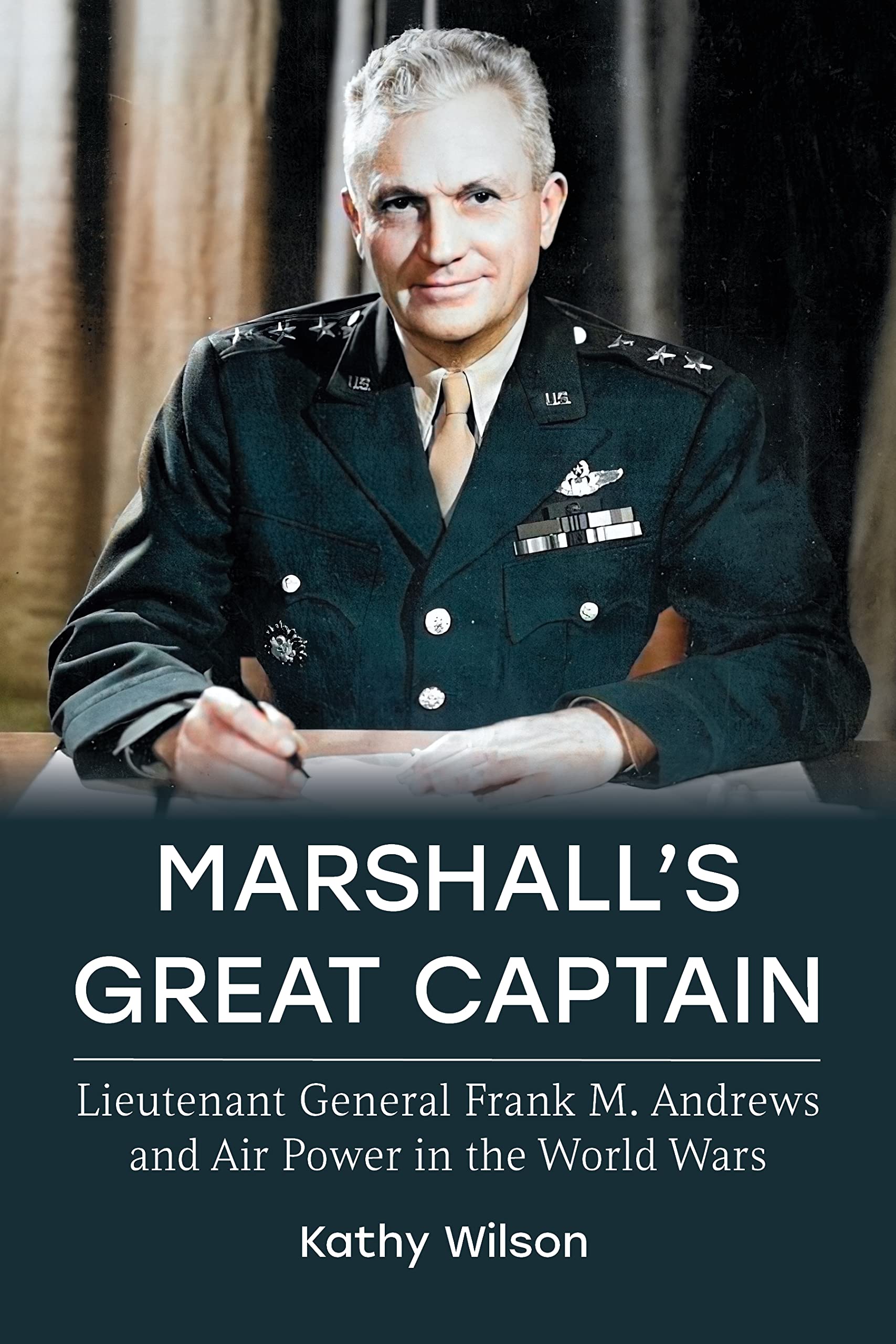
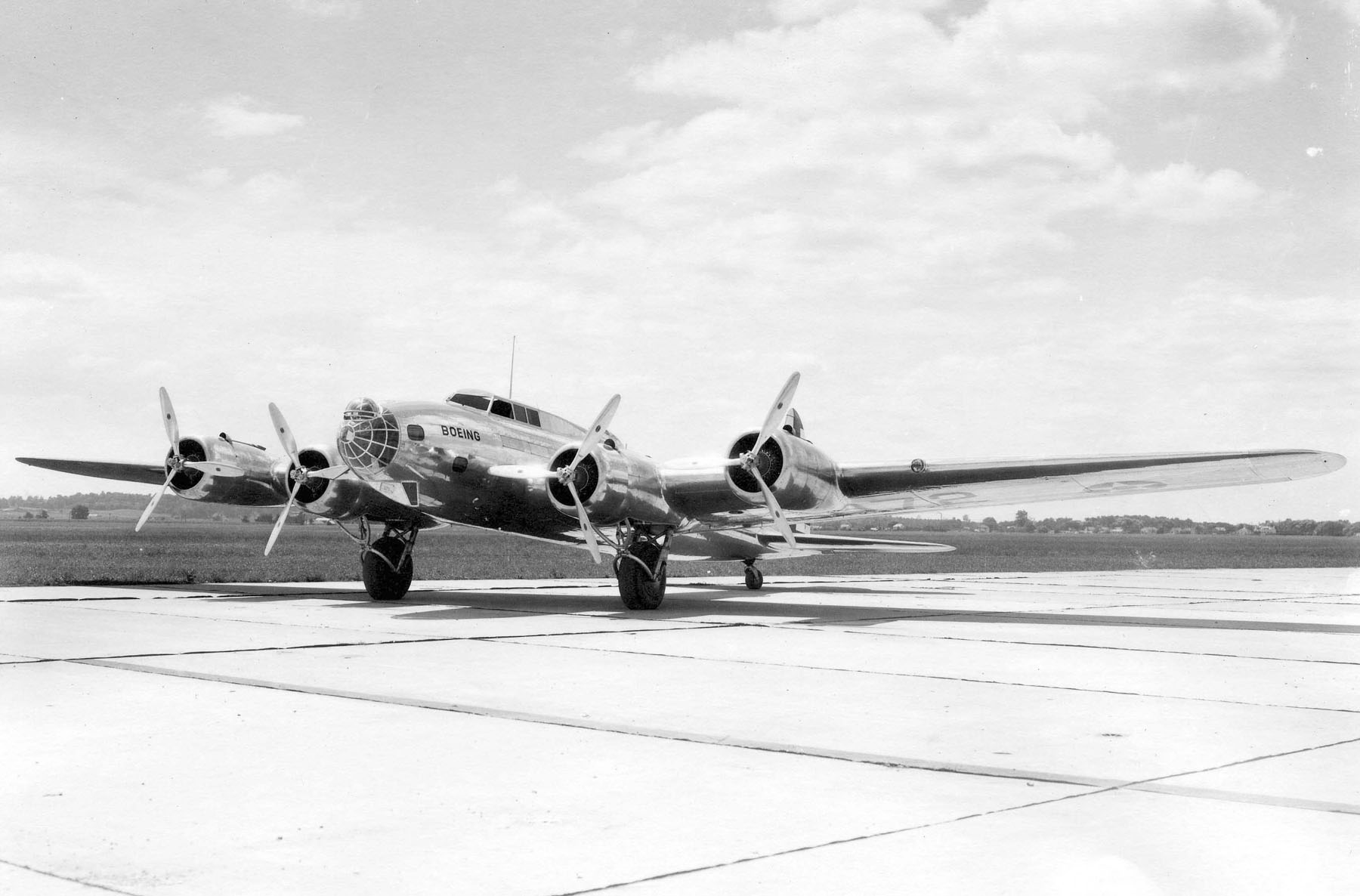
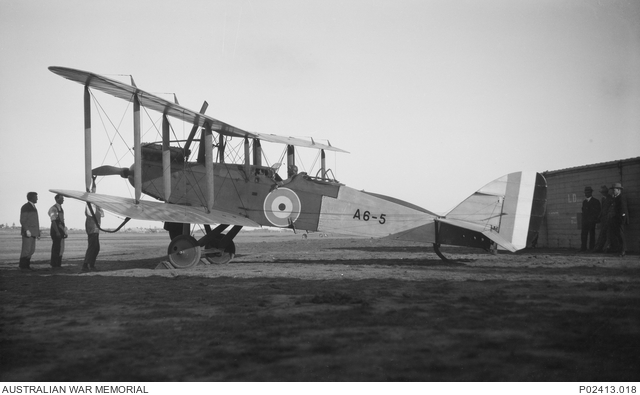

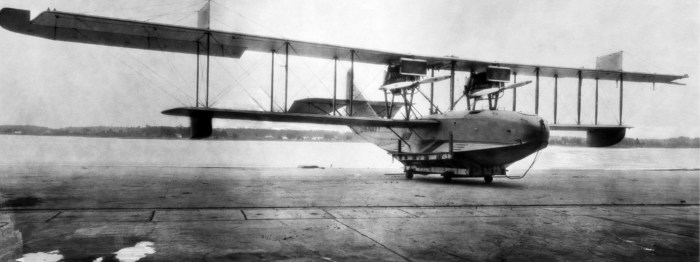


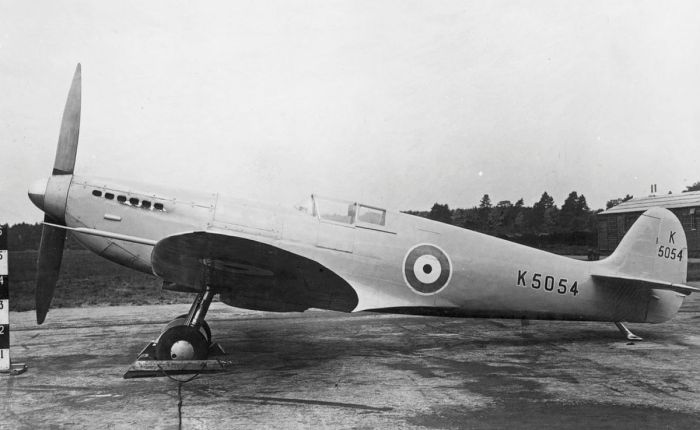
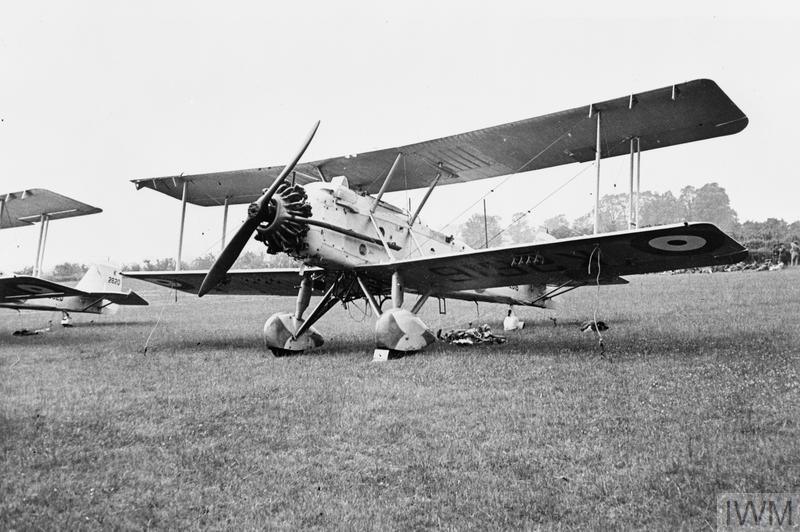

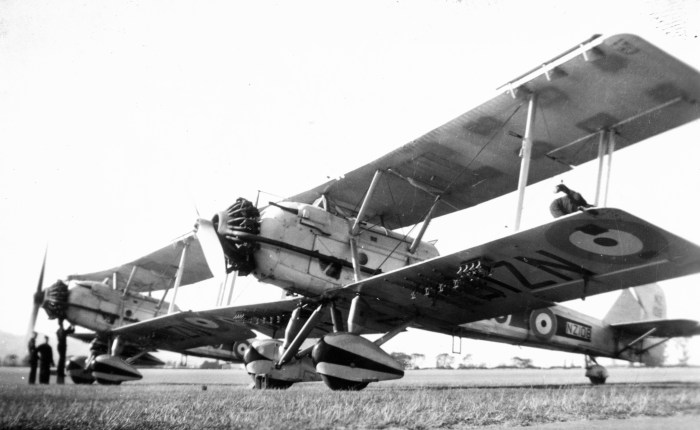
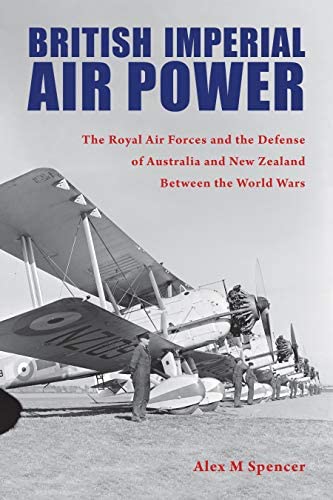

 From Balloons to Drones