Editorial Note: In the first part of a two-part article, Dr Peter Layton explores the evolution of the armed unmanned aircraft from its first use in the Second World War through to the First Gulf War.
In the Solomon Islands off Australia’s northern shores, on the 19 October 1944, a US Navy flown, Interstate Aircraft-built TDR-1 dropped a mix of ten 100lb and 500lb bombs against Japanese gun emplacements on Ballale Island. This was the first operational armed unmanned aircraft attack in history.
The twin-engined unmanned aircraft involved was just one of some fifty sent into combat in late 1944 with Special Task Air Group One. The armed unmanned aircraft took off under radio control that was then transferred to accompanying manned TBM-1C Avenger control aircraft for the long transit to the target area. The control aircraft remained some 8-12 kilometres outside of the ground defences while using a data linked real-time video picture displayed on a cockpit mounted television screen for close-in guidance. Few of the Air Group personnel involved had even seen a television set before they joined the unit. Their feats would not be replicated until early in the 21st century.
In truth, while after 1944-armed unmanned aircraft continued to attract considerable interest and at times funding, the technology available was too immature. The crucial issue was to find technological solutions that could overcome the many problems arising from not having a person in the aircraft. Finding the right blend of complex technological solutions took several decades, but this was not enough to see armed unmanned aircraft fly again in combat. There had to be a compelling operational need only they could best meet.
Curiously enough, the next armed unmanned aircraft was again operated by the US Navy. In the 1950s, the US Navy was concerned that the Soviets were building submarines faster than it could build anti-submarine warfare (ASW) destroyers. The solution was to upgrade a large number of old Second World War vessels, but these were too small to operate manned ASW helicopters from. Soviet submarines of the time could fire on ASW destroyers at longer ranges than the destroyers could fire back. A helicopter that could drop homing torpedoes was necessary to allow them to engage first. The answer was the small QH-50 Drone Anti-Submarine Helicopter controlled by the ship’s crew through a line-of-sight data link and able to deliver two MK-44 ASW homing torpedoes where and when required. There were numerous problems and many crashes, but hundreds were built and saw service throughout the 1960s.
QH-50 enthusiasts consider the more pressing operational demands arising from the worsening Vietnam War prematurely killed the unmanned helicopter off, and in this, they may be right. In the second half of the 1960s, there was a significant air war almost daily over North Vietnam. Attacking US Air Force (USAF) and US Navy strike aircraft were pitched against a continually improving Soviet-equipped integrated air defence system featuring the latest SA-2 and SA-3 Surface-to-Air Missile systems. Bomb damage assessment was a real problem; bad weather and the heavy defences made manned aircraft reconnaissance problematic.
A QH-50C anti-submarine drone hovers over the destroyer USS Allen M. Sumner during a deployment to the Mediterranean Sea in 1969. (Source: Wikimedia)
The solution was a fast jet, unmanned aircraft and again hundreds were built, and thousands of sorties flown. These Ryan Lightning Bugs were launched from modified C-130 transport aircraft, flew pre-planned missions and were then recovered using a parachute that was caught in mid-air by a large helicopter. This was an inflexible and expensive way to do business that only fitted the oddities of the Vietnam air environment. With the war’s end in 1975, interest also faded albeit after some trials of armed unmanned aircraft carrying bombs and missiles.
The USAF’s focus shifted to the European Central front then characterised by strong air defences, long-range fighters, a harsh electromagnetic environment and extensive jamming. Launching and recovering unmanned aircraft using slow, vulnerable C-130 transports and CH-53 helicopters in such a hostile air environment looked both very unappealing and most probably operationally ineffective.
The need that drove TDR-1 development however remained. When attacking well-defended targets in a significant war, aircrew survivability was still a real concern. In the late 1970s, the aircrew losses in a new major European War looked as though they would be exceptionally heavy, but there would not be time to bring newly trained aircrews into service as in the Second World War: what should be done? Could armed unmanned aircraft meet the need? After much thought and numerous experiments, the answer adopted instead was to invest sizable funds into high performance manned aircraft equipped with stand-off precision-guided weapons that lowered the sortie numbers required to inflict the necessary damage, field a fleet of electronic warfare attack aircraft able to defeat hostile SAM systems and build secret stealth bombers, the F-117 fleet. This approach was stunningly validated in the short very successful air campaign of the 1991 Gulf War.
Unmanned aircraft lost out not because of aviator biases as some assume but because of their technological immaturity, their relative operational ineffectiveness and their prohibitive costs. Other systems were just plain better. Unmanned aircraft were left as a potential solution in search of a mission. However, the world was about to change.
Dr Peter Layton is a Visiting Fellow at the Griffith Asia Institute, Griffith University. His PhD is in grand strategy, and he has taught on this at the US National Defense University. He is the author of the book Grand Strategy.
Header Image: An Interstate TDR-1 at the National Museum of Naval Aviation, Pensacola, Florida. (Source: Wikimedia)
If you would like to contribute to From Balloons to Drones, then visit our submissions page here to find out how.
A recent post on the popular website The Aviation Geek Club told the story of what they called ‘the most epic 1 v 1 dogfight in the history of naval aviation.’[1] This is the story in which Lieutenants Randy ‘Duke’ Cunningham and William Driscoll, from among the first batch of graduates from the US Navy’s then-new Top Gun training program, shot down the number one North Vietnamese Air Force fighter ace, Colonel Toon, and became the first American aces of the war. Very little of that tale is true, but it makes for an exciting story, and this website is not the first to tell it. Although the details of these claims bear some scrutiny, the tale raises more interesting more significant questions about how and why legends like this form and grow over time.
Lieutenant Randy Cunningham (second from left) in a ceremony honouring him and Lieutenant William Driscoll (third from left), the US Navy’s only Vietnam War air ‘Aces’ in June 1972. On the left is John Warner, then Secretary of the Navy, and on the right is Admiral Elmo Zumwalt, then Chief of Naval Operations. (Source: Wikimedia)
Combat situations breed storytellers. Any stressful, exciting, death-inducing human endeavour does. Perhaps even more so among fighter pilots engaging in acrobatic dogfights at near (or above) the speed of sound, combat stories, as they are told and retold, heard and re-heard, become legendary. Especially enticing is the need to explain defeat or even a lack of decisive victory. During the Vietnam War, skilled North Vietnamese pilots shot down US aircraft in numbers that some Americans found embarrassing. The final official tally of air-to-air combat kills was 137 to 67, almost exactly 2:1 in favour of the US. This sounds like a victory to some. Indeed, General William Momyer, Commander US Seventh Air Force, saw it that way when he recalled later that winning by 2:1 was ‘an acceptable rate.’[2] However, it did not seem acceptable to those who drew historical comparisons. The US had fared better in previous wars, peaking in the Korean War, which saw US F-86 pilots defeating MiG-15s by a factor of more than 10:1.[3] By those standards, Vietnam felt like a massive step backwards.
Explaining the seeming backslide in combat performance was the official task of several investigations, from the US Air Force’s Red Baron Reports to the US Navy’s Ault Report. Pilots ranted about the poor performance of their planes, especially the F-4 Phantom’s thick black smoke trails that gave away its position to anyone caring to look up. Pilots scoffed at the lack of training in basic combat manoeuvring, much less dogfight training. They decried the fact that only ten percent of their missiles hit anything, and that their F-4s lacked the most basic instrument of air combat: a gun. Without a trigger to pull, many argued, how were they supposed to shoot anyone down?
Other pilots took to creating legends. What could explain the fact that so many US aircraft were getting shot out of the sky by an allegedly inferior, third-world country’s hand-me-down air force that only had a few dozen aeroplanes to its name? There must be an amazing, inexplicable, near-mythical, born-genius dogfighter on the enemy side.
Thus, was born the legend of Colonel Toon, AKA Colonel Tomb, AKA Nguyen Tomb.
Telling the Tale
As the legend goes, Toon was more than a double ace, with at least twelve kills to his name, maybe as high as 14, which was how many stars were allegedly painted on the side of his MiG. Toon displayed the typical fighter pilot personality characteristics of aggressiveness and independence. He utilised frequent head-on attacks and a ‘lone wolf’ style of engaging in which he refused to obey the orders of his ground controller and engaged F-4s in vertical manoeuvres, where his MiG was at an inherent disadvantage.[4] According to the typical story, as American pilots struggled, the US Navy’s Ault Report had led to the introduction of Top Gun: a graduate school for fighter pilots. The intensive training there gave US Navy aviators the skills to destroy MiGs wherever they found them. Moreover, allegedly, Top Gun graduates Cunningham and Driscoll used their newly found skills to shoot Toon out of the sky on 10 May, during a massive dogfight at the beginning of Operation Linebacker. Cunningham claimed this himself, and the story is still often repeated in popular outlets.[5]
There is just one problem: almost none of this is true. Top Gun, although undoubtedly useful, was, at the time, a tiny outfit that many leaders in the US Navy did not take seriously. The narrative of Top Gun as the saving grace of air-to-air combat also ignores all of the other useful changes instigated by the Ault Report, as well as other practices the US Navy was doing at the time. These included enhancements to their aircraft, upgraded missiles, the increased reliance on early warning radar systems that gave pilots situational awareness, and the increase in jamming of enemy communications that limited North Vietnamese situational awareness.[6] Besides that, Cunningham and Driscoll were not even Top Gun graduates. Moreover, what of Colonel Toon? He was simply not real. He did not exist.
North Vietnamese Air Force MiG-19 pilots of the 925th fighter squadron discussing tactics in 1971. (Source: National Museum of the United States Air Force)
Busting Myths
To unravel these tales, let’s start with Cunningham and Driscoll at Top Gun. The principal disputed aspect of the common claim hinges on the word ‘graduates.’ Cunningham and Driscoll had not been students at Top Gun, but they were involved with the school. Before the start of Operation Linebacker in 1972, Top Gun was in bad shape. It had struggled and fought to get access to aeroplanes to train in, and throughout 1971 most of the instructors assumed it was only a matter of time before the US Navy would shut the place down.[7] With limited student slots, selection for Top Gun was competitive. Only the top-performing pilots of select squadrons were picked, and Cunningham had simply not made the cut – twice. Cunningham’s roommate Jim McKinney, and later Steve Queen, both of whom were his colleagues in VF-96, were selected ahead of him. This was in part because they were viewed as more skilled, partially because Top Gun selection favoured career officers the US Navy could count on to stay in the service after the war, which did not, at that time, describe Cunningham. Also, as his skipper noted, Cunningham was simply immature. Top officers and those selected for the coveted Top Gun training needed to be more than just typical fighter jocks, they needed to be well-rounded officers capable of strong leadership. Cunningham’s commander did not see those qualities in him.[8] His fellow pilots noted the same lack of leadership. When Cunningham later pled guilty to taking millions of dollars in bribes as a congressman, those that served with him said they were ‘not necessarily surprised,’ because even when he was a pilot during the war, he had shown a remarkable lack of officership. Some noted that Cunningham was ‘a mind undistracted by complicated thoughts.’[9]
An autographed picture of Lieutenants Cunningham and Driscoll (Source: Randy Cunningham and Jeff Ethell, Fox Two: The Story of America’s First Ace in Vietnam (Mesa, AZ: Champlin Fighter Museum, 1984)
Just because Cunningham was passed over for Top Gun does not mean he was not participating in some way. In 1971, during his squadron’s turnaround period, Cunningham was assigned to temporary duty at Top Gun as a ‘gopher,’ mostly doing paperwork for the school. However, it gave him a chance to listen to some of the lessons and occasionally sit in the backseat of adversary aircraft. He spent much time with the Top Gun instructors, including Jim Laing, J.C. Smith, Dave Frost, and Jim Ruliffson. The squadron then went on leave for a month, during which time Cunningham’s new commanding officer, Early Winn, permitted him to run exercises in the squadron’s F-4 Phantoms since they would be sitting idle for that time. Cunningham used the opportunity to practice what he had learned from his informal lessons. Upon returning from leave, the whole squadron became the first to go through the new Fleet Adversary Program, which some described as ‘mini-Top Gun.’ Primarily the program was a short workshop that introduced some of the concepts that Top Gun explored in more detail. VF-96 ran the workshop twice before returning to Vietnam.[10]
The claim that Cunningham and Driscoll were Top Gun graduates, as is often repeated, is false, but it is easy to see why many might be confused about that. Indeed, in an ad hoc sense, the pair had some access to higher level training than others, including Top Gun instructors. The other claim; that the duo’s fifth kill was the legendary Toon – or that there even was a Toon – is much more dubious.
Part of the confusion comes from the insistence of US SIGINT (Signals Intelligence) by the National Security Agency (NSA) that Toon was real. Claiming to have cracked the North Vietnamese callsign system, the NSA, intercepting enemy communications, began keeping track of individual pilots. They especially singled-out a North Vietnamese MiG-21 ace pilot named Toon, based at Phuc Yen, who developed a reputation for aggressively disrupting B-52 raids. They referred to him as ‘The Red Baron of North Vietnam,’ or ‘an airborne outlaw in the image of a Wild West gunslinger,’ who, whenever he was spotted, ‘U.S. planes took up the chase like some sheriff’s posse of old.’ The NSA claimed that Momyer was ‘obsessed’ with destroying Toon.[11] This could be possible, although it is strange then, that Momyer does not mention Toon at all in his book on the subject.
Cunningham’s debriefing report from 10 May 1972 – in which he very carefully words his statement to give the reader the impression that he was a Top Gun student without stating that directly – has ‘The 5th Kill (Col. Tomb)’ typed in the margin. After describing the dogfight, he claimed:
Intelligence later revealed that this 17 driver was Colonel Tomb, the North Vietnamese ace credited with 13 U.S. aircraft.[12]
Cunningham did not identify who told him this, and his claim raises questions, as it seems to contradict the intelligence from the time. The NSA referred to this pilot as ‘Toon,’ not ‘Tomb,’ and did not identify him as a Colonel. The NSA also specified him as a MiG-21 pilot whereas the Cunningham kill was a -17. They also credited Toon with five kills, not the 13 that Cunningham referenced. Furthermore, the NSA report states that Toon was never defeated, and eventually was promoted out of combat flying and became a ground controller.[13] Cunningham might be telling the truth that some intelligence source, which he does not identify, told him that the -17 he killed was Tomb, but because his claims are so at odds with the NSA’s information on nearly every point, Cunningham’s story raises more questions than it answers.
A Mikoyan-Gurevich MiG-17F at the National Museum of the United States Air Force. (Source: National Museum of the United States Air Force)
However, the NSA could also be wrong. In fact, they probably are. Even though the NSA claimed Toon was real at the time, there is little evidence to verify this. Indeed, any ace pilots that North Vietnam had – and eventually they had fifteen that were confirmed by US sources, though Vietnamese records claim sixteen, which was triple the number of US aces – would be of immense propaganda and morale value for their cause. If Toon were real, he would likely have been celebrated as a national hero. When researchers and former pilots began talking to North Vietnamese veterans, any questions about Toon were met with confusion. There’s no record of a Toon or Tomb, which is not even a Vietnamese name. Some have claimed that ‘Toon’ was the result of SIGINT operators mishearing the name of Din Tonh, who was an effective pilot known for ‘lone wolf’ attacks. However, Tonh also flew the MiG-21, not the -17, and was not an ace, much less one with kills in the double digits.[14]
Historian Roger Boniface travelled to North Vietnam and conducted extensive interviews with former MiG pilots. His conclusion? Toon was merely an invented figment of American fighter pilots’ imagination, made up specifically to stroke their damaged egos. As he put it:
The existence of Colonel Toon in the mind of an American pilot may have provided a psychological comfort zone if a North Vietnamese pilot should out-fly him or, even worse, shoot him down.[15]
Nguyen Van Coc meeting Ho Chí Minh, N.D. (Source: Wikimedia)
The closest real pilot to fitting the description, however, was Nguyen Van Coc. He flew a MiG-21 with 14 ‘kill’ stars painted on the side. Vietnam officially credits Van Coc with nine kills of US aircraft, and the US has officially recognised six of them. Still, Van Coc cannot have been the ace-making kill for Cunningham and Driscoll, not only because he flew MiG-21s, but by 1968 he had already been pulled out of combat duty and made an instructor of new North Vietnamese pilots.[16]
Conclusion
Why does this controversy – and others like it – continue to plague the memory of the Vietnam War? Possibly because losing a war is psychologically devastating. This is evident simply in how divisive it is to call the American-Vietnam War a ‘loss’ for the US. Some are reluctant to do so in any terms, but no one can deny that the US did not achieve its strategic goal of creating a stable, independent, non-communist South Vietnamese state. Indeed, North Vietnam did achieve its goal of creating a unified communist state. However, the air-to-air war was not at all the make-or-break factor in any of that. The US did not fail in their goals because of the MiG force. Also, former war records aside, Momyer was not wrong to claim that a 2:1 kill ratio in air-to-air combat is still a victory, in at least a technical definition although the ability of MiGs to frequently interrupt bombing strikes was a more significant problem. Despite these clarifications, Vietnam felt like a loss even to many air combat pilots. Explaining that sense of loss, or even just a sense of a lack of decisive victory is difficult at best. Many pilots, and some historians and observers since, including Cunningham and Driscoll, found it easier to invent an enemy rather than must deal with those painful feelings head-on. This is not an isolated phenomenon. Nearly every war sees these types of inventions as a coping mechanism. Toon may not exist, but what he represents as a way of dealing with the psychological trauma of warfare, is all too real.
Dr Michael Hankins is an Assistant Editor at From Balloons to Drones and a Professor of Strategy at the USAF Air Command and Staff College eSchool. He is also a former Instructor of Military History at the US Air Force Academy. He earned his PhD from Kansas State University in 2018 with his dissertation, ‘The Cult of the Lightweight Fighter: Culture and Technology in the U.S. Air Force, 1964-1991.’ He completed his master’s thesis at the University of North Texas in 2013, titled “The Phantom Menace: The F-4 in Air-to-Air Combat in the Vietnam War.” He has a web page here and can be found on Twitter at @hankinstien.
Header Image: US Navy McDonnell Douglas F-4J Phantom II ‘Showtime 100,’ which was assigned to VF-96 of Carrier Air Wing 9 onboard USS Constellation Lieutenants Randy Cunningham and William Driscoll used this aircraft for their third, fourth, and fifth MiG-kills on 10 May 1972. (Source: Wikimedia)
If you would like to contribute to From Balloons to Drones, then visit our submissions page here to find out how.
[2] William W. Momyer, Air Power in Three Wars (Maxwell AFB, AL: Air University Press, 2003), p. 178.
[3] For example, see: Kenneth P. Werrell, Sabres Over MiG Alley: The F-86 and the Battle for Air Superiority in Korea (Annapolis, MD: Naval Institute Press, 2005).
[4] Roger Boniface, MiGs Over North Vietnam: The Vietnam People’s Air Force in Combat, 1965-75 (Mechanicsburg, PA: Stackpole Books, 2008), p. 59, 74.
[5] For Cunningham’s claim, see: Randy Cunningham and Jeff Ethell, Fox Two: The Story of America’s First Ace in Vietnam (Mesa, AZ: Champlin Fighter Museum, 1984), pp. 107-8.
[6] For a more in-depth look at some of these changes in both the US Navy and the USAF, see Michael Hankins, ‘The Teaball Solution: The Evolution of Air Combat Technology in Vietnam 1968-1972,’ Air Power History, 63 (2016), pp. 7-24.
[7] Robert Wilcox, Scream of Eagles (New York, NY: Pocket Star Books, 1990), pp. 203-6.
[12] US Air Force Academic Library, Lieutenant Randy Cunningham, ‘Naval Intelligence Debriefing of 10 May 1972 MiG Engagement by VF-96,’ 10 May 1972, pp. 5-6.
Editorial Note: This weekend, 12 May, the North American Aerospace Defense Command (NORAD), the Bi-National defense command between the United States and Canada (and yes, the same organization that tracks Santa every Christmas Eve) is celebrating its 60th Anniversary. As such, we here at From Balloons to Drones wanted to share a portion of the history of this unique organization. The following comes to you from the NORAD History Office and our Assistant Editor Dr Brian Laslie, who is also a historian at NORAD.
With the beginning of the Cold War, American defence experts and political leaders began planning and implementing a defensive air shield, which they believed was necessary to defend against a possible attack by long-range, manned Soviet bombers. By the time of its creation in 1947, as a separate service, it was widely acknowledged the Air Force would be the centre point of this defensive effort. Under the auspices of the Air Defense Command (ADC), first created in 1948, and reconstituted in 1951 at Ent Air Force Base (AFB), Colorado, subordinate US Air Force (USAF) commands were given responsibility to protect the various regions of the United States. By 1954, as concerns about Soviet capabilities became graver, a multi-service unified command was created, involving US Navy, US Army, and USAF units – the Continental Air Defense Command (CONAD). USAF leaders, most notably Generals Benjamin Chidlaw and Earle Partridge, guided the planning and programs during the mid-1950s. The USAF provided the interceptor aircraft and planned the upgrades needed over the years. The USAF also developed and operated the extensive early warning radar sites and systems which acted as ‘tripwire’ against air attack. The advance warning systems and communication requirements to provide the alert time needed, as well as command and control of forces, became primarily a USAF contribution, a trend which continued as the nation’s aerospace defence matured.
Four US Air Force Convair F-106A Delta Dart fighters from the 5th Fighter Interceptor Squadron, Minot AFB, fly over Mount Rushmore, on 27 July 1981. (Source: Wikimedia)
As USAF leaders developed plans and proposed warning system programs, they became convinced of the logical need for extended cooperation with America’s continental neighbour, Canada. US-Canada defence relationships extended back to the Second World War when the two nation’s leaders formally agreed on military cooperation as early as 1940 with the Ogdensburg Declaration. These ties were renewed in the late 1940s with further sharing of defence plans in light of increasing Soviet military capabilities and a growing trend of unstable international events, such as the emergence of a divided Europe and the Korean War.
Defence agreements between Canada and the United States in the early 1950s centred on the building of radar networks across the territory of Canada – the Mid- Canada Line (also known as the McGill Fence), the Pinetree Line, and the famous Dew Line. This cooperation led to a natural extension of talks regarding the possible integration and execution of air defence plans. The Royal Canadian Air Force (RCAF) and USAF exchanged liaison officers and met at critical conferences to discuss the potential of a shared air defence organisation. By 1957, the details had been worked out, and the top defence officials in each nation approved the formation of the NORAD, which was stood up on 12 September at Ent AFB, in Colorado Springs, Colorado, home of the US CONAD and its subordinates, including USAF ADC. General Earl Partridge, USAF, who was both the ADC and CONAD Commander, also became commander of NORAD, and the senior Canadian RCAF official, Air Marshal Roy Slemon, who had been the critical Canadian delegate in most of the cooperation talks, became deputy commander, NORAD. Nine months after the operational establishment of the command, on 12 May 1958, the two nations announced they had formalised the cooperative air defence arrangements as a government-to-government bilateral defence agreement that became known as the NORAD Agreement. The NORAD Agreement and its associated terms of reference provided the political connections which would make possible the longevity of the Canadian-US aerospace defence relationship into the future years. The NORAD Agreement, with its requirement for periodic review, ensured flexibility to adapt to a changing defence environment as would be evident by the events that would soon face the fledgeling command.
Within one year of its establishment, NORAD began the process of adapting its missions and functions to ‘a new and more dangerous threat.’ During the 1960s and 1970s, the USSR focused on creating intercontinental and sea-launched ballistic missiles and developed an anti-satellite capability. The northern radar-warning networks could, as one observer expressed it, ‘not only [be] outflanked but literally jumped over.’ In response, the USAF built a space-surveillance and missile-warning system to provide worldwide space detection and tracking and to classify activity and objects in space. When these systems became operational during the early 1960s, they came under the control of the NORAD.
In NORAD’s 60-year history, perhaps the most notable symbol of the command has been the Cheyenne Mountain Operations Center (CMOC), often referred to as simply ‘Cheyenne Mountain.’ This vast bunker complex, which became fully operational in 1966, sat more than 1,500 feet underground and consisted of 15 buildings, which comprised the central collection and coordination facility for NORAD’s global-sensor systems.
Entrance to Cheyenne Mountain Operations Center complex. (Source: Author)
Throughout the 1970s, the ballistic missile threat caused policymakers to reassess the effectiveness of the air defence system. This meant the potential demise of the arguments for enhanced traditional air defence and moved NORAD to focus on such challenges as an improved warning of missile and space attack, defence against the ICBM, and more significant protection and survival of command, control and communication networks and centres. This resulted in a reduction of the USAF interceptor forces and closure of various portions of the radar network. Modernization of air defence forces became a hard argument. Because of changes in US strategic policy, which had come to accept the concept of mutual vulnerability to ICBM attack, the need to spend about $1 billion a year on air defence was challenged. In 1974, Secretary of Defense James Schlesinger stated the primary mission of air defence was to ensure the sovereignty of airspace during peacetime. There followed further reductions in the size and capability of the air defence system. By the late 1970s, the remaining components – some 300 interceptors, 100 radars and eight control centres – had become obsolescent and uneconomical to operate.
Over the years, the evolving threat caused NORAD to expand its mission to include tactical warning and assessment of possible air, missile, or space attacks on North America. The 1975 NORAD Agreement acknowledged these extensions of the command’s mission. Consequently, the 1981 NORAD Agreement changed the command’s name from the North American ‘Air’ Defense Command to the North American ‘Aerospace’ Defense Command.
NORAD Commanders have even turned up in the funny pages! Here the NORAD commander, who bore a striking resemblance to actual NORAD commander General Laurence Kuter, briefs Steve Canyon (Source: Author)
The 1980s brought essential improvements for the aerospace defence mission. Again, NORAD demonstrated adaptability to meet these changes. In 1979, the US Congress ordered the USAF to create an air defense master plan (ADMP). The ADMP, modified and upgraded, became the US administration’s outline for air defence modernisation and the foundation for NORAD cost-sharing discussions between Canada and the United States. The modernization accords signed in 1985 called for the replacement of the DEW Line radar system with an improved arctic radar line called the North Warning System (NWS); the deployment of Over-the-Horizon Backscatter radar; greater use of USAF Airborne Warning and Control System (AWACS) aircraft; and the assignment of newer USAF aircraft, specifically F-15s, F-16s, and CF-18s, to NORAD.
The late 1980s witnessed another expansion of the NORAD mission. On 29 September 1988, President Ronald Reagan signed legislation that involved the US Department of Defense, and specifically NORAD, in the campaign against drug trafficking. The command’s role in this mission was to detect and track aircraft transporting drugs and then report them to law enforcement.
On 11 September 2001, terrorists hijacked four passenger airliners, two of which obliterated the World Trade Center, in New York City, while another shattered part of the Pentagon. One of the four aircraft crashed in Pennsylvania before hitting its target, apparently either the US Capitol or the White House. The event made it clear that attacks on the homeland would not necessarily come only from across the poles and oceans which buffered the North American continent.
In the immediate aftermath of the 9/11 attacks, NORAD began Operation NOBLE EAGLE. The purpose of this still-ongoing air patrol mission was to defend the United States against terrorist aggression originating from either within or outside the nation’s air borders. NOBLE EAGLE missions were executed primarily by the USAF First Air Force, a NORAD unit under the command of the Continental NORAD Region (CONR), located at Tyndall AFB, in Florida. By June 2006, NORAD had responded to more than 2,100 potential airborne threats in the continental United States, Canada, and Alaska, as well as flying more than 42,000 sorties with the support of USAF AWACS and air-to-air refuelling aircraft.
NOBLE EAGLE’s response has become institutionalised into daily plans and NORAD exercises through which the command ensures its capability to respond rapidly to airborne threats. USAF units of NORAD have also assumed the mission of the integrated air defence of the National Capital Region, providing ongoing protection for Washington, D.C. Also, as required, NORAD forces have played a critical role in air defence support for National Special Security Events, such as air protection for the NASA shuttle launches, G8 summit meetings, and even Superbowl football events.
In recognition of the changing threat environment of the post-9/11 world, the United States Department of Defense stood up, in October 2002, US Northern Command (USNORTHCOM) as a joint service command to execute the mission of homeland defense across all domains. With NORAD already executing the air defense mission of North America, it was a logical step to co-locate the headquarters of NORAD and USNORTHCOM in Colorado Springs, Colorado, and to retain a dual-hatted commander relationship between NORAD and the new US joint command.
As NORAD looked to the future, past threats re-emerged. In 2014, Russian long-range aviation and maritime activity reached levels not seen since the Cold War: more sorties, supported by more tankers, and more sophisticated linkages between air and maritime intelligence collection than ever before. This activity underscored an aggressive Russian military enjoying new prosperity, proficiency, and ever improving capabilities that had NORAD focused on the Russian Bear once more. NORAD’s three operational regions in Alaska, Canada, and the Continental United States, routinely responded to incursions by Russian long-range aviation aircraft entering the North American Air Defense Identification Zone (ADIZ) or the Canadian Air Defense Identification Zone (CADIZ).
As NORAD celebrates its 60th this weekend, we here at From Balloons to Drones send a very ‘Happy Anniversary’ to both America and Canada and to the Command itself for providing 60 plus years of aerospace warning, control, and defense to the Homeland. We know that you have the watch!
Dr Brian Laslie is a US Air Force Historian and currently the Deputy Command Historian at North American Aerospace Defense Command (NORAD) and United States Northern Command (USNORTHCOM). A 2001 graduate of The Citadel and a historian of air power studies, he received his Masters’ from Auburn University Montgomery in 2006 and his PhD from Kansas State University in 2013. He is the author of Architect of Air Power: General Laurence S. Kuter and the Birth of the US Air Force (2017) and The Air Force Way of War (2015). The latter book was selected for the Chief of Staff of the Air Force’s 2016 professional reading list and the 2017 RAF Chief of the Air Staff’s reading list. He can be found on Twitter at @BrianLaslie.
Header Image: A USAF F-22 Raptor of the 3rd Wing escorts a Russian Air Force Tu-95 Bear bomber near Nunivak Island, c. 2007. This was the first intercept of a Bear bomber for an F-22, which was alerted out of Joint Base Elmendorf-Richardson’s Combat Alert Center. (Source: US Department of Defense Images)
If you would like to contribute to From Balloons to Drones, then visit our submissions page here to find out how.
Last week, From Balloons to Drones published the first in a new series of Historic Book Reviews. This new series seeks to publish occasional historic book reviews that aim to be an accessible collection of open access appraisals of critical historic publications about air power history, theory, and practice. Many books, such as, but not limited to, those by authors such as Giulio Douhet, William Mitchell, Sir John Slessor and John Warden, hold a specific place in the study of air power because of the ideas they introduced or the insights they provided about the institutions responsible for delivering air power capabilities. The reviews will cover several different types of texts from those works that developed air power ideas to crucial memoirs. The reviews also seek to engage with a broader audience interested in the subject matter.
Given these aims, From Balloons to Dronesis seeking contributions from postgraduates, academics, policymakers, service personnel and relevant professionals to this new exciting series.
A copy of the review guidelines can be downloaded here, and we are happy to discuss possible texts that you may wish to review. You can contact us via our ‘Contact’ page here.
If you would like to contribute to From Balloons to Drones, then visit our submissions page here to find out how.
Header Image: Ground crew manhandle a Gloster Meteor F.3 of No. 616 Squadron Detachment at B58/Melsbroek, Belgium, on 6 February 1945. (Source: UK MoD Images)
The introduction to the recent #highintensitywar series run by From Balloons to Dronesand The Central Blue suggested that the character of military conflict is changing due to the increased possibility of high-intensity war, which, in turn, will present significant challenges to Western militaries. While the series introduction suggested that post-Cold War conflicts presented few challenges for air forces seeking to maintain control of the air the increasing likelihood of a high-intensity war may well change that scenario. In such a case, not only will the ability to achieve air dominance be challenging but also, if that is not achieved then the ability to perform the full spectrum of air power roles and using all capabilities available may be restricted too. Such a situation may prove especially difficult for small air forces which often lack specific capabilities in the first place.
This article focuses predominantly on small European air forces with Poland and Sweden as case studies. It discusses the situation in which these two air forces find themselves after the end of the Cold War and the changes they have undergone. In doing so, this article also briefly introduces some of the general trends and challenges that took place during the post-Cold War years in Europe such as decreasing defence budgets and the downsizing of armed forces. The article identifies principal areas where small European air forces suffer from capability shortcomings and then moves on to discuss the role of multinational cooperation as a means to make up for these gaps.
What is a Small Air Force?
When speaking of a small air force, one could think of it looking at its actual size, its number of the aircraft and its number of personnel. However, this article defines a small air force according to its capabilities. This follows the definition provided by Sanu Kainikara who recognised four categories of air forces; the US Air Force, large air forces, small air forces and niche air forces. These differ from each other regarding the scope of their capabilities, their ability to pursue operations independently as well as the presence of an indigenous industry supporting the air force’s needs at the national level.[1] According to this classification, small air forces can perform the four fundamental roles of air power; control of the air, intelligence, surveillance and reconnaissance (ISR), attack and air mobility. On the other hand, small air forces do not have the resources necessary to undertake such roles to a considerable extent and over a prolonged period. Therefore, small air forces would not be able to conduct independent large air operations. However, they are often the desired ally that can efficiently work within a coalition.
Both the Polish and Swedish Air Forces (AF) comfortably fit into the category of a small air force. They have necessary resources to perform the full spectrum of capabilities within the already mentioned air power roles. However, their resources are insufficient, sometimes falling to single numbers of an aircraft of specific types. That makes them unable to perform independent large-scale military operations. Finally, both countries have some industrial capacity to support national air power capabilities, such as PZL Mielec and PZL Świdnik, now part of respectively Sikorsky Aircraft Corporation and Leonardo-Finmeccanica’s Helicopter Division in Poland, or Saab in Sweden.
European Air Power after 1991
In the post-Cold War years European air forces and militaries, in general, underwent certain transformations. Primarily, military expenditure by European states has dropped noticeably. In Poland, defence expenditure has decreased from 2.6% of the GDP in 1990 to 2.0% in 2016 while in Sweden it has dropped from 2.6% to 1.0% in the same period.[2] In line with decreasing defence budgets was the gradual downsizing of air forces and the armed forces in general. For example, in Poland, the number of active personnel has dropped from 86,200 men in 1990 to 16,600 in 2015.[3] At the same time, the number of officers serving in the Swedish AF fell from 8,000 to 3,300.[4] Moreover, it was not only manpower that dropped in numbers but also available equipment. The Polish AF reduced from 800 aircraft in 1990 to 300 in 1998 with the target of 100 to be reached in 2002.[5] A similar process also took place in the Swedish AF, but, in this case, it was initiated as early as the 1960s when the number of combat aircraft started to drop from 800 and reached 400 in the 1990s.[6]
The above situation led to specific organisational and structural changes within both the Polish and Swedish AFs. In case of the Polish AF, these transformations started at the very top when the Air Force (Wojska Lotnicze) and the Country Air Defence Force (Wojska Obrony Powietrznej Kraju) merged to form the Air Force and the Counter-Air Defence Forces (Wojska Lotnicze i Obrony Powietrznej). In 2004, the latter formation was finally re-named as the Polish Air Force (Siły Powietrzne). Also, the building blocks of the Polish AF was changed by replacing two of its existing squadrons with regiments.[7] Similar re-organisation took place within the Swedish AF when out of its 12 Wings, and the main air bases, only four remained operational while the other eight were closed.[8]
The transformation of the two air forces also involved modernisation of their already reduced fleets. In Sweden, that process focused on three areas. First, the Swedish AF replaced its AJ/JA-37 Viggen aircraft with JAS-39 Gripen. Second, it introduced more advanced types of munitions and then finally it has sought to upgrade its command, control, communications, and intelligence system.[9] For Poland, the air force modernisation was challenging because the overwhelming majority of the country’s aircraft was built either in the Soviet Union or under licence from them. In the post-Cold War years, these aircraft delivered little modern combat capability. As such, in the process of modernisation, the Polish AF replaced its MiG-21 and MiG-23 fighters with 22 MiG-29s bought from Germany in 2003 and 48 F-16s delivered in years 2006–2008 from the US. They also acquired 17 CASA C-295M transportation aircraft.[10] Finally, on the 1 January 2016, Poland opened the twelfth unmanned aerial vehicle (UAV) base that was the first of its kind in the country.
A Polish Air Force Mikoyan-Gurevich MiG-29A Fulcrum at the ILA Berlin Air Show 2016. (Source: Wikimedia)
Limitations of European Air Power
Despite all the organisational and structural transformations, and fleet modernisation that has taken place over the last 30 years, the Polish and Swedish AFs remain small air forces and, as such, somewhat limited in their capabilities. Principally, their fleets are relatively small; the Polish AF possesses 283 aircraft in total while the Swedish AF numbers 231 airframes including the inventory of the Armed Forces Helicopter Wing.[11] However, the Polish and Swedish AFs are also limited in areas that are representative of the significant shortcomings of European air power in general, namely air transport (AT), ISR and air-to-air refuelling (AAR). Significant gaps in these three areas were identified as early as the conflicts in Bosnia and Kosovo in the 1990s. However, these capability gaps have become even more evident after the involvement of European air forces in operations over Libya in 2011. Operations over Libya revealed not only the low capacity of European air forces in the areas of AT, ISR, and AAR resources but also their heavy reliance on the US for those capabilities.[12]
Both Poland and Sweden continue to experience significant shortcomings in these three areas. For example, the Polish AF has only 45 transport aircraft while for Sweden that number drops to barely eight.[13] The differences are even more significant when it comes to ISR and AAR. In case of AAR, the Swedish AF has one tanker aircraft.[14] Poland, on the other hand, does not possess any aircraft of that type. However, in 2014, together with Norway and the Netherlands, Poland decided to acquire a fleet of Airbus A330 multi-role tanker transports.[15] The situation is similar in the realm of ISR. Sweden has five ISR aircraft while the Polish have none.[16]
Examples of Multinational Cooperation Initiatives
Multinational cooperation is one way to make up for such shortcomings in small air forces where resources are limited. It is also the cost-effective option. This cooperation takes different forms, from pooling and sharing resources to training programmes but they are always collective initiatives. As such, these initiatives require participating states to be willing to share the costs of running the project in areas such as the acquisition and maintenance of platforms. As a result, multinational cooperation can significantly reduce the financial burden that would be placed on a small air force if it were to develop such capabilities from scratch. Such pooling and sharing of capabilities also present a viable interim solution in the case where a country is already working towards developing a particular capability that has not yet become fully operational. An example of such an initiative is Poland’s involvement in the Alliance Ground Surveillance (AGS) programme whereby 15 NATO members are acquiring a system consisting of five RQ-4 Global Hawk UAVs and advanced radar systems, which altogether will allow for providing persistent surveillance from high-altitudes.[17] This initiative presented a viable interim solution for Poland which does not possess any air surveillance capability. While Poland is currently developing a UAV fleet which could provide that capability, until it becomes fully operational, AGS can fill that gap. Poland had been a member of the AGS programme until 1 April 2009 when the country withdrew due to financial reasons. Poland later re-joined the programme in April 2014.[18] Another way to make up for the lack of national ISR capability is participation in the NATO Airborne Early Warning (NAEW) system. The initiative started in 1982 and, as such, is one of the oldest and the most successful cooperative initiatives in NATO and Europe. Poland joined NAEW in 2006.[19]
An exciting initiative addressing both the lack of AT and AAR capability, but pursued outside of NATO and EU frameworks, is the Air Transport, Air-to-Air Refuelling, and other Exchange of Services (ATARES) programme developed by the Movement Coordination Centre Europe (MCCE). This project promotes the exchange of services – AAR for AT calculated using Equivalent Flying Hour (EFH).[20] For example, Poland does not have an AAR capability. Therefore, Poland uses ATARES to give aircrews an opportunity to train on those particular platforms and, in return, offers AT capabilities.[21] Interestingly that capability does not have to be provided to that particular country from which AAR was used in the first place. The agreed number of EFH need only to be returned to the initiative and therefore may be used by any one of its members. Sweden offers its AAR services within ATARES even though there is only one tanker in the Swedish AF. For example, in 2017, MCCE provided refuelling support during the Arctic Challenge Exercise, and that support involved the Swedish aircraft.[22]
Other examples of multinational initiatives addressing limitations in national AT capabilities are the Strategic Airlift Interim Solution (SALIS), and the Strategic Airlift Capability (SAC) started in 2005 and 2008 respectively. These are pooling and sharing projects whereby participating states maintain a certain number of aircraft and use these according to their needs. For example, SALIS was created to transport heavy cargo and Poland used the programme to transport helicopters and armoured vehicles to Afghanistan.[23] SAC was designed to support the participating states in their defence or logistical needs at the national and international level. It operates through the Heavy Airlift Wing (HAW) located in Papa Air Base in Hungary. The Polish AF used SAC’s C-17s to transport the bodies of the victims of the Presidential Tupolev crash in Smolensk in April 2010.[24] Sweden, on the other hand, used SAC for a very different purpose – to deliver cargo from Karlsborg Air Base to Mazar-e-Sharif in Afghanistan in September 2009.[25] This was HAW’s first mission done in support of ISAF. Swedish and Polish officers were also among the crew members during the first HAW mission performed in support of ISAF but without any Americans on board.[26]
Of course, none of the members in initiatives such as these has unlimited access to all the available resources. The share they get is usually proportional to their involvement. For example, the annual total of flying hours available under SAC is 3,165, which is divided among the 12-member nations. Both Poland and Sweden have entirely different shares equalling, respectively, 4.7% and 17.6%.[27] That gives 148.8 flying hours to be used by the Polish AF and 550.7 by the Swedish.
A Swedish JAS-39 Gripen returns to the play areas of the Arctic Challenge exercise over Norway, after taking on fuel from a U.S. Air Force KC-135R Stratotanker on 24 September 2013. (Source: Wikimedia)
Conclusion
This article has discussed some of the challenges confronting small air forces and whether multinational initiatives can increase their capabilities with specific reference to the Polish and Swedish AFs. The answer is yes. First, the examples discussed show that these projects are successful tools in building and strengthening capabilities such as AT, ISR and AAR. For small air forces, multinational cooperation gives an opportunity to develop these three areas to the extent that could not be afforded otherwise, or that would incur much higher costs.
Second, it is not only the pooled and shared fleets that the participating air forces can benefit from, but also training. The aircrews delegated to take part in any multinational initiatives return home with the experience they would often not have had a chance to develop otherwise. Here, it is also worth mentioning, that, along with pooling and sharing arrangements there are also programmes designed specifically for training purposes. These programmes present an excellent opportunity for air forces, especially the small ones, to exercise together towards capabilities that, in their home country are not available at all, or that are available but on an insufficient scale. Examples of such initiatives are the European Air Transport Training (EATT), and the European Advanced Airlift Tactics Training Course (EAATTC) started in 2012 and 2014 under the umbrella of the European Air Transport Fleet programme. The Polish AF has participated in both training initiatives in 2016 and 2017 while in 2015 it held observer status in EATT. Sweden also took part in EATT in 2013 and 2015 and was an observer nation in 2014. Another prominent example of a training arrangement involving the Swedish AF is the Cross-Border Training programme established in 2009. This project brings together Sweden, Norway and Finland and enables their air forces to use each other’s airspace to train together on a weekly basis.
Third, involvement at the multinational level in different forms of cooperation – pooling and sharing arrangements, expeditionary missions, air policing, and exercises, gives credibility to small air forces. The more often they work together with other nations, the more they will be perceived as a valuable and reliable potential partner. At the same time, such involvement requires certain work to be done, for example, making sure that one’s air force and its procedures, equipment, personnel’s knowledge, and abilities, are interoperable with potential partners in a coalition. This may incur additional costs, which may be challenging for small air forces.
Finally, while they appear very appealing, it must be remembered that multinational initiatives are not the panacea for capability gaps. For example, in many cases, a country only receives in return what is proportional to one’s contribution. Therefore, the multinational projects allow for the new capabilities to be built but on a limited scale and according to one’s financial input. As a result, collective capability development should not replace national ones. All European air forces, including the small ones, still need to develop their national capabilities. Multinational, collective arrangements may complement them, but they should never replace them altogether.
Maria Ewa Burczynska is a PhD candidate in the School of Politics and International Relations at the University of Nottingham where she is affiliated with the Centre for Conflict, Security and Terrorism. Her primary area of interest is European air forces and their participation in multinational operations and initiatives. She is also interested in the subject of disaster management as another dimension of national security.
If you would like to contribute to From Balloons to Drones, then visit our submissions page here to find out how.
Header Image: A Saab AJS-37 Viggen of the Swedish Air Force Heritage Flight on display at the RAF Waddington air show in 2013. (Source: Wikimedia)
[1] See, Sanu Kainikara, At the Critical Juncture. The Predicament of Small Air Force (Canberra: RAAF Air Power Development Centre, 2011).
[5] Barre R. Seguin, Why did Poland choose the F-16?, The Marshall Center Occasional Paper Series (Garmisch-Partenkirchen: The George C. Marshall European Center for Security Studies, 2007), p. 6.
[6] Richard A. Bitzinger, Facing the Future. The Swedish Air Force, 1990-2005 (Santa Monica, CA: RAND, 1991), pp. 13-5.
[7] Rafał Ciastoń et al, Siły Zbrojne RP – stan, perspektywy i wyzwania modernizacyjne (Warszawa: Fundacja im. Kazimierza Pułaskiego, 2014), p. 54.
[8] Bitzinger, Facing the Future., pp. 11-4; Försvarsmakten, Flygvapnet.
C.R. Anderegg, Sierra Hotel: Flying Fighters in the Decade After Vietnam. Washington DC: US Air Force History and Museums Program, 2001. Notes. Illustrations. Appendices. Glossary. Bibliographic Notes. Index. xvii + 210 pp.
When From Balloons to Drones put out a call for reviews of historic air power books, I immediately thought of my favourite book on United States Air Force (USAF) history, Sierra Hotel: Flying Air Force Fighters in the Decade After Vietnam by C.R. Anderegg. I presented this book to each of my mentees that graduated from the USAF Weapons School with the same message; this book shows the power of a small group of dedicated and highly competent officers, and their ability to change the Air Force for the better fundamentally. The officers that receive top billing in Anderegg’s book are young combat veterans; virtually all of whom were Captains and Majors at the time. These men took the hard lessons of Vietnam and turned them into the ideas and concepts that revolutionised USAF training and employment and can be rightly given much of the credit from the phenomenally successful DESERT STORM air campaign.
Gun camera photo showing a North Vietnamese fighter. (Source: National Museum of the United States Air Force)
The period between the end of the Vietnam War and the beginning of DESERT STORM is my favourite era of USAF history to study. The USAF was embarrassed by its lacklustre performance in Vietnam, and it embarked on an aggressive reform path that recapitalised the fighter force, procured revolutionary aircraft and weapons, developed new standards for tactical employment, and most importantly, revamped the way pilots were trained for combat. This period in USAF history has been studied and written about extensively. Notably, Brian Laslie’s The Air Force Way of War is the definitive text on the birth and growth of the RED FLAG exercise while Steve Davies’ Red Eagles is a key source on the clandestine MiG squadron flying out of Tonopah Test Range Airfield at the time. Ben Rich’s Skunk Works described the fascinating history of the origins of the F-117 and the stealth revolution, and most recently, Steven Fino’s Tiger Checkdetailed the development of the fighter pilot and fighter tactics during this period. Anderegg’s work focused on the people who were at the centre of the tactics and training revolution that had its epicentre at Nellis Air Force Base. According to Anderegg:
[t]his book is about the young officers, the line pilots, and weapons system operators (WSOs), whose innovation, devotion to duty, intelligence, flying skills, and sheer determination made indelible marks on combat capability. (p. xi)
Anderegg began Sierra Hotel by detailing the myriad of problems that plagued the USAF in Vietnam. There was a litany of reasons for the service’s poor performance, but Anderegg concluded (p. 71) that ‘the most important one was training. Air-to-air, or dogfight, training, though, was poor to nonexistent.’ Young combat veterans returned from Vietnam frustrated and angry at the lack of preparation they received before combat. They were determined to remake their service to ensure fighter pilots were never again so unprepared for aerial combat. A group of young, combat proven, pissed off, and supremely talented aviators set about remaking fighter tactics and training:
Fighter pilots returning from Vietnam to the peacetime Air Force did not come home with their tails between their legs […] They were proud of the effort they put forth under difficult circumstances […] They also knew that the things that were wrong needed repair, and that the things that had gone right probably would not work in the next war anyhow. For creative tacticians like John Jumper, Ron Keys, Joe Bob Phillips, and Earl Henderson there was only one direction to go – forward. (p. 181)
The revolution in tactics and training began from the ground up at Nellis, the ‘Home of the Fighter Pilot.’ An unwritten axiom in the USAF is that ‘as Nellis goes, so goes the Air Force.’ Sierra Hotel looks at the base at the height of its influence on the service. Anderegg also introduced the reader to a generation of officers who left a legacy on not their service, but truly the history of air combat.
In Sierra Hotel, Anderegg described the cultural influence of then-Major Larry Keith, a Vietnam veteran hand-picked to reform the F-4 Fighter Weapons School (FWS), which he did first as the Operations Officer, and then the Commander of the 414th Fighter Weapons Squadron. Keith, who retired as a Brigadier General, led a ‘murderers row’ of USAF legends to be who were instructors at the FWS in the mid-1970s. For example, Richard ‘Dick’ Myers went on to become the fifteenth Chairman of the Joint Chiefs of Staff, John Jumper would eventually serve as the seventeenth Chief of Staff of the Air Force, and Ronald ‘Ron’ Keys retired as the Commander of Air Combat Command. These men, though destined for greatness, were simply ‘Iron Majors’ at the time; pilots determined to improve the tactics and training of their service.
Anderegg detailed the role a young John Jumper played in the revolution in pilot training. Jumper wrote a series of watershed articles on fighter training, describing a ‘Building Block Approach’ to instruction that was revolutionary at the time but is used today to train not just fighter pilots, but every combat speciality at the USAF Weapons School, successor to the FWS. Anderegg recapped the fight Moody Suter had to convince USAF leaders to accept greater risk in aerial combat training in a large force employment exercise that became RED FLAG. Pilots who are lesser known today also play a major role in Sierra Hotel. Randy O’Neill, an early and passionate advocate for a squadron of dissimilar aircraft to be used as adversary training, a radical idea that was the genesis of the Aggressor squadrons of today, is mentioned. While Roger Wells, whose determination to pry open the doors of the intelligence community to release its treasure trove of data on Soviet pilots led to a ground-breaking brief on Soviet fighter pilots of the day, is also cited. These officers risked their careers pushing ideas that were not always embraced by USAF senior leaders. Anderegg described their courage in fighting for change:
[s]howing the same determination and heroism they had in the skies of Vietnam, the young fighter pilots pressed on, dismissing the risks to their careers to build a better Air Force. (p. 78)
Anderegg’s depiction of this period is made even more vivid since he was a peer with these men, a fellow instructor at the F-4 FWS.
A formation of seven F-5E aggressors of the 57th Fighter Weapons Wing, 4 January 1985. (Source: National Museum of the United States Air Force)
As a bonus, Anderegg’s two appendices are required reading for any USAF member or aficionado and are a good enough reason to pick up the book. If you have ever gulped down a shot of Jeremiah Weed and asked yourself how this God-awful excuse for bourbon became a fighter pilot and USAF tradition, you can read the origin story in Appendix A, told by someone that was there. Or, if you have heard about Ron Keys’ original ‘Dear Boss’ resignation letter, in which he told the Commander of Tactical Air Command that he was sick of the USAF and was hanging it up because of the incompetence he saw throughout the Air Force, or have seen one of the many copycat letters in the four decades since, you can read the original in Appendix B and marvel at its applicability to today’s Service.
Anderegg’s book is an easy read and good fun. More importantly, however, it fills a critical role in describing the USAF’s post-Vietnam era. The ‘Iron Majors’ at Nellis drove the revolution in USAF tactics and training:
During those ten years, fighter pilots fundamentally changed the way they trained, how they employed weapons, even how they thought about themselves. Essentially, they built a new culture and the anvil upon which the success of Desert Storm would be forged another decade later. (p. xi)
There are clear parallels between the post-Vietnam era in USAF history and today. Frustrated combat veterans are convinced the service must improve rapidly if it is to win a future high-intensity conflict. Sierra Hotel provides a roadmap for institutional change; embrace the disruptive thinking of the ‘Iron Majors,’ those who have seen the errors made over the past 17-years of non-stop combat, those who can envision a better way of doing business. If the USAF is going to position itself to dominate air, space, and cyberspace in future conflicts, it must listen to those young and innovative thinkers who believe they do not have a voice and cannot affect service-wide change. War winning ideas are percolating in their minds, being printed in blogs, and being debated in the squadron bars over Jeremiah Weed shots. Anderegg’s lesson is that the service must listen to those voices, nurture those future leaders, and take some risk in implementing their ideas. Nothing less than the USAF’s ability to dominate future conflicts is at stake.
Tyson Wetzel is a Lieutenant Colonel in the United States Air Force, an intelligence officer, a graduate of the United States Air Force Weapons School where he was also an instructor, and the U.S. Marine Corps Command and Staff College. Tyson has deployed multiple times in support of Operations IRAQI FREEDOM, ENDURING FREEDOM, NEW DAWN, and NOBLE EAGLE. He is currently assigned to the Joint Staff at the Pentagon. He tweets @gorillawetzel.
Header Image: A flight of Aggressor F-15 Eagles and F-16 Fighting Falcons fly in formation, 5 June 2008, over the Nevada Test and Training Ranges. The jets are assigned to the 64th and 65th Aggressor Squadrons at Nellis Air Force Base. (Source: US Department of Defense)
Editorial Note: Between February and April 2018, The Central Blue and From Balloons to Drones, will be publishing a series of articles that examine the requirements of high-intensity warfare in the 21st Century. These articles provide the intellectual underpinnings to a seminar on high-intensity warfare held on 22 March by the Williams Foundation in Canberra, Australia. In this last article in the series, Dr Ross Mahoney, editor of From Balloons to Drones, considers the need to understand the culture of air forces as a starting point for analysing the challenges they face in preparing for future warfare.
To say that ‘culture eats strategy for breakfast’ is a hackneyed quote is an understatement. Indeed, the critical problem here is that the phrase is used so often that it has increasingly lost any meaning to be useful as a lens through which to analyse organisational behaviour. What do we mean by culture? Why does it eat strategy for breakfast? What is the relevance of culture to air forces and how can we conceptualise its meaning for a force structure seeking to grapple with the challenge of high-intensity warfare.
Broadly speaking culture is the values, beliefs and assumptions that shape the behaviour of a group. Culture exists at several levels and finds its outgrowth in both ideational and materialist areas. Regarding levels of culture, authors often discuss strategic, organisational, sub- and countercultures as critical areas of analysis, though not often together. However, while understanding the culture of an organisation is useful for conceptualising the ideas that underpin the behaviour of a group, the term is not without its challenges. Primarily, the issue of definition remains contested, and the term culture has become malleable and nebulous. Added to this is the unwillingness of some to engage deeply with the anthropological origins of culture. Nonetheless, several of the articles in this joint high-intensity war series run by From Balloons to Drones and The Central Blue have alluded to the importance of establishing the ‘right’ culture in an organisation. As such, this article, which forms part of a larger project by the author on the culture of small air forces, seeks to offer some thoughts on the meaning of culture and unpack its ‘black box’ of tricks.[1]
Sources of Culture
Broadly, military culture is derived from two sources. ‘First, culture is derived from what individuals bring to the military from broader society and second, it is a consequence of military experience and training.’[2] Concerning the former; social, educational, and economic backgrounds are essential frames of reference. For example, due to the social background of its officer class, many of the ideas underpinning early Royal Air Force (RAF) culture, such as honour, strength of character, sympathy, resolution, energy, and self-confidence found parallels with those present in public schools of the period. This was because it was from this source that the RAF sought its preferred recruits. The latter issue of operational experience is especially critical for small air forces, such as the Royal Australian Air Force (RAAF), as they typically operate in a coalition context. As such, it is axiomatic that large air forces with whom small air forces operate will have influenced their cultural evolution. Indeed, in the RAAF, and other Commonwealth air forces, we see a degree of mimetic isomorphism in their evolution at both the ideational and materialist levels with regards to the influence of the RAF. However, in more recent years, the US military has become a more pervasive influence, and this is especially noticeable in areas such as the such as operating American military hardware.
F-111s from No. 6 Squadron, RAAF Base Amberley, arrive over Melbourne on the eve of the Australian International Airshow at Avalon, c. 2005. (Source: Australian Department of Defence)
As well as societal factors and experience, broader environmental considerations also influence culture. Specifically, the environment in which air forces operate has helped shaped their culture. As Ian Shields reflected, the conception of time and space by air force personnel is different from those of the other services, in part, because of the nature of the air domain. Characteristics such as speed, reach and height are seen as defining the use of the air domain, and factors such as the large area of operations, flexibility, tempo, and the number of personnel directly involved in the delivery of air power continue to shape the culture of many air forces.[3] While it is possible to suggest that this is a parochial single service observation, it is worth considering that this is not limited to air force personnel. For example, Roger Barnett, a retired US Navy Captain, has suggested that the US Navy thinks different to its sister services, in part, because of its maritime context.[4] However, while differences do exist, there are often shared aspects of culture between the services, which have been underexamined.
A Transnational Air Force Culture?
National air forces have, like any other organisation, their own inherent culture and ethos. The ideas underpinning air force culture frames the way in which air forces view their role in a countries national security structures. It is the values and ethics of these organisations that make them distinct. These values are often derived from a countries national character and influenced by sources such as social background. For example, in 1919, Air Marshal Sir Hugh Trenchard espoused the RAF’s values as that of the ‘Air Force spirit.’[5] Underpinning this value was a recognition that for the RAF to develop and survive, there was a need to generate a culture commiserate with the organisation’s defence mission. For Trenchard, central to this process was the development of the RAF’s social capital through the ‘Extreme Importance of Training.’
While national character and environmental factors have influenced the values of air forces, it is possible to suggest that there are several broad ideas that can be seen to transcend national barriers when it comes to discussing the culture of air forces. Specifically, the belief in command of the air and assumption of independence pervades the structure of air forces to a greater or lesser degree depending on national proclivities. Command of the air stems from the belief that to enable the effective use of the battlespace requires control of the air. This view is as much cultural as it is conceptual as it resonates with the idea that to command air power efficiently requires a force well versed in the employment of aviation at the strategic level. However, this is an idea that increasingly became associated with strategic bombing rather than a broader conception of the strategic use of the air domain to achieve effect. This is unfortunate as while bombing may have for a time been seen as the means through which to employ air power it ignores broader thinking on its application often evident in doctrine. Indeed, if doctrine is not only a guide on how to apply military force but also an illustration of how military organisations think, then a careful analysis of these critical ‘stories’ illustrates a more nuanced way of thinking than often suggested. For example, AP1300, the RAF’s capstone doctrine of the interwar years, dealt with more than just bombing. Moreover, while written in the context of a period when the RAF provided Britain’s strategic nuclear deterrent, the fourth edition of AP1300, published in 1957, recognised the need for a balanced air force to deal with different contingencies.[6]
The assumption of independence has become the cornerstone of most air forces and has been a contentious area for debate amongst the services and external parties. Indeed, some have viewed the emergence of independent air forces as an impediment to national security. For example, as Robert Farley has written, ‘The United States needs air power, but not an air force.’[7] While it is true that the emergence of a third service in many countries has generated tension between the services, it is overstating the argument to lay much of this blame at the door of air forces. For example, many of the interwar debates between the RAF and its sister services can be seen as an issue of control and the desire of the British Army and Royal Navy to see returned what they perceived as their air arms. However, if military aviation is to be efficiently utilised in any future conflict, then there is a need to have personnel well versed and educated in the strategic application of air power who can sell its relevance and use in the joint sphere to both the other services and policymakers. Indeed, in many respects, it is this idea that underpins recent developments in the Royal Canadian Air Force (RCAF). It can be argued that since unification in 1968, while Canada had military aviation, it did not do air power thinking at the strategic level.[8] This has begun to change.
While the ideas underpinning the culture of an air force has many sources, senior leaders are central to driving the development of the organisation. A crucial role of the senior leader is that of the strategic builder, in that they set the vision and pace for an organisation’s development. Senior leaders provide the necessary architecture that ensures an organisation moves in a consistent direction and is fit for purpose.[9] The clearest example of a strategic builder in the development of an air force’s culture comes from the experience of Marshal of the Royal Air Force Viscount Trenchard. When Trenchard returned as the RAF’s Chief of the Air Staff (CAS) in 1919, he had to deal with several crucial strategic challenges as the Service transitioned from wartime to peace. First, Trenchard had to deal with demobilisation, which linked to the second challenge of establishing the permanency of the RAF. This, of course, was also linked to the final issue of finding a peacetime role for the RAF. Trenchard quickly recognised the utility of aerial policing in the British Empire as a means of ensuring the final challenge. However, to ensure the longevity of the RAF, Trenchard espoused the value of the ‘Air Force spirit,’ which focused and the development of the Service’s personnel. Central to this was the establishment of three key institutions that helped transfer the RAF’s culture and ethos. These were the RAF (Cadet) College at Cranwell, the RAF Staff College and the apprentice scheme at RAF Halton. Through these institutions and other schemes such as Short Service Commissions, Trenchard ensured the RAF’s independence. As the RAF noted in 1926 a ‘spirit of pride in [the RAF] and its efficiency permeates all ranks.’[10] However, this was not without its problems.
Modern air forces also face numerous challenges in a disruptive world ranging from issues of retention to dealing with the changing geostrategic environment while still operating in persistent counterinsurgency operations. To deal with these challenges, air forces such as the RAF, RCAF, and the RAAF have launched several initiatives to reinvigorate themselves and promote cultural change in their organisations. For example, the RAAF’s Plan Jericho, launched in 2015, seeks to:
[t]ransform [the RAAF] into a fifth-generation enabled force that is capable of fighting and winning in 2025; a modern, fully integrated combat force that can deliver air and space power effects in the information age.[11]
Such a forward-looking aim will not only need to see a change in the way the RAAF works and operates but also supportive strategic builders who will provide the support and architecture that will lead the project to fruition and success. Indeed, Trenchard’s advantage over his modern-day counterparts is that he served as CAS for just over a decade and was able to leave the RAF when he felt it was safe to do so. In the modern era, no air force chief serves for such a tenure. As such, it will be necessary for the successive chiefs to buy into the vision created by their predecessors to ensure cultural change is not only generated but becomes established in the way air forces think and operate. For example, the ideas promulgated this series on the need for Australian expeditionary air wings and exploitation of the electromagnetic spectrum will require the support of senior leaders who not only support such ideas but can communicate their effectiveness to the other service and government departments. This, as Randall Wakelam suggested, will need air force officers who emerge into senior leadership positions to be well educated in the profession of arms and air power.
Power and Consent
The maintenance of a culture that allows air forces to fulfil their stated defence mission requires not only strategic builders but also the development of a power and consent relationship between the many ‘tribes’ that make up these organisations. Air forces consist of several different subcultures, or tribes, such as pilots, aircrew, and ground crew. The emergence of such cultures can potentially affect the performance of air forces. As such, it is a crucial role of strategic builders to ensure that the challenges created by the existence of these different ‘tribes’ in air forces are managed to ensure the organisation is fit for purpose. All personnel need to feel as if they are members of the same organisation seeking to achieve shared goals. It is arguably for this reason why we have seen the emergence of management phrases such as the ‘Whole Force’ in modern air forces such as the RAF. However, such constructs are made challenging by the dominance of pilots who only make up a small proportion of air force personnel but dominate senior leadership positions. As Air Marshal Sir John Curtiss reflected, ‘It’s a pilots air force,’ and ‘pilots have always been more equal than others.’[12] Curtiss was the Air Commander during the Falklands War and a navigator in RAF Bomber Command during the Second World War. Curtiss’ reflection neatly sums up the ethos of the RAF and many other air forces with their focus on pilots and flying. For the RAF, this ethos was codified by the emergence of the General Duties Branch in the interwar years and that, apart from professional branches, officers had to be pilots and then specialise.[13] While this model became increasingly untenable and a bifurcation of the RAF branch system emerged, pilots remain the Service’s preferred senior leaders. This remains true of many air forces. For example, while the RAAF have had an engineer as their CAS, Air Marshal Sir James Rowland was required to transfer to the General Duties (aircrew) Branch to take up his position thus illustrating the power of this construct.[14] Rowland had also served as a pilot during the Second World War. The United States Air Force has taken this model even further with senior leaders being broadly split between the so-called ‘Bomber Barons’ during the Service’s early years and then the emergence of the ‘Fighter Generals’ after the Vietnam War.
There are undeniable examples, such as in the early years of the RAF, where the development of an ethos framed around pilots and flying was essential both for the maintenance of independence and for maintaining the focus of air forces on the delivery of air power. However, a critical question that needs to be asked by modern air forces is whether this ethos needs to change so that they remain effective in the twenty-first century. While having an aviator as the professional head of an air force makes a degree of sense, that person need not necessarily be a pilot. They need to have experience in the delivery of air power and have professional mastery of the subject but does the number of hours flown make them well suited for senior positions? Also, are aviators, in general, the right people to run, for example, the personnel department of an air force? Indeed, there is a need to change the organisational models used by air forces to broaden the base of power and consent and diversify the opportunities for all tribes by efficiently managing talent. This will require a change in culture to ensure air forces remain effective.
Summary – Why does this Matter?
Culture remains a complex and contested area of study, and some might argue whether it matters in the modern world. However, in a disruptive world where military forces are called on to operate in increasingly complex environments, having the right culture is paramount. Moreover, while this series of articles have focused on the requirements of so-called high-intensity warfare, the reality is that while future warfare is likely to be a case of Another Bloody Century, conflicts will be conducted in and across all domains utilising both conventional and unconventional means. Additionally, as the UK Ministry of Defence’s Future Air and Space Operating Concept noted in 2012, the ‘future operating environment is likely to be congested, cluttered, contested, connected and constrained.’[15] As such, air forces will need to adapt to the changing character of warfare and ask some complicated questions about both their culture and organisation to be effective and fit for purpose. For example, should air forces be the controlling agencies for the overall management of the space and cyber domains? Alternatively, does the management of these domains by air forces move them away from their primary task of generating air power? To answer these questions, it is imperative that air forces understand their culture and from whence it comes as it shapes how they confront and adapt to emerging challenges. This is not something that air forces, and the military more broadly, has been good at and that needs to change.
Dr Ross Mahoney is an independent historian specialising air power and the history of air warfare. He is the editor of From Balloons to Drones, an online platform that seeks to provide analysis and debate about air power history, theory, and contemporary operations. Between 2013 and 2017, he was the resident Historian at the Royal Air Force Museum in the United Kingdom, and he is a graduate of the University of Birmingham (MPhil and PhD) and the University of Wolverhampton (BA (Hons) and PGCE). To date, he has published several chapters and articles, edited two books, and delivered papers on three continents. In 2016, he was elected as a member of the Royal Historical Society, and in 2011 he was a West Point Fellow in Military History at the United States Military Academy as part of their Summer Seminar in Military History programme. He is an Assistant Director of the Second World War Research Group
Header Image: RAF Remotely Piloted Air System ‘Wings’, which differ from the current RAF pilot badge by having blue laurel leaves to identify the specialisation. (Source: UK MoD Defence Imagery)
[1] For this author’s discussion of early RAF culture, see: Ross Mahoney, ‘Trenchard’s Doctrine: Organisational Culture, the ‘Air Force spirit’ and the Foundation of the Royal Air Force in the Interwar Years,’ British Journal for Military History, 4:2 (2018), pp. 143-77.
[3] Ole Jørgen Maaø, ‘Leadership in Air Operations – In Search of Air Power Leadership,’ RAF Air Power Review, 11:3 (2008), pp.39-50.
[4] Roger Barnett, Navy Strategic Culture: Why the Navy Thinks Differently (Annapolis, MD: Naval Institute Press, 2009).
[5] The National Archives, UK (TNA), AIR 8/12, [Cmd. 467], Permanent Organization of the Royal Air Force, A Note by the Secretary of State for Air on a Scheme Outlined by the Chief of the Air Staff, 11 December 1919, p. 4.
[6] AP1300 – Royal Air Force Manual: Operations, Fourth Edition (London: Air Ministry, 1957), p. 24.
[7] Robert Farley, Grounded: The Case for Abolishing the United States Air Force (Lexington, KT: University Press of Kentucky, 2014), p. 1.
[8] Brad Gladman et al, ‘Professional Airpower Mastery and the Royal Canadian Air Force: Rethinking Airpower Education and Professional Development,’ Royal Canadian Air Force Journal, 5:1 (2016), p. 10.
[9] David Connery, ‘Introduction’ in David Connery (ed.), The Battles Before: Case Studies of Australian Army Leadership after the Vietnam War (Newport, NSW: Big Sky Publishing, 2016), pp. x-xi.
[10] TNA, AIR 8/97, The Organisation of the Royal Air Force, 1919-1926, p. 5.
[11] Anon, Jericho: Connected, Integrated (Canberra, ACT: Royal Australian Air Force, 2015), p. 3.
[12] Air Marshal Sir John Curtiss, ‘Foreword to the First Edition’ in Wing Commander (ret’d) C.G. Jefford, Observers and Navigators: And Other Non-Pilot Aircrew in the RFC, RNAS and RFC, Updated and Expanded Edition (London: Grub Street, 2014), p. vii.
[13] The RAF did at one point have airman pilots in the interwar years and during the Second World War.
[14] Alan Stephens, The Australian Centenary History of Defence: Volume II – The Royal Australian Air Force (Melbourne, VIC: Oxford University Press, 2001), p. 296.
[15] Development, Concept and Doctrine Centre, Joint Concept Note 3/12 – Future Air and Space Operating Concept (London: Ministry of Defence, 2012), para. 202.
Editorial Note: Between February and April 2018, The Central Blue and From Balloons to Drones, will be publishing a series of articles that examine the requirements of high-intensity warfare in the 21st Century. These articles provide the intellectual underpinnings to a seminar on high-intensity warfare held on 22 March by the Williams Foundation in Canberra, Australia. In this article, Squadron Leader Rodney Barton examines and discusses the importance of tactical level reconnaissance in support of operations in a contested environment. In examining the importance of such a capability, Barton makes a case for the Royal Australian Air Force (RAAF) to reacquire the ability to undertake such missions.
The Australian Defence Force (ADF) has not maintained an airborne tactical reconnaissance capability since the retirement of the reconnaissance variant of the F-111 in 2010. Instead, the ADF has shifted focus to ‘traditional’ intelligence, surveillance, and reconnaissance (ISR) platforms such as the P-8 Poseidon and G550 Gulfstream aircraft, with unmanned ISR capabilities soon to follow. These platforms are not designed to operate in a contested environment; a degree of air superiority is required to ensure optimised collection. The ADF has been comfortably reliant on satellites to penetrate denied areas that require imagery collection, but the emergence of counter-space capabilities now puts this access at risk. This article will discuss the role of airborne tactical reconnaissance, why it still exists, why the ADF needs a tactical reconnaissance capability and the innovative methods of applying tactical reconnaissance in small air forces like the RAAF.
For as long as airframes have existed – the airborne reconnaissance role has existed. From the very first balloons in the nineteenth century through to the modern age, aircraft have flown in the vicinity of the adversary to understand their posture and intentions. Tactical reconnaissance aircraft have developed gradually with speed and altitude to penetrate defended airspace and gain access to sensitive areas. These aircraft were typically unarmed to maximise their operating speed, height, range and most importantly, survivability. At times during the Second World War, a lack of dedicated tactical reconnaissance assets necessitated modifications to existing fighter aircraft to meet the collection requirement. This specific mission was known as ‘dicing’ – short for ‘dicing with death’ – due to the risk the aircraft faced while conducting the mission, particularly the post-strike bomb assessment. During the Cold War, the tactical reconnaissance mission took on a strategic reconnaissance focus epitomised in the US by the U-2 Dragonlady and SR-71 Blackbird respectively. The advent of a satellite imagery capability led to less reliance on these platforms for strategic collection – although the U-2 remains in service and high demand, albeit in permissive airspace.
Despite the developments of space-based imagery and high-altitude collection platforms, the requirement for tactical reconnaissance in the US remained evident during the Vietnam War and the First Gulf War. The US Air Force (USAF) operated several modified fighter aircraft (RF-101 Voodoo and RF-4C Phantom) and aircraft-launched drones during the Vietnam War, particularly for the collection of target intelligence and post-strike assessment. RF-4C Phantom aircraft continued to serve through the First Gulf War providing vital intelligence on Republican Guard movements and Iraqi Air Force disposition. They were also misused to a certain degree, in the bid to find and fix Iraqi mobile missile launchers. The inability to view or disseminate the imagery real-time from the venerable Phantoms no doubt compounded this issue. The USAF retired the RF-4C in 1995 and has not sought a replacement since – most likely due to the emergence of unmanned ISR platforms and reliance on space-based assets.
Advances and growth in satellite imagery collection, along with the increasing sophistication of ground-based air defences, have challenged the utility of tactical reconnaissance. Not only do imagery satellites collect more persistently against denied areas, but they are not subject to air defence systems which increasingly have greater reach and lethality. The shoot-down of a Turkish RF-4E in Syrian airspace in 2012 highlights the threat that air defence systems pose. Despite these factors, countries with small air forces still invest and implement airborne tactical reconnaissance capabilities. Why? The simple answer is cost, access and availability. Not every country has access to satellite imagery. Even when they do, the imagery may not be available when it is required due to weather, communications, or other priorities. Given satellite’s strategic nature and scarcity, a local commander’s tactical requirements may be lost amongst national strategic priorities. Tactical reconnaissance missions can be employed locally and responsively to support immediate requirements.
Local control and accessibility are two key reasons why the US Navy (USN) still operates a tactical reconnaissance capability through the Shared Reconnaissance Pod (SHARP) carried on the F/A-18F Super Hornet aircraft. For a deployed carrier battle group operating in a potentially contested environment, satellite imagery will not be on tap for perusal. Many European and Middle-Eastern nations have also invested in tactical reconnaissance capabilities due to their low cost and accessibility of the imagery collected. Podded electro-optical/infra-red sensors such as the DB-110 (a tactical derivative of the U-2 sensor) have proven popular in these countries due to their platform agnostic versatility with carriage options on the F-16 Fighting Falcon, GR-4 Tornado, or F-15 Eagle. The DB-110 can collect almost 26,000 square kilometres of imagery per hour from a stand-off range of 150 kilometres. Low cost, seamless pod integration onto fighter platforms and flexibility of use provide significant benefits to small air forces that cannot afford to invest heavily in ISR space or air-breathing assets.
A Shared Reconnaissance Pod (SHARP), installed on the bottom of an F/A-18F Super Hornet assigned VFA-41, is positioned on the USS Nimitz’s flight deck waiting to be launched during the next cycle of flight operations, c. 2003. SHARP is a multi-functioned reconnaissance pod, adaptable to several airborne platforms for tactical manned airborne reconnaissance. It is capable of simultaneous airborne and ground screening capabilities and was designed to replace the US Navy’s Tactical Airborne Reconnaissance Pod System. (Source: Wikimedia)
Further advances in tactical reconnaissance sensor capability also provide value for money. Take for example the development of multi-spectral sensors for detection of camouflaged and concealed targets at longer stand-off ranges. Additionally, tactical reconnaissance sensors now have datalink connectivity resulting in an ability to pass image chips forward via airborne assets for early exploitation and analysis. Tactical reconnaissance vendors are also promoting requirements for expeditionary processing, exploitation, and dissemination (PED) cabin for deployed operations. Expeditionary PED is critical to the tactical reconnaissance mission, particularly if it is likely that communications bearers are at risk. Furthermore, the transmission of terabytes of imagery through a communications bearer for analysis may not be viable due to bandwidth constraints on protected networks. The significant volume of imagery data collected from tactical reconnaissance pods will necessitate a form of ‘triage’ of the imagery to focus analytical efforts on priority information requirements. Therefore, sending analysts closer to the fight may be required to overcome the effects of a contested communications environment.
In a future high-intensity war, ADF will not have the unfettered use of space and Electromagnetic Spectrum (EMS) to which it has become accustomed. Near-peer adversaries such as China and Russia have made their intentions clear regarding the denial of space and communications bearers for the US and its allies during any potential conflict. Therefore, the ability to carry an imagery collection sensor on an aircraft that can penetrate and survive in contested airspace, conduct a tactical reconnaissance mission, and return the imagery for exploitation is vitally important. Early phases of a high-intensity war against a sophisticated integrated air defence system (IADS) will see our traditional ISR assets operating at significant stand-off ranges that will degrade their operational utility. The F-35 can penetrate IADS; however, the sensor suite is not optimised for long-range, wide field-of-view imagery collection. The high-end battle may require traditional reconnaissance methods to get the job done. This is particularly important for targeting intelligence and post-strike assessment – to ensure the commander apportions the right platforms and weapons against the right target sets to achieve the desired effects at the lowest risk available.
For a small but technically advanced air force like the RAAF, the acquisition of imagery sensors that can be carried in a fast jet-configured pod would provide a low-cost capability for imagery collection for use during high-intensity war, complementing available satellite and larger airborne imagery collection systems. The tactical reconnaissance pods can also be utilised in permissive environments when tasked and could be considered for use to support the full spectrum of operations. The most likely candidate platform for the ADF tactical reconnaissance capability would be the F/A-18F Super Hornet, given the already demonstrated role with the USN and SHARP. The flexibility of a podded sensor allows the fighter aircraft only to carry the pod when required vice having a permanently fixed sensor with inherent penalties of sensor carriage. An airborne tactical reconnaissance capability could provide responsive, survivable, and high-quality imagery to the joint force a range of scenarios.
Imagery collection capabilities are facing increasingly sophisticated threats across the air, electromagnetic, space and cyber domains. The development of an ADF airborne tactical reconnaissance capability would add another layer to Australia’s tactical imagery collection requirements while also enhances its self-reliant military capability and its value as a contributor to coalition ISR operations. Tactical reconnaissance provides necessary redundancy, survivability, and responsiveness required when the high-intensity war means commanders cannot access strategic collection capabilities – due to access or priorities – and reduces the information gush to a trickle. In high-intensity war and pulling the digital ‘wet-film’ imagery from a pod-equipped fighter jet may be the only viable reconnaissance method available to reveal adversary posture and intent.
Squadron Leader Rodney ‘Neville’ Barton is an officer in the Royal Australian Air Force. The opinions expressed are his alone and do not reflect those of the Royal Australian Air Force, the Australian Defence Force, or the Australian Government.
Header Image: An RAF Tornado GR4 from RAF Marham in Norfolk with a RAPTOR airborne reconnaissance pod fitted beneath the fuselage, c. 2009. The images received by the pod can be transmitted via a real-time data-link system to image analysts at a ground station or can be displayed in the cockpit during flight. The imagery can also be recorded for post-flight analysis. The RAPTOR system can create images of hundreds of separate targets in one sortie; it is capable of autonomous operation against preplanned targets, or it can be re-tasked manually for targets of opportunity or to select a different route to the target. The stand-off range of the sensors allows the aircraft to remain outside heavily-defended areas, to minimise the aircraft’s exposure to enemy air-defence systems. (Source: UK Ministry of Defence)
Editorial Note: Between February and April 2018, The Central Blue and From Balloons to Drones, will be publishing a series of articles that examine the requirements of high-intensity warfare in the 21st Century. These articles provide the intellectual underpinnings to a seminar on high-intensity warfare held on 22 March by the Williams Foundation in Canberra, Australia. In this article, Dr Alan Stephens considers the importance of alliances in supporting smaller powers involved in high-intensity conflicts.
It was the 19th century British Prime Minister, Lord Palmerston who famously remarked that in international relations there are ‘no eternal allies […] only interests.’
Palmerston’s hard-headed worldview has particular relevance for small- and medium-nations that find themselves drawn into high-intensity warfare. The October 1973 war in the Middle East and the 1982 war in the Falklands illustrate the point.
The 1973 war began on 6 October when Egypt and Syria launched a sudden attack against Israel. Over-confident Israeli commanders were shocked when their previously dominant air force found itself unprepared for the quality and tactical disposition of the Arabs’ ground-based air defence system. The Israeli Air Force (IAF) started the war with about 290 frontline F-4 and A-4 strike/fighters, and within days some fifty had been shot-down. It was an unsustainable loss rate.
A Douglas A-4F Skyhawk of the Israali Air Force. (Source: Wikimedia)
A week later, as the war in the air began to turn and the Israelis started to assert their expected dominance, it was the Arabs’ turn to experience unsustainable losses.
Now, both protagonists faced the same urgent problem: neither had the reserves nor the local capacity to rapidly reinforce their fighting units.
There is a limit to how much a nation can spend on otherwise non-productive war industries and stockpiles. Governments have to make fine judgments regarding how many weapons – which represent stranded assets until they are used – they can afford to have parked on ramps or stored in warehouses against the possibility of a contingency that might never arise.
That economic imperative is especially pronounced in the war in the air, in which platforms and weapons are exceedingly expensive. Moreover, in high-intensity fighting, extreme loss and usage rates accompany extreme unit costs. Thus, during the nineteen days of the October War, the Israelis lost 102 strike/fighters and the Arabs 433, and the Arabs fired 9,000 surface-to-air missiles. Those numbers alone amounted to thirty aircraft and $560 million per day.
What that meant was that neither the Israelis nor the Arabs were capable of fighting a high-intensity air war for more than about a week without direct assistance from their American and Soviet sponsors. Moreover, that is precisely what happened. On 9 October, the Soviets started a massive airlift to resupply the Egyptians and Syrians with missiles, ammunition, SAM components, radars, and much more; shortly afterwards, the US did the same for Israel. The US also made good the IAF’s aircraft losses by flying-in about 100 F-4s, A-4s and C-130s, some of which arrived still carrying United States Air Force markings.
Without that resupply, Israel and the Arab states could not have sustained such a high-intensity conflict.
This point bears emphasis. Israel was far superior militarily to the Arab states, and its excellent indigenous industry enabled it to develop essential capabilities (such as electronic warfare counter-measures) during the conflict. Nevertheless, it is not unreasonable to suggest that, had Egypt and Syria been resupplied and Israel had not, the war would have ended differently.
Sustainment in the form of aid from an external source was again crucial during the 1982 Falklands War between the United Kingdom and Argentina.
The UK’s armed forces are among the world’s very best, and the nation is one of the world’s wealthiest and most powerful. Argentina in 1982 was a dysfunctional, second-world nation led by an incompetent cabal of military dictators. According to both the key foreign affairs advisor to Prime Minister Margaret Thatcher, Lord Charles Powell, and the US Assistant Secretary of Defense, Richard Perle, ‘Britain probably would have lost the war without American assistance.’ That assistance extended to providing vital intelligence, and to ‘stripping part of the frontline US air forces’ of the latest version of the Sidewinder air-to-air missile.
Argentina, by contrast, found itself the dismayed subject of Lord Palmerston’s unsentimental characterisation of alliances, when it was abandoned by two nations which, until the day the shooting started, it had believed were its friends. The first, the US, cut-off intelligence and diplomatic assistance; and the second, France, which had sold the Argentine Navy Super-Etendard strike fighters and Exocet missiles, withdrew the technical support needed to make that capability fully effective.
In the event, the Argentines managed to fire five Exocets, sinking two ships from the British war convoy and severely damaging a third. It is feasible that, with better targeting information and only a half-dozen more operational missiles, the Argentines might have inflicted sufficient damage on the convoy to have compelled it to turn back before it got within 100 kilometres of the Falklands.
Should Australia become involved in a high-intensity conflict in the next ten years, we can confidently expect that our air power would be well-trained and well-equipped. Those attributes would be insufficient in themselves, however, if they were not underwritten by a strong and reliable alliance.
N.B. This article was first published in the April 2018 issue of Australian Aviation.
Dr Alan Stephens is a Fellow of the Sir Richard Williams Foundation. He has been a senior lecturer at UNSW Canberra; a visiting fellow at ANU; a visiting fellow at UNSW Canberra; the RAAF historian; an advisor in federal parliament on foreign affairs and defence; and a pilot in the RAAF, where his experience included the command of an operational squadron and a tour in Vietnam. He has lectured internationally, and his publications have been translated into some twenty languages. He is a graduate of the University of New South Wales, the Australian National University, and the University of New England. Stephens was awarded an OAM in 2008 for his contribution to Australian military history.
Editorial Note: Between February and April 2018, The Central Blueand From Balloons to Drones, will be publishing a series of articles that examine the requirements of high-intensity warfare in the 21st Century. These articles provide the intellectual underpinnings to a seminar on high-intensity warfare being held on 22 March by the Williams Foundation in Canberra, Australia. In this article, Dr Randall Wakelam examines the importance of education for aviators in the 21st Century. While drawing on the experience of the Royal Canadian Air Force, Wakelam argues that while the value of education is often hard to quantify, it is nonetheless an essential aspect in the development of airman who needs to master the profession of arms and the challenges associated with that idea. His argument transcends national boundaries and applies to any large, medium, or small air force seeking to prepare for the challenges posed by the future operating environment.
I have a prejudice: My prejudice is that airmen do not like thinking: Airmen are obsessed with bombs, fuses, cockpits and screens and are actually rather uncomfortable exploring the underpinning logic and doctrine: So producing a thinking air force is a strategic requirement.
Air Chief Marshal Sir Brian Burridge, RAF Air Power Review, 2004
In Burridge’s statement from the early years of this century, one can readily see that education for air power professionals has been and will continue to be important for the successful management of air forces both regarding national and international processes like procurement and collation operations and the day to day conduct of air operations. However, the caution that he offers about discomfort for education is equally important, and his concern is not new. Indeed one of the central themes of Carl Builder’s study of the USAF – The IcarusSyndrome – was that leaders had too often shifted their focus from the tough questions of running the institution to a more limited attention to technologies and air vehicles.[2] Moreover, we see a similar tendency to eschew non-technical aspects of air power in the early days of the Royal Australian Air Force (RAAF) College where of a 5,500-hour, four-year syllabus, fully 1,955 hours were spent on the sciences, while only 230 were dedicated to history, war studies, and imperial defence issues. There was no non-technical course on air power theory. In the view of former RAAF historian Alan Stephens, ‘the Air Force [was] very plainly identifying itself as a technocracy.’[3]
Building on these examples and concerns I want to argue that education is good for the RCAF, both for individuals and for the institution. A recent RCAF Journal article ‘Professional Airpower Mastery and the RCAF’ also makes the point, stating that Canada’s air force is very good tactically, but that beyond this it lacks the ability to be as effective as it might at higher levels of warfighting or in the broad domain of national and international security.[4] At those levels, we, again both individually and institutionally, tend to muddle through problems – sometimes successfully, sometimes less so. To put that article in context for an Australian audience, it should be noted that one of the many sources used by those authors was Sanu Kainikara’s 2011 work At the Critical Juncture: The Predicament of Small Air Forces.[5]
Returning to a Canadian context, a late 1960s study, The Report of the Officer Development Board (ODB), posited that all officers move away from hands-on tactical and technical expertise fairly early in their careers, replacing those technical and tactical ‘occupational skills’ with broader pan-service and then pan-Canadian Forces/whole of government ‘military expertise’ competencies.[6] This progression is as true of the RCAF as it is of the Royal Canadian Navy or the Canadian Army. More to the point of this article, the ODB also stated that officers needed to start their service with a strong intellectual ability and then have to grow that as the challenges they confront become less predictable. The ODB made this point in the context of a world which was dominated by tense geopolitical circumstances, burgeoning technological advances and security challenges that ranged from superpower standoff to asymmetric conflict to the full range of peace support operations.[7]
Things are not much different today. We are called upon to deal with the often abstract and chaotic problems of the 21st century using what the ODB labelled called ‘executive and military executive abilities’. Major-General David Fraser, then just returned from commanding Regional Command South in Kandahar, made a similar observation in a 2006 lecture at the Canadian Forces College, pointing out that at the tactical level leaders need to have the intellectual agility, and associated confidence to be able to deviate from a plan when circumstances dictate.[8] However, he went on to argue that while at the tactical level circumstances can be complicated, at the operational and strategic levels of war decision makers often face complexity, overlaid with ambiguity and chaos – what is often called the wicked problem.
We learn technical and tactical skills through training for the most part, but the broader competencies are more generally the product of education. Training allows for standardised responses to predictable circumstances whereas education permits reasoned responses to unpredictable circumstances.[9] Training can be relatively well measured as we can see in the course training standards and training and education plans that form the basis of hundreds of qualifications. From Robert Smith-Barry’s reforms to pilot training that he implemented a century ago today we implicitly understand the value of standardised training for aircrew and more broadly for all air force hands-on competencies. Knowing that your winger knows what she or he is doing; knowing that the techs have done their snag rectification by the book and that battle managers understand clearly what they can do to assist in the fight allows each of us to perform confidently. Moreover, all these skills and knowledge are based on a validated training system which ensures technical and tactical competence.
Education, and its value is, on the other hand, a bit less quantifiable: does a Bachelor’s in aeronautical engineering equate to an effective aircraft designer or a skilled technical authority? Does a Master’s in International Relations make for an effective commanding officer (CO) when deployed on coalition operations or an astute policy analyst proposing changes to air force roles and structures? In these examples, the answers are probably yes, but there is no easily applied ‘training standard’ to tell us so. The ODB said that the undergraduate degree provided a necessary ‘training of the mind’ and a graduate degree in areas related to the profession of arms was a useful and necessary enrichment both in knowledge and intellectual capacity.[10]
Those thoughts from 50 years ago are all well and good, but those who do not have a degree, or an advanced degree often seem to do ‘just fine’. However, what does just fine mean? It may mean that success has not come from an optimal application of thinking power – allowing a logical, viable solution. Rather, it may mean that a solution is derived from a limited perspective based on the individual’s limited or skewed sense of the issues. Education is not a guaranteed antidote to the latter problems, but it frequently offers the learner new ways of considering evidence and weighing alternatives. Indeed, this was the implicit message in the RCAF’s curriculum of the RCAF War Staff Course. Air Commodore George Wait, the Staff College’s first commandant, had an opportunity to offer his thoughts on the content and conduct of the syllabus and by extension the notion of a professional development philosophy that combined training and education. He wrote:
[t]he backbone of the course consists of a series of lectures on staff duties given by the Directing Staff, which leads students through service writing, precis writing, appreciations and orders and instructions. The students then put their knowledge to work by doing a series of practical problems on the employment of air power.[11]
However, to give this routine staff training some added richness the programme of studies also included lectures given by well-qualified visiting speakers, both officers and civilian officials, on a variety of topics, including other services, allied and enemy forces, matters of the strategic direction of the war, and war production. ‘Only by such a means,’ Wait had said in earlier correspondence with Air Force Headquarters, ‘can the students be given the broader and more authoritative outlook that they will require in staff positions.’[12]
The same notion of broad education was stated more explicitly in the late 1950s in the RCAF Staff College’s syllabus:
The RCAF Staff College makes no attempt to graduate experts in a particular field, nor does it expound any easy universally applicable doctrines. Rather by providing its graduates with an education of the broadest scope and by developing habits of clear thinking, it attempts to provide them with the breadth of interest, openness of mind, reasoning ability, and a broad view of their Service and profession, which will enable them to master the specific tasks of any appointment and to make sound decisions in any situation. (emphasis added)[13]
Much of my original paper had been drafted before the 7 June 2017 release of Canada’s new defence policy ‘Strong, Secure, Engaged’. Reading through it and ‘blue sky’ imagining the work needed to implement the policy one cannot but think that it will require big and imaginative minds to deal with how we make good on the vision and indeed there are repeated references to flexibility of mind and the utility of education. Tactical excellence alone, one can surmise, will not guarantee success.
Practically, how do we do develop a learning strategy that ensures policy ends? The recently restructured and re-energised RCAF officer professional development system offers a flight plan towards realising this goal. First, we have confirmed the need for all officers to achieve, or in certain special cases to be on the path to achieving, an undergraduate degree before commissioning. As of 2016, in Canada, we now have a course – the Air Power Operations Course (APOC), that looks remarkably similar to the War Staff Course, albeit only 60 percent as long. Finally, there is a vision, yet to be defined and approved, for expanded senior officer education, this to be achieved through focused workshops of several days or a few weeks duration depending on the topic.
The APOC has six ‘performance objectives’, the first being a learning outcome to develop the air-mindedness of students, who are drawn from all RCAF occupations, so that they can work collaboratively with officers across all flying and technical communities within the RCAF and can explain and represent the air power concepts and practices to officers in joint headquarters and other services. The second objective is to develop staff officer competencies in clear and logical thinking and communications. The remaining objectives – planning of operations in deployed and coalition situations – build on the first two and expose students to the complexity of modern air operations, and this in a service where tactical and maritime helicopters (and everything else that flies) are air force resources.
What the more senior follow-on courses might look like is still very much undefined, but the wisdom of the 1959 syllabus would suggest that a tactically oriented curriculum will not do. What senior air force leaders need is something more. This same idea was much in evidence in a recent Australian Defence Force study. The following are extracts from ‘The Chiefs: A Study of Strategic Leadership.’[14]
The report reaches three major conclusions, relating respectively to individual development, organisational development and leadership style. These conclusions are that:
for the ambitious officer, “what got you here won’t get you there”;
for the military institution, “what got us here won’t get us there”; and
the principle that “leadership is a team sport” is just as valid at the senior level as it is lower in the organisation.[15]
It is recommended that:
the core JPME [Joint Professional Military Education] effort (or at least that from mid-career onwards) be oriented around the four strategic leadership roles of Strategic Leader, Strategic Builder, Strategic Director and Steward of the Profession.
such JPME be focused on preparing officers for future roles in both leadership and support for senior leaders.
officers from mid-career onwards periodically be exposed to and engage with contemporary and evolving issues at the strategic level, with exercises that require them to examine the responsibilities and skills needed for the Director-Leader-Manager-Steward forms within their own current and immediate-future career roles. (For example, as part of preparation for ship/unit command, O4 and O5 could examine the application of these four roles to that level of command and the level of command immediately above it.)
such engagement use active rather than passive modes of learner behaviour.
each Service continue with the current encouraging trend of introducing career models that enable selected officers to develop in-depth specialisations within relevant fields – not just within “personnel management” and “project management/technology” but also within economics, politics and military sociology.[16]
We can see that technical and tactical competencies are no guarantee to success at higher levels of command and leadership and that organisations that are similarly successful like likely need to approach institutional and national/international challenges with ways and means (intellectually and practically) that differ from what works in tactical situations.
Chief of the Defence Force Air Chief Marshal Mark Binskin AC, speaking at the 2014 Australian Command and Staff Course – Joint Graduation ceremony held at Llewellyn Hall, Australian National University, Canberra, c. 2014. (Source: Australian Department of Defence)
Some, if not all the Australian Defence Force’s recommendations for learning could be implemented within the RCAF’s professional education programme, but there is much to be gained from learning environments outside the air force. The recent introduction of sponsored assignments to complete a Masters in War Studies at the Royal Military College (with a focus on air power topics) is one such avenue. Similarly, a new internship programme, with placements in think tanks, industry and government will expose air force officers to different ways of thinking, planning and operating.
Where does this leave us as we advance through the new century? As suggested at the outset a narrow focus on technical and tactical proficiency, while necessary, cannot be the nexus of professional education. Many observers and practitioners have noted this. A broad blend of intellectual dexterity coupled with both hands-on skills and broad knowledge would seem to have been and remains today the essence of professional effectiveness and thus the desired outcome of an aviator’s education.
Dr Randall Wakelam teaches military and air power history at the Royal Military College of Canada. After graduating from RMC in 1975 he flew helicopters for the Army, becoming CO of 408 Tactical Helicopter Squadron in 1991. Along the way, he also had staff appointments in aircraft procurement and language training policy. Since 1993 he has been an educator, first in uniform at the Canadian Forces College in Toronto and now at RMC. His research and publishing focus on air power and military education.
Header Image: A memorial to the establishment of the RCAF Staff College, which is now the Canadian Forces College. This establishment started life as the RCAF War Staff Course. (Source: Wikimedia)
[1] A shorter version of this paper was first drafted for the Royal Canadian Air Force (RCAF) in the Fall of 2017, but both it and this version are the products of about 30 years of thinking about how military professionals can best educate themselves. Where the examples used are largely specific to historical and contemporary Canadian experience there is, I believe, much that is common to most, if not all, modern air forces.
[2] Carl Builder, The Icarus Syndrome: Air Power Theory and the Evolution of the Air Force (New Brunswick, NJ: Transaction Press, 1998).
[3] Alan Stephens, Power Plus Attitude: Ideas, Strategy and Doctrine in the Royal Australian Air Force 1921-1991 (Canberra: Australian Government Publishing Service, 1992), pp. 109–11.
[4] Brad Gladman et al, ‘Professional Airpower Mastery and the RCAF,’ RCAF Journal, 5:1 (2016), pp. 8-23.
[5] Sanu Kainikara, At the Critical Juncture: The Predicament of Small Air Forces (Canberra: Air Power Development Centre, 2011).
[6] Randall Wakelam and Howard Coombs (eds.) The Report of the Officer Development Board: Major-General Roger Rowley and the Education of the Canadian Forces (Waterloo: Wilfrid Laurier University Press, 2010), p. 46. The same issue applies to senior warrant officers as they reach formation (wing, air group, etc.) and national level senior appointments where they must be able to understand the sorts of challenges their commanders face.
[8] Major-General David Fraser, Lecture to the Advanced Military Studies Course, Canadian Forces College Toronto, October 2006.
[9] Ronald Haycock, ‘Historical and Contemporary Aspects of Canadian Military Education’ in Greg Kennedy and Keith Neilson (eds.) Military Education: Past, Present, and Future (Westport, CT.: Praeger, 2002), p. 171.
[10] Wakelam and Coombs, Officer Development Board, p. 40.
[11] William R. Shields and Dace Sefers, Canadian Forces Command and Staff College: A History 1797-1946 (Toronto: Canadian Forces College History Project, Canadian Forces College, 1987), pp. 4-15.
[13]R.C.A.F. Staff College Calendar Course 23 (1958-9), “Conclusion.”
[14] Nicholas Jans, Stephen Mugford, James Cullens and Judy Fraser-Jans, ‘The Chiefs: A Study of Strategic Leadership’ (Canberra: Australian Defence College, 2013).

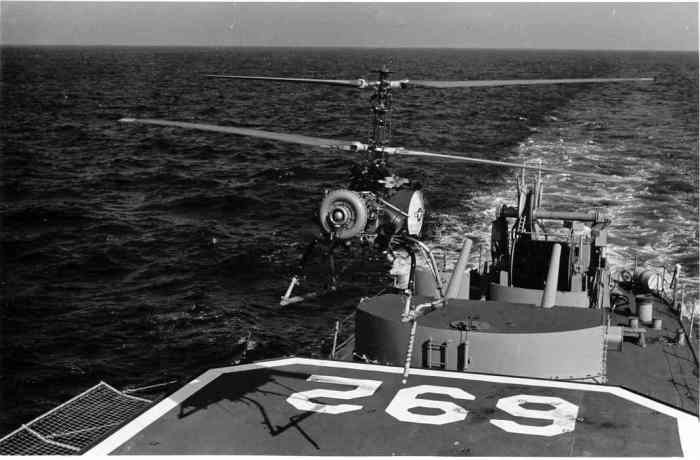

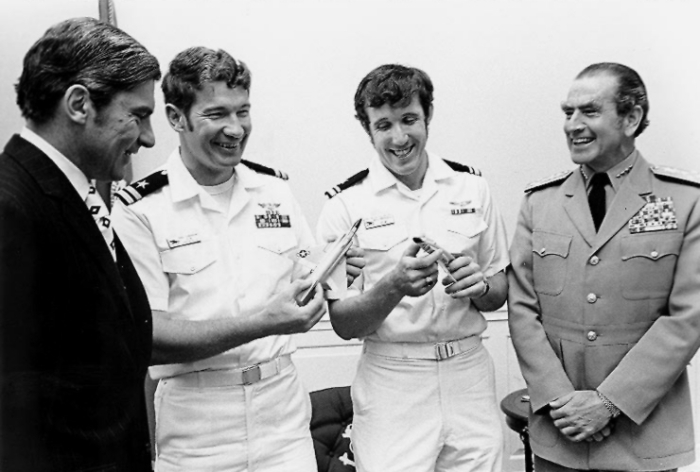
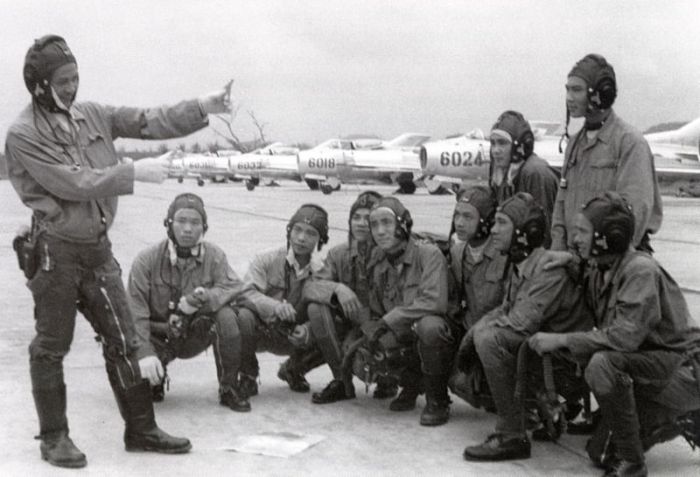
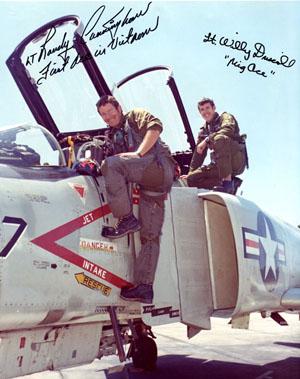
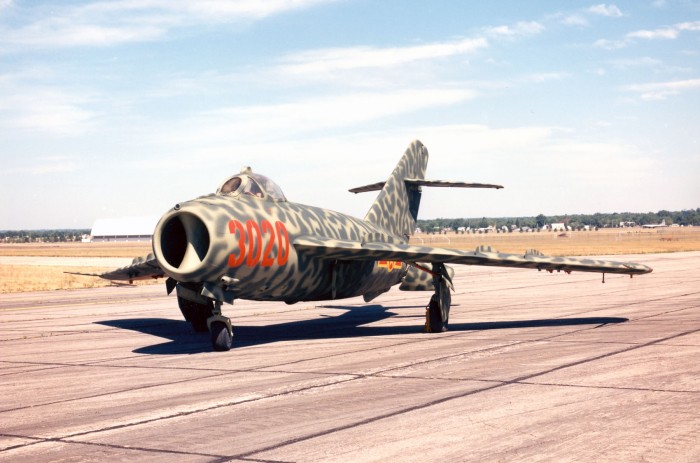

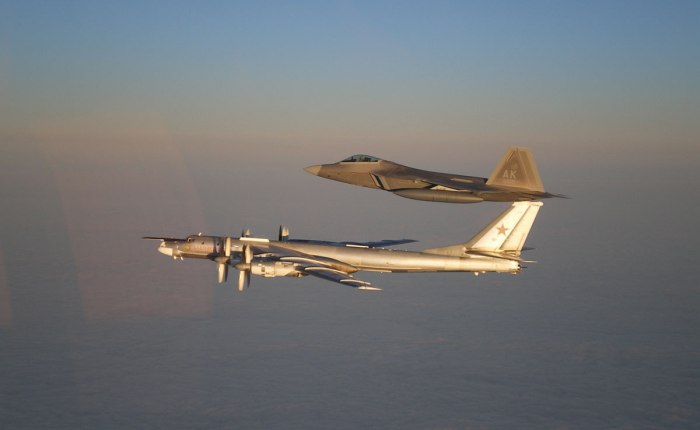


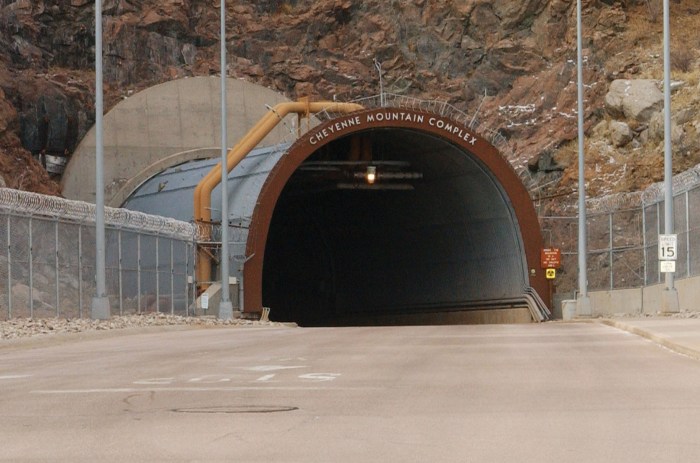


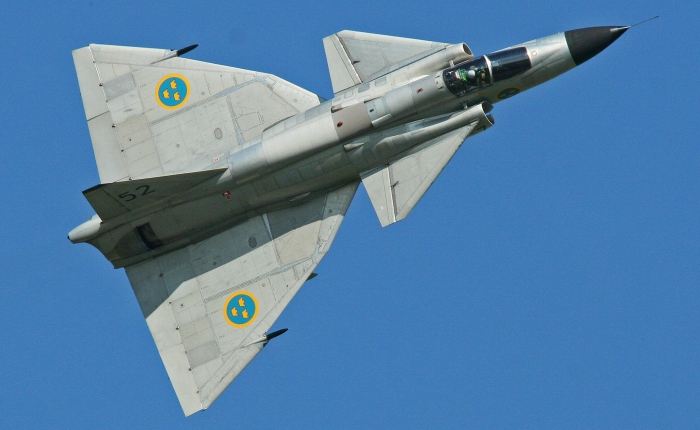
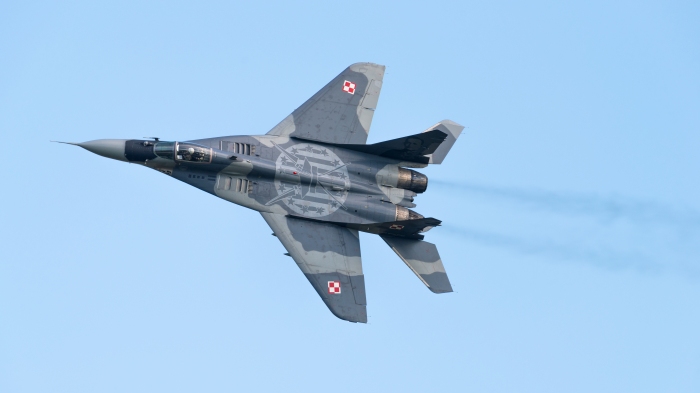
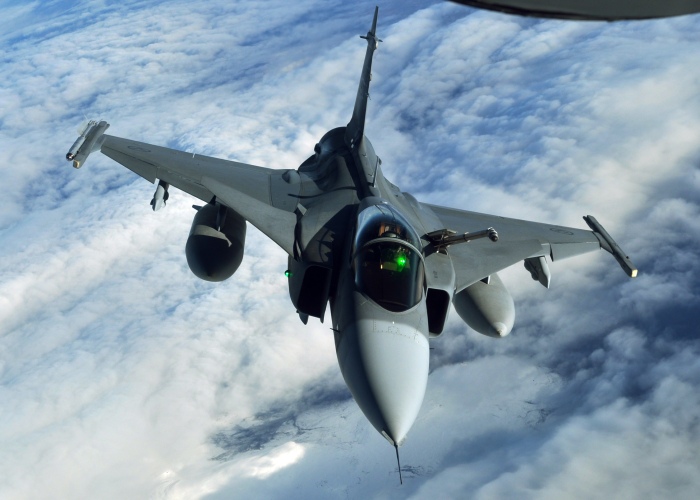


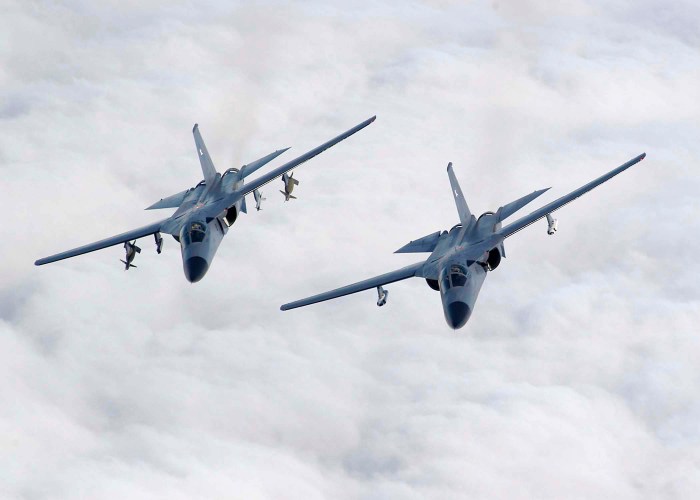

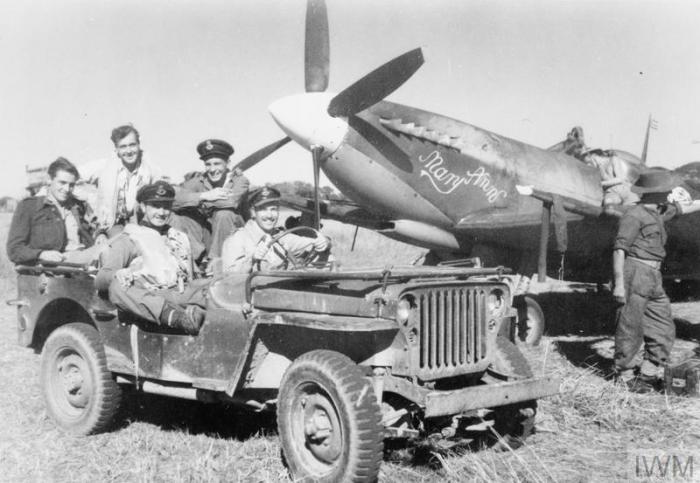
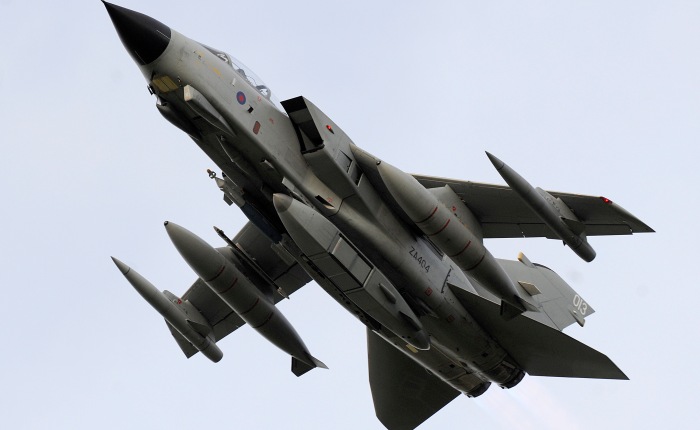
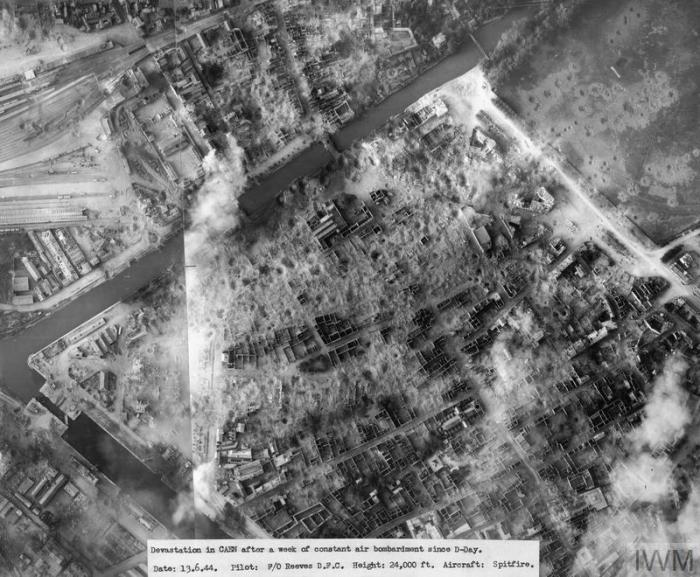


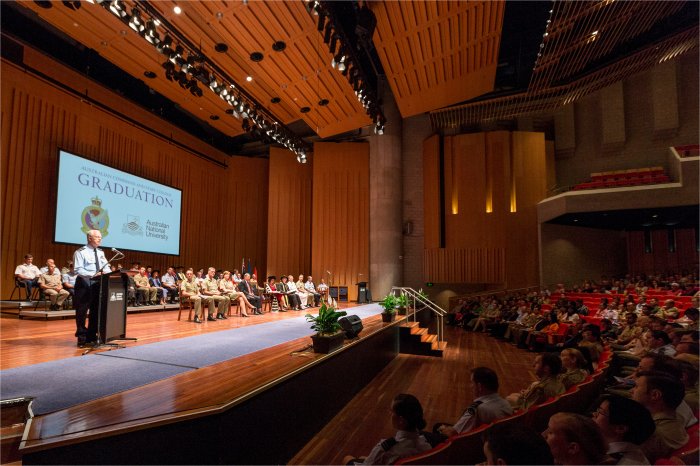
 From Balloons to Drones