#Podcast – Look Ahead at 2025’s Aerospace Books

#Podcast – Look Ahead at 2025’s Aerospace Books

Editorial Note: Led by Editor Dr Mike Hankins, From Balloons to Drones, produces a monthly podcast that provides an outlet for the presentation and evaluation of air power scholarship, the exploration of historical topics and ideas, and provides a way to reach out to both new scholars and the general public. You can find our Soundcloud channel here. You can also find our podcast on Apple Podcasts and Google Podcasts.

Join us as we look at what literary treasures await us in upcoming books on aerospace defence history. What are we excited about? What have we been reading? What have you been reading, and what are you excited about? Let us know!
Also covered: Star Wars, Antz vs. A Bug’s Life

Also, please read our editor-in-chief’s post on the same topic.

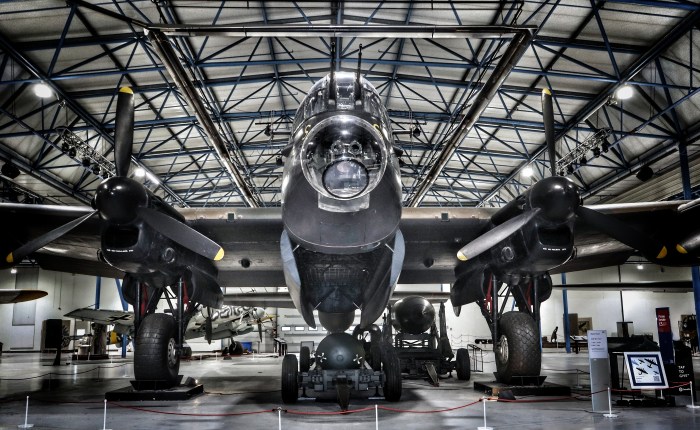
Header image: An Avro Lancaster at the RAF Museum in London (Source: Author’s Collection)

#Podcast – 50th Episode Celebration: An Interview with Dr Mike Hankins and Dr Brian Laslie

#Podcast – 50th Episode Celebration: An Interview with Dr Mike Hankins and Dr Brian Laslie

Editorial Note: Led by Editor Dr Mike Hankins, From Balloons to Drones, produces a monthly podcast that provides an outlet for the presentation and evaluation of air power scholarship, the exploration of historical topics and ideas, and provides a way to reach out to both new scholars and the general public. You can find our Soundcloud channel here. You can also find our podcast on Apple Podcasts and Google Podcasts.

In our 50th episode, Dr Mike Hankins and Dr Brian Laslie review the first 50 episodes of the From Balloons to Drones podcast, revisit our favourites, and consider where we’re headed in the future!

Dr Michael Hankins is the Curator for US Air Force, Navy, and Marine Corps post-World War II Aviation at the Smithsonian National Air and Space Museum and the author of Flying Camelot: The F-15, the F-16, and the Weaponization of Fighter Pilot Nostalgia (2021). In addition, he is a former Professor of Strategy at the USAF Air Command and Staff College eSchool, and a former Instructor of Military History at the US Air Force Academy. He earned his PhD in history from Kansas State University in 2018 and his master’s from the University of North Texas in 2013. He has a web page here.

Dr Brian Laslie is a US Air Force Historian and Command Historian at the United States Air Force Academy. Formerly, he was the Deputy Command Historian at the North American Aerospace Defense Command (NORAD) and United States Northern Command (USNORTHCOM). A 2001 graduate of The Citadel and a historian of air power studies, he received his Masters’ from Auburn University Montgomery in 2006 and his PhD from Kansas State University in 2013. He is the author of Air Power’s Lost Cause: The American Air Wars of Vietnam (2021),  Architect of Air Power: General Laurence S. Kuter and the Birth of the US Air Force (2017) and The Air Force Way of War (2015). The latter book was selected for the Chief of Staff of the Air Force’s 2016 professional reading list and the 2017 RAF Chief of the Air Staff’s reading list. He can be found on Twitter at @BrianLaslie. 

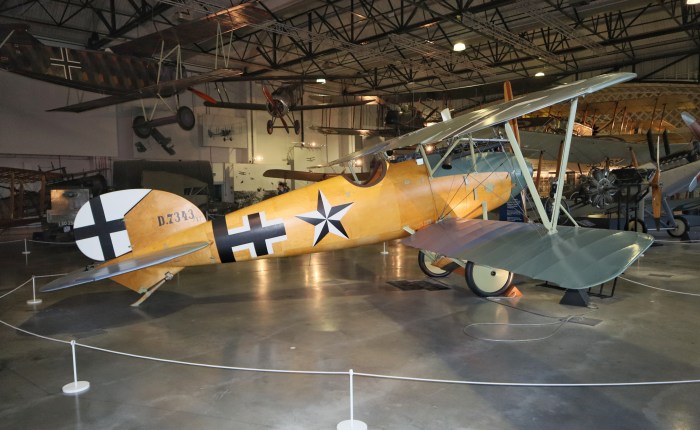
Header image: A replica Albatros DVa at the Royal Air Force Museum at Hendon (Source: Author’s Collection)

#Podcast – “A Dizzy Idea” – The Airplanes that Didn’t Make It: An Interview with Dr Kenneth P. Werrell

#Podcast – “A Dizzy Idea” – The Airplanes that Didn’t Make It: An Interview with Dr Kenneth P. Werrell

Editorial Note: Led by Editor Dr Mike Hankins, From Balloons to Drones, produces a monthly podcast that provides an outlet for the presentation and evaluation of air power scholarship, the exploration of historical topics and ideas, and provides a way to reach out to both new scholars and the general public. You can find our Soundcloud channel here. You can also find our podcast on Apple Podcasts and Google Podcasts.

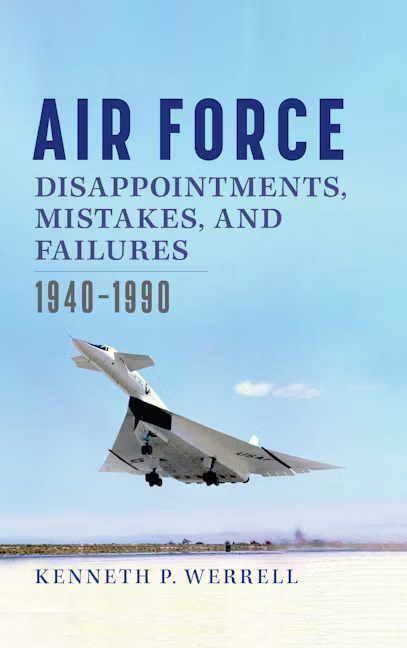
For every military aircraft that takes to the skies, many others never get off the drawing board or make it into full production. Renowned and prolific aviation historian Kenneth P. Werrell talks to us in his new book, Air Force Disappointments, Mistakes, and Failures, 1940-1990, about some of these projects and why some aeroplanes never seem to take off.

9781648431296

Dr Kenneth P. Werrell is the author of Death from the Heavens: A History of Strategic Bombing, Sabres over MIG Alley: The F-86 and the Battle for Air Superiority over Korea, Chasing the Silver Bullet: US Air Force Weapons Development from Vietnam to Desert Storm, Blankets of Fire: U.S. Bombers Over Japan During World War II, and other books.

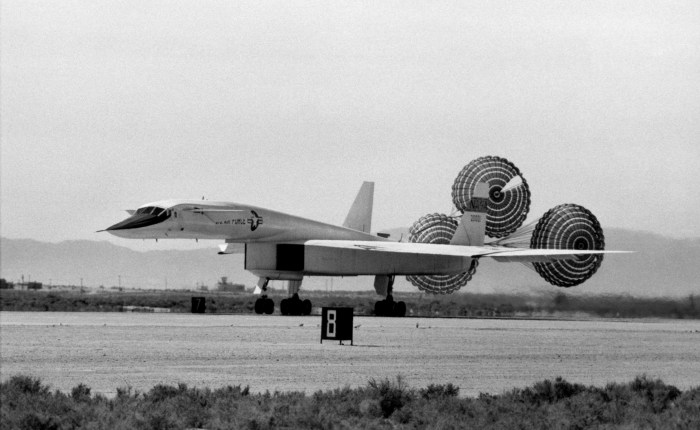
Header image: A North American XB-70A Valkyrie rolling out after landing, employing drag chutes to slow down. In the photo, the outer wing panels are slightly raised. The panels were lowered to improve stability when the XB-70 was flying at high speed. (Source: Wikimedia)

#Podcast – “Keep ‘Em Flying!”: An Interview with Dr Stan Fisher

#Podcast – “Keep ‘Em Flying!”: An Interview with Dr Stan Fisher

Editorial Note: Led by Editor Dr Mike Hankins, From Balloons to Drones, produces a monthly podcast that provides an outlet for the presentation and evaluation of air power scholarship, the exploration of historical topics and ideas, and provides a way to reach out to both new scholars and the general public. You can find our Soundcloud channel here. You can also find our podcast on Apple Podcasts and Google Podcasts.

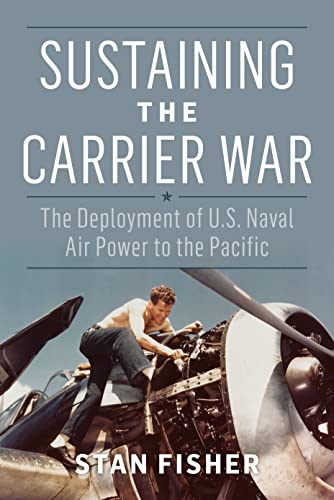
The Pacific Theater of the Second World War was massive and had vast numbers of ships and aeroplanes. Keeping a force like that operational and effective takes tremendous work behind the scenes. In our latest episode, Dr Stan Fisher takes us through his new book, Sustaining the Carrier War: The Deployment of U.S. Naval Air Power to the Pacific, to show the often overlooked people behind the scenes: the mechanics and maintainers who kept the planes working and kept the carriers able to keep air power in the air in the war against Japan.

Version 1.0.0

Dr Stan Fisher, a commander in the U.S. Navy, is an assistant professor of naval and American history at the United States Naval Academy.  Before transitioning to the classroom, he accumulated over 2,500 flight hours as a US Navy pilot, mainly in SH-60B & MH-60R Seahawk helicopters. He earned a commission through the Naval Reserve Officer Training Corps in 1997 and has multiple deployments on frigates, cruisers, and aircraft carriers. Fisher has also served as a weapons and tactics instructor, squadron maintenance officer, and operational test director. Additionally, he has completed tours of duty in engineering and acquisitions at the Naval Air Systems Command.  He is a past recipient of the Samuel Eliot Morison Naval History Scholarship and earned his PhD from the University of Maryland.

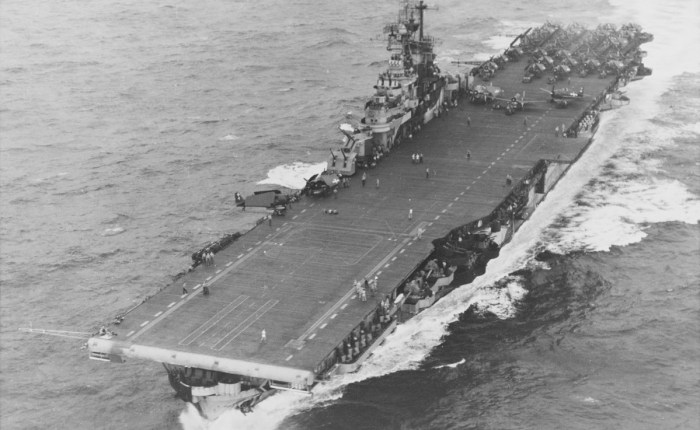
Header image: USS Intrepid (CV-11) operating in the Philippine Sea in November 1944. Note the Grumann F6F Hellcat fighter parked on an outrigger forward of her island. (Source: NH 97468, US Naval History and Heritage Command)

#Editorial – What content would you like to see on the ‘From Balloons to Drones’ podcast?

#Editorial – What content would you like to see on the ‘From Balloons to Drones’ podcast?

In 2019, From Balloons to Drones established a podcast series that aimed to provide an outlet for the presentation and evaluation of air power scholarship, the exploration of historical topics and ideas, and a way to reach out to both new scholars and the general public. Since then we have published 47 interviews with various authors and discussed numerous topics.

As we continue to develop and grow, the time has come to ask our audience what you would like to hear on our podcast. All answers are welcome. If your answer is not in this list below simply select ‘Other’ and provide more details in the comments. We look forward to your feedback. In the meantime, you can find our podcast channel here on Soundcloud.

#Podcast – “There is a Holy Trinity of US Air Force History”: An Interview with Dr Brian Laslie

#Podcast – “There is a Holy Trinity of US Air Force History”: An Interview with Dr Brian Laslie

Editorial Note: Led by Editor Dr Mike Hankins, From Balloons to Drones, produces a monthly podcast that provides an outlet for the presentation and evaluation of air power scholarship, the exploration of historical topics and ideas, and provides a way to reach out to both new scholars and the general public. You can find our Soundcloud channel here. You can also find our podcast on Apple Podcasts and Google Podcasts.

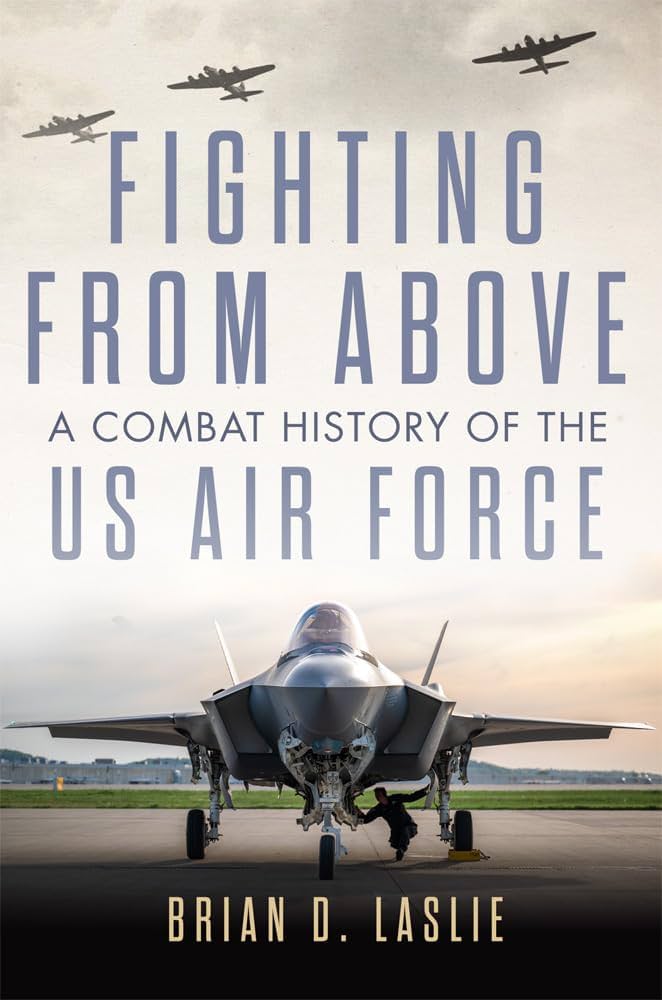
In our latest podcast, we put our co-host and editor, Dr Brian Laslie, in the hot seat to discuss his newest book, Fighting from Above: A Combat History of the US Air Force, from the University of Oklahoma Press. He discusses the earliest days of American air power up through the present and looks into the future.

51HT2sVpfiL._AC_UF1000,1000_QL80_

Dr Brian Laslie is a US Air Force Historian and Command Historian at the United States Air Force Academy. Formerly, he was the Deputy Command Historian at the North American Aerospace Defense Command (NORAD) and United States Northern Command (USNORTHCOM). A 2001 graduate of The Citadel and a historian of air power studies, he received his Masters’ from Auburn University Montgomery in 2006 and his PhD from Kansas State University in 2013. He is the author of Air Power’s Lost Cause: The American Air Wars of Vietnam (2021),  Architect of Air Power: General Laurence S. Kuter and the Birth of the US Air Force (2017) and The Air Force Way of War (2015). The latter book was selected for the Chief of Staff of the Air Force’s 2016 professional reading list and the 2017 RAF Chief of the Air Staff’s reading list. He can be found on Twitter at @BrianLaslie.

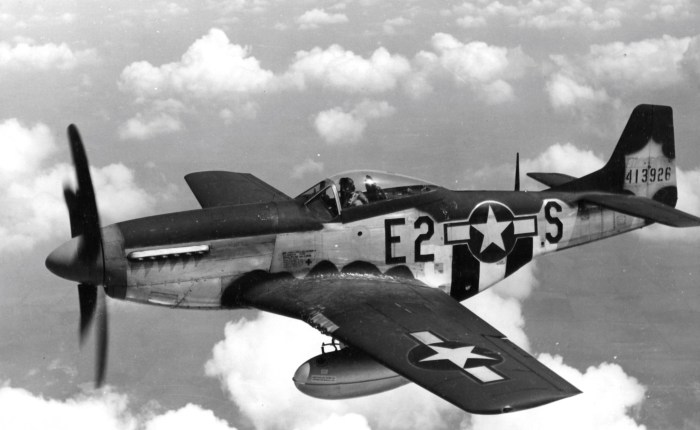
Header image: A North American P-51 Mustang of the United States Army Air Force over France, c. 1944. (Source: US National Archives and Records Administration)

#Podcast – “I want to serve in the same way they did”: An Interview with Dr Sarah Myers

#Podcast – “I want to serve in the same way they did”: An Interview with Dr Sarah Myers

Editorial Note: Led by Editor Dr Mike Hankins, From Balloons to Drones, produces a monthly podcast that provides an outlet for the presentation and evaluation of air power scholarship, the exploration of historical topics and ideas, and provides a way to reach out to both new scholars and the general public. You can find our Soundcloud channel here. You can also find our podcast on Apple Podcasts and Google Podcasts.

During the Second World War, it was not only men who flew military aeroplanes. Many women flew all kinds of aeroplanes in various roles in the United States, many of them members of the Women’s Airforce Service Pilots (WASP). Their story did not end with the war either, as they fought for recognition as veterans throughout the 1960s and 70s. In our latest interview, From Balloons to Drones, Dr Sarah Myers joins us to discuss these women’s unique roles in the war and beyond and their legacy today.

9781469675039

Dr Sarah Parry Myers is an Associate Professor of History at Messiah University in central Pennsylvania, where she teaches courses on 20th Century U.S. history, gender history, public history, and war and society. Myers is the author of Earning Their Wings: The WASPs of World War II and the Fight for Veteran Recognition (2023). She previously attended a National Endowment of the Humanities Summer Institute on Veterans Studies. She received a 2020-2022 National Endowment of the Humanities Dialogues on the Experience of War grant, ‘We are Veterans Too: Women’s Experiences in the U.S. Military.’

Header image: Four United States Women’s Airforce Service Pilots members receive final instructions as they chart a cross-country course on the flight line of a US airport. Assigned to the ferrying division of the United States Army Air Transport Command, the women pilots belong to the first class of American women to complete a rigorous nine-week transitional flight training course in handling B-26 Marauder medium bombers. They have been given special assignments with the US Army Air Forces as tow target pilots. (Source: US National Archives and Records Administration)

#Podcast – “A Bridge to 21st Century Spaceships”: An Interview with Astronaut Tom Jones

#Podcast – “A Bridge to 21st Century Spaceships”: An Interview with Astronaut Tom Jones

Editorial Note: Led by Editor Dr Mike Hankins, From Balloons to Drones, produces a monthly podcast that provides an outlet for the presentation and evaluation of air power scholarship, the exploration of historical topics and ideas, and provides a way to reach out to both new scholars and the general public. You can find our Soundcloud channel here. You can also find our podcast on Apple Podcasts and Google Podcasts.

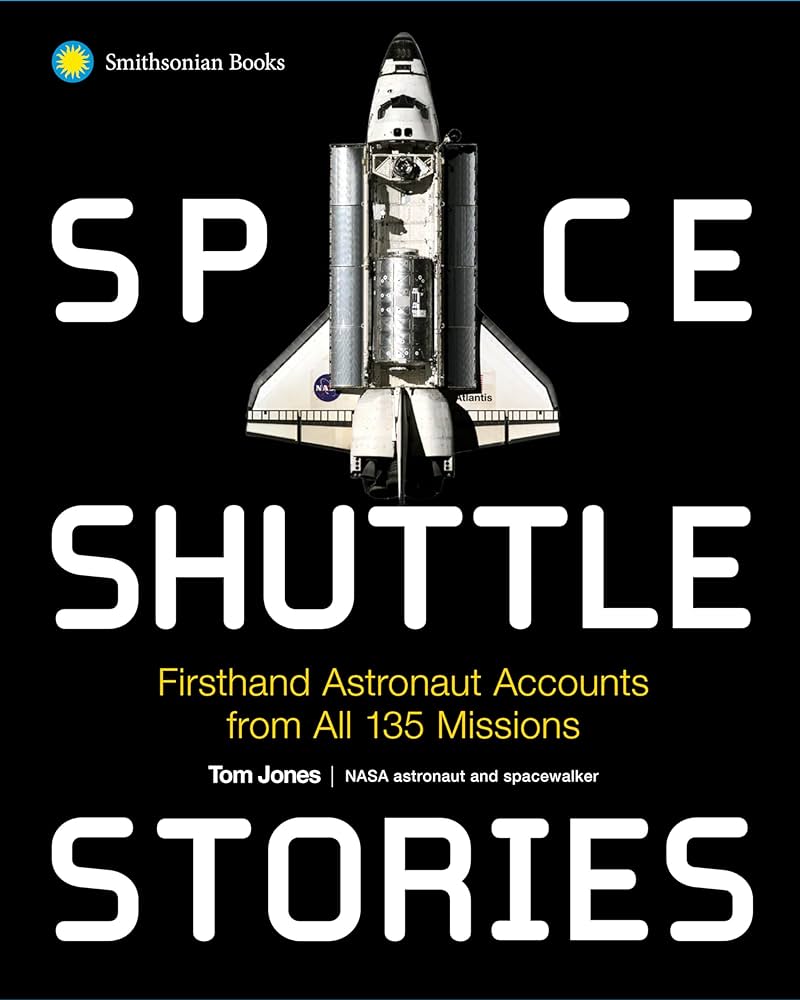
From Balloons to Drones is excited to be joined by veteran astronaut Tom Jones to talk about the history of the US Space Shuttle Program. Having flown in space on four shuttle missions, Jones shares not only his own perspective but also reflects on the entirety of the shuttle program based on the interviews and research that informed his new book, Space Shuttle Stories: Firsthand Astronaut Accounts from All 135 Missions (2023), from Smithsonian Books.
71eU0F+tHzL._AC_UF1000,1000_QL80_

Tom Jones is a veteran astronaut, planetary scientist, pilot, author, and speaker who completed four space shuttle missions and three spacewalks in helping build the International Space Station. Jones has authored six books, including Sky Walking: An Astronaut’s Memoir, and has written for aerospace magazines such as Air & Space Smithsonian, Aerospace America, Popular Mechanics, and The Planetary Report. A senior research scientist for IHMC, he appears regularly on television news as an expert commentator for space exploration and science stories.

Header image: Space Shuttle Atlantis takes flight on its STS-27 mission on 2 December 1988, utilising 375,000 pounds of thrust produced by its three main engines. The engines start in 3.9 seconds of ignition and go to static pump speeds of approximately 35,000 revolutions per minute during that time. (Source NASA)
#Podcast – “The Americans were clearly defeated in 1943…”: An Interview with Dr Luke Truxal

#Podcast – “The Americans were clearly defeated in 1943…”: An Interview with Dr Luke Truxal

Editorial Note: Led by Editor Dr Mike Hankins, From Balloons to Drones, produces a monthly podcast that provides an outlet for the presentation and evaluation of air power scholarship, the exploration of historical topics and ideas, and provides a way to reach out to both new scholars and the general public. You can find our Soundcloud channel here. You can also find our podcast on Apple Podcasts and Google Podcasts.

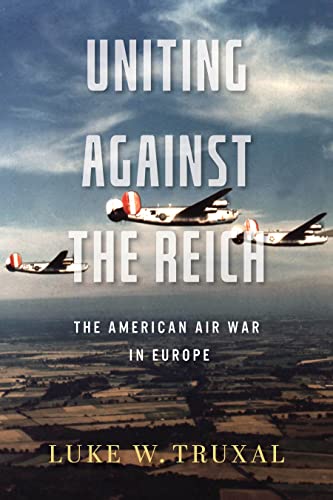
Dr Luke Truxal is the author of the new book Uniting Against the Reich: The American Air War in Europe from the University Press of Kentucky. In it, he traces how the structure of command over air forces in the Second World War created a mess of problems. Only late in 1943 and into 1944 did these command structures change, enabling air power to become more effective. In this interview, Truxal takes us into the dramatic relationships between leaders like Dwight Eisenhower, Carl Spaatz, and more, showing why, in positions of leadership, personality matters.

41KKUqJT9LL._SL500_

Dr Luke Truxal is an adjunct at Columbia State Community College in Tennessee. He completed his PhD in 2018 from the University of North Texas with his dissertation ‘Command Unity and the Air War Against Germany.’ His previous publications include ‘Bombing the Romanian Rail Network’ in the Spring 2018 issue of Air Power History. He also wrote ‘The Politics of Operational Planning: Ira Eaker and the Combined Bomber Offensive in 1943’ in the Journal of Military Aviation History. In addition, Truxal is researching the effectiveness of joint air operations between the Allied air forces in the Second World War. He can be reached on Twitter at @Luke_Truxal.

Header image: A formation of Boeing B-17F Flying Fortresses over Schweinfurt, Germany, on 17 August 1943. (Source: National Museum of the United States Air Force)

#Podcast – “Women aren’t in combat but they’re being killed”: An Interview with Eileen Bjorkman

#Podcast – “Women aren’t in combat but they’re being killed”: An Interview with Eileen Bjorkman

Editorial Note: Led by Editor Dr Mike Hankins, From Balloons to Drones, produces a monthly podcast that provides an outlet for the presentation and evaluation of air power scholarship, the exploration of historical topics and ideas, and provides a way to reach out to both new scholars and the general public. You can find our Soundcloud channel here. You can also find our podcast on Apple Podcasts and Google Podcasts.

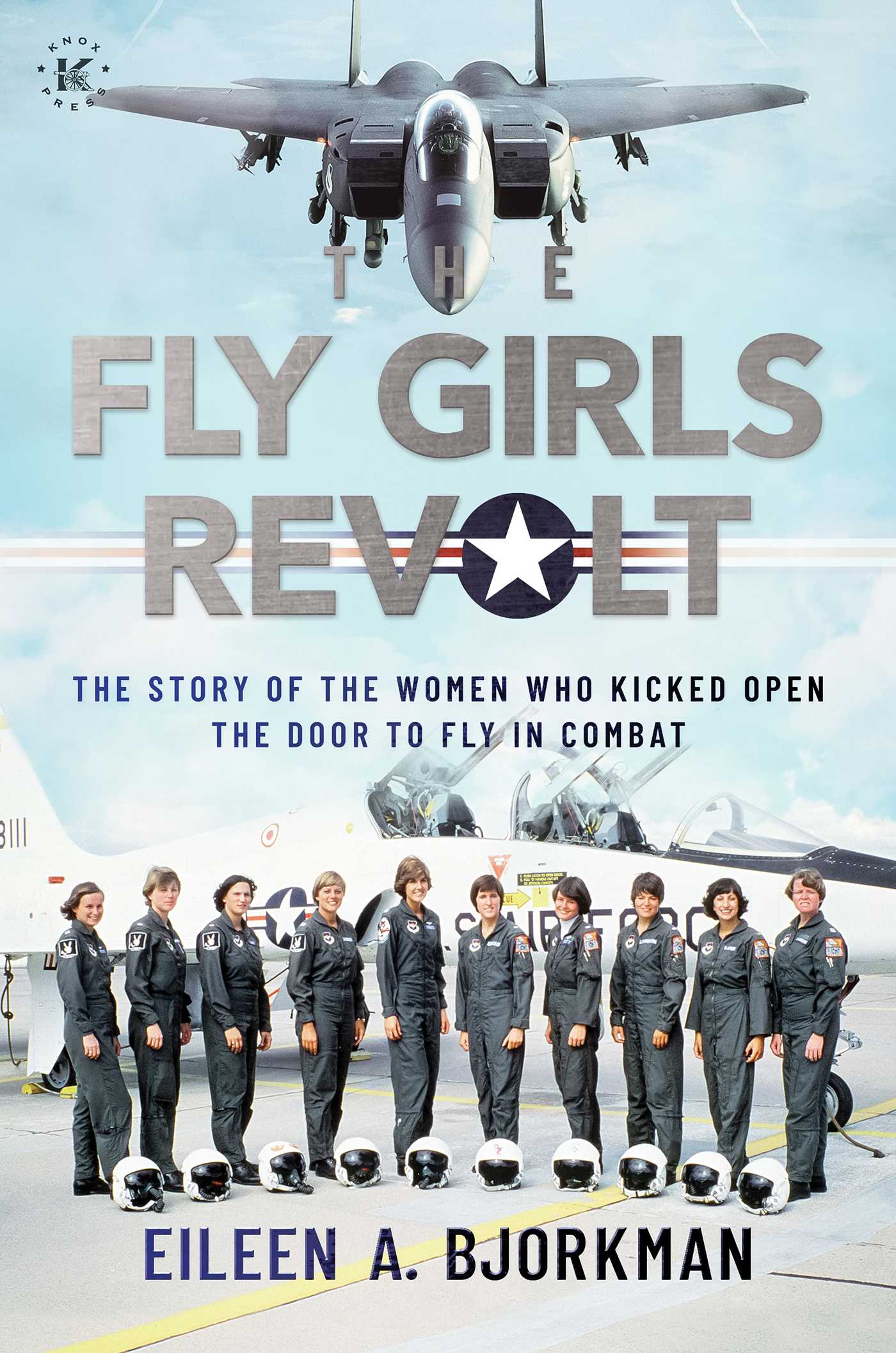
2023 marks the 30th anniversary of the announcement of the first female American combat fighter pilots. How did the US go from women not being allowed in military aeroplanes to having women combat pilots? Eileen Bjorkman (Colonel, USAF, ret’d) joins us to discuss these momentous changes. She is a former flight test engineer who has flown in aircraft like the F-4 Phantom and the F-16 Fighting Falcon, and she is the author of Fly Girls Revolt: The Story of the Women who Kicked Open the Door to Fly in Combat (2023), from Knox Press.

the-fly-girls-revolt-9781637585948_hr

Eileen Bjorkman is a retired US Air Force Colonel. She was a flight test engineer during her USAF career, flying more than 700 hours in twenty-five different types of military aircraft, including fighters such as the F-4 and F-16. She is also a civilian pilot and author of The Propeller Under the Bed (2017) and Unforgotten in the Gulf of Tonkin (2020).

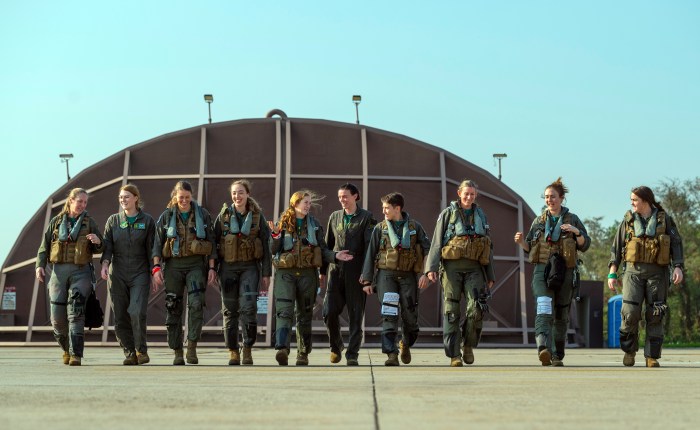
Header image: Female fighter pilots assigned to the 36th and 25th Fighter Squadrons join together before flying a historic all-female flight at Osan Air Base, South Korea, on 25 October 2021. The flight is the first time 10 female Airmen have planned, led and flown in a formation together while assigned to Osan AB. Eight pilots are A-10 Thunderbolt II pilots, and two are F-16 Fighting Falcon pilots. (Source: US Air Force)