The other week I mentioned on Twitter that it had been two years since I had touted the idea of creating a group website dedicated to air power history, theory, and practice. While we might quibble about From Balloons to Dronesdate of birth, it was on 15 June 2016 that the first post announcing the creation of the site and calling for contributions was published. As such, it seems apropos to reflect on the past two years.
From Balloons to Drones started out with me as the only editor and we had a couple of dedicated contributors. I am pleased to say that three of those early dedicated contributors, Dr Brian Laslie, Dr Mike Hankins, and Alexander Fitzgerald-Black, have now come onboard as Assistant Editors. All our effort is, of course, done in addition to our other work away from the site. For example, recently, I moved to Australia from the UK and co-edited a special edition of the British Journal for Military History while Brian published his much-awaited book on General Laurence Kuter. Similarly, Alex published his first book on the air war over Sicily in 1943 while Mike completed his PhD on culture and technology in the United States Air Force (USAF) and has now moved to take up a position at the USAF Air Command and Staff College. Nonetheless, despite all these significant personnel and professional achievements, and with my Assistant Editors support, we continue to plan for the future and examine how we might grow the air power core community of interest.
As well as adding Brian, Mike, and Alex to the editorial team, From Balloons to Drones continues to grow regarding the number of contributors to the site; however, we are always looking to add new writers to the team. As such, if you are a postgraduate, academic, policymaker, member of the armed forces or a relevant professional involved in researching the subject of air power then take a moment and look at our submissions page to find out how you can get involved with the conversation.
What about statistics? Well, this is our ninety-fifth post, which, of course, means we are just five away from the magic century. Those 95 posts have consisted of articles, research notes, book reviews, commentaries, and the occasional editorial. We also started a new series of historic books reviews with the first one published here. All told, these posts, excluding this one, have totalled some 157,000 words, or roughly the equivalent of two monographs! We have published a wide variety of articles that have covered both historical and contemporary issues. The top five posts are:
We also worked on a great joint series of articles with our partners at The Central Blue. These articles supported a seminar that the Williams Foundation held in Canberra, Australia that looked at the requirements of high-intensity warfare in the 21st century. This was a great partnership and something we are happy to explore again in the future.
The Future
Speaking of the future, there is, of course, the question of what comes next. Well, hopefully, more of the same. We are keen to build on the high-standards we believe that we have set for ourselves. However, we can only do that with your help. So, get in touch and contribute!
As noted, we have started a new series of historic book reviews, and this is an area that we are keen to develop. The series aims to be an accessible collection of appraisals of critical historic publications about air power history, theory, and practice. Many books hold a specific place in the study of air power because of the ideas they introduced or the insights they provided about the institutions responsible for delivering air power capabilities. The reviews will cover several different types of texts from those works that developed air power ideas to crucial memoirs.
Our essential development for the near future is that we are launching a series of podcasts with authors of new air power related titles. This is a project that Mike is working on for us, and we are excited about the prospect of offering something stimulating and hearing from those working in the field of air power studies. We will be realising more information about these podcasts once we have more details.
Concluding Thoughts
Overall, myself, Brian, Mike, and Alex have made a concerted effort to develop closer ties not just between ourselves but between those interested in the subject of air power. We think we have done that, but we are always happy to hear any ideas that our readers might have for future developments. Finally, it is to you, our readers, and our contributors that we owe our greatest thanks. Without you, we would not exist. If you do not come and read the material that we publish, then there is little point in this endeavour. That you do come and read our ramblings is appreciated, and we hope you continue to do so for many years to come.
Dr Ross Mahoney is the Editor of From Balloons to Drones. He is an independent historian and defence specialist based in Australia. Between 2013 and 2017, he was the resident Historian at the Royal Air Force Museum, and he is a graduate of the University of Birmingham (MPhil and PhD) and the University of Wolverhampton (PGCE and BA). His research interests include the history of war in the twentieth and twenty-first centuries, air power and the history of air warfare, and the social and cultural history of armed forces. To date, he has published several chapters and articles, edited two books, and delivered papers on three continents. He is a member of the Royal Historical Society and an Assistant Director of the Second World War Research Group. He blogs at Thoughts on Military History, and can be found on Twitter at @airpowerhistory.
Phillip S. Meilinger, Limiting Risk in America’s Wars: Airpower, Asymmetrics, and a New Strategic Paradigm. Annapolis: MD, Naval Institute Press, 2017. Illustrations, Notes, Bibliography, Hbk. xx + 277 pp.
The US possesses the pre-eminent military force in the world today. The record of the US in conflict since the Second World War does not, however, reflect this capability pre-eminence. In a recent online article, Harlan Ullman noted that:
President John F. Kennedy tartly observed that there is no school for presidents [but] there needs to be a way to bring knowledge and understanding to bear on presidents’ decisions.[1]
Ullman’s concern is that President’s, and those that advise them, are ill prepared for determining political strategy in the context of using military force.
It would not be inappropriate to suggest that Phillip S. Meilinger’s new book is one way of addressing this knowledge deficit. In simple terms, this is a book about US strategy, or rather re-thinking US strategy in the context of protecting national interests subject to the usual pressures of representative democracy. Pressures that require amongst other things maintenance of public support, which is increasingly sensitive to the costs of war in both people and money. As such Meilinger advocates for a reorientation of US military policy to focus on its asymmetric strengths in areas such as air and naval power, special forces (SOF), increasingly pervasive intelligence, surveillance and reconnaissance (ISR) and intelligence analysis, against enemy vulnerabilities, and at the same time limit the States exposure to the risk of ‘casualties and cost’. While a simple concept, it is a shift away from current US strategic policy that follows Clausewitzian notions of using conventional ground forces against enemy strengths.
Meilinger starts by reminding us of the main problem to be addressed – designing military strategy to achieve political goals with the highest chance of decisive military victory but at the least cost. Railing against the Clausewitzian model of seeking decisive victory by attacking an enemy’s strength head-on, and its attendant higher cost and risk of failure, Meilinger reviews the work of several renowned strategists including Basil Liddell Hart, J.F.C. Fuller, Antoine Jomini and Sun Tzu to identify an alternative strategic direction. The common thread he draws from such strategists is of using an asymmetric advantage to strike at an enemy’s weakness while protecting your own. He draws upon the example of indirect second-front operations that he defines as:
[g]rand strategic flanking manoeuvres involving a major military force that strikes the enemy unexpectedly somewhere other than the main theatre of action (the source of the enemy’s strength) and is directed to achieving clear political objectives. (p.31)
Within the concept of second-fronts, Meilinger sees a basis to provide the US with an asymmetric advantage over enemies, with the promise of limiting the America’s exposure to casualties and cost.
Meilinger then examines both successful and unsuccessful historical incidences of second-fronts from the Peloponnesian war through to the Second World War to determine whether they are conceptually relevant today. This examination identifies that the reasons for opening a second-front exist today. These reasons are to avoid enemy strongpoints, increased morale, gaining an economic advantage, splitting an alliance, denying or gaining access to resources, the base for further operations, taking advantage of a unique strength. Importantly, the contemporary need for states to limit risk and preserve resources makes the most fundamental reason for adopting second-fronts. Also, the use and creation of asymmetry against an enemy by avoiding their strengths and attacking their vulnerabilities to limit risk and cost are of significant relevance to the American public. Similarly, those factors prominent in success or failure of second-fronts such as valid strategy, competent planning, competent leadership, accurate and timely intelligence, friendly or neutralised local population, secure lines of communication, maritime and air superiority, are also still current.
F-35A Lightning II joint strike fighters land at RAF Lakenheath, 15 April 2017. The arrival of these aircraft marked the first F-35A fighter training deployment to the US European Command area of responsibility or any overseas location. The aircraft is assigned to the 34th Fighter Squadron at Hill Air Force Base, Utah. (Source: US Department of Defense Images)
While many of these factors are commonly addressed, Meilinger raises a couple of issues that are perhaps core to the application of an appropriate alternative strategy to the achievement of desired political objectives. Success requires both sound policy and strategy, the setting of which requires the military leadership to provide appropriate advice and guidance to the government. Political objectives must be achievable through an aligned strategy that military planners design to maximise the chance of success while simultaneously minimising risk and costs. As such strategy and the forces to implement it should not be adversely affected by service culture or other factors incongruent with the development of optimal outcomes. Should the government not accept appropriate advice, but instead adopts policy or strategy that inappropriately increases the risk to lives and/or of failure then the military leadership should have the moral courage to seek to positively influence political decision-making or be prepared to resign.
Meilinger highlights the asymmetric advantage provided to the US by its air power capabilities that most, if not all, nations would struggle to contain. Through its reach, speed, ubiquity, flexibility and lethal precision it provides the US direct access to all the strengths and vulnerabilities (centres of gravity) of an enemy, allowing it the ability to undertake direct or indirect attack against them, with drastically reduced risk to its forces and civilians, and a significantly reduced footprint. Concerns over its reputation (psychological, graphic violence, and morality of distance) and risk shifting to civilians, arguably are offset using precision weapons, targeting tools and detailed planning resulting in reduced risk to civilians. In other words, Meilinger claims it is ‘the US asymmetric advantage that limits [US] risk.’ (p. 190)
Since the Second World War, wars have generally been fought with limited means to achieve limited objectives, whether due to avoiding nuclear peers, concerns with maintaining public support, legal restrictions, media, geography, culture or concerns over managing scarce resources. Meilinger’s review of post-Second World War wars undertaken by the US from Korea to Iraq highlights a somewhat chequered record of success premised on US strategy of employing massive conventional ground forces. While air power was used during these wars, it was either used poorly, or when used successfully, the maintenance of an overall Clausewitzian conventional ground force strategy ultimately led to strategic failure.
Meilinger notes that perhaps another model should have been used; one presaged by historical second-front operations that used unique strategies and tactics to solve equally unique problems, with the goal of achieving measurable political results at minimal risk. As such Meilinger suggests that the US should ‘use [its] asymmetric strengths against enemy weaknesses while screening their own vulnerabilities’. In addition to air power, existing asymmetric strengths include SOF and ubiquitous ISR. Combining these three capabilities with ‘determined’ indigenous forces provide a force structure that provides an asymmetric advantage against conventional and unconventional enemy forces, and which when compared to conventional ground force options offers an opportunity for measurable results while saving lives and money.
There is, however, a paradox in Limiting Risk in America’s Wars that is hard to reconcile. The engaging, forthright simplicity of the book is achieved by avoiding overly complex analysis and justification of strategic concepts and their technical detail. Consequently, what makes the book easy to read and understand, also makes it appear shallow in specific areas. While the knowledge of the author is unquestionable, and the notes provide an extra depth of information, there are times when the reader is left to accept the statements of the author as fact, rather than follow an articulated analysis resulting in verifiable deductions or inductions.
US Army 1st Sergeant Henning Jensen of Headquarters Company, 1st Battalion, 1st Security Force Assistance Brigade, leads a foot patrol with the National Police Transition Team in eastern Baghdad in 2008 while assigned to a military transition team. Transition teams have been replaced by the 1st SFAB to help combatant commanders accomplish theatre security objectives by training, advising, assisting, accompanying and enabling allied and partnered indigenous security forces. (Source: US Department of Defense Images)
For instance, a critical position taken by the author is that the US should adopt the asymmetric advantage provided by the ‘combination of air power, SOF, indigenous forces, and ISR.’ (p. 194) There is a succinct analysis of the air power capability resulting in a deduction that air power provides an asymmetric advantage, but there is no such deductive analysis of the asymmetric advantage of SOF and ISR and only a limited prescription for indigenous troops. While there seems to be a dearth of material on the anti-Clausewitzian aspects of these elements, examples exist. The work of retired General Robert Scales, for instance, on mobile land forces in replication of air power capability would seem to offer the prospect of more detailed analysis of corresponding ground force elements, to aid in fleshing out the elements of Meilinger’s overall strategy. The lack of detailed insight into each of the non-air power elements, by consequence results in the absence of explanation or analysis into how the four nominated forces fit together to deliver an overall asymmetric advantage in contemporary conflict. Admittedly, a core thread of the book is about raising the importance of air power in the overall force composition and strategy mix, but the failure to address the other elements and their combination can lead to questions, which undermines the overall premise of the book and could have been quickly addressed.
One such example is the a priori claim that the use of conventional forces increases the risk of casualties (civilians and own forces) – whether from the dangers of ground combat or the application of air power in support of troops in conflict. If you replace conventional forces with indigenous troops, the same risks still seem to exist. In fact, the risk may increase if the indigenous troops are not as professional or well-equipped as the conventional forces they are replacing. The logical conclusion that can be drawn thus appears to be that the only benefit that exists is a movement of risk from US forces (as no conventional troops are committed) to the indigenous forces and civilians.
Meilinger tellingly notes that if:
US leaders determine that our vital interests be indeed at stake and US involvement is essential the case studies reveal timeless truths regarding the most effective and efficient methods of achieving success at low risk. (p. 205)
Conceptually, after reading this book, it is hard to disagree with this statement. There is something powerful in the simple argument that strategy, and force composition, should be built around the use of asymmetrical advantages against enemy vulnerabilities to reduce risk and cost. However, by attempting to advance this concept one step further and identify, without full supporting analysis, a specific contemporary US strategy with a focus on air power and the other elements of SOF, ISR and indigenous ground forces, it strikes me that Meilinger not only comes to a logically weakened position. As such, Meilinger, unfortunately, misses the opportunity to articulate a more robust and appropriate strategy for the conduct of warfare generally.
Wing Commander Alec Tattersall has been a permanent member of the Royal Australian Air Force (RAAF) since 1996. He is a graduate of the University of Tasmania (Bcom & LLB), the University of Melbourne (Grad. Dip. Military Law), the Australian National University (GDLP and LLM), and is currently undertaking postgraduate research into the philosophical aspects of autonomous weapon systems at the University of New South Wales. His recent postings include; Headquarters Joint Operations Command, Air Force Headquarters, the Directorate of Operations and Security Law, and the Air Power Development Centre. Threaded through these postings are a number of operational deployments to the Middle East and domestically for counter-terrorism. He is the currently seconded to Special Counsel in the Australian Signals Directorate and is the Defence Legal representative to the 2017/18 meetings of the United Nations Group of Governmental Experts on Lethal Autonomous Weapon Systems. The opinions expressed are his alone and do not reflect those of the RAAF, the Australian Defence Force, or the Australian Government.
Header Image: An MQ-9 Reaper equipped with an extended range modification sits on the ramp on Kandahar Airfield, Afghanistan before a sortie on 6 December 2015. (Source: US Department of Defense Images)
If you would like to contribute to From Balloons to Drones, then visit our submissions page here to find out how.
[1] Harlan Ullam, ‘Why America Loses Every War,’ Defense One, 17 November 2017.
Last week, From Balloons to Drones published the first in a new series of Historic Book Reviews. This new series seeks to publish occasional historic book reviews that aim to be an accessible collection of open access appraisals of critical historic publications about air power history, theory, and practice. Many books, such as, but not limited to, those by authors such as Giulio Douhet, William Mitchell, Sir John Slessor and John Warden, hold a specific place in the study of air power because of the ideas they introduced or the insights they provided about the institutions responsible for delivering air power capabilities. The reviews will cover several different types of texts from those works that developed air power ideas to crucial memoirs. The reviews also seek to engage with a broader audience interested in the subject matter.
Given these aims, From Balloons to Dronesis seeking contributions from postgraduates, academics, policymakers, service personnel and relevant professionals to this new exciting series.
A copy of the review guidelines can be downloaded here, and we are happy to discuss possible texts that you may wish to review. You can contact us via our ‘Contact’ page here.
If you would like to contribute to From Balloons to Drones, then visit our submissions page here to find out how.
Header Image: Ground crew manhandle a Gloster Meteor F.3 of No. 616 Squadron Detachment at B58/Melsbroek, Belgium, on 6 February 1945. (Source: UK MoD Images)
The introduction to the recent #highintensitywar series run by From Balloons to Dronesand The Central Blue suggested that the character of military conflict is changing due to the increased possibility of high-intensity war, which, in turn, will present significant challenges to Western militaries. While the series introduction suggested that post-Cold War conflicts presented few challenges for air forces seeking to maintain control of the air the increasing likelihood of a high-intensity war may well change that scenario. In such a case, not only will the ability to achieve air dominance be challenging but also, if that is not achieved then the ability to perform the full spectrum of air power roles and using all capabilities available may be restricted too. Such a situation may prove especially difficult for small air forces which often lack specific capabilities in the first place.
This article focuses predominantly on small European air forces with Poland and Sweden as case studies. It discusses the situation in which these two air forces find themselves after the end of the Cold War and the changes they have undergone. In doing so, this article also briefly introduces some of the general trends and challenges that took place during the post-Cold War years in Europe such as decreasing defence budgets and the downsizing of armed forces. The article identifies principal areas where small European air forces suffer from capability shortcomings and then moves on to discuss the role of multinational cooperation as a means to make up for these gaps.
What is a Small Air Force?
When speaking of a small air force, one could think of it looking at its actual size, its number of the aircraft and its number of personnel. However, this article defines a small air force according to its capabilities. This follows the definition provided by Sanu Kainikara who recognised four categories of air forces; the US Air Force, large air forces, small air forces and niche air forces. These differ from each other regarding the scope of their capabilities, their ability to pursue operations independently as well as the presence of an indigenous industry supporting the air force’s needs at the national level.[1] According to this classification, small air forces can perform the four fundamental roles of air power; control of the air, intelligence, surveillance and reconnaissance (ISR), attack and air mobility. On the other hand, small air forces do not have the resources necessary to undertake such roles to a considerable extent and over a prolonged period. Therefore, small air forces would not be able to conduct independent large air operations. However, they are often the desired ally that can efficiently work within a coalition.
Both the Polish and Swedish Air Forces (AF) comfortably fit into the category of a small air force. They have necessary resources to perform the full spectrum of capabilities within the already mentioned air power roles. However, their resources are insufficient, sometimes falling to single numbers of an aircraft of specific types. That makes them unable to perform independent large-scale military operations. Finally, both countries have some industrial capacity to support national air power capabilities, such as PZL Mielec and PZL Świdnik, now part of respectively Sikorsky Aircraft Corporation and Leonardo-Finmeccanica’s Helicopter Division in Poland, or Saab in Sweden.
European Air Power after 1991
In the post-Cold War years European air forces and militaries, in general, underwent certain transformations. Primarily, military expenditure by European states has dropped noticeably. In Poland, defence expenditure has decreased from 2.6% of the GDP in 1990 to 2.0% in 2016 while in Sweden it has dropped from 2.6% to 1.0% in the same period.[2] In line with decreasing defence budgets was the gradual downsizing of air forces and the armed forces in general. For example, in Poland, the number of active personnel has dropped from 86,200 men in 1990 to 16,600 in 2015.[3] At the same time, the number of officers serving in the Swedish AF fell from 8,000 to 3,300.[4] Moreover, it was not only manpower that dropped in numbers but also available equipment. The Polish AF reduced from 800 aircraft in 1990 to 300 in 1998 with the target of 100 to be reached in 2002.[5] A similar process also took place in the Swedish AF, but, in this case, it was initiated as early as the 1960s when the number of combat aircraft started to drop from 800 and reached 400 in the 1990s.[6]
The above situation led to specific organisational and structural changes within both the Polish and Swedish AFs. In case of the Polish AF, these transformations started at the very top when the Air Force (Wojska Lotnicze) and the Country Air Defence Force (Wojska Obrony Powietrznej Kraju) merged to form the Air Force and the Counter-Air Defence Forces (Wojska Lotnicze i Obrony Powietrznej). In 2004, the latter formation was finally re-named as the Polish Air Force (Siły Powietrzne). Also, the building blocks of the Polish AF was changed by replacing two of its existing squadrons with regiments.[7] Similar re-organisation took place within the Swedish AF when out of its 12 Wings, and the main air bases, only four remained operational while the other eight were closed.[8]
The transformation of the two air forces also involved modernisation of their already reduced fleets. In Sweden, that process focused on three areas. First, the Swedish AF replaced its AJ/JA-37 Viggen aircraft with JAS-39 Gripen. Second, it introduced more advanced types of munitions and then finally it has sought to upgrade its command, control, communications, and intelligence system.[9] For Poland, the air force modernisation was challenging because the overwhelming majority of the country’s aircraft was built either in the Soviet Union or under licence from them. In the post-Cold War years, these aircraft delivered little modern combat capability. As such, in the process of modernisation, the Polish AF replaced its MiG-21 and MiG-23 fighters with 22 MiG-29s bought from Germany in 2003 and 48 F-16s delivered in years 2006–2008 from the US. They also acquired 17 CASA C-295M transportation aircraft.[10] Finally, on the 1 January 2016, Poland opened the twelfth unmanned aerial vehicle (UAV) base that was the first of its kind in the country.
A Polish Air Force Mikoyan-Gurevich MiG-29A Fulcrum at the ILA Berlin Air Show 2016. (Source: Wikimedia)
Limitations of European Air Power
Despite all the organisational and structural transformations, and fleet modernisation that has taken place over the last 30 years, the Polish and Swedish AFs remain small air forces and, as such, somewhat limited in their capabilities. Principally, their fleets are relatively small; the Polish AF possesses 283 aircraft in total while the Swedish AF numbers 231 airframes including the inventory of the Armed Forces Helicopter Wing.[11] However, the Polish and Swedish AFs are also limited in areas that are representative of the significant shortcomings of European air power in general, namely air transport (AT), ISR and air-to-air refuelling (AAR). Significant gaps in these three areas were identified as early as the conflicts in Bosnia and Kosovo in the 1990s. However, these capability gaps have become even more evident after the involvement of European air forces in operations over Libya in 2011. Operations over Libya revealed not only the low capacity of European air forces in the areas of AT, ISR, and AAR resources but also their heavy reliance on the US for those capabilities.[12]
Both Poland and Sweden continue to experience significant shortcomings in these three areas. For example, the Polish AF has only 45 transport aircraft while for Sweden that number drops to barely eight.[13] The differences are even more significant when it comes to ISR and AAR. In case of AAR, the Swedish AF has one tanker aircraft.[14] Poland, on the other hand, does not possess any aircraft of that type. However, in 2014, together with Norway and the Netherlands, Poland decided to acquire a fleet of Airbus A330 multi-role tanker transports.[15] The situation is similar in the realm of ISR. Sweden has five ISR aircraft while the Polish have none.[16]
Examples of Multinational Cooperation Initiatives
Multinational cooperation is one way to make up for such shortcomings in small air forces where resources are limited. It is also the cost-effective option. This cooperation takes different forms, from pooling and sharing resources to training programmes but they are always collective initiatives. As such, these initiatives require participating states to be willing to share the costs of running the project in areas such as the acquisition and maintenance of platforms. As a result, multinational cooperation can significantly reduce the financial burden that would be placed on a small air force if it were to develop such capabilities from scratch. Such pooling and sharing of capabilities also present a viable interim solution in the case where a country is already working towards developing a particular capability that has not yet become fully operational. An example of such an initiative is Poland’s involvement in the Alliance Ground Surveillance (AGS) programme whereby 15 NATO members are acquiring a system consisting of five RQ-4 Global Hawk UAVs and advanced radar systems, which altogether will allow for providing persistent surveillance from high-altitudes.[17] This initiative presented a viable interim solution for Poland which does not possess any air surveillance capability. While Poland is currently developing a UAV fleet which could provide that capability, until it becomes fully operational, AGS can fill that gap. Poland had been a member of the AGS programme until 1 April 2009 when the country withdrew due to financial reasons. Poland later re-joined the programme in April 2014.[18] Another way to make up for the lack of national ISR capability is participation in the NATO Airborne Early Warning (NAEW) system. The initiative started in 1982 and, as such, is one of the oldest and the most successful cooperative initiatives in NATO and Europe. Poland joined NAEW in 2006.[19]
An exciting initiative addressing both the lack of AT and AAR capability, but pursued outside of NATO and EU frameworks, is the Air Transport, Air-to-Air Refuelling, and other Exchange of Services (ATARES) programme developed by the Movement Coordination Centre Europe (MCCE). This project promotes the exchange of services – AAR for AT calculated using Equivalent Flying Hour (EFH).[20] For example, Poland does not have an AAR capability. Therefore, Poland uses ATARES to give aircrews an opportunity to train on those particular platforms and, in return, offers AT capabilities.[21] Interestingly that capability does not have to be provided to that particular country from which AAR was used in the first place. The agreed number of EFH need only to be returned to the initiative and therefore may be used by any one of its members. Sweden offers its AAR services within ATARES even though there is only one tanker in the Swedish AF. For example, in 2017, MCCE provided refuelling support during the Arctic Challenge Exercise, and that support involved the Swedish aircraft.[22]
Other examples of multinational initiatives addressing limitations in national AT capabilities are the Strategic Airlift Interim Solution (SALIS), and the Strategic Airlift Capability (SAC) started in 2005 and 2008 respectively. These are pooling and sharing projects whereby participating states maintain a certain number of aircraft and use these according to their needs. For example, SALIS was created to transport heavy cargo and Poland used the programme to transport helicopters and armoured vehicles to Afghanistan.[23] SAC was designed to support the participating states in their defence or logistical needs at the national and international level. It operates through the Heavy Airlift Wing (HAW) located in Papa Air Base in Hungary. The Polish AF used SAC’s C-17s to transport the bodies of the victims of the Presidential Tupolev crash in Smolensk in April 2010.[24] Sweden, on the other hand, used SAC for a very different purpose – to deliver cargo from Karlsborg Air Base to Mazar-e-Sharif in Afghanistan in September 2009.[25] This was HAW’s first mission done in support of ISAF. Swedish and Polish officers were also among the crew members during the first HAW mission performed in support of ISAF but without any Americans on board.[26]
Of course, none of the members in initiatives such as these has unlimited access to all the available resources. The share they get is usually proportional to their involvement. For example, the annual total of flying hours available under SAC is 3,165, which is divided among the 12-member nations. Both Poland and Sweden have entirely different shares equalling, respectively, 4.7% and 17.6%.[27] That gives 148.8 flying hours to be used by the Polish AF and 550.7 by the Swedish.
A Swedish JAS-39 Gripen returns to the play areas of the Arctic Challenge exercise over Norway, after taking on fuel from a U.S. Air Force KC-135R Stratotanker on 24 September 2013. (Source: Wikimedia)
Conclusion
This article has discussed some of the challenges confronting small air forces and whether multinational initiatives can increase their capabilities with specific reference to the Polish and Swedish AFs. The answer is yes. First, the examples discussed show that these projects are successful tools in building and strengthening capabilities such as AT, ISR and AAR. For small air forces, multinational cooperation gives an opportunity to develop these three areas to the extent that could not be afforded otherwise, or that would incur much higher costs.
Second, it is not only the pooled and shared fleets that the participating air forces can benefit from, but also training. The aircrews delegated to take part in any multinational initiatives return home with the experience they would often not have had a chance to develop otherwise. Here, it is also worth mentioning, that, along with pooling and sharing arrangements there are also programmes designed specifically for training purposes. These programmes present an excellent opportunity for air forces, especially the small ones, to exercise together towards capabilities that, in their home country are not available at all, or that are available but on an insufficient scale. Examples of such initiatives are the European Air Transport Training (EATT), and the European Advanced Airlift Tactics Training Course (EAATTC) started in 2012 and 2014 under the umbrella of the European Air Transport Fleet programme. The Polish AF has participated in both training initiatives in 2016 and 2017 while in 2015 it held observer status in EATT. Sweden also took part in EATT in 2013 and 2015 and was an observer nation in 2014. Another prominent example of a training arrangement involving the Swedish AF is the Cross-Border Training programme established in 2009. This project brings together Sweden, Norway and Finland and enables their air forces to use each other’s airspace to train together on a weekly basis.
Third, involvement at the multinational level in different forms of cooperation – pooling and sharing arrangements, expeditionary missions, air policing, and exercises, gives credibility to small air forces. The more often they work together with other nations, the more they will be perceived as a valuable and reliable potential partner. At the same time, such involvement requires certain work to be done, for example, making sure that one’s air force and its procedures, equipment, personnel’s knowledge, and abilities, are interoperable with potential partners in a coalition. This may incur additional costs, which may be challenging for small air forces.
Finally, while they appear very appealing, it must be remembered that multinational initiatives are not the panacea for capability gaps. For example, in many cases, a country only receives in return what is proportional to one’s contribution. Therefore, the multinational projects allow for the new capabilities to be built but on a limited scale and according to one’s financial input. As a result, collective capability development should not replace national ones. All European air forces, including the small ones, still need to develop their national capabilities. Multinational, collective arrangements may complement them, but they should never replace them altogether.
Maria Ewa Burczynska is a PhD candidate in the School of Politics and International Relations at the University of Nottingham where she is affiliated with the Centre for Conflict, Security and Terrorism. Her primary area of interest is European air forces and their participation in multinational operations and initiatives. She is also interested in the subject of disaster management as another dimension of national security.
If you would like to contribute to From Balloons to Drones, then visit our submissions page here to find out how.
Header Image: A Saab AJS-37 Viggen of the Swedish Air Force Heritage Flight on display at the RAF Waddington air show in 2013. (Source: Wikimedia)
[1] See, Sanu Kainikara, At the Critical Juncture. The Predicament of Small Air Force (Canberra: RAAF Air Power Development Centre, 2011).
[5] Barre R. Seguin, Why did Poland choose the F-16?, The Marshall Center Occasional Paper Series (Garmisch-Partenkirchen: The George C. Marshall European Center for Security Studies, 2007), p. 6.
[6] Richard A. Bitzinger, Facing the Future. The Swedish Air Force, 1990-2005 (Santa Monica, CA: RAND, 1991), pp. 13-5.
[7] Rafał Ciastoń et al, Siły Zbrojne RP – stan, perspektywy i wyzwania modernizacyjne (Warszawa: Fundacja im. Kazimierza Pułaskiego, 2014), p. 54.
[8] Bitzinger, Facing the Future., pp. 11-4; Försvarsmakten, Flygvapnet.
Editorial Note: Between February and April 2018, The Central Blueand From Balloons to Drones, will be publishing a series of articles that examine the requirements of high-intensity warfare in the 21st Century. These articles provide the intellectual underpinnings to a seminar on high-intensity warfare being held on 22 March by the Williams Foundation in Canberra, Australia. In this article, Dr Randall Wakelam examines the importance of education for aviators in the 21st Century. While drawing on the experience of the Royal Canadian Air Force, Wakelam argues that while the value of education is often hard to quantify, it is nonetheless an essential aspect in the development of airman who needs to master the profession of arms and the challenges associated with that idea. His argument transcends national boundaries and applies to any large, medium, or small air force seeking to prepare for the challenges posed by the future operating environment.
I have a prejudice: My prejudice is that airmen do not like thinking: Airmen are obsessed with bombs, fuses, cockpits and screens and are actually rather uncomfortable exploring the underpinning logic and doctrine: So producing a thinking air force is a strategic requirement.
Air Chief Marshal Sir Brian Burridge, RAF Air Power Review, 2004
In Burridge’s statement from the early years of this century, one can readily see that education for air power professionals has been and will continue to be important for the successful management of air forces both regarding national and international processes like procurement and collation operations and the day to day conduct of air operations. However, the caution that he offers about discomfort for education is equally important, and his concern is not new. Indeed one of the central themes of Carl Builder’s study of the USAF – The IcarusSyndrome – was that leaders had too often shifted their focus from the tough questions of running the institution to a more limited attention to technologies and air vehicles.[2] Moreover, we see a similar tendency to eschew non-technical aspects of air power in the early days of the Royal Australian Air Force (RAAF) College where of a 5,500-hour, four-year syllabus, fully 1,955 hours were spent on the sciences, while only 230 were dedicated to history, war studies, and imperial defence issues. There was no non-technical course on air power theory. In the view of former RAAF historian Alan Stephens, ‘the Air Force [was] very plainly identifying itself as a technocracy.’[3]
Building on these examples and concerns I want to argue that education is good for the RCAF, both for individuals and for the institution. A recent RCAF Journal article ‘Professional Airpower Mastery and the RCAF’ also makes the point, stating that Canada’s air force is very good tactically, but that beyond this it lacks the ability to be as effective as it might at higher levels of warfighting or in the broad domain of national and international security.[4] At those levels, we, again both individually and institutionally, tend to muddle through problems – sometimes successfully, sometimes less so. To put that article in context for an Australian audience, it should be noted that one of the many sources used by those authors was Sanu Kainikara’s 2011 work At the Critical Juncture: The Predicament of Small Air Forces.[5]
Returning to a Canadian context, a late 1960s study, The Report of the Officer Development Board (ODB), posited that all officers move away from hands-on tactical and technical expertise fairly early in their careers, replacing those technical and tactical ‘occupational skills’ with broader pan-service and then pan-Canadian Forces/whole of government ‘military expertise’ competencies.[6] This progression is as true of the RCAF as it is of the Royal Canadian Navy or the Canadian Army. More to the point of this article, the ODB also stated that officers needed to start their service with a strong intellectual ability and then have to grow that as the challenges they confront become less predictable. The ODB made this point in the context of a world which was dominated by tense geopolitical circumstances, burgeoning technological advances and security challenges that ranged from superpower standoff to asymmetric conflict to the full range of peace support operations.[7]
Things are not much different today. We are called upon to deal with the often abstract and chaotic problems of the 21st century using what the ODB labelled called ‘executive and military executive abilities’. Major-General David Fraser, then just returned from commanding Regional Command South in Kandahar, made a similar observation in a 2006 lecture at the Canadian Forces College, pointing out that at the tactical level leaders need to have the intellectual agility, and associated confidence to be able to deviate from a plan when circumstances dictate.[8] However, he went on to argue that while at the tactical level circumstances can be complicated, at the operational and strategic levels of war decision makers often face complexity, overlaid with ambiguity and chaos – what is often called the wicked problem.
We learn technical and tactical skills through training for the most part, but the broader competencies are more generally the product of education. Training allows for standardised responses to predictable circumstances whereas education permits reasoned responses to unpredictable circumstances.[9] Training can be relatively well measured as we can see in the course training standards and training and education plans that form the basis of hundreds of qualifications. From Robert Smith-Barry’s reforms to pilot training that he implemented a century ago today we implicitly understand the value of standardised training for aircrew and more broadly for all air force hands-on competencies. Knowing that your winger knows what she or he is doing; knowing that the techs have done their snag rectification by the book and that battle managers understand clearly what they can do to assist in the fight allows each of us to perform confidently. Moreover, all these skills and knowledge are based on a validated training system which ensures technical and tactical competence.
Education, and its value is, on the other hand, a bit less quantifiable: does a Bachelor’s in aeronautical engineering equate to an effective aircraft designer or a skilled technical authority? Does a Master’s in International Relations make for an effective commanding officer (CO) when deployed on coalition operations or an astute policy analyst proposing changes to air force roles and structures? In these examples, the answers are probably yes, but there is no easily applied ‘training standard’ to tell us so. The ODB said that the undergraduate degree provided a necessary ‘training of the mind’ and a graduate degree in areas related to the profession of arms was a useful and necessary enrichment both in knowledge and intellectual capacity.[10]
Those thoughts from 50 years ago are all well and good, but those who do not have a degree, or an advanced degree often seem to do ‘just fine’. However, what does just fine mean? It may mean that success has not come from an optimal application of thinking power – allowing a logical, viable solution. Rather, it may mean that a solution is derived from a limited perspective based on the individual’s limited or skewed sense of the issues. Education is not a guaranteed antidote to the latter problems, but it frequently offers the learner new ways of considering evidence and weighing alternatives. Indeed, this was the implicit message in the RCAF’s curriculum of the RCAF War Staff Course. Air Commodore George Wait, the Staff College’s first commandant, had an opportunity to offer his thoughts on the content and conduct of the syllabus and by extension the notion of a professional development philosophy that combined training and education. He wrote:
[t]he backbone of the course consists of a series of lectures on staff duties given by the Directing Staff, which leads students through service writing, precis writing, appreciations and orders and instructions. The students then put their knowledge to work by doing a series of practical problems on the employment of air power.[11]
However, to give this routine staff training some added richness the programme of studies also included lectures given by well-qualified visiting speakers, both officers and civilian officials, on a variety of topics, including other services, allied and enemy forces, matters of the strategic direction of the war, and war production. ‘Only by such a means,’ Wait had said in earlier correspondence with Air Force Headquarters, ‘can the students be given the broader and more authoritative outlook that they will require in staff positions.’[12]
The same notion of broad education was stated more explicitly in the late 1950s in the RCAF Staff College’s syllabus:
The RCAF Staff College makes no attempt to graduate experts in a particular field, nor does it expound any easy universally applicable doctrines. Rather by providing its graduates with an education of the broadest scope and by developing habits of clear thinking, it attempts to provide them with the breadth of interest, openness of mind, reasoning ability, and a broad view of their Service and profession, which will enable them to master the specific tasks of any appointment and to make sound decisions in any situation. (emphasis added)[13]
Much of my original paper had been drafted before the 7 June 2017 release of Canada’s new defence policy ‘Strong, Secure, Engaged’. Reading through it and ‘blue sky’ imagining the work needed to implement the policy one cannot but think that it will require big and imaginative minds to deal with how we make good on the vision and indeed there are repeated references to flexibility of mind and the utility of education. Tactical excellence alone, one can surmise, will not guarantee success.
Practically, how do we do develop a learning strategy that ensures policy ends? The recently restructured and re-energised RCAF officer professional development system offers a flight plan towards realising this goal. First, we have confirmed the need for all officers to achieve, or in certain special cases to be on the path to achieving, an undergraduate degree before commissioning. As of 2016, in Canada, we now have a course – the Air Power Operations Course (APOC), that looks remarkably similar to the War Staff Course, albeit only 60 percent as long. Finally, there is a vision, yet to be defined and approved, for expanded senior officer education, this to be achieved through focused workshops of several days or a few weeks duration depending on the topic.
The APOC has six ‘performance objectives’, the first being a learning outcome to develop the air-mindedness of students, who are drawn from all RCAF occupations, so that they can work collaboratively with officers across all flying and technical communities within the RCAF and can explain and represent the air power concepts and practices to officers in joint headquarters and other services. The second objective is to develop staff officer competencies in clear and logical thinking and communications. The remaining objectives – planning of operations in deployed and coalition situations – build on the first two and expose students to the complexity of modern air operations, and this in a service where tactical and maritime helicopters (and everything else that flies) are air force resources.
What the more senior follow-on courses might look like is still very much undefined, but the wisdom of the 1959 syllabus would suggest that a tactically oriented curriculum will not do. What senior air force leaders need is something more. This same idea was much in evidence in a recent Australian Defence Force study. The following are extracts from ‘The Chiefs: A Study of Strategic Leadership.’[14]
The report reaches three major conclusions, relating respectively to individual development, organisational development and leadership style. These conclusions are that:
for the ambitious officer, “what got you here won’t get you there”;
for the military institution, “what got us here won’t get us there”; and
the principle that “leadership is a team sport” is just as valid at the senior level as it is lower in the organisation.[15]
It is recommended that:
the core JPME [Joint Professional Military Education] effort (or at least that from mid-career onwards) be oriented around the four strategic leadership roles of Strategic Leader, Strategic Builder, Strategic Director and Steward of the Profession.
such JPME be focused on preparing officers for future roles in both leadership and support for senior leaders.
officers from mid-career onwards periodically be exposed to and engage with contemporary and evolving issues at the strategic level, with exercises that require them to examine the responsibilities and skills needed for the Director-Leader-Manager-Steward forms within their own current and immediate-future career roles. (For example, as part of preparation for ship/unit command, O4 and O5 could examine the application of these four roles to that level of command and the level of command immediately above it.)
such engagement use active rather than passive modes of learner behaviour.
each Service continue with the current encouraging trend of introducing career models that enable selected officers to develop in-depth specialisations within relevant fields – not just within “personnel management” and “project management/technology” but also within economics, politics and military sociology.[16]
We can see that technical and tactical competencies are no guarantee to success at higher levels of command and leadership and that organisations that are similarly successful like likely need to approach institutional and national/international challenges with ways and means (intellectually and practically) that differ from what works in tactical situations.
Chief of the Defence Force Air Chief Marshal Mark Binskin AC, speaking at the 2014 Australian Command and Staff Course – Joint Graduation ceremony held at Llewellyn Hall, Australian National University, Canberra, c. 2014. (Source: Australian Department of Defence)
Some, if not all the Australian Defence Force’s recommendations for learning could be implemented within the RCAF’s professional education programme, but there is much to be gained from learning environments outside the air force. The recent introduction of sponsored assignments to complete a Masters in War Studies at the Royal Military College (with a focus on air power topics) is one such avenue. Similarly, a new internship programme, with placements in think tanks, industry and government will expose air force officers to different ways of thinking, planning and operating.
Where does this leave us as we advance through the new century? As suggested at the outset a narrow focus on technical and tactical proficiency, while necessary, cannot be the nexus of professional education. Many observers and practitioners have noted this. A broad blend of intellectual dexterity coupled with both hands-on skills and broad knowledge would seem to have been and remains today the essence of professional effectiveness and thus the desired outcome of an aviator’s education.
Dr Randall Wakelam teaches military and air power history at the Royal Military College of Canada. After graduating from RMC in 1975 he flew helicopters for the Army, becoming CO of 408 Tactical Helicopter Squadron in 1991. Along the way, he also had staff appointments in aircraft procurement and language training policy. Since 1993 he has been an educator, first in uniform at the Canadian Forces College in Toronto and now at RMC. His research and publishing focus on air power and military education.
Header Image: A memorial to the establishment of the RCAF Staff College, which is now the Canadian Forces College. This establishment started life as the RCAF War Staff Course. (Source: Wikimedia)
[1] A shorter version of this paper was first drafted for the Royal Canadian Air Force (RCAF) in the Fall of 2017, but both it and this version are the products of about 30 years of thinking about how military professionals can best educate themselves. Where the examples used are largely specific to historical and contemporary Canadian experience there is, I believe, much that is common to most, if not all, modern air forces.
[2] Carl Builder, The Icarus Syndrome: Air Power Theory and the Evolution of the Air Force (New Brunswick, NJ: Transaction Press, 1998).
[3] Alan Stephens, Power Plus Attitude: Ideas, Strategy and Doctrine in the Royal Australian Air Force 1921-1991 (Canberra: Australian Government Publishing Service, 1992), pp. 109–11.
[4] Brad Gladman et al, ‘Professional Airpower Mastery and the RCAF,’ RCAF Journal, 5:1 (2016), pp. 8-23.
[5] Sanu Kainikara, At the Critical Juncture: The Predicament of Small Air Forces (Canberra: Air Power Development Centre, 2011).
[6] Randall Wakelam and Howard Coombs (eds.) The Report of the Officer Development Board: Major-General Roger Rowley and the Education of the Canadian Forces (Waterloo: Wilfrid Laurier University Press, 2010), p. 46. The same issue applies to senior warrant officers as they reach formation (wing, air group, etc.) and national level senior appointments where they must be able to understand the sorts of challenges their commanders face.
[8] Major-General David Fraser, Lecture to the Advanced Military Studies Course, Canadian Forces College Toronto, October 2006.
[9] Ronald Haycock, ‘Historical and Contemporary Aspects of Canadian Military Education’ in Greg Kennedy and Keith Neilson (eds.) Military Education: Past, Present, and Future (Westport, CT.: Praeger, 2002), p. 171.
[10] Wakelam and Coombs, Officer Development Board, p. 40.
[11] William R. Shields and Dace Sefers, Canadian Forces Command and Staff College: A History 1797-1946 (Toronto: Canadian Forces College History Project, Canadian Forces College, 1987), pp. 4-15.
[13]R.C.A.F. Staff College Calendar Course 23 (1958-9), “Conclusion.”
[14] Nicholas Jans, Stephen Mugford, James Cullens and Judy Fraser-Jans, ‘The Chiefs: A Study of Strategic Leadership’ (Canberra: Australian Defence College, 2013).
Editorial Note: Between February and April 2018, The Central Blue and From Balloons to Drones, will be publishing a series of articles that examine the requirements of high-intensity warfare in the 21st Century. These articles provide the intellectual underpinnings to a seminar on high-intensity warfare being held on 22 March by the Williams Foundation in Canberra, Australia. In this article, Squadron Leader Jenna Higgins examines some of the possible characteristics that may define high-intensity warfare in the future.
High-intensity war is often equated with conventional or regular war, as after the Middle Ages, this was the ‘usual’ type of war. However, high-intensity war has somewhat fallen from the regular discourse. Being replaced by what is ironically known as irregular war. However, as was highlighted in the opening post to this series, this is starting to change. High-intensity war has become a distinct possibility in the near future, so we must prepare for and try an understand what that means for us. This article aims to explore the possible characteristics of future high-intensity war as a crucial step in preparing ourselves for it.
An attempt to control a domain typifies high-intensity warfare.[1] In recent decades, the requirement and ability to control the air domain has been somewhat of a non-issue. Recent conflicts have instead been labelled irregular or low intensity, and seeks to hurt, harass or demoralise the enemy; there is less of an intent, or perhaps a requirement, to control a domain. In looking to the future, we need to consider the context in which control of a domain, which in the case of this article is air, is required before any further action.
The ability to forecast when and where this high-intensity war will occur with any accuracy is challenging to say the least. However, with that said, why should we have to predict such an occurrence? If western air forces were able to maintain a seamless mastery of the full spectrum of operations, then the finer detail such as whether it was to be high or low intensity, would not matter. We would be prepared regardless. However, as Austin Long, an Associate Professor at Columbia University asserted ‘no military has been able to achieve this goal.’[2] In preparing for high-intensity warfare, the best we can do is outline potential realities with the aspiration that they will, in some way, prepare us through the generation of discussion and preparedness of the mind.
One. Displacement, trauma and bloodshed are unavoidable. According to The Economist, in:
[2040] two-thirds of the world’s population will be living in cities. The number of megacities with populations of more than 10 million has doubled to 29 in the past year, and each year nearly 80 million people are moving from rural to urban areas.[3]
So, while the exact location of future conflict is unknown, it is safe to assume, high-intensity war will be fought in an urban environment. More significantly, these urban areas will be more densely populated than any time in history. High-intensity warfare in such an environment will be confronting to the moral sensibilities of a western society conditioned to small-scale conflict in less populated areas. This will be further compounded as scenes of mass destruction are broadcast over media networks worldwide. One needs only to recall the recent global outcry over the Syrian civil war as an illustration. The humanitarian disaster that unfolded in the wake of the Syrian civil war would be nothing compared to high-intensity conflict in a modern mega city. Syria had a pre-civil war population of 22 million, but only two cities with a population more than one million. One can only imagine the implications of a war in a city with a population ten times that of a Syrian city.
The city of Raqqa after fighting in the city during 2017. (Source: Wikimedia)
Civilian death, displacement and trauma are not the aims of modern democratic governments, noting that there have been some historical exceptions, but are unfortunately unavoidable. Combine a high-intensity conflict and a significant population centre, and the scale of destruction is exponentially increased from anything witnessed in recent history. The effect of a large-scale humanitarian catastrophe will be two-fold. There will be a requirement to prevent the overflow of conflict and refugees into surrounding nations and potentially cause further unrest. However, secondly, as these images are broadcast into our living room, it will be the responsibility of the government to maintain a supportive domestic base in the face of such horrific scenes. The morality of this scenario is complex and must be considered prior to its eventuality.
Two. Competition with near-peers will challenge our resilience and capacity. For the first time in 10 years, the United States has released a new National Defence Strategy in which it outlines strategic competition to be the ‘central challenge to US prosperity and security as Russian and Chinese military capabilities expand’. This document highlights that great power competition is now the focus. Given the accelerating regional military modernisation that is occurring in the Asia Pacific region, Australia too must focus resources on overcoming the challenges that the growing confidence of China or Indonesia poses. The fight against a near-peer offers several challenges not experienced in the preceding decades. One such example is the effect of a significant loss of platforms, refer to Rex Harrison’s post on attrition. There are assets in the Australian order of battle that will not be able to enter a contested environment without a high probability of loss, and to do so would deplete capability at an untenable rate.
Should we lose aircraft at an untenable rate, we also face the prospect of losing our highly specialised aircrew. With such a small air force relative to our potential adversaries, we lack the capacity and redundancy offered by larger forces. To win the high-intensity war, an organisation needs enough people who are willing to commit their lives to the higher objective. Unfortunately, due to the small population of our nation, we lack the recruitment pool to both enlist personnel at a high rate in the case of war or prepare adequately through the employment of additional personnel in times of peace for redundancy.
Three. High-intensity war will be fought through a multi-domain construct. One hundred years ago there was debate as to the utility of an independent air force. With the acceptance that land and maritime control could not exist without control of the air; an independent, specialised air force was born. In 2018, the same argument must be made for the cyber and space domains. Without control of the cyber and space domains, we do not control the air domain. Greater knowledge of the benefits and limitations of these domains must be established and socialised within the broader warfighting community if success in a high-intently war is to be achieved. In fighting a high-intensity war, warfighters cannot continue to think from a domain-first perspective. Success in high-intensity war will need to:
[f]eature militaries capable of complex combined arms operations, as well as lethal offensive threats. These conflicts will engage US allies and disrupt the ability of the future joint force to move within operational reach of the adversary.[4]
In analysing the ‘Context of Future Conflict and War,’ Jeffrey Becker explained that:
[t]hreats will transcend tidy categories, cutting across land, sea, air, space, and cyberspace, while being distributed across military domains and/or reaching across broader geographic range and scope.[5]
It is not only Western militaries that are faced with this realisation. Chinese military publications also indicate that war is no longer a contest between units or specific services. The Peoples Liberation Army (PLA) refer to this concept at systems confrontation [体系对抗]. Systems confrontation is:
[w]aged not only in the traditional physical domains of land, sea, and air, but also in outer space, nonphysical cyberspace, electromagnetic, and even psychological domains. Whereas achieving dominance in one or a few of the physical domains was sufficient for war fighting success in the past systems confrontation requires that “comprehensive dominance” be achieved in all domains or battlefields.[6]
This inevitably leads to the question as to the suitability of the current organisational structure, and if we are truly ready to fight the joint fight. However, that is a whole other post.
The Royal Australian Air Force’s first P-8A Poseidon flies down the St Vincent Gulf coastline near Adelaide in South Australia, c. 2016. (Source: Australian Department of Defence)
Four. Implications for capability transition. From an Australian air power perspective, we are both blessed and disadvantaged by the new capabilities entering service. In the coming five years, the RAAF will see several new platforms enter service. Platforms such as the F-35 Lightning, EA-18G Growler and P-8 Poseidon enable greater integration with coalition forces, while also enhancing connectivity with command. However, while the RAAF may have exceptional new, high-end capability, if these assets cannot fully integrate into the joint fight, or, if the wider warfighting community does not fully understand their capabilities, then their effectiveness is partially lost. With capability transition must come education. Air power practitioner’s need to emphasise the effects of their platforms rather than just assume the joint force knows what each platform brings to the fight. High-intensity warfighting must emphasise effects-based operations.
Five. We cannot rely purely on advanced technology to win; we need a contest of ideas. Given the intricacies of the new, high-end capabilities as well as a large number of unknowns within the new domains, it will take everyone, from airmen and women to the Chief of Defence Force to achieve success in an effects-based operation. No one person, organisation or government holds the panacea to predicting and defeating an adversary in a high-intensity war. It is vital members at all levels are engaged and given the freedom to voice their ideas and concerns. It is through the contest of ideas that innovation is realised. This concept was aptly summarised by Air Marshal Leo Davies, Chief of Air Force, when he states that:
It is far, far better that we should respectfully engage in that contest than to hide our thoughts, only to find them wanting when it matters most.[7]
It is only through engagement and conversation that we become truly prepared for the future.
The five observations mentioned above about the character of future high-intensity warfare are in no way to be considered an exhaustive list. However, a common thread can be identified. Education and discussion into the broader warfighting community are vital. Future high-intensity war cannot be considered from a single-domain perspective, and consequently, a greater knowledge of all domains and capabilities is required.
Squadron Leader Jenna Higgins is an Air Combat Officer in the Royal Australian Air Force and editor at The Central Blue. She can be found on Twitter @jenna_ellen_ The opinions expressed are hers alone and do not reflect those of the Royal Australian Air Force, the Australian Defence Force, or the Australian Government.
Header Image: A Royal Australian Air Force F-35A flies in formation with a US Air Force F-35 during trial flights from Luke Air Force Base in Phoenix Arizona, c. 2016. (Source: Australian Department of Defence)
[1] Michael Muehlbauer and David Ulbrich, Ways of War: American Military History from the Colonial Era to the Twenty-First Century (New York: Routledge, 2014), p. 3.
Editorial Note: Between February and April 2018, The Central Blue and From Balloons to Drones, will be publishing a series of articles that examine the requirements of high-intensity warfare in the 21st Century. These articles provide the intellectual underpinnings to a seminar on high-intensity warfare being held on 22 March by the Williams Foundation in Canberra, Australia. In this article, Dr Bleddyn Bowen examines the place of space power in modern high-intensity warfare. In doing so, he discusses two competing astro-strategies and their applicability to air forces and the use of air power.
Introduction
Modern air forces cannot conduct precise and highly coordinated operations without the navigation and communications services provided by satellites. Proven in 1991, America’s space power-enabled military forces decimated Iraq’s massed conventional forces and turned a defeat into a rout as Iraqi troops abandoned their heavy weapons and dispersed. Other military forces have now emulated precision bombing and networked air interception capabilities. Space power integration within the military forces of China and Russia proceeds apace with their precision strike and sophisticated standoff area denial weapons.
It is inevitable that space power’s influence on the battlefield, as well as attempts to disrupt or disable satellite operations, will be a significant feature of high-intensity warfare. Deterrence failure would open up space to the trials of space warfare for the first time.[2] Satellite communications, intelligence, and navigation services are essential to the operation of modern warfare in all terrestrial environments, and in particular, enable the combat and logistical effectiveness of fifth-generation air forces. Air power in future wars will be increasingly shaped by the influence of space power upon terrestrial warfare.
Two astro-strategies encapsulate competing visions of space warfare: a Space Pearl Harbor and a Reserve strategy. Both centre upon when and where each side wants to unleash a precision-guided munitions (PGM) salvo from and against air and maritime forces as well as fixed bases. Such a PGM salvo is the tip of the spear that a fifth-generation air force provides.[3] Space warfare threatens to blunt or parry this tip that modern military forces have come to rely upon. This article examines these two astro-strategies that influence the employment of airpower. While both astro-strategies centre upon when and where either side wishes to exploit and deny the dispersing effects of space power on the battlefield, modern air forces have a crucial role to play in imposing and denying those dispersing effects of space power and have a critical dependency on space power themselves to function.
The Influence of Space Power
Space power enables aggressive air forces to reliably shoot what they see promptly and increases the efficiency at which they can operate. This imposes dispersing pressures on the opposing force because of the reliability of precision-strike weapons.[4] Unless the PGM can be intercepted, its launcher destroyed, or its space-based navigation crippled, the targets must hide or scatter. As well as imposing a dispersing influence on enemy forces, dispersion through space services allows friendly deployed forces to remain physically dispersed while retaining a networked ability to concentrate firepower in time and place. The exploitation, denial, and negation of the dispersing effects of space power is a critical operational dynamic for future high-intensity warfare.
The hard edge of Western military forces – deep and precise airstrikes conducted at long distances from home – cannot function without space power. Fifth-generation aircraft and the emergence of ever-more autonomous and remotely piloted aircraft increases the reliance of modern air forces on the communications, navigation, and intelligence provided by satellites. In future high-intensity warfare, the practice of air power seems to grow acutely dependent on possessing a command of space.[5] Naturally, then, satellites are logical targets in any future high-intensity conflict as part of a range of options to degrade a PGM salvo capability. Air forces can be a direct counter-space or anti-satellite capable service with the employment of air-launched suborbital-capable missiles and electronic warfare suites.
Without space systems, the modernised military forces that have dispersed lose their connectivity and become less effective and vulnerable to any massing and concentration of the opposing force. Early warning of enemy movements and a return to ‘dumb’ weapons make massing against a fifth-generation air force and modern ground forces no longer a suicidal option. This is the reason that space infrastructure is a lucrative target in modern warfare: space power makes vulnerable opponents scatter and hide while allowing smaller forces to stand up to larger massed conventional forces. Attacking the space power that supports this military advantage improves the odds against fifth-generation aircraft and their joint methods of warfare.
How and when should an opponent’s space infrastructure be attacked, then? Fears and confidence in the success of a first strike in space warfare, or a ‘Space Pearl Harbor’ may be over-blown but timing a coordinated space warfare campaign with operations on Earth and holding counter-space operations in reserve may be more difficult than anticipated. These opposing views of space warfare in a future great power clash dominate operational-level thought about space warfare.
Space Pearl Harbor Strategy
The phrase ‘Space Pearl Harbor’ gained traction following the publication of Donald Rumsfeld’s 2001 Space Commission Report. The Commission noted a potential threat to U.S. space systems in the form of a debilitating first strike from a near-peer adversary against its space systems. Striking space systems first is an attractive strategy from China’s point of view because it undermines America’s dependencies in long-range precision-strike capabilities. Reducing the speed and flexibility at which fifth-generation aircraft can be tasked, reducing their weapons accuracies, decreasing the ranges at which they can fire-and-forget, as well as hampering battle damage assessment, can improve the odds of strategic success for the People’s Liberation Army. The incentive to strike American space systems and risking a like-for-like retaliation may seem like a possibly acceptable cost given China’s disproportionately reduced dependence on space power for a Taiwan scenario.
Not only has China developed a credible suite of anti-satellite capabilities, but China has also begun to resemble the early stages of the space power-enabled military machine the United States had in 1991. A massed military force is slowly transitioning to a lighter and more lethal-per-platform professional force. Today, both China and America are developing longer-range precision strike and uncrewed weapons to counter increasingly sophisticated air defence and maritime denial systems. These increase the dependency on space power and its dispersing effects on oneself and the enemy.
In future high-intensity warfare fifth-generation air forces must consider their dependencies on space systems for various degrees of operational capability as area-denial, and anti-access (A2AD) capabilities increasingly seek to disable and disrupt space communications. A Space Pearl Harbor strategy is increasingly appealing for the United States – not only its potential adversaries. China’s Qu Dian system – its satellite communications, command and control, and intelligence-gathering capabilities – is a potential target for America. China and America may become the first two military powers with competing systems-of-systems and fifth-generation aircraft to fight each other, with space systems providing the backbone for all long-range military capabilities. Both military powers possess reconnaissance-strike complexes, have provided ample targets for each other in orbit and on Earth.
Launch of the SM-3 missile that intercepted USA-193. (Source: Wikipedia)
A key calculation in the strategies of China and the US with their opposing precision strike complexes is how long naval and airborne forces could operate within one another’s A2AD zones to fire their PGM salvos and retreat to safety. Successful counter space operations – whether through soft kill jamming or hard-kill destruction of satellites – may provide more time for aircraft in an anti-access region as dismantling the space component of A2AD weapons reduces the effectiveness and reliability of a precision-strike complex. However, the United States is also thinking and acting along these lines. China’s ever-increasing space infrastructure provides more targets worth hitting for US and allied ASAT programs, especially as China itself intends to project the dispersing influence of space power-enabled terrestrial strike weapons across the Pacific.
There is a strong incentive therefore to an early strike against space systems for both sides to prevent fifth-generation aircraft from being able to reliably intercept enemy fighters and bombard targets on Earth’s surface. Doing so would undermine the opponent’s ability to launch a fully capable PGM salvo which requires reliable celestial lines of communication. Part of China’s A2AD plan for a war in the Pacific may require the targeting of US bases in Guam, the Philippines, and Japan, and is developing longer-range air-launched PGM capabilities to do so. Such deep PGM strikes resemble what Clausewitz called an attack on the enemy’s army in its quarters, which prevents the enemy from assembling at its preferred location and buys significant time for the assailant as the victim spends days assembling at a more rearward, safer, position.
Space power’s influence on fifth-generation air forces partly increases the value of the first strike against space systems, especially if it is to prevent an expeditionary force from arriving in theatre before other hostilities begin. A fifth-generation aircraft’s utility in future high-intensity warfare may be determined by what happens in orbit to a degree only glimpsed by fourth-generation aircraft. Losing a space warfare campaign may seriously undermine the long-range strike options available for fifth-generation air forces, as without some space systems aircraft could not even leave an airfield, let alone navigate to a specific target and reliably hit it with one-shot-one-kill reliability. In close combat operations, impaired space support may disable reliable close air support that small and dispersed land units have come to rely upon in Western armed forces.
However, this does not mean that a U.S.-China war will inevitably begin in space. For strategists, the discussion of when and how which satellites may be targeted in war is particularly thorny, and has no obvious answer, despite the benefits of striking space systems. Space power is pervasive and diverse in its functions and influences, and space infrastructure may be more resilient or redundant than a first strike strategy may anticipate. Surprise attacks may not produce the strategic results desired, and forces will be needed in reserve. Betting everything on a surprise attack and a debilitating first strike is the other aspect of the Pearl Harbor analogy that seems under-emphasised in such discussion. A surprise attack has no guarantee of success, and there are good reasons why strategists tend not to commit their entire force and war plan to the success of the opening shots. The Space Pearl Harbor strategy has its merits, but it is only one possible astro-strategy. The defender is not always so helpless, and not necessarily so strategically vulnerable to such attacks.
Reserve Strategy
Beijing must assault Washington’s celestial lines of communication that support the maritime and air forces that Washington must dispatch to aid Taiwan. The consequences of doing so, or failing to do so, results in the dispersing influence of space power being brought to bear on the side that manages to keep using space power and commanding space to a good enough degree.
A strike against space systems at the outset of hostilities or manoeuvres may not be necessary or inevitable because of the needs and conditions of the terrestrial campaign. If a terrestrial campaign requires complete surprise, an attack on space systems may give away the terrestrial attack and reduce its effect. Expecting space superiority for an air strike may tempt the opposing force to conduct an opening airstrike without space superiority – much like how Egypt’s land offensive in the 1973 Yom Kippur War took Israel by surprise because they did so without air superiority.
A simple incentive to use a reserve strategy is that its timing can be used to increase the terrestrial consequences of the loss of space support at a crucial time. America would have more incentive to wait until its forces are converging on Taiwan when China needs to gather more data from sensors ashore to increase its anti-ship missile hit probabilities – making this the opportune time to disable the Qu Dian system and launch a concerted American space offensive. This is seemingly risky, but if timed well, can create the crucial opening for amphibious reinforcements of the Taiwanese resistance by the US Navy and Air Force. If the Qu Dian system is neutralised too early, workarounds may have been deployed by the time American expeditionary forces arrive in-theatre.
The reserve strategy may be useful to as a responsive posture based on when the adversary is about to launch a PGM salvo, and that salvo in itself may be used only when enemy terrestrial forces have concentrated on Earth around a geographical point, such as Taiwan and its surrounding waters. Counterspace operations and point-defence systems can parry the blow of a PGM salvo, or at least deny the one-shot-one-kill potential feared in Chinese A2AD systems. Indeed, the best time to deny Chinese A2AD systems is when the Chinese are counting on them to work at a crucial time of their choosing. This approach, however, may require a risk appetite that is now alien to the leaders of Western air and maritime forces.
The US Air Force launches the ninth Boeing-built Wideband Global SATCOM satellite at Cape Canaveral Air Force Station, Fla., March 18, 2017. Such satellites play an integral part in the strategic and tactical coordination of military operations. (Source: US Department fo Defense)
Space power and air power are not immune to strategic logic. The abstract and absolutist nature of a Space Pearl Harbor assault on space systems is feared and has triggered thought and planning on mitigating the damages of such an attack on both sides. Mitigating the risks of a decisive blow from above in space follows a classic logic of strategy. Space systems may be more resilient than some assume. Terrestrial mitigation measures to parry the blow of a PGM salvo may decrease the need for excessive and pre-emptive counter-space operations. Fifth-generation aircraft may have a significant role as interceptors of long-range A2AD platforms and projectiles to protect the heavy-hitting destroyers and carriers as they approach a point of geographic interest and increase their risks of taking on damage. There may be an incentive not to shoot at or disrupt satellites first if one side thinks they can weather successive rounds of PGM salvos and exhaust the enemy’s supply of PGMs while retaining the ability to meet the objectives of the campaign in the aftermath. Space warfare and astro-strategy in a Taiwan scenario should – in part – be subordinated to the needs of a terrestrial salvo competition, which is itself partly subordinated to the needs of the amphibious Taiwan campaign and its political objectives.
Conclusion
The proliferation of space power increases its usefulness in warfare. Therefore the payoff of counter-space operations also increases. This proliferation, however, does not necessarily result in reduced strategic stability, as the ‘use-it-or-lose-it’ mentality encouraged by the Space Pearl Harbor astro-strategy is not without its inherent strategic flaws as a surprise attack. Space weapons and anti-satellite operations may be held in reserve to coincide with a critical moment on Earth: joint operations must include space power, but space operations must also embrace the needs of terrestrial warfare. With the advent of fifth-generation air forces and the emergence of remotely piloted or autonomous reconnaissance and combat aircraft, the reliance of air power on space power will only increase. Future high-intensity warfare will witness competing systems-of-systems, and space warfare will play a frontline role as a method of parrying and blunting each side’s precise airborne spear tips as two high technology militaries exploit and impose the dispersing effects of space power.
Dr Bleddyn E. Bowen is a Lecturer in International Relations at the School of History, Politics, and International Relations, University of Leicester. Previously, he lectured at King’s College London and Aberystwyth University. Bleddyn is a specialist in space power theory, astro-politics, and space security, and has published in The Journal of Strategic Studies, The British Journal of International Relations, and Astropolitics, frequently contributes to blogs on space warfare, and has featured in the podcasts The Space Show and The Dead Prussian. Amongst other things, Bleddyn is currently working on his research monograph on space power theory and convenes the Astropolitics Collective.
Header Image: An Atlas V rocket carrying a Space Based Infrared System Geosynchronous Earth Orbit satellite for a US Air Force mission lifts off from Cape Canaveral Air Force Station, Florida, 19 January 2018. (Source: US Department of Defense)
[1] This article is based on research presented at the International Studies Association 2017 Annual Convention and will feature in a forthcoming monograph. Bleddyn E. Bowen. ‘Down to Earth: The Influence of Spacepower Upon Future History’, paper presented at ISA Annual Convention, Baltimore, February 2017.
[3] Mark Gunzinger and Bryan Clark, Winning the Salvo Competition: Rebalancing America’s Air and Missile Defenses (Washington, D.C.: CBSA, 2016)
[4] John B. Sheldon, Reasoning by Strategic Analogy: Classical Strategic Thought and the Foundations of a Theory of Space Power (PhD Thesis, University of Reading, 2005)
[5] Bleddyn E. Bowen, ‘From the sea to outer space: The command of space as the foundation of spacepower theory’, Journal of Strategic Studies, First Online, 2017 https://doi.org/10.1080/01402390.2017.1293531
Editorial Note: Between February and April 2018, The Central Blue and From Balloons to Drones, will be publishing a series of articles that examine the requirements of high-intensity warfare in the 21st Century. These articles provide the intellectual underpinnings to a seminar on high-intensity warfare being held on 22 March by the Williams Foundation in Canberra, Australia. In this article, Ian Shields explores the implications of the concepts of time and space for airmen. Using these concepts, Ian explores the differences between the services concerning culture, technology, and decision-making. Understanding these differences is essential if we are to leverage the advantages of each of the domains in high-intensity warfare.
Introduction:
Time and Space bound all military operations. We are used to the idea of trading time for space, although that is primarily applicable to the land campaign. If we think about the time/space relationship in two campaigns separated by a significant amount of history associated concepts show a great deal of change:
The Peloponnesian wars – campaign duration, the speed of manoeuvre, communication, size of battlefield/weapon ranges.
The First Gulf War – campaign duration, the speed of manoeuvre, communication, size of battlefield/weapon ranges.
It can be argued that time and space constrains airmen; however, we have a different perception and are better able to exploit both time and space.
Nevertheless, before going any further, what do airmen do? In 2010, Colonel Tim Schultz, the then Commandant of the USAF School of Advanced Air and Space Power Studies suggested that airmen ‘project innovative forms of power across traditional boundaries.’ Again, with emphasis, airmen ‘project innovative forms of power beyond traditional barriers.’ The key words here are, ‘project,’ ‘innovative’ and ‘power’ and these are the key to why airmen are different. Given this, this article focusses on four areas: the impact of air power; our cultural differences as airmen compared with soldiers and sailors; the impact of technology; and decision-making before concluding.
The Impact of Air Power
Looking at the world at the beginning of the Twentieth Century, it was well-ordered, firmly based on the idea of the nation-state that was built on Treaty of Westphalia and the Congress of Vienna. Europe was, by historical standards, relatively peaceful with well-defined and respected boundaries.
To alter the balance of power required armies crossing these boundaries which, as we saw in 1914, could have disastrous results. Navies could control trade, impose blockades, and prevent armies moving over stretches of open water but they are themselves constrained by the availability of water; water covers only 70% of the surface of the earth.
The events of 17 December 1903 changed all that, although it was not appreciated in those terms at the time (or, arguably, ever since): with 100% of the earth covered by air, boundaries drawn on maps and the constraints of the ocean became far less relevant. Again, airmen project beyond traditional boundaries.
While technology did not allow air power to be fully exploited in the First World War, the omens were there. Yes, there was an over-reaction in the 1920s and 1930s with, for example, Stanley Baldwin’s pronouncement that ‘the bomber will always get through,’ but the seeds for air power to exploit time and space in innovative ways began to be appreciated.
Cultural Differences
When exploring the question of what time and space mean for airmen, it is worth also reflecting what they mean for the soldier and the sailor. Time and space considerations bound both far more than airmen.
Take the soldier. Their horizon is limited in both spatial and temporal terms: soldiers may be interested in what is going on over the next hill, but rarely will he or she have to think much further. The modern-day artilleryman may point out the range of his or her weapon systems but compared with the airman they are limited. All too often the soldier’s view is limited to the range of their vision, which is perhaps why he or she may not understand that air power can protect him or her without necessarily being always in sight – or under command.
The sailor, by contrast, is far more used to the open horizons of the blue ocean. His or her vision is bounded not by the trench system but by the curvature of the earth. Away from the shore the sailor enjoys a sense of freedom more familiar to the airman and is used to thinking in large distances. Culturally, airmen have more in common with the sailor than the soldier, and it is perhaps not surprising that we have adapted the nautical methods of navigation – speed in knots, distances in nautical miles, latitude and longitude as our geographic reference system rather than units more familiar to a soldier. The sailor, though, is also more bounded than the airman. Not only does the sailor’s domain stop at the shoreline or the river’s edge, but his or her speed across the oceans is, by our standards, slow while, with obvious acknowledgements to submariners, like the soldier he or she is largely constrained to operating in just two dimensions.
There is a further cultural divide, which is the way the pace of technology has shaped airmen. For the sailor, he or she has progressed from the sail, through steam to nuclear propulsion over many centuries. For the soldier, the path from bows and arrows, via the musket to today’s weapon systems has been a journey of some half a millennium. In contrast, airmen have moved from the Wright brothers through the jet engine to Sputnik and then on to the Space Shuttle in a short space of time. So, our perception of time, driven by the technology that permits us to operate in the third dimension, is fundamentally different.
Airmen even refer to it in our poetry – the definitive High Flight talking of slipping the surly bonds of earth, of wheeling, soaring and swinging high in the sunlit silence and, finally, of reaching out and touching the face of God – sentiments that speak loudly to we who exploit the third dimension and are less constrained by the fourth – time – than our earth- and water-bound brothers.
Less I am accused of too many flights of fancy, let me continue with something altogether more concrete, the impact of technology.
Impact of Technology
Technology allows us to fly and we are inexorably wedded to it as a result. We are at home not just with the advances, but the speed of change: we are adaptable. Technology allows us to challenge the constraints of time and space constantly. We go ever faster, ever further, ever higher to the extent that now it is the human in the cockpit, or in the loop, that becomes the limiting factor with the demands on the human body regarding g-force and life support becoming critical in aircraft such as the Eurofighter Typhoon. The very speed at which our platforms can operate bring new pressures on command, control, and communications, and on the decision-making cycle. So, we can shrink time and exploit it to an ever-greater extent but are we reaching a new plateau with the human body the limiting factor? If so, we turn again to technology and remove the human from the cockpit – the Remotely Piloted Aerial System (RPAS) – or help with decision-making by more automation.
RAF Remotely Piloted Air System ‘Wings’, which differ from the current RAF pilot badge by having blue laurel leaves to identify the specialisation. (Source: UK MoD Defence Imagery)
However, is this shrinking or expanding of time? It is both, depending on your viewpoint: it is shrinking because we need less time to undertake actions, or it is expanding because we can achieve more in the same period.
Regarding space, we see a similar dichotomy, the shrinking and expanding of the concept of space. As we move further up – and even out of – the atmosphere, we seemingly shrink space – we have access everywhere from our lofty vantage point in orbit, and it is less and less possible to hide from our gaze. At the same time, we are shrinking space as our targeting becomes ever more precise and our discrimination better.
Decision Making
Perhaps nowhere is our different approach to time and space more starkly illustrated than in the realm of decision-making. It was, after all, John Boyd, an airman – and a fighter pilot to boot – who came up with the OODA loop – a means of getting inside the enemy’s decision-making cycle – that is of exploiting time.
While air power offers the politician some advantages – being able to posture from afar, being able to deploy rapidly a potent force but one with only a small footprint – the speed and reach of air power (or, to put it another way, our use and exploitation of time and space) offers him or her specific challenges too; the perils of the hasty decision or the too-long delayed choice. For example, if there is verified intelligence of a hijacked Boeing 747 heading for Canary Wharf but presently over central France, when do you intercept it?
These challenges extend ever further down the decision-making process to the commander and, increasingly, to the man or woman in the cockpit: that split-second decision facing the Harrier pilot, Tornado crew or RPAS operator – to drop or not to drop ordnance?
However, perhaps the ultimate tyranny (so far in human history at least) of decision-making regarding time and space has been the advent of nuclear weapons. The initial employment of these weapons of mass destruction in 1945 came about because of long and careful decision-making, but with the range of ICBMs and the proliferation of weapons, both time and space have been shrunk as the decision-making cycle becomes ever more compressed with no chance of correcting mistakes. Moreover, remember that for the first 40 years of the nuclear weapon age, it was airmen alone who were responsible for their delivery.
Conclusion
In this brief article, I have sought to illustrate that we can use time and space – and the relationship between the two – as tools with which to explore air power in a unique way. We can use it to identify differences and similarities with the other domains, and it offers a different means of analysing what it means to be an airman.
Time itself has constrained this article to no more than a cornucopia of ideas, and I have explored neither space (as in outer space) nor cyberspace, both domains of increasing importance.
A Royal Air Force Typhoon of No. 1(F) Squadron during Exercise Capable Eagle, c. 2013. (Source: UK MoD Defence Imagery)
Let me offer you three conclusions. First, as airmen, we are more constrained by time and space as we lack permanence and rely on technology to fly at all. Second, as airmen, we are less constrained by time and space because we operate at high-speed, have great reach, are inherently responsive, and have a cultural appreciation of time and space that is unique. Third, new and emerging technologies, as exemplified by fifth-generation air power, will continue to challenge our present perceptions of time, space, and its relationship; the exploitation of both outer space and cyberspace are excellent illustrations of both. To conclude, Francis Fukuyama famously talked about the ‘End of History,’ but perhaps what we are seeing is more an end of TIME and, if not an end then certainly a new appreciation of space.
Ian Shields is a retired, senior Royal Air Force officer who has a wealth of experience as an operator, commander, and analyst. After a 32-year career that saw him command a front-line squadron and reach the rank of group captain, he has more recently established himself as a highly respected commentator on defence and security issues, specialising on aerospace matters. Ian holds post-graduate degrees from King’s College, London, and the University of Cambridge. He currently an Associate Lecturer at the University of Cambridge and writes for several academic and journalistic publications on current issues within defence and international relations.
Header Image: A Reaper Remotely Piloted Air System comes into land at Kandahar Airbase in Helmand, Afghanistan, c. 2011. (Source: UK MoD Defence Imagery)
Editorial Note: Between February and April 2018, The Central Blue andFrom Balloons to Drones, will be publishing a series of articles that examine the requirements of high-intensity warfare in the 21st Century. These articles provide the intellectual underpinnings to a seminar on high-intensity warfare being held on 22 March by the Williams Foundation in Canberra, Australia. This article is a cross-post from the team at The Strategy Bridge from their Operation Iranian Freedom series and was originally published on 16 February 2016. This is the second post in that series, and takes place simultaneously, but from a different perspective, as with the first (11 August 2016) and third (10 June 2016) instalments. This article has been selected as it highlights to use of fiction to contemplate, consider, explore, and engage with strategy and the possibilities of future conflict. When considering the requirements to prepare for and engage in modern #highintensitywar, fiction such as the Operation Iranian Freedom series is a good place to start. Our sincerest gratitude to the authors and the team at The Strategy Bridge for permission to use this post in the #highintensitywar series.
It was predictable. The moment U.S. policymakers signed a nuclear deal with Iran, it made future military action inevitable. What was Iraq in 1991 if not a foreshadowing of this more deadly situation? United Nations Resolution 687 called for Iraq’s leadership to destroy, remove, or render harmless its chemical and biological weapons as well as all ballistic missiles with a range greater than 150 kilometres. That resolution, at least in part, set the stage for the series of events leading to Operation Iraqi Freedom. This newer deal created its eastern brother, Operation Iranian Freedom.
While there was some hope the nuclear deal would succeed when Iran handed over their enriched uranium to Russia in 2015, it was short lived. The Russians, who played a critical role in the 2015 nuclear deal, were furious when Sweden joined the North Atlantic Treaty Organization in 2022. One year later, the Russian economy, already weakened by increased natural gas and oil exports from U.S. shale, began a precipitous downward spiral when the U.S. Advanced Research Projects Agency-Energy sold technology to European countries that enabled them to essentially end their dependence on Russian-supplied natural gas. In response, Russia returned the enriched uranium to Iran. The regime in Tehran, also reeling from the economic shocks of cheap oil and chafing against an increasingly belligerent U.S. government under the new administration elected in 2024, used this opportunity to reinstate their highly-controversial nuclear program.
As has been shown throughout modern history, international agreements and strict United Nations resolutions are worthless. This one is no different. Like those before, the Iranians violated the nuclear deal and U.S. policymakers will end up choosing between military force and looking feckless; what politician chooses to appear impotent? And at the end of the day, who is going to get the job done if not the U.S. military? No one else has the resources or capacity.
As someone who ends up implementing policy when diplomacy fails, I’d prefer our policymakers to focus on slow, steady, multi-decade campaigns that revolve around non-military solutions, but long-term thinking is not the strength of most diplomatic efforts. Plus, most nations, particularly in the Middle East, only really understand the threat or use of force. While difficult, particularly in the politically contentious times we find ourselves in, politicians could use a few pages out of the books I read at the U.S. Army War College to weave together both military and non-military means. Admiral J.C. Wylie’s cumulative strategy and George Kennan and Paul Nitze’s efforts against communism come to mind as successful frameworks. But what do I know? I’m just a lowly Marine colonel slaving away in the operations shop of Joint Task Force–Iranian Freedom (JTF-IF). At least the international hotels in Doha serve alcohol.
Preparation for this campaign has been hard, especially for those of us trying to fuse national policy and the brief snatches of guidance from the Pentagon to operational realities on the ground. The last decade’s drawdown of U.S. forces following the wars in Iraq and Afghanistan, combined with austere budget cuts, ensured all lobbying efforts to increase military capabilities fell on deaf ears. In contrast, Iranian defensive capabilities, particularly along the Arabian Gulf and Gulf of Oman, have vastly improved. As always, we will be forced to make do with what we have.
The only good to come of the debate regarding military action against Iran is that our military leaders have actually implemented most of the lessons learned from Iraq and Afghanistan. Rather than pursuing regime change, which required not only breaking a nation but rebuilding it as well, our strategy is now centred upon the concept of a “substantive punitive raid” or “SPR”, pronounced “spear” for short. The SPR doctrine combines Colin Powell’s concept of overwhelming force (or, more precisely, Clausewitz’s principle of mass at critical points), with the short-duration strike operational concept from U.S. special operations forces. Without the burden of a large occupation force on the ground, there will be no forward operating bases to sustain, fewer convoys to attack, and our military will be employed like a military—not like a police or training force.
I’ve never agreed with missions that require our young troops to learn about a foreign culture and train partner forces. Maybe it’s a Marine thing, but I don’t care about 18-year olds understanding culture. I need our 18-year olds prepared to destroy culture. “Train them for high order violence and you can always hold them back by the belt” was the Marine Corps of my early days. Thanks to this ability to eschew “stability operations,” we are truly expeditionary, just as the Corps has largely been since its founding. It’s about time the rest of the U.S. military followed our lead.
So far, we’ve gathered a formidable team for the raid—no thanks to the bean counters in the Pentagon or the micromanagement of the politicos on the National Security Council staff. Fifth Fleet naval forces are going to secure the sea-lanes, provide for air superiority, and will play a large role in amphibious operations. U.S. Air Forces Central, with some GCC support, will begin the operation with strategic strikes, secure air superiority, and provide close air support to our troops on the ground.
On the ground, we have heavy forces ready to cross the National State of Iraq from their jump off point to the east of Baqubah. Due to the strengthened relationship with Israel and Jordan in the decade-long fight against the Islamic State (and our substantive infrastructure agreement to overcome Iranian interference in the Arabian Gulf and political issues in Kuwait), our supply lines from Aqaba and Eilat in the Gulf of Aqaba all the way to Baqubah are secure. Meanwhile, airborne and amphibious forces stand ready across the Arabian Gulf to seize their objectives. I try not to dwell too much on the fact that my former regiment, 8th Marines, is leading the way in the Gulf. This will be the Corps’ first contested amphibious landing since the Second World War. I know many faces in that regiment, many of whom won’t return home. I hear my old driver, Smitty, is a squad leader now; I hope he’s telling some of our old stories to his men to lighten their mood before the assault.
An MV-22B Osprey takes off from the amphibious assault ship USS Iwo Jima in the Atlantic Ocean, 8 March 2017. The ship is conducting a series of qualifications and certifications as part of the basic phase of training to prepare for future operations and deployments. The Osprey is assigned to Marine Medium Tiltrotor Squadron 162. (Source: US Department of Defense)
More than anything, I wish I could lead Marines in this campaign. Instead, having given up regimental command six months ago, Army General Brad Silvia requested the Corps allow me to serve here on JTF-IF as his chief of operations. It’s better than working at Headquarters, Marine Corps, I suppose. At least it allows me to work under Major General Bill Friese, an old battalion commander of mine, who is now the JTF-IF J-3. Both Friese and I recognize that sometimes what units on the ground actually need is less interference from us. National Security Council (NSC) requirements may cause us friction, but we’ll do our best to avoid passing it onto the units executing the operation.
Damn. Another call from Washington. I’ve given up on fighting back against the NSC going around the chain of command and pestering our staff over tactical minutia. There’s a reason Friese sends the staffers my way; he doesn’t want to deal with them. I don’t blame him. I almost relish the frustration of constant operational working group meetings; at least they give me time to think without being asked for another nit-noid detail to feed yet another NSC information request.
“Evening, Arash. What’s up?”
Phil Walter has served in the military, the intelligence community, and the inter-agency. He blogs at www.philwalter1058.com. Dr Diane Maye is a Visiting Professor at John Cabot University in Rome, Italy. She tweets at @DianeLeighMaye. Nathan Finney is an officer in the United States Army. He tweets @nkfinney. This article does not contain information of an official nature, nor do the views expressed in this article reflect the policy or position of any official organization.
Header Image: Two F-35C Lightning II carrier-variant joint strike fighters move slowly on the flight deck of the aircraft carrier USS Dwight D. Eisenhower in the Atlantic Ocean, 3 October 2015. (Source: US Department of Defense)
Editorial Note: From February to April 2018, The Central Blue and From Balloons to Drones, will be publishing a series of articles that examine the requirements of high-intensity warfare in the 21st Century. These articles provide the intellectual underpinnings to a seminar on high-intensity warfare being held on 22 March by the Williams Foundation in Canberra, Australia. In this article, Rex Harrison discusses the challenge of attrition during high-intensity conflicts and its implications for fifth-generation air forces.
Technology has continued to advance in both disruptive and surprising ways. It is consequently difficult to forecast the exact way fifth-generation air power will be applied in 2035, nor the precise character of future high-intensity conflict. With the benefit of hindsight, however, history proposes broad themes and continuities in the nature of war. One such example is the persistence of attrition of the force once committed to battle.
While Western air forces have been able to somewhat control their level of exposure to adversary action since the 1991 Gulf war, this may not always be the case. This level of control has been achieved through conducting operations beyond the engagement range of adversaries and behind a shield of (generally unchallenged) air defences. This technique has enabled air power to inflict significant losses without absorbing such losses themselves.
This happy circumstance has been the exception rather than the rule in human history. This is particularly the case when considering the history of air power, where few combatants have had the luxury of picking and choosing the intensity and duration of the conflict. No matter how successful fifth-generation air power is in enhancing its lethality and minimising risk to the force, it is doubtful that a combat exchange in high-intensity combat will result in a ‘0’ in the ledger of either side.
This being the case, I believe that success in high-intensity conflict will require a fifth-generation air force to ensure it can absorb and recover from the attrition of its forces. While it will be difficult to predict the outcomes of future air combat or the mix of technology and tactics that will provide the necessary advantage, history does provide a guide that may better inform our preparations for the future.
Historical Examples
An Israeli pilot, Shimshon Rozen, climbing into a McDonnell Douglas F-4E Phantom II during the Yom Kippur War, c. 1973. (Source: Wikimedia)
The significant impact of attrition is demonstrated by the experiences of the Israeli Air Force (IAF) in the Yom Kippur War of October 1973. In this example, Israel was surprised by the new-found technical prowess of the Arab armies led by Egypt and Syria. The IAF was required to expend a sizable portion of its fighting strength to provide time for mobilisation. Surprised by the technical mastery of their opponents, in a matter of days, 102 aircraft were lost (roughly 25% of available combat aircraft), along with 53 aircrew. The crisis was only resolved by the rapid shipment of replacement aircraft from the US inventory under Operation Nickel Grass.
While certainly an example of high-intensity conflict, the requirement for Australia to fight for its existence as Israel did is unlikely or would be, at the very least, preceded by warnings such that the nation could be mobilised and prepared for such a conflict. It is partially through Australia’s preferred method of warfare, the controlled commitment of forces in expeditionary wars, that such attrition has been avoided.
A more pertinent example for Australian forces is the experience of No. 77 Squadron during the Korean War (a perhaps timely example given ongoing tensions on the Peninsula). The deployment of a single fighter squadron in June 1950 would seem at face value to match the characteristics of more recent Royal Australian Air Force (RAAF) commitments; the level of attrition, however, was not comparable. Over a three-year commitment, 41 pilots died, and six were captured. At the peak of fighting the squadron replaced 25% the pilot force over an eighteen-month period. Finding the Second World War era North American P-51 Mustang to be outmatched after losing 13 aircraft, No. 77 Squadron was re-equipped in May 1951 with the Gloster Meteor. Of the 94 Meteors acquired by Australia, 30 were subsequently lost to enemy action, delivering a significant portion of the 54-aircraft lost in total over Korea and Japan.[1] The consequence of this action was that No. 77 Squadron, in effect, replaced all of its aircraft at least once, and in a handful of years, expending the bulk of the entire RAAF fleet.
Squadron Leader Ross Glassop and Flight Lieutenant Sainer Rees, pilots, serving with No. 77 Squadron RAAF chat with the crew of No. 36 Squadron RAAF which had flown from Japan with supplies of rockets and aircraft spares. (Source: Australian War Memorial)
One should hope that future deployments would avoid committing forces in obsolete aircraft. However, it should be noted that the Australian government maintained the force commitment in Korea despite these and other subsequent losses.
What Does This Mean?
In preparing for future conflict, any fifth-generation air force must ensure access to both the physical (hardware) and human resources required to replace those lost.
The procurement of aircraft and their associated supporting hardware may be the most straightforward requirement to meet, assuming access to global markets. While contemporary production rates are much lower than those of the Second World War, they are still significant for those aircraft in full production. While the Israeli losses in 1973 were substantial, production of the McDonnell Douglas F-4 Phantom II, the mainstay multi-role aircraft of the period, averaged 19 aircraft per month, over the life of production. Israel’s losses of this aircraft type (32 of the 102 total), while critical to the IAF, were only the equivalent of less than two months production out of the Fort Worth factory.
The replacement of human resources, specifically aircrew, will be determined by a combination of the resources allocated to training (rather than fighting), and the desired quality of the resulting product. Given our resource-constrained environment, it may well be that ‘great’ is the enemy of ‘good enough’. In this context, a fifth-generation air force will need to accept that its workforce may not have not quite mastered the full spectrum of fifth-generation fighting techniques; however, it will need to employ them regardless.
A fifth-generation air force will also need to incorporate these replacements within the chosen operational approach. Concerning hardware, it will be rare that the exact aircraft lost from the inventory will be in production. With platforms potentially being fielded for decades, it is to be expected that subsequent variants will be produced, or entirely new platforms created in the decades following acquisitions. As such, while a replacement platform may be found, the capabilities are unlikely to be identical to that it replaces.
More critically to the networked fifth-generation force, it is unlikely that replacement assets will be fitted with the exquisitely detailed set of combat data and information exchange systems specified as part of the fifth-generation force structure. This will particularly be the case if the preferred supplier of our platforms is otherwise occupied. Returning to the example of No. 77 Squadron, when the Mustang was determined to be unsuitable for the Korean conflict, the RAAF initially sought the North American F-86 Sabre from the United States, however, as production was already committed to US customers, the British Meteor was chosen instead. While this aircraft was first flown in 1944 and was far from the cutting edge of technology, the war marched on, and Australia could not wait until it was ready to fight on its terms.[2]
Conclusion
While the aim of the technologically and professionally-advanced fifth-generation force is admirable, planning and foresight cannot overcome the uncertain nature of war, precisely the inevitability of loss. At its heart, a fifth-generation force requires flexibility to adapt to any environment. In this context, the squadron must become less of an exquisite implementation tool, and more a delivery mechanism through which aircraft and aircrew are ground against the enemy at the point of friction. In such a situation, ‘good enough’ may quickly become the new normal.
Rex Harrison is an Air Combat Officer in Royal Australian Air Force officer. He can be found on Twitter at @spacecadetrex. The views expressed are the author’s and do not reflect the official position of the Royal Australian Air Force, the Australian Department of Defence, or the Australian Government.
Header Image: An Israeli Air Force F-4E Phantom II at Tel Nof, c. 2013. This type of aircraft was used by the IAF during the Yom Kippur War. (Source: Wikimedia)
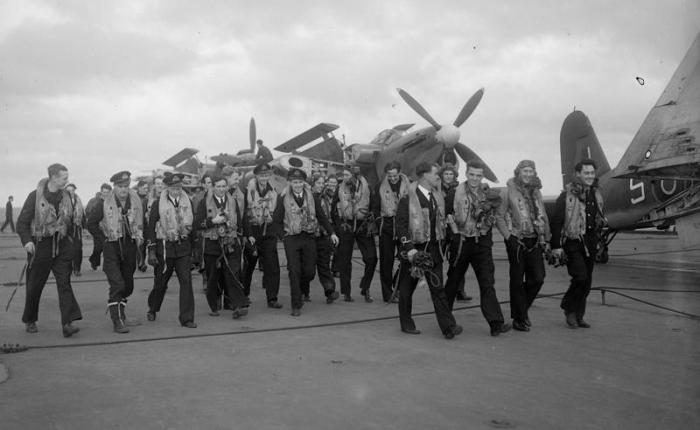

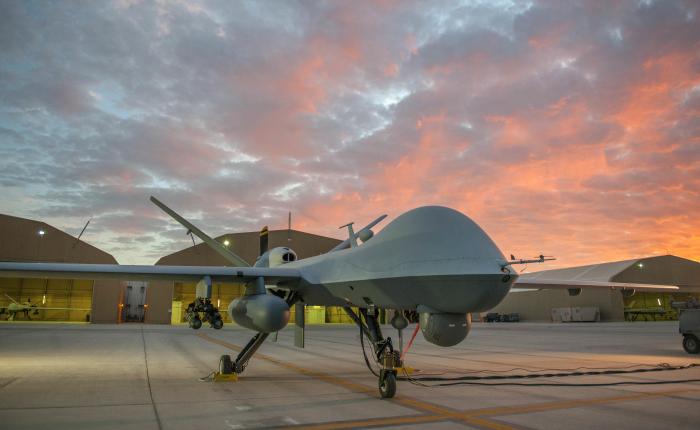

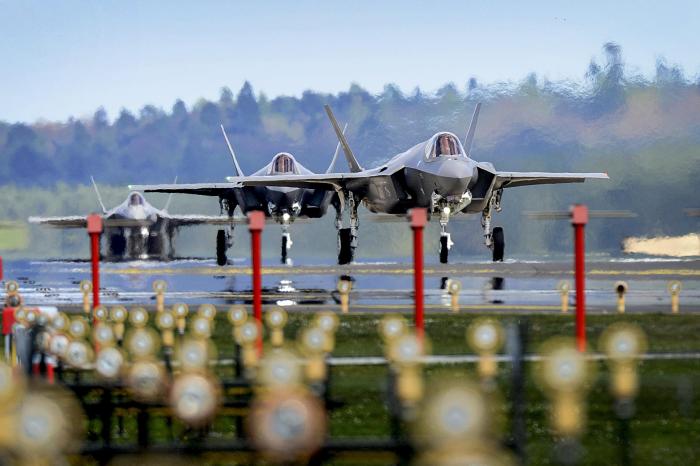
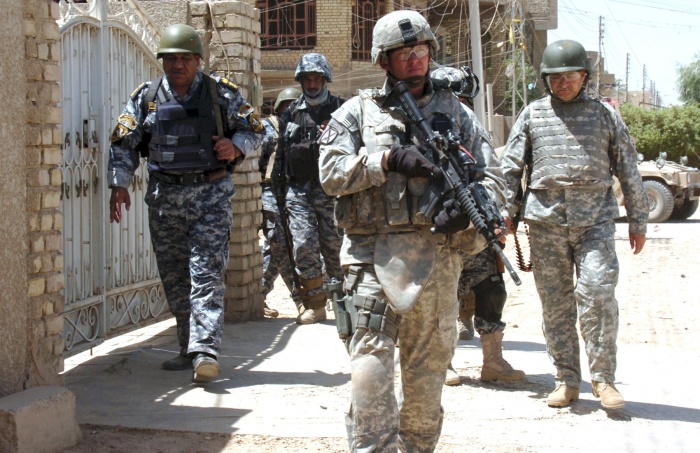

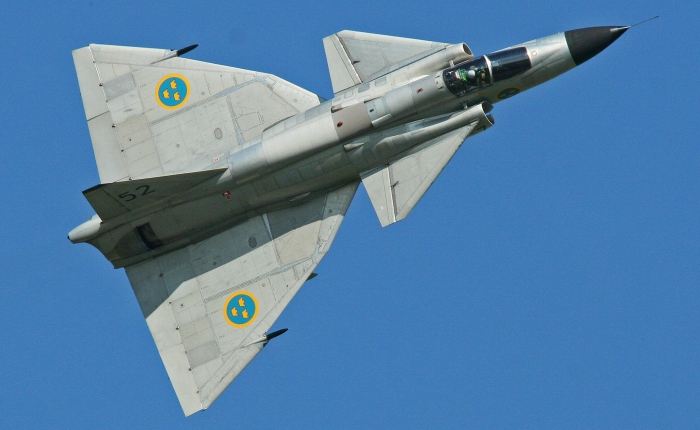
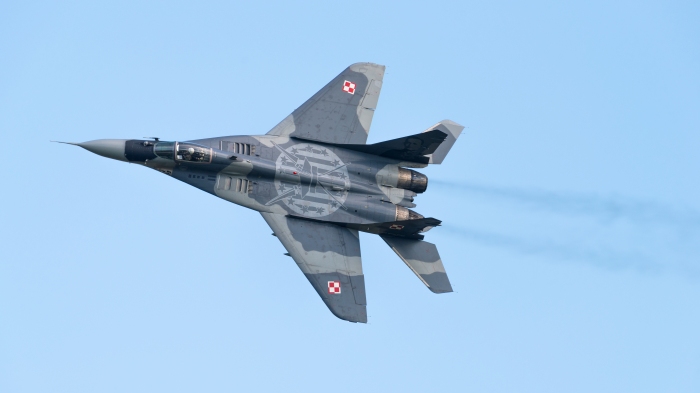
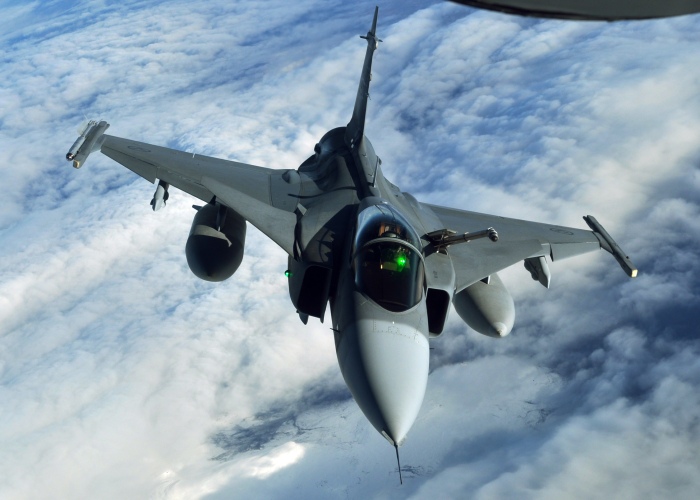


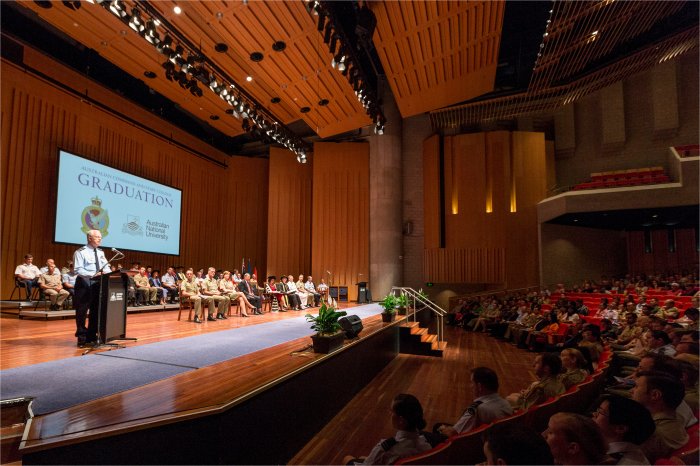
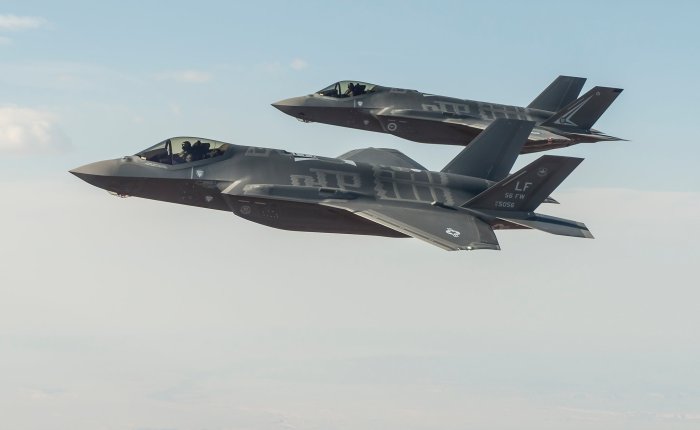


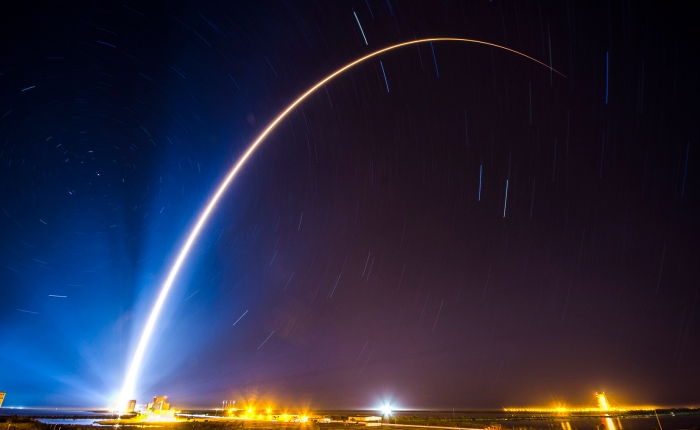

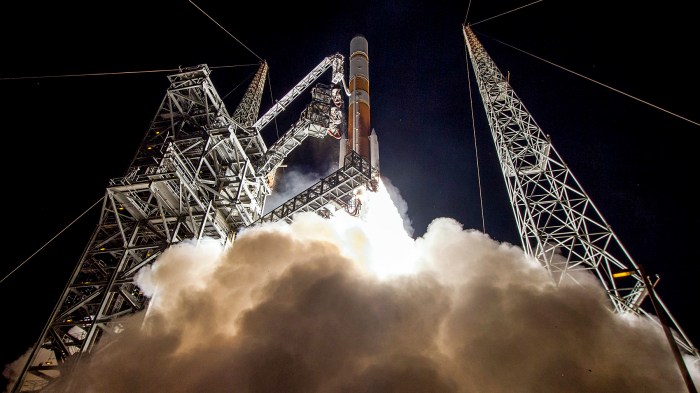
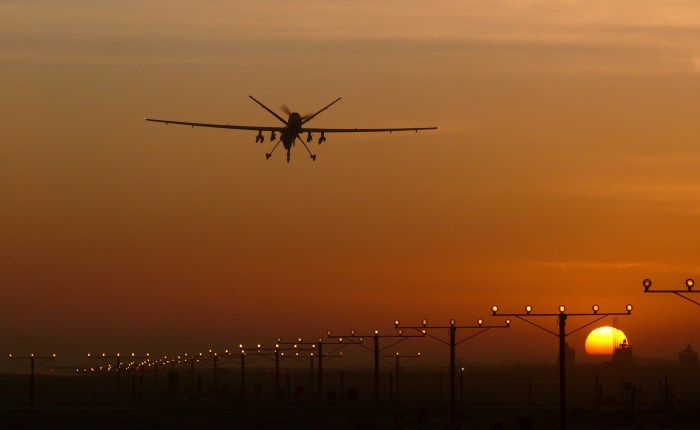
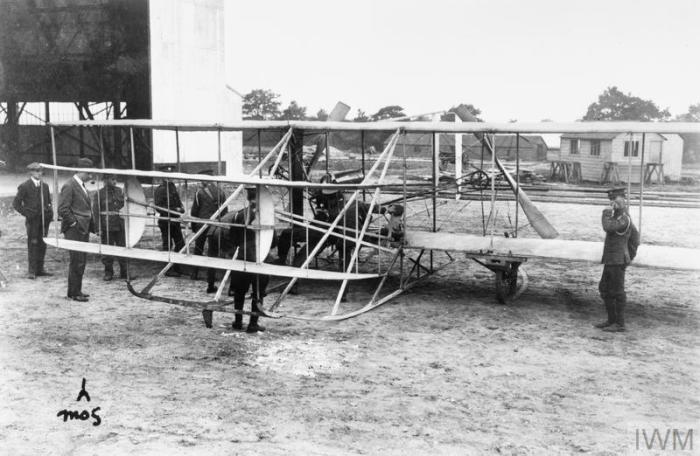

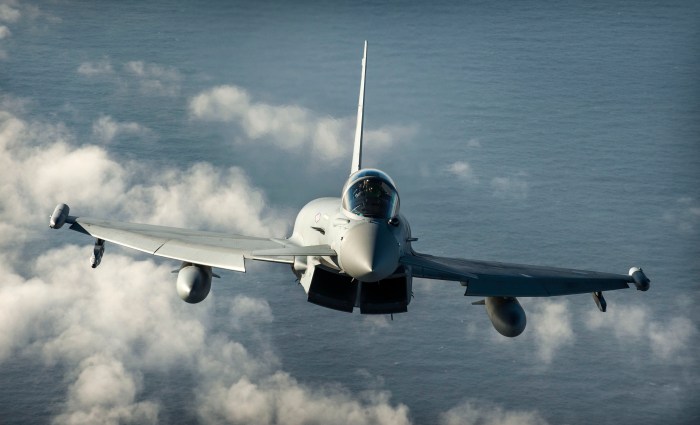
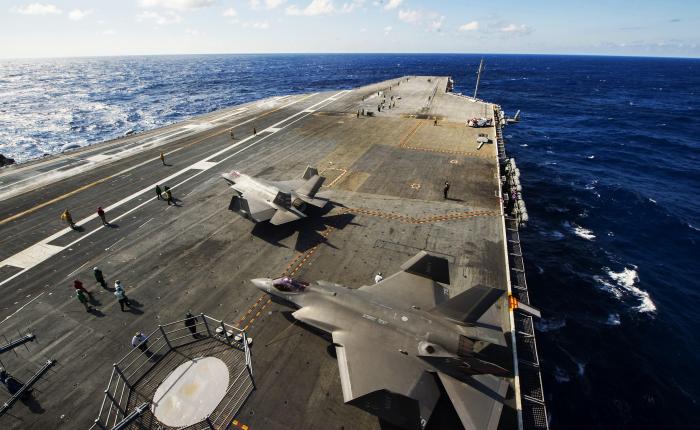

 From Balloons to Drones
