Editorial Note: Led by our Editor Dr Mike Hankins, From Balloons to Drones produces a monthly podcast that provides an outlet for the presentation and evaluation of air power scholarship, the exploration of historical topics and ideas, and provides a way to reach out to both new scholars and the general public. You can find our Soundcloud channel here. You can also find our podcast on Apple Podcasts and Google Podcasts.
After the Second World War, women were not allowed to fly in military aviation roles in the US. That began to change in the 1970s. Pulitzer Prize-winning journalist Beverly Weintraub tells us about the story of six women US Naval aviators from her book: Wings of Gold: The Story of the First Women Naval Aviators from Lyons Press.
Beverly Weintraub is a Pulitzer Prize-winning journalist whose coverage of aviation, education and social services has appeared in the New York Daily News and the Washington Post. She served for 10 years on the Daily News Editorial Board, winning the Pulitzer with several colleagues for editorials examining the illnesses afflicting 9/11 first responders. She is currently executive editor at The 74, a K-12 education news site. An instrument-rated private pilot, Weintraub is a member of the Ninety-Nines, International Organization of Women Pilots; serves on the board of directors of the Air Race Classic, the annual all-women cross-country aeroplane race; and is a five-time ARC racer.
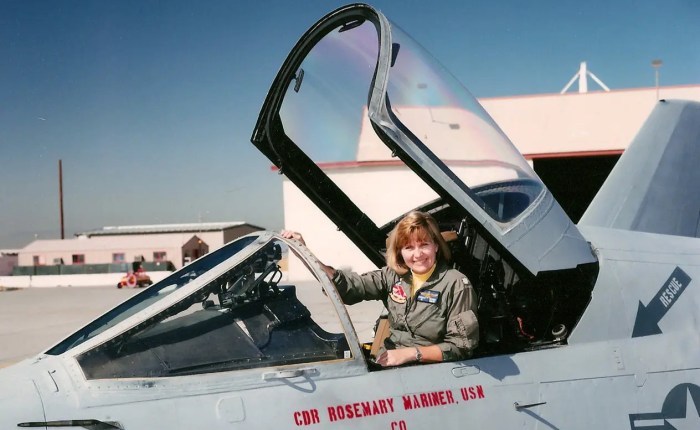
Header image: Captain Rosemary Mariner, the commander of VAQ-34 in the early 1990s. (Source: US Naval History and Heritage Command)
Marshall L. Michel III, Clashes: Air Combat Over North Vietnam, 1965-1972. Annapolis, MD: Naval Institute Press, 1997. Appendices. Endnotes. Index. 340 pp.
Reviewed by Dr James Young
As indicated by the title, Marshall Michel’s Clashes is a chronological examination of the air war over North Vietnam. At the time of its publication in 1997, Clashes was the first comprehensive treatment of the conflict to take advantage of North Vietnamese sources. Unlike most of his predecessors, Michel consciously avoided basing his main argument on the political issues surrounding Operations ROLLING THUNDER and LINEBACKER. These political issues include targeting choices by the White House, bombing halts, and rules of engagement enforced by US Navy (USN) and the United States Air Force (USAF) Pacific Air Forces (PACAF). Instead, Michel focuses on the ‘military significance [USAF’s and USN’s bombing campaigns had] in the larger context of the Cold War and possible U.S.-Soviet military confrontation,’ as ‘this was the one area of the Vietnam War that had military significance in the global balance of power.’ (p. 1) Within this framework, Michel posits that the twin campaigns were a ‘test of American air combat performance,’ (p. 1) and then proceeds to explain how the USAF and USN largely failed the exam.
Michel’s organisation is simple, with Clashes divided into two chronological sections. The first of these begins with a discussion of air combat in general, the two American services’ thoughts on fighter doctrine, and how the USN and USAF evaluated these theories in a series of rigorously controlled exercises. Michel takes great pains to point out that these exercises, conducted in the clear skies and low humidity of the western United States, led to a misplaced faith in American technological superiority as the war began. After this introduction, Clashes transitions to the initial campaign against North Vietnam. After a cursory discussion of operational goals, Michel starts with the initial USN air raids and the gradual escalation that became ROLLING THUNDER. Clashes highlights the friction that emerged from both services’ aircrew rotation policies, internal and external service rivalries, a harsh climate and, most importantly, a rapidly evolving and uncooperative enemy. By the end of Part I, Clashes makes two things clear. First, the North Vietnamese proved to be far more capable opponents than the American forces expected, with their Integrated Air Defence System (IADS) arguably the deadliest of its kind in the entire world. Second, it became clear that the USAF/USN’s already inadequate conventional capabilities had worsened throughout ROLLING THUNDER.
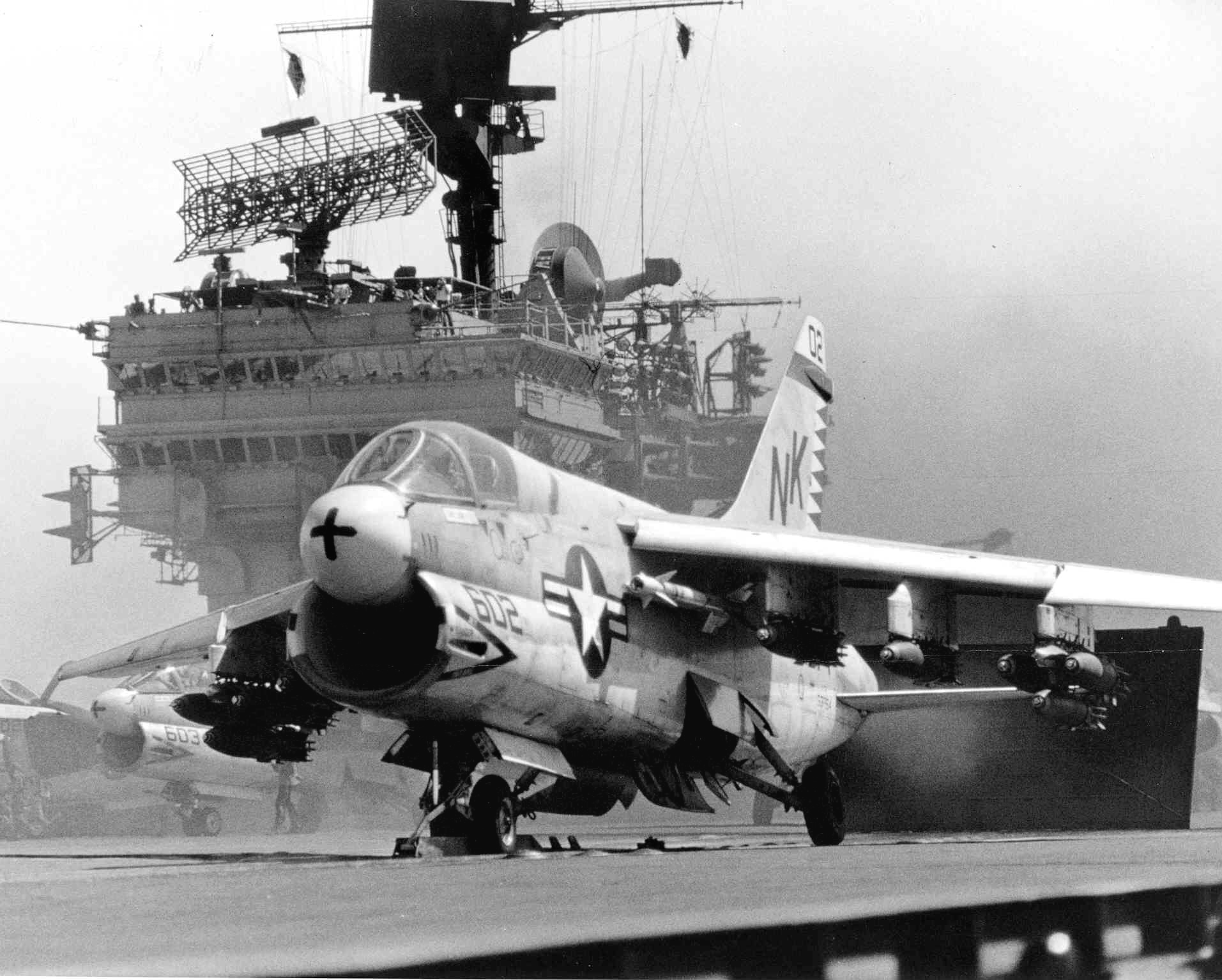
A US Navy Vought A-7A Corsair II from VA-27 prepares to be catapulted off the flight deck of the aircraft carrier USS Constellation (CVA-64) in the Gulf of Tonkin on 27 August 1968. It is armed with Mark 82 227 kg Snakeye bombs and AIM-9B Sidewinder missiles. VA-27 was assigned to Attack Carrier Air Wing 14 aboard the Constellation for a deployment to Vietnam from 29 May 1968 to 31 January 1969. (Source: Wikimedia)
Having presented the reader with this sobering assessment, Michel begins Part 2 by stating, ‘[t]he judgments about air-to-air combat during Rolling Thunder were a Rorschach test for the U.S. Air Force and Navy.’ (p. 181) The USAF’s leadership had a ‘clear lack of interest in improving its air training’ (p. 185) for several disparate reasons. In contrast, the USN’s admirals ensured that its crews were ‘prepared for the new round of air combat anywhere in the world’ (p. 188) by both enforcing new doctrine and modifying existing equipment. Michel manages to deftly interweave both services’ advances using simple yet accurate language concerning ordnance, electronics, and airframes. Finally, unlike other works before it, Clashes concludes Part II’s introductory chapter with a discussion of the North Vietnamese Air Force’s (NVAF’s) contemporaneous improvement in doctrine, equipment, and training. In this manner, Michel sets the table for the remainder of Part II by ensuring the reader understands why Operations LINEBACKER I and II are not simple continuations of ROLLING THUNDER. As with Part I, Michel’s writing ability stands out as he discusses how the USAF and USN engaged the NV-IADS. Only a prohibitive amount of resources prevented steep losses among strike aircraft for the USAF (p. 242-6). In contrast, the USN’s emphasis on the Top Gun program, missile improvements, and strike doctrine resulted in ‘MiGs concentat[ing] almost exclusively on Air Force sorties’ (p. 277) due to heavy losses. By drawing this stark contrast, Michel both explicitly condemns USAF leadership for their choices from 1968-1972. He implicitly proves his thesis by establishing a connection between difficulties in Southeast Asia being indicative of the USAF’s conventional capabilities in a broader Cold War sense.
Although subsequent books, such as Craig C. Hanna’s Striving for Air Superiority (2002) and Wayne Thompson’s To Hanoi and Back (2000) have taken advantage of more recently declassified documents, Clashes remains a work of tremendous value for anyone interested in post-Second World War air combat. Michel’s reliance on official USAF and USN primary documents, such as Project CHECO, the USAF’s Red Baron report, and the USN’s Ault Report, erases much of the ideological clutter affecting previous works that dealt with the war. When coupled with his skilful prose, the overall result is a balanced, informative account that is quite accessible. Clashes’ continued relevance would make it equally at home in a public library, a professional military course, or an undergraduate Vietnam course. Even beyond these uses, it remains an excellent cautionary tale of what can occur when an air service fails to rigorously test, train, and exercise its doctrine before entering a conflict. It is highly recommended for anyone interested in Cold War military history for all these reasons.
Dr James Young is an air power historian, aviation enthusiast and military analyst. His writing credits include the USNI’s 2016 Cyberwarfare Essay Contest, articles in Armor, The Journal of Military History, Marine Corps University Press Expeditions, and USNI Proceedings. In addition to his historical work and the critically acclaimed Usurper’s War-series, he has collaborated with bestselling authors Sarah Hoyt, S.M. Stirling, and David Weber.
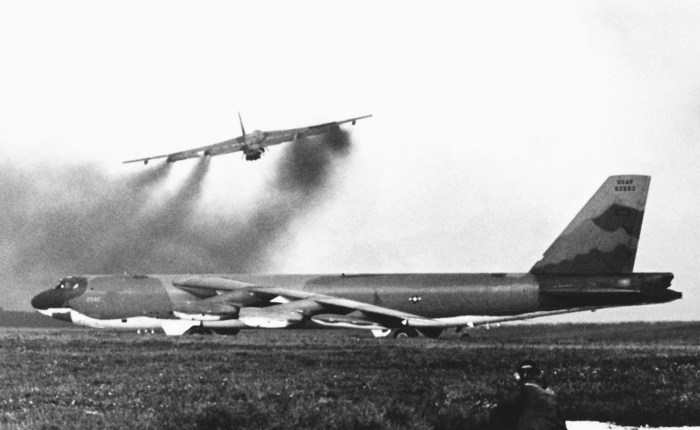
Header Image: A US Air Force Boeing B-52G Stratofortress from the 72nd Strategic Wing (Provisional) waits beside the runway at Andersen Air Force Base, Guam, as another B-52 takes off for a bombing mission over North Vietnam during Operation LINEBACKER II on 15 December 1972. (Source: Wikimedia)
Editorial Note: Led by our Editor Dr Mike Hankins, From Balloons to Drones produces a monthly podcast that provides an outlet for the presentation and evaluation of air power scholarship, the exploration of historical topics and ideas, and provides a way to reach out to both new scholars and the general public. You can find our Soundcloud channel here. You can also find our podcast on Apple Podcasts and Google Podcasts.
The Apollo program, including the moon landing, is one of the most famous events in world history, and one of the most inspirational. Dr Teasel Muir-Harmony, the Curator of the Apollo collection at the Smithsonian National Air and Space Museum, joins us to re-evaluate Apollo and look at its political dimensions across the world.
Dr Teasel Muir-Harmony is a historian of science and technology and Curator of the Apollo Spacecraft Collection at the Smithsonian National Air and Space Museum. Before coming to the Smithsonian Institution, she earned a PhD from the Massachusetts Institute of Technology (MIT) and held positions at the Center for History of Physics at the American Institute of Physics and the Adler Planetarium and Astronomy Museum. Her most recent book is Operation Moonglow: A Political History of Project Apollo (2020).
Header image: The Apollo 15 Service Module as viewed from the Apollo Lunar Module, 2 August 1971. (Source: Wikimedia)
Editorial note: During 2022, From Balloons to Droneswill be running a series of articles, including book reviews and podcasts, that focus on the development and use of air power in the naval and maritime spheres of operations. In this book review, Dr Michael Hankins reviews Brad Elward’s recent history of the US Navy Fighter Weapons School, which was created during the Vietnam War to help improve fighter capabilities within the Navy.
The call for submissions for our Naval and Maritime Air Power Revisited series can be found here.
Brad Elward, TOPGUN – The Legacy: The Complete History of TOPGUN and Its Impact on Tactical Aviation. Atglen, PA: Schiffer Military, 2021. Notes. Appendices. Bibliography. Index. Hbk. 688 pp.
Reviewed by Dr Michael W. Hankins
The United States Navy Fighter Weapons School, also known as TOPGUN, is one of the most popular aspects of the history of US military aviation. The 1986 eponymous film about the program launched the school into the public consciousness, and the topic has remained popular enough to prompt a much-anticipated sequel set to release in 2022. It is somewhat surprising then that there has yet to be a solid monograph about the history of TOPGUN. Some useful books exist, such as Robert Wilcox’s Scream of Eagles (2005), based on a series of oral histories, or the memoir of co-founder Dan Pedersen, Topgun: An American Story (2019). However, these are primarily the accounts of participants rather than a deeper analysis of TOPGUN’s development. Aviation author Brad Elward attempts to fill this gap with Topgun: The Legacy, a massive tome covering the school in extreme detail. This book is undoubtedly the definitive guide to the TOPGUN programme, and it is difficult to imagine a more authoritative work on the subject. However, while a few missed opportunities result in the book being a bit less than the sum of its parts, those parts present are very strong and offer significant value to the reader.
The first thing readers will notice about this book is how massive it is. It’s huge, heavy, and hard to hold. It’s packed with small print spread over 688 pages—over 130 of which are reserved for footnotes. Although perhaps difficult for a casual read, the book’s size reveals just how rich it is in detail and research. Elward conducted over 450 interviews and had more access to the archived records of TOPGUN than any other researcher. This allows Elward to present unprecedented intricacy levels about what happened at TOPGUN over its history. Minute details are revealed, including the changes to the curriculum over the years, precisely who participated and in what capacities, the partnerships with other services, the school’s relationship to the rest of the US Navy, and far more. All this detail is bolstered by frank personal accounts of pilots, instructors, and other participants and eyewitnesses, which adds a fascinating layer to the narrative that is a great read.
Just two months after the Ault Report was published, TOPGUN was up and running in an old trailer at NAS Miramar. The first class graduated later that year, c. 1969. (Source: US Naval Institute)
One element that jumped out was how often the curriculum changed and how quickly the instructors adapted to a changing environment. The courses were constantly revised and kept up to date, even in the face of significant challenges to the concept of TOPGUN. For example, introducing the F/A-18 Hornet prompted the instructors to incorporate more ground attack elements into their classes, overturning their previous exclusive focus on air-to-air combat. Tension remained, however, between the TOPGUN participants and the attack community, particularly those involved in the STRIKE U (Naval Strike Warfare Center) program. At times, the rivalry and posturing between these groups approached levels of drama associated with reality television. The level of cooperation between TOPGUN and other services was significant as well. Close coordination with the US Marines and the US Air Force helped create a more joint approach to training and the sharing of information. This had a noticeable effect on the combat operations of the 1990s and beyond, as aircrews could work together in a more joint-minded way than in previous conflicts.
Elward also brings a much welcome look into this more recent history of the school. Previous work on TOPGUN tends to focus on its early years and its influence on air combat in the Vietnam War. Elward brings an intricate amount of detail to the later years of TOPGUN in chapters arranged by decade. In this analysis, the 1990s emerge as the period of the most major transition in curriculum, approach, and aircraft. The school adopted new aircraft and teaching foci during that period and moved from Naval Air Station Miramar in California to Naval Air Station Fallon, Nevada. The programme also took major organizational steps to change its relationship with the rest of the fleet, becoming more integrated and able to spread expertise throughout the force much more effectively. It was during this period, in 1996, when TOPGUN and STRIKE U merged along with the Carrier Airborne Early Warning Weapons School to form what is now known as Naval Aviation Warfighting Development Center. Other significant changes to teaching in the 2000s as the global war on terror entailed a much heavier emphasis on ground attack as near-peer threats emerged in the air. Elward’s analysis is so detailed that it includes lengthy discussions of how the school switched to using email or other more mundane aspects of running the program brought about by changes in personal computing.
The book does have a few weaknesses, however. These mostly stem from the author’s enthusiasm for TOPGUN, which at times moves into advocacy for the program. This is evident in Elward’s main thesis, which is that in the major conflicts of the 20th Century, the US military forgot and had to re-learn the fundamentals of air combat, and only the formation of the US Navy’s TOPGUN program ended this cycle. This argument is similar to previous works (such as Wilcox and Pedersen). This thesis is unconvincing. Elward rightly points out that air combat knowledge was passed from pilots with experience in one conflict to those of the next, and the US Air Force’s Fighter Weapons School was active and successful throughout the early Cold War. The alleged habitual forgetting is not evident except in the case of the early 1960s, in which air-to-air combat training was severely reduced (or even eliminated) in the US Air Force and US Navy. The first several chapters are a useful synthesis of other works on the topic of air-to-air combat, but the book might be stronger without them.
In the attempt to portray TOPGUN as the solution to major problems, there are a few noticeable omissions of issues that might reflect less positively on the program. For example, the discussion of the Tailhook sexual assault incidents is dismissive and defensive, and Elward omits the tragic death of pilot Art Scholl while filming the Top Gun movie. Racial disparity is not mentioned, and the book does not address that TOPGUN has been overwhelmingly white and gives no recognition to the few African Americans who participated in and contributed to the program.
These flaws, however, do not change the fact that this book is incredibly well-researched, deeply detailed, and remains an engaging read even given its length. There will always be more room to ask new historical questions about TOPGUN, but this book has cemented its place as a definitive source on the topic. Elward’s work is sure to please enthusiasts and many general readers. Aviation scholars will find this a very useful source as well.
Dr Michael Hankins is the Curator for US Air Force, Navy, and Marine Corps post-World War II Aviation at the Smithsonian National Air and Space Museum and the author of Flying Camelot: The F-15, the F-16, and the Weaponisation of Fighter Pilot Nostalgia (2021). He is also the Podcast Editor at From Balloons to Drones. He is a former Professor of Strategy at the USAF Air Command and Staff College eSchool, and former Instructor of Military History at the US Air Force Academy. He earned his PhD in history from Kansas State University in 2018 and his master’s in history from the University of North Texas in 2013. He has a web page here and can be found on Twitter at @hankinstien.
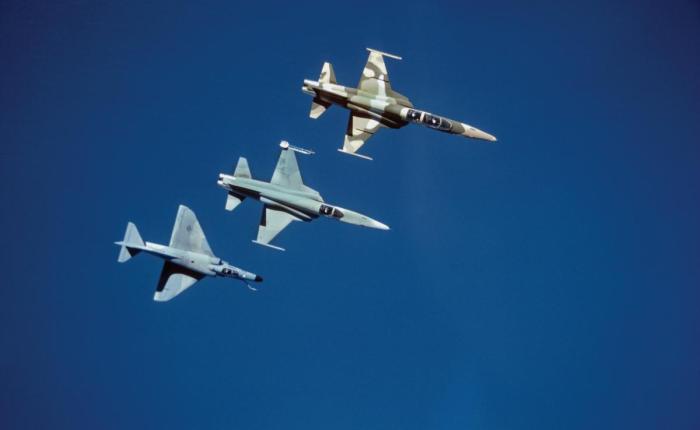
Header image: The adversary instructor program was one of TOPGUN’s early contributions. When the US Navy established fleet adversary squadrons in the 1970s, it was important that adversary pilots provide standardized threat presentations in aircraft such as F-5s (top and middle) and A-4s (bottom). (Source: US Naval Institute)
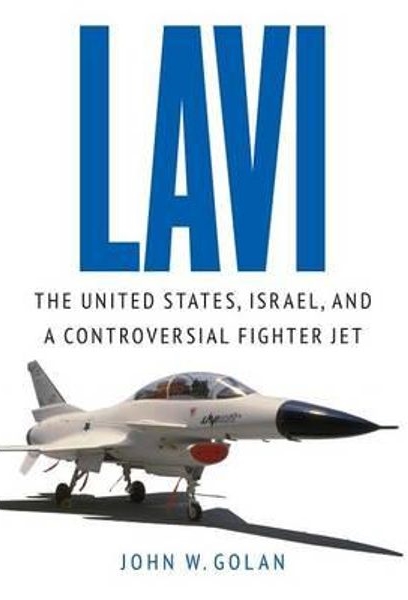
John W. Golan, Lavi: The United States, Israel and the Controversial Fighter Jet. Lincoln NE: Potomac Books, 2016. Index. Maps. Figures. Tables. Images. Appendices. HBK. 416 pp.
Reviewed by Richard Shimooka
John Golan’s Lavi is a unique and welcome contribution to the field as the history of defence procurement, in general, remains a somewhat esoteric research area. Golan’s work focuses on the Israeli designed Lavi, a purpose-built close air support aircraft designed to replace the venerable Douglas A-4 Skyhawk in the Israeli Armed Forces (IAF) service. It had a short, bright life before the project reached an ignominious conclusion with a high stakes Israeli government cabinet meeting. Golan’s book chronicles the project’s history, drawing from a wide variety of primary sources, including documentation, interviews, and secondary sources. He effectively conveys Israel’s unique security environment and the need for a strong indigenous industrial base, which helped guide the programme’s development.
Golan’s unique background as an aviation engineer infuses his work with a different perspective than other accounts. He sews together many of the programme’s technical aspects with the project’s political, diplomatic, programme management, and doctrinal dimensions. That synthesis is rare in many accounts, which examine one or two areas and only make perfunctory acknowledgements of other areas. Lavi avoids that trap and is one of the most comprehensive treatments of a recent procurement project. The book starts by exploring the strategic and doctrinal history of the IAF that led to the project and the development of the country’s aviation industry that enabled its creation. A crucial part of these sections is how Golan highlights the experiences of various personnel, such as Benjamin Peled (p. 24) and Ezer Weizman (p. 37), who both played important roles during the Lavi’s gestation. The book then moves onto the programme’s project management, political, and technical dimensions, tracing its development until its demise. The book’s last third covers some of the post-cancellation fallout and effects.
One part of the book bears special mention: the appendixes. While most authors use them to elucidate topics not adequately addressed in the text, Golan adds nearly 100 pages covering various aspects of fighter design, performance, construction, and industrial considerations. No such comparable study exists that collects all these considerations in one place. It is the icing on top of the author’s already excellent book.
However, the account has a few shortcomings. The most apparent is how Golan addresses the factors and decision-making that led to the programme’s collapse. The book catalogues the wide array of factors that led to its cancellation, such as the desperate state of Israeli public finances in the late 1980s. However, the book largely relegates them as contributing factors throughout its narrative. Golan reserves much of the blame surrounding the programme’s collapse to US Secretary of Defense, Caspar Weinberger. In particular, the secretary’s anti-Israeli perspective and dogged bureaucratic approach are noted as being particularly effective at convincing already reticent Israeli authorities to cancel the programme. Golan prioritises Weinberger’s agency over all other actors and seems to give his role the preponderance of blame for the outcome.
While Weinberger undoubtedly played an obstructionist role, the Israeli government was not the only one to encounter his department’s intransigence towards multinational fighter projects. For example, the development of the Japanese Mitsubishi F-2 programme experienced similar levels of strife. Thus, any multinational programme would encounter political hurdles within the United States.
Nevertheless, Golan’s focus on the political and diplomatic aspects of the programme’s cancellation slightly underplays some of the other dynamics that affected the outcome. One is the economic and industrial trends that affected all western fighter development programmes during the latter half of the Cold War. The number of Western fighter manufacturers started to decline between the 1960s to 1980s, largely due to the rising cost of developing and producing fighters, which far outpaced normal inflation.
In isolation, Israel might have been able to absorb these cost increases. However, the fiscal realities of the state were dire, as Golan described:
At the time that Israel’s National Unity Government took office, the nation was undergoing an economic earthquake. Decades of extended defense budgets had taken their toll. Defense expenditures had always been a leading element in Israel’s national budget. In the aftermath of the 1973 war, however, Israeli defense expenditures had skyrocketed – consuming an average of 24 percent of Israel’s gross domestic product during the decade that followed. In comparison, the United States – even at the height of the war in Vietnam – devoted less than 10 percent of its GDP toward defense. The burden on Israel’s economy was unbearable, driving budget deficits and inflation to unprecedented levels. (p. 101)
Golan’s characterises the factors pertaining to the Lavi’s demise as chess pieces employed by Weinberger and his staff to cancel the fighter. However, given these desperate economic realities, it is difficult to see how the programme would continue even after the fateful cancellation of the fighter on August 31, 1987. Already there was significant support for either cancelling or curtailing Lavi purchases within the Israeli cabinet. If purchases were reduced, this would create a phenomenon known as a death spiral, where decreasing lot purchases result in higher unit costs, often leading to further reductions.
Another significant dynamic unexplored in the book is the major, ongoing doctrinal shift in the close-air support mission. Golan’s work is effusive in its praise for the Israeli fighter, often pointing out its ability to undertake this mission. However, the book fails to cover the changing threat landscape, which would pose significant challenges for the aircraft’s viability in its assigned mission.
It should be noted that these are relatively minor issues in an otherwise excellent book. Very few accounts have synthesised such a disparate but relevant array of facts to create an authoritative account of the programme. Golan’s weighting of these factors may invite some critique and debate, but that should by no means discourage anyone from reading this outstanding work.
Richard Shimooka is a Senior Fellow at the Macdonald-Laurier Institute in Ottawa, Canada. He was a Senior Fellow at the Defence Management Studies Programme at Queen’s University from 2007–2012, and a Research Fellow at the Conference of Defence Associations Institute from 2012-2017. Richard works’ cover a diverse array of topics, including Canadian and American foreign and defence policy, modern air power and defence procurement.
T.D. Barnes, CIA Station D: Area 51 – The Complete Illustrated History of the CIA’s Station D at Area 51. Danbury, CT: Begell House, 2021. Photographs. Appendices. Bibliography. Index. 590 pp. HBK.
Reviewed by Dr Michael W. Hankins
Area 51 has long been a source of fascination, intrigue, and conspiracy theories. It has also inspired popular culture from television and film to 2019’s widely publicised (but barely attended) Facebook-based attempt to ‘storm the site. However, those familiar with the military aviation world have long known that Area 51 is little more than a US Air Force (USAF) (formerly Central Intelligence Agency, CIA) facility where experimental aircraft are tested. This includes everything from the U-2 spy plane to the F-117 stealth fighter. T.D. Barnes, who worked with the CIA during its formative years at Area 51, attempts to set the record straight with this new book covering the CIA’s activities in the Nevada desert during the early and mid-Cold War. The result is a profoundly informative work that reveals new stories and will please enthusiasts. Still, the size of the book and its challenging organisation might be overwhelming for casual readers.
From the early origins of Station D, which only much later became known as Area 51, Barnes traces the major CIA aviation programs based there. These include the U-2, the A-12 (and associated Blackbird ‘family’ aircraft of the YF-12, SR-71, and M-21), and the MiG exploitation programs that evaluated and flew captured Soviet aircraft. Some side projects associated with these significant programs are explored as well, most notably Project PALLADIUM, which provided valuable intelligence on Soviet radar capabilities. The details of these programs will already be known to many readers. For example, the Blackbird family programs are well documented by works such as Paul Crickmore’s Lockheed Blackbird: Beyond the Secret Missions (revised edition, 2016) or Richard Graham’s The Complete Book of the SR-71 Blackbird (2015). However, Barnes’ work reveals fascinating new details about even these well-covered topics. Barnes presents both familiar and new stories from the perspective of the CIA rather than from the USAF or industry contractors. The Palladium program is particularly interesting, involving complicated, world-ranging plots to send fake signals in the direction of the Soviet Union to see what their radars could detect. Barnes does a good job of tracing the story from field teams collecting information to how information was analysed and used in technological and strategic decision-making at the highest levels.
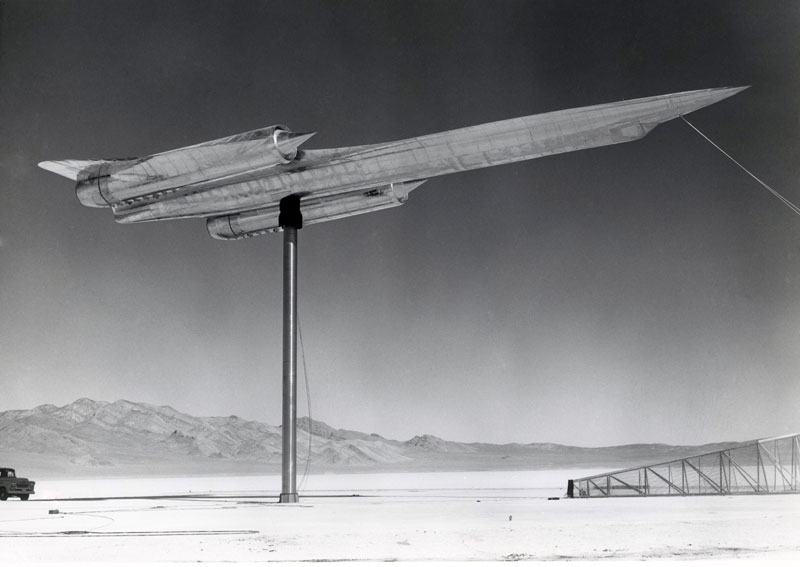
A scale model of an A-12 prepared for radar cross section measurements at ‘Area 51,’ c. 1959. (Source: Wikimedia)
This fresh perspective is also wide-ranging. At times, Barnes zooms out to discuss broad historical topics and focuses on minute details of a particular program. As a result, readers will find a wealth of immense detail, as well as many photographs, some of which have not been published before (although some of the photos are of low resolution and appear pixelated on the page). Although technology is often at the centre of these stories, Barnes also sheds interesting light on the institutional histories; seeing the organisational evolution and institutional rivalries from the CIA’s perspective is an interesting and welcome lens on this material. For example, Barnes traces the various tensions between the CIA and the USAF, from high command to individual personnel.
The individual level is where the book really shines. Barnes gives a true, ‘on the ground’ account of many of these programs, not only showing how the CIA’s efforts affected the Cold War, but depicting what it felt like to live there, to work there, and the realities of day-to-day life inside a top-secret facility working on advanced, world-changing programs. The Blackbirds may have been top-of-the-line, sleek, space-age aircraft. Still, Barnes contrasts that with stories about the trouble getting clearances and badges, the type of housing available on the station, the type of bars that employees frequented, and the games with which personnel and pilots amused themselves. Whether he is telling a detailed technological history or something personal, the focus is on the details of these stories – there is no large historical analysis, nor a broad historical argument made in this book.
A MiG-21F-13 flown by United States Navy and Air Force Systems Command during HAVE DOUGHNUT in 1968. (Source: Wikimedia).
As interesting as the material is, some readers have a few barriers to entry. The first is the whopping price tag of US$149. Although this cost might be too high for some readers, it is worth noting the amount of material one gets for the price. The book is heavy and massive, almost unwieldy. It contains nearly 600 oversized, double-columned pages, each of which is almost twice the dimensions of a typical print book. In terms of word count, this is probably about three typical books’ worth of material, which might help to justify the cost for some readers.Historians looking for a thesis will not find one, as the work does not seek to make a historical argument. Instead, it is focused on detailed accounts of individual stories. Furthermore, although the book is packed with detail, the immense amount of material might be difficult for some readers to navigate. In addition, it is written in a meandering style, which is sometimes charming, but at other times leads to repetition. In some cases, stories are told and retold, sometimes more than once. Usually, the retellings of stories contain slightly different emphases, but periodically sentences are repeated verbatim, and in some cases, photographs are reused. There are no footnotes and only a brief bibliography. Except for a few instances where a document is referenced directly in the text, readers may have trouble finding sources for information or quotes.
In conclusion, enthusiasts of the U-2, A-12/SR-71, and captured MiG programs will likely find much to like about this book, including newly discovered details and fresh images from a new perspective. Although it is a bit less accessible to casual readers, researchers will find plenty to pore over here.
Dr Michael Hankins is the Curator for US Air Force, Navy, and Marine Corps post-World War II Aviation at the Smithsonian National Air and Space Museum and the author of Flying Camelot: The F-15, the F-16, and the Weaponisation of Fighter Pilot Nostalgia (2021). He is also the Podcast Editor at From Balloons to Drones. He is a former Professor of Strategy at the USAF Air Command and Staff College eSchool, and former Instructor of Military History at the US Air Force Academy. He earned his PhD in history from Kansas State University in 2018 and his master’s in history from the University of North Texas in 2013. He has a web page here and can be found on Twitter at @hankinstien.
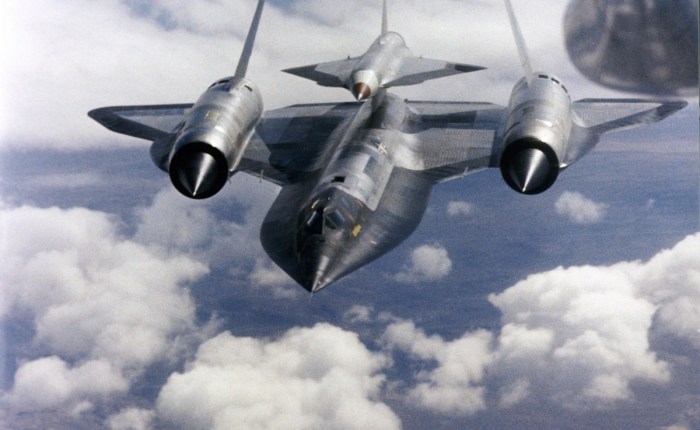
Header image: A Lockheed M-21 carrying Lockheed D-21 drone in flight. (Source: Wikimedia)
Editorial note: In this series, From Balloons to Drones highlights research resources available to researchers. Contributions range from discussions of research at various archival repositories to highlighting new publications. As part of this series, we are bringing you a monthly precis of recent articles and books published in air power history. This precis will not be exhaustive but will highlight new works published in the preceding month. Publication dates may vary around the globe and are based on those provided on the publisher’s websites. If you would like to contribute to the series, please contact our Editor-in-Chief, Dr Ross Mahoney, at airpowerstudies@gmail.com or via our contact page here.
Articles
M. Abbott and J. Bamforth, ‘Determining the reasons for the failure of British aircraft manufacturers to invest in Australia’s industry, 1934–1941,’ Australian Economic History Review (2021). https://doi.org/10.1111/aehr.12235
The aim of the article is to identify the factors that prevented British aircraft manufacturers from investing in Australia in the second half of the 1930s, a period when rearmament was creating demand for aircraft. The article looks at several unsuccessful proposals by British manufacturers to establish factories in Australia to build aircraft in the late 1930s, with additional attention being given to one proposal in particular. There is evidence that the Australian Government favoured the creation of an Australian-owned industry building aircraft under licence to foreign manufacturers, and it was this factor that largely deterred British investors.
Marc J. Alsina, ‘Aviation for the People: Class and State Aviation in Perón’s “New Argentina,” 1946–55,’ Technology and Culture 63, no. 1 (2022).
This article investigates the culture and politics of aviation in mid-twentieth-century Argentina under Juan D. Perón’s populist government. For enthusiasts around the world, aviation seemed poised for the long-prophesized “Air Age” transformations. Most emphasized the middle-class or elite nature of this quintessentially modern industry and its customers. Recent aviation scholarship in Europe and the United States has thus focused on affluent passengers or aircraft owners as the consumers of aviation technology. But this article reveals that Peronist Argentina implemented a massive political aviation program aimed at elevating socioeconomic conditions for the working classes. State media show that the authorities harnessed aviation as a technopolitical tool to both represent and enact their vision for a “New Argentina” by providing “dignified” work for the lower classes.
Xiaoming Zhang, ‘High-Altitude Duel: The CIA’s U-2 Spy Plane Overflights and China’s Air Defense Force, 1961-1968,’ Journal of Military History 86, no. 1 (2022).
During the 1960s, the U.S. Central Intelligence Agency’s U-2 spy planes, piloted by Chinese Nationalist airmen from Taiwan, flew routinely over the Chinese mainland monitoring the Chinese nuclear weapons program; the overflights also demonstrated Beijing’s military weakness and inability to control its airspace. In spite of having only a few Soviet-made surface-to-air missile systems, the People’s Liberation Army Air Force was convinced that human factors, especially agility in strategy, operations, and tactics, could overcome a superior enemy. Although much remains secret, sources now available provide new insights into this secret Cold War history. Moreover, as the Chinese claimed themselves, these experiences remain valuable for China’s military response to war.
Books
Kevin Wright, We Were Never There – Volume 2: CIA U-2 Asia and Worldwide Operations 1957-1974 (Warwick: Helion and Company, 2022).
Devised by Kelly Johnson and operated by the CIA from 1956-74, the U-2 is the world’s most famous ‘spyplane.’ It flew at unprecedented altitudes and carried the most sophisticated sensors available, all in the greatest secrecy.
The second volume of We Were Never There concentrates on the period of operational missions mainly across Asia from 1957-74. The book utilises a large number of declassified documents to explore some of the remaining secrets of these missions.
The book starts by looking at some of the missions conducted by the CIA’s Detachment ‘C’ U-2s against key targets in the Soviet Far East up to Mayday 1960. It moves on to explore in detail the overflights of the Peoples Republic of China by Nationalist Chinese pilots in conjunction with the CIA. In particular, the study of Project TACKLE looks at efforts to gain intelligence on the PRC’s expansive nuclear programme from the early 1960s. This is supplemented with details of Taiwanese/CIA operations against North Korea and its Yongbon nuclear reactor. It presents target images and reveals detailed routes for many of these overflights that have not been publicly seen before.
Whilst the USAF took the lead in operations against Cuba, the book explores the earlier CIA missions against Cuba during the Bay of Pigs landings and the missile crisis. Another chapter explores the efforts to equip the U-2 for operations from US Navy aircraft carriers. Detachment G, based at Edwards AFB, had a worldwide contingency role, able to quickly deploy anywhere in the world. It undertook missions targets in Tibet, the PRC, Vietnam, Cambodia, Laos, British Guiana, Venezuela and elsewhere.
A section of the book examines the development of the U-2R, a major update of the original aircraft, making it larger and much more capable. Its handling characteristics and comparisons with the U-2C are explored with the help of interviews with two former USAF U-2 pilots who flew both models of the aircraft.
The final chapter looks at the return of the U-2 to Europe, in particular the UK, for training missions from the late 1960s. It covers details on operations over the middle east monitoring ceasefire arrangements between Israel and its neighbours in 1970 and 1973. It ends with the phasing out of Agency U-2 operations, the closure of projects TACKLE and JACKSON and an evaluation of the U-2’s contribution to aerial intelligence collection.
Bill Yenne, America’s Few: Marine Aces of the South Pacific (Oxford: Osprey Publishing, 2022).
America’s Few delves into the history of US Marine Corps aviation in World War II, following the feats of the Corps’ top-scoring aces in the skies over Guadalcanal. Marine Corps aviation began in 1915, functioning as a self-contained expeditionary force. During the interwar period, the support of USMC amphibious operations became a key element of Marine aviation doctrine, and the small force gradually grew. But in December 1941 came the rude awakening. Within hours of Pearl Harbor, heroic Marine aviators were battling the Japanese over Wake Island.
In the South Pacific, the aviators of the US Marine Corps came out of the shadows to establish themselves as an air force second to none. In the summer of 1942, when Allied airpower was cobbled together into a single unified entity – nicknamed ‘the Cactus Air Force’ – Marine Aviation dominated, and a Marine, Major General Roy Geiger, was its commander. Of the twelve Allied fighter squadrons that were part of the Cactus Air Force, eight were USMC squadrons. It was over Guadalcanal that Joe Foss emerged as a symbol of Marine aviation. As commander of VMF-121, he organized a group of fighter pilots that downed 72 enemy aircraft; Foss himself reached a score of 26. Pappy Boyington, meanwhile, had become a Marine aviator in 1935. Best known as the commander of VMF-214, he came into his own in late 1943 and eventually matched Foss’s aerial victory score.
Through the parallel stories of these two top-scoring fighter aces, as well as many other Marine aces, such as Ken Walsh (21 victories), Don Aldrich (20), John L. Smith (19), Wilbur Thomas (18.5), and Marion Carl (18.5), many of whom received the Medal of Honor, acclaimed aviation historian Bill Yenne examines the development of US Marine Corps aviation in the South Pacific.
David Axe, Drone War Vietnam. Barnsley: Pen and Sword, 2021. Illustrations. Bibliography. Index. Hbk. viii + 166 pp.
Reviewed by Dr Roger Connor
The rapidly expanded use of military drones for surveillance and targeted strikes has generated greater interest in 20th Century military drone development and use over the past two decades. The most prolific antecedent to the General Atomics Predator was the US Air Force’s (USAF) Vietnam-era employment of Ryan 147 ‘Lightning Bug,’ a variant of the Firebee turbine-powered target drone developed in the late 1940s. In all, 3,435 Lightning Bug combat missions were flown over the South-East Asia combat by 1,106 of what today would be regarded as ‘attritable’ drones. Launched from a DC-130 mothership and recovered in flight after popping a parachute by CH-3 helicopters, these unconventional reconnaissance remotely piloted aircraft fit the traditional rationale for drones – the D’s: Dull, Dirty (nuclear), or Dangerous operations. Over North Vietnam, Lightning Bug flights freed RF-101 and other reconnaissance crews from particularly hazardous or politically sensitive missions, such as documenting air defence sites, especially S-75 (NATO designated SA-2) surface-to-air missile complexes. Some even performed propaganda leaflet drops. While the 147s flew unarmed in operations, considerable development occurred in equipping them with precision-guided ordnance, but the war ended before they were suitable for deployment.
David Axe, a self-described journalist, filmmaker, and blogger, has produced a slick-looking, if somewhat anemic, study of the Ryan Lightning Bugs. Organized into sixteen short chapters of roughly four-to-eight pages, each separated by photographic spreads, the first three chapters address the early history of the Lightning Bugs, framing them as a response to the challenge of the Soviet S-75 (SA-2) surface-to-air missile. Chapters four to fifteen document various episodes of operations of operations over North Vietnam with an emphasis on Ryan’s response to the challenges encountered. The final chapter documents Ryan’s next generation Model 154 drone.
A US Air Force Lockheed DC-130A Hercules taking off on a mission in Southeast Asia, carrying two Ryan AQM-34 Firebee drones, c. 1969. Firebees flew reconnaissance missions using a pre-programmed guidance system or by remote control from the DC-130 crew. (Source: Wikimedia)
Drone War Vietnam attempts a survey of Lightning Bug operations while linking them with post-war strategic applications of remotely piloted aircraft and the broader narrative of drone development. The primary attraction for Axe’s narrative is that it is well-illustrated with images that do not appear in other works on the topic. Many of these photos originated with the Ryan archives, now in possession of the San Diego Air and Space Museum Archives. These include multiple perspectives of drone operators in DC-130 motherships and a Marine Corps CH-37 helicopter used in drone recovery operations that crashed in just such an attempt. As a visual record of this technological niche, Axe’s monograph is the best available in print.
Unfortunately, Axe’s narrative is disappointing. A significant factual error in the first two sentences of the introduction sets the tone (incorrectly describing the well-documented 2001 first strike made from an MQ-1). Casual errors such as Mutually Assured Destruction being described as having existed in 1950 also crop up. While these contextual errors are frustrating, fundamental errors on the topic are less forgivable. For instance, Axe notes, ‘[B]etween 1966 and the end of the Vietnam War, Army helicopters attempted 2,745 drone recoveries and completed 2,655 of them: a 96.7 per cent success rate’ (p. 90). This is a nice recitation of facts, except that almost exclusively USAF helicopters of the 350th Strategic Reconnaissance Squadron performed the duty – a critical fact that does not appear in the text. Axe’s writing style is accessible, but sometimes overly so with the use of incomplete sentences, for example, ‘[N]o opportunity to bait an S-75 battery’ (p. 80).
Axe’s understanding of the sweep of drone history is poor. He takes an American-centric focus, but even then, has ignored the broader historiography of remotely piloted aircraft development. Instead, he describes drone history as Kettering Bug begets Denny Radioplane begets Firebee. A quick look at H.R. Everett’s Unmanned Systems of World War II (2015) should have been enough to avoid such a flawed chronology. Meanwhile, the technical aspects inherent in the Lightning Bug’s achievements receive little attention, particularly concerning the challenges and limitations of operating and recovering the drones. Likewise, the incredible advances in inertial navigation that made autonomous flight in contested airspace possible pass with only a couple of sentences.
The text is not footnoted, and tellingly, neither Axe nor his editor understood the difference between primary and secondary sources as they are delineated in his bibliography, though almost nothing he includes there would be considered a primary source. Even obvious sources, like the Project CHECO report on Buffalo Hunter (the late war phase of Lightning Bug operations), easily obtainable online, are missing.
Most of Axe’s narrative is a retelling of William Wagner’s Lightning Bugs and other Reconnaissance Drones (1982). Wagner’s forty-year-old effort is the historian’s more thorough and polished option. Axe at least credits Wagner, a former Ryan Aeronautical executive, with much of his content, but this effort is a poor imitation of the original. Where Axe does improve on Wagner is in the contextual frame of drone operations, for which he adds a geopolitical frame of the various events and geographical operations. These are often over-simplistic, but they do succeed in making the book more accessible for an enthusiast audience interested in the hardware but with less understanding of the history and establishing a more well-rounded narrative. However, this contextual frame is often awkwardly executed in a way that does little to inform the application of drones, for example, a three-page chapter on the Gulf of Tonkin incident. The flip side is that Axe spends less than a third of the monograph on Lightning Bug operations in the Vietnam War. Instead, with Wagner as his primary source, he spends as much time on China overflights and ELINT (electronic intelligence) variants used to monitor North Korea as the far more substantive deployments over North Vietnam. Axe’s supposedly operational history thus primarily reflects a contractor perspective with very little of the service experience one might expect from this type of study.
These shortcomings become very apparent when examining a campaign like Linebacker II. As Wagner himself noted, Lightning Bug operations reached their peak during the operation. Axe’s telling of the story is almost exclusively in the frame of B-52 experience, which is a nice contextual detail, but adds nothing to the understanding of how or why remotely piloted aircraft were significant to the campaign.
A QH-50 DASH anti-submarine drone on board the destroyer USS Allen M. Sumner during a deployment to Vietnam. The photo was taken between April and June 1967. (Source: Wikimedia)
Axe pays some attention to remotely piloted adjuncts to the Lightning Bugs such as the Lockheed D-21 and Ryan 154 Compass Arrow, both focused on the Chinese nuclear program. The decision to include these is somewhat odd as they are outside of his Southeast Asian narrative. While the Compass Arrow has at least a corporate family tree associated with the Lightning Bugs, the D-21 has no operational or technical overlap. Meanwhile, Axe makes no mention of the other prominent drone programs employed in South-East Asia such as the QU-22 and the QH-50 drone helicopter. The QU-22 were droned Beechcraft Bonanzas used as communication relay platforms for the Igloo White ‘electronic fence’ of ground sensors on the Ho Chi Minh trail. The QH-50s were used primarily to spot naval gunfire. The QU-22 and QH-50 provide a useful frame for understanding the broader requirement for drone aircraft and the inherent limitations of the technology. It is this sort of assessment and analysis that is most notably absent. Instead, Axe is content to conclude that the legacy of the Lightning Bugs was to show that the Predator’s milestones weren’t new (p. 150). Nuanced quibbles about what was new with Predator aside (quite a lot, in fact), this rather obvious point could have also been made about drone aircraft in World War II. The 147 (along with QU-22s and QH-50s) demonstrated an emergent association between remotely piloted remotely piloted aircraft and the goal of risk reduction in limited war, which was something revolutionary, but the author did is not well versed enough in the topic to see it.
Besides Wagner, there is another useful study, which Axe neglected entirely, specifically Steve Miller’s nearly 700-page self-published The 99th Strategic Reconnaissance Squadron: The Air Force’s Story of Unmanned Reconnaissance in the Vietnam War (2017). Though Miller would have benefited greatly from an editor, it is a useful expansion on Wagner’s dated history, written by a Lightning Bug veteran and introduces a trove of primary source documentation, as well as a much-needed USAF operational perspective. He also brings in the QU-22 story. If Axe had focused more on veterans’ experiences like Miller, Drone War Vietnam might have been worth recommending. Instead, it is a pale shadow of Wagner’s better publication.
With the disappointments inherent in Axe’s monograph, one wonders what an effective revision of Wagner’s solid work might look like. However, Kevin Wright’s We Were Never There: CIA U-2 Operations Over Europe, the USSR and the Middle East, 1956-1960 (2021) gives an idea of what might be possible. Linking mission reports, operational context, supported by high-quality maps and graphics, he has developed a glossy enthusiast-style publication that meets scholarly standards of documentation while proving attractive and accessible for the aviation general-interest audience. A similar work on the Lightning Bugs would help both the scholarly study and enthusiast appreciation of remotely piloted and autonomous aircraft operations.
Dr Roger Connor curates several collections at the Smithsonian National Air and Space Museum, including remotely piloted and autonomous aircraft, vertical flight, Army ground force aviation, cockpit equipment, and aviation infrastructure. He earned his PhD from George Mason University in 2020 with his dissertation, ‘Rooftops to Rice Paddies: Helicopters, Aerial Utopianism, and the Creation of the National Security State.’
Header image: The US Air Force Ryan AQM-34L Firebee drone ‘Tom Cat’ of the 556th Reconnaissance Squadron flew 68 missions over North Vietnam before being shot down by anti-aircraft fire over Hanoi. (Source: Wikimedia)
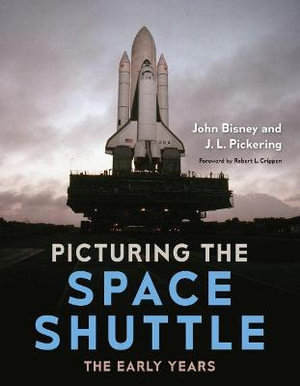
J.L. Pickering and John Bisney, Picturing the Space Shuttle: The Early Years. Gainesville, FL: University Press of Florida, 2021. Hbk. 240 pp.
Reviewed by Dr Brian Laslie
A couple of years ago, in a book review for From Balloons to Drones, I started by saying:
A different type of book necessitates a different type of book review. Herein you will not find an author’s argument or a critique thereof since the book being discussed today is a collection of photographs and an extremely fine one at that.
That book review was for J.L. Pickering and John Bisney’s Picturing Apollo 11: Rare Views and Undiscovered Moments. The same authors have followed up that superb effort with the recently released Picturing the Space Shuttle: The Early Years.
As the title suggests, the authors undertake to produce a pictorial history of – and to look at the development of – the reusable Shuttle Transportation System (STS), the Approach and Landing Tests (ALT), the astronaut class of 1978 (the ‘Thirty-Five New Guys,’ or TFNGs) and the first four STS missions that made up the test program for the new shuttle. Pickering and Bisney have again accomplished just that and produced a unique look at the early days of the space shuttle program, using rare, never-before-published photographs from the late 1970s and early 1980s. The book opens with a forward from STS-1 pilot Robert L. Crippen, who stated that he hoped the book ‘will increase your appreciation for what a remarkable accomplishment the Space Shuttle was.’ Crippen need not worry; the book does precisely that.
Although ostensibly a book of photographs, there is also enough background here to keep the layman and the historian happy with the development of the program. However, it is the photos that stand out. From Maxime Faget’s original model of a reusable space shuttle to the numerous designs, concepts, and artists’ renderings as they developed into the recognizable shuttle design that went into production, there are enough photographs in the first chapter alone to make the book worth the purchase.
This is a montage of the individual portraits of the 35-member 1978 class of astronaut candidates. The Astronaut Class of 1978, otherwise known as the ‘Thirty-Five New Guys,’ was NASA’s first new group of astronauts since 1969. This class was notable for many reasons, including having the first African-American and first Asian-American astronauts and the first women. From left to right are Guion S. Bluford, Daniel C. Brandenstein, James F. Buchli, Michael L. Coats, Richard O. Covey, John O. Creighton, John M. Fabian, Anna L. Fisher, Dale A. Gardner, Robert L. Gibson, Frederick D. Gregory, S. David Griggs, Terry J. Hart, Frederick H. (Rick) Hauck, Steven A. Hawley, Jeffrey A. Hoffman, Shannon W. Lucid, Jon A. McBride, Ronald E. McNair, Richard M. (Mike) Mullane, Steven R. Nagel, George D. Nelson, Ellison S. Onizuka, Judith A. Resnik, Sally K. Ride, Francis R. (Dick) Scobee, Rhea Seddon, Brewster H. Shaw Jr., Loren J. Shriver, Robert L. Stewart, Kathryn D. Sullivan, Norman E. Thagard, James D. Van Hoften, David M. Walker and Donald E. Williams. (Source: NASA)
Some of the great gems are the photos that show the transition from the Apollo era to the shuttle era. Nowhere is this more clearly displayed than the chapter detailing the Shuttle Enterprise’s Approach and Landing Tests. Here, Apollo mission veteran Fred Haise (Apollo 13) is joined by Gordon Fullerton, Joe Engle, and Richard Truly to test the flying characteristics of the new shuttle. Dave Scott and Deke Slayton in very late-1970s garb also make appearances in these pages (pp. 38-9). This transition is completed in the next chapter with the introduction of NASA’s next astronaut class, the ‘TFNGs,’ which introduced America and the world to the names of Guion Bluford, Anna Fisher, Robert Gibson, Steven Hawley, Sally Ride, and many others. The book includes a complete montage of the 35 Group 8 astronauts, the TFNGs (p. 71). Many of them are also pictured testing out Apollo-era spacesuits, marking the transition from old to new. If you had a favourite shuttle-era astronaut, there is a good chance they were represented in this class, and I was pleased to see photos of some of my heroes herein: Rhea Seddon, Frederick Gregory, and Shannon Lucid (65-71).
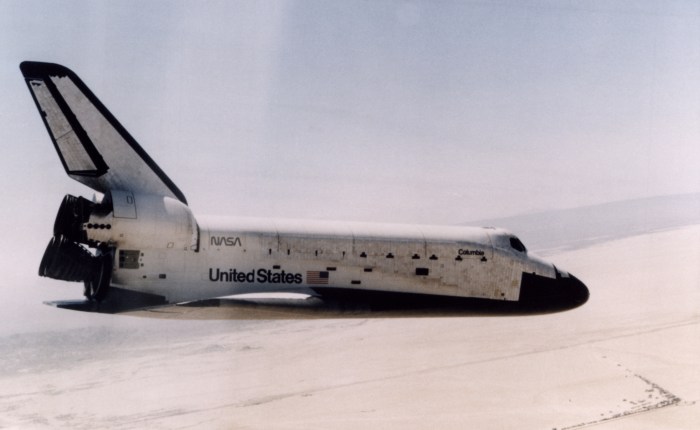
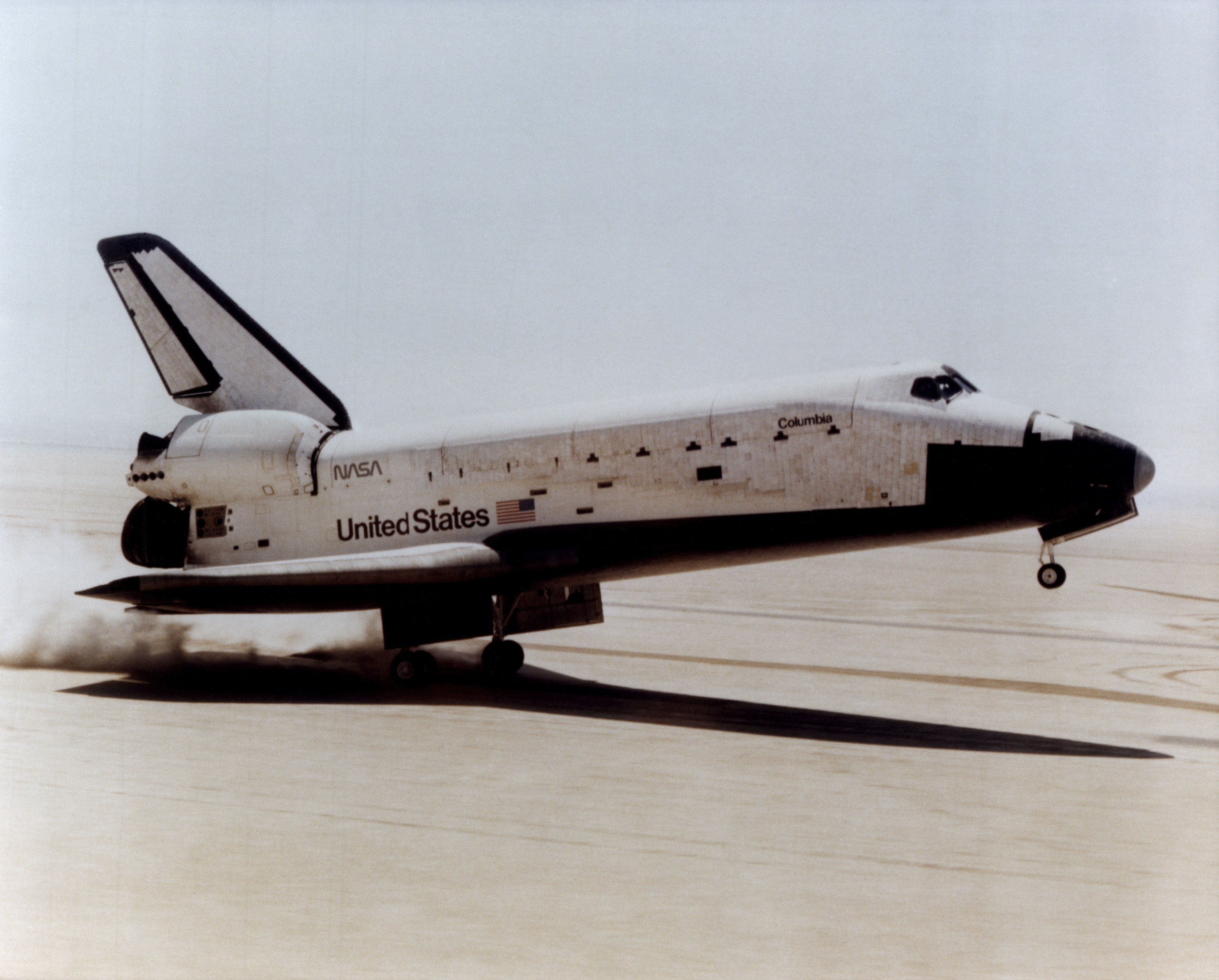
Obviously, the book really takes off (pun completely intended) with a section devoted to the first four shuttle missions, all of them aboard the Columbia. After that, the book moves from construction at Palmdale to delivery to Kennedy. The woes of Columbia’s heat-ablative tiles are adequately covered and, although the shuttle is a brand-new ship, it looks the worse for wear in several photographs (pp. 104-5). However, these problems overcome, there are some truly terrific ‘behind the scenes’ shots as Columbia is mated to the stack and rolled out to the pad. Here, there are some iconic photographs of the shuttle sitting on the pad with the setting sun turning the clouds a stunning orange and lifting into bright clear-blue Florida skies, but also some great shots ‘on orbit’ and the crews returning safely to Earth along the tanned lakebed of Edwards Air Force Base in California.
The Space Shuttle Columbia touches down on lakebed runway 23 at Edwards Air Force Base to conclude the first orbital shuttle mission, 14 April 1981. (Source: NASA)
Picturing the SpaceShuttle is another masterwork. It is truly a tour de force and a compelling collection of photographs that should be on the bookshelf of everyone who considers themselves a shuttle aficionado. One hopes that Pickering and Bisney continue to comb through the photographic archives of later shuttle missions. It has been 40 years since Columbia lifted into the sky for the first time and, perhaps even more amazing, a decade since the last shuttle returned safely to earth. As time marches on and the shuttle program recedes into memory, Pickering and Bisney have given us a reason to remember what Astronaut John Young called the ‘world’s greatest flying machine,’ the Space Shuttle.
Dr Brian Laslie is a US Air Force Historian and is the Command Historian at the United States Air Force Academy. Formerly he was the Deputy Command Historian at North American Aerospace Defense Command (NORAD) and United States Northern Command (USNORTHCOM). He is the Book Reviews Editor for From Balloons to Drones. A 2001 graduate of The Citadel and a historian of air power studies, he received his Masters’ from Auburn University Montgomery in 2006 and his PhD from Kansas State University in 2013. He is the author of Air Power’s Lost Cause: The American Air Wars of Vietnam (2021), Architect of Air Power: General Laurence S. Kuter and the Birth of the US Air Force (2017) and The Air Force Way of War (2015). The latter book was selected for the Chief of Staff of the Air Force’s 2016 professional reading list and the 2017 RAF Chief of the Air Staff’s reading list. He can be found on Twitter at @BrianLaslie.
Header image: The Space Shuttle Columbia glides down over Rogers Dry Lake as it heads for a landing at Edwards Air Force Base at the conclusion of its first orbital mission on 14 April 1981. (Source: NASA)
In 2022, From Balloons to Drones will run a series that examines air power in the naval and maritime spheres.
From the First World War onwards, the use of air power in naval and maritime spheres has become an essential element of military operations. Indeed, even by 1918, many of the roles associated with naval air power, such as carrier airstrikes, had emerged. Similarly, the development of maritime air power was well-developed by 1918. Moreover, as the world’s major navies recognised the importance of naval air power and commissioned aircraft carriers between the First and Second World Wars, further developments and debates emerged.
2022 marks several significant anniversaries in naval and maritime air power history. In 1922, the US Navy, which became the world’s major user of carrier-based air power, launched its first aircraft carrier, the USS Langley. 2022 also marks the 80th and 40th anniversaries of two significant examples of the effective application of naval and maritime air power, the Battle of Midway and the Falklands War, respectively. As such, From Balloons to Drones is seeking submissions for a series of articles that examine the varied use of air power in the maritime sphere, broadly defined. Articles might, for example, explore the development of carrier-based air power, the use of land-based air power in support of naval and maritime operations, or the use of air power in support of amphibious operations. Possible themes to be explored might include, but are not limited to:
Strategy, Theory and Doctrine| Organisation and Policy | Roles
Operations – Kinetic and Non-Kinetic | Tactics, Training and Procedures
Strategic and Operational Effect | Technological Developments | Ethical and Moral Issues
National, International and Transnational Experiences | Personal Experiences
Memory and Memorialisation
We are looking for articles of between 500 to 4,000 words, though we will accept larger pieces, and we reserve the right to publish them in parts. Please visit our submissions page for more information on the types of articles published by From Balloons to Drones
We plan to begin running the series in February 2022, and it will continue for as long as we receive potential contributions. We welcome and encourage submissions from academics, policymakers, service personnel, and relevant professionals. We also welcome submissions written from diverse academic disciplines.
Submissions should be submitted in Word format and emailed to the email address below with ‘SUBMISSION – Naval and Maritime Air Power Revisited’ in the subject line. Also, please include a 50-100-word biography with your submission. Footnotes can be used, and please be careful to explain any jargon. If you are not sure if your idea fits our requirements, then please email us with ‘POTENTIAL SUBMISSION – Naval and Maritime Air Power Revisited’ in the subject line to discuss.
If you are interested in contributing, please email our Editor-in-Chief, Dr Ross Mahoney, at airpowerstudies@gmail.com or contact us via our contact page here.
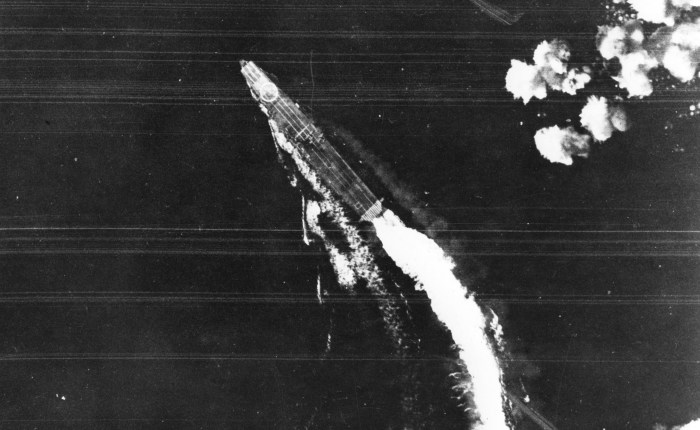
Header image: The Japanese aircraft carrier IJS Hiryu maneuvers to avoid bombs dropped by USAAF Boeing B-17E Flying Fortress bombers during the Battle of Midway on 4 June 1942. (Source: Wikimedia)








 From Balloons to Drones